 Fixated on Home
Introduction to Modular Storage in 2026 Bathroom Remodeling
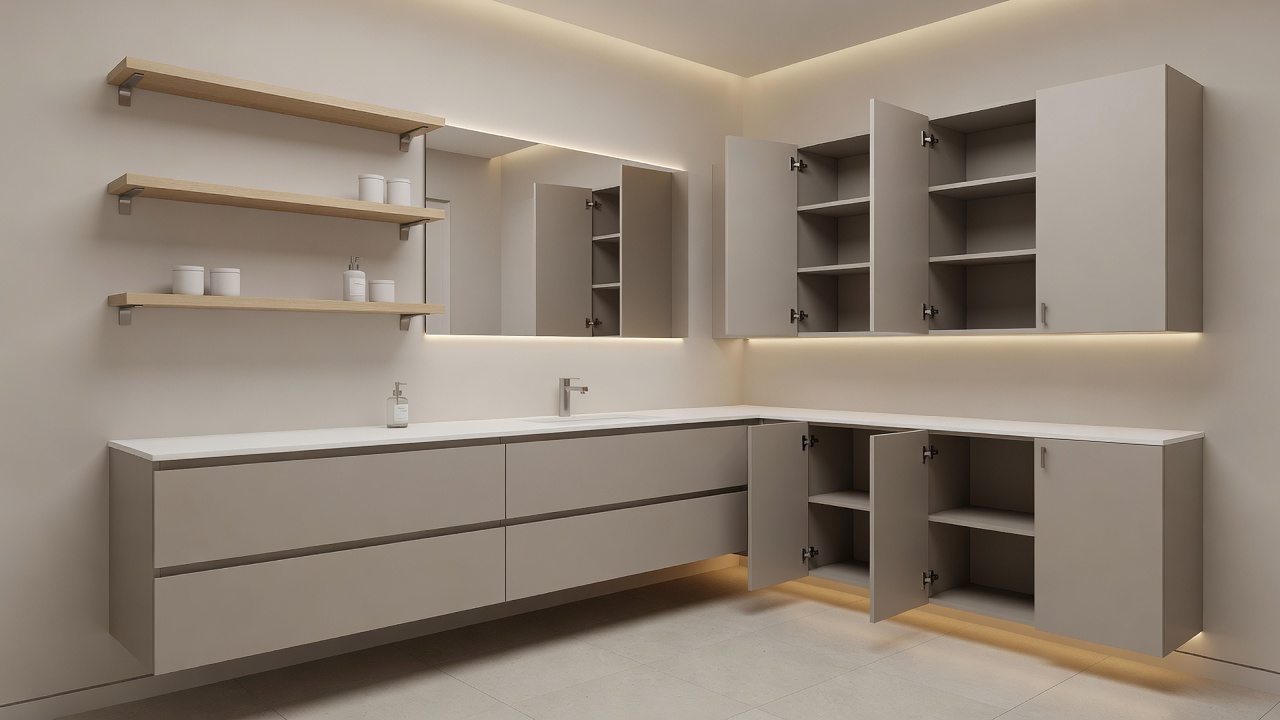
Bathroom remodeling in 2026 emphasizes flexibility and personalization, making modular storage an ideal solution for homeowners seeking adaptable designs. Unlike traditional fixed cabinetry, modular units allow easy reconfiguration to match evolving needs, space constraints, and aesthetic preferences. This approach supports both small urban apartments and spacious family homes by offering scalable components that integrate seamlessly with existing renovation ideas. Modular storage systems typically consist of interchangeable shelves, drawers, and cabinets that can be combined in various configurations. They promote efficient use of vertical space, hidden storage, and easy access, enhancing overall functionality while elevating home decor outcomes. Homeowners appreciate how these systems reduce waste during upgrades and allow phased implementations that fit different budgets and timelines.
With increasing focus on sustainable living and smart home integration, modular options align perfectly with modern trends. They enable quick adaptations for accessibility needs, such as adding lower-height units for children or seniors, without requiring complete overhauls.
Key Benefits of Customizable Modular Units
Customizable units provide significant advantages for diverse home sizes. In compact bathrooms, they maximize limited square footage through wall-mounted options and corner solutions. Larger spaces benefit from freestanding modular islands or extended vanity systems that adapt to multiple users. Enhanced adaptability allows future layout changes without full renovations. Improved organization comes with tailored compartments for toiletries, linens, and cleaning supplies. Long-term value increases through reusability and minimal waste. Better integration with smart home features includes built-in charging stations or sensor lighting. These benefits make modular storage particularly appealing for families planning phased remodeling projects. Additionally, the systems support better ventilation and moisture control compared to solid fixed units, reducing mold risks in humid environments.
- Scalable designs that grow or shrink with household changes over time.
- Reduced renovation downtime since components install in sections rather than all at once.
- Enhanced resale appeal through modern, flexible features buyers value.
- Compatibility with various styles from minimalist to traditional.
Material Choices for Durability and Style
Selecting the right materials is crucial for longevity in humid bathroom environments. Popular options include moisture-resistant engineered wood, solid bamboo, and powder-coated metal frames paired with tempered glass shelves. Eco-friendly composites derived from recycled plastics offer sustainable alternatives that resist warping and mold growth. When choosing finishes, consider matte laminates for modern looks or natural wood veneers sealed with protective coatings. These materials align well with current interior trends while ensuring easy cleaning and maintenance. For instance, bamboo provides natural antimicrobial properties ideal for wet areas, while metal frames offer industrial strength for heavy storage needs. Homeowners should evaluate local climate factors, such as high humidity levels, when selecting options to ensure optimal performance.
For more on sustainable building practices, refer to the EPA guidelines on indoor air quality and material selection.
Step-by-Step Installation Guide
Installing modular storage requires careful planning but remains accessible for DIY enthusiasts or professionals. Begin by measuring the space accurately and sketching potential layouts. Secure wall anchors for floating units to support weight safely. Prepare surfaces by cleaning and repairing walls or floors. Assemble base frames according to manufacturer instructions, ensuring level alignment. Attach modular components like drawers and shelves using provided hardware. Integrate electrical elements if adding lighting or outlets. Test stability and adjust configurations before final sealing. Professional installation is recommended for complex plumbing integrations. Always check load-bearing capacities and follow local building codes to avoid future issues. 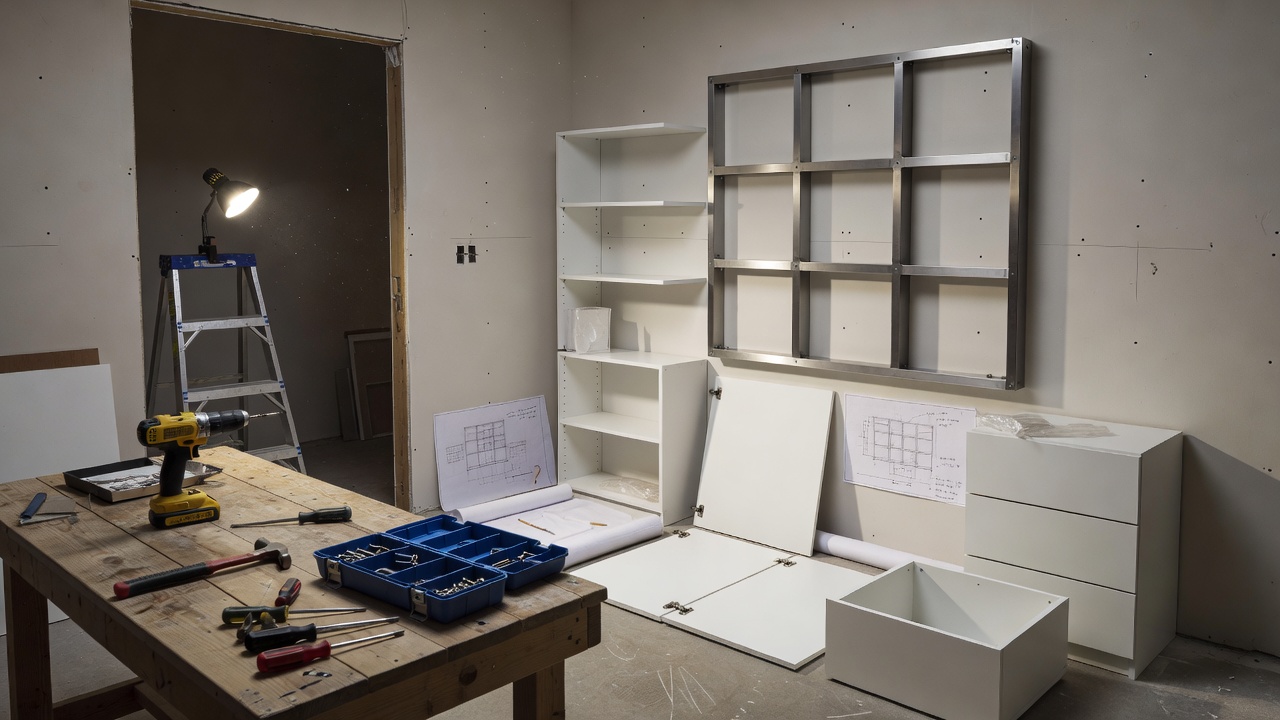
Real-Home Applications and Comparisons
Practical examples illustrate modular storage's versatility. In a small apartment renovation, homeowners used stackable wall units to replace bulky vanities, freeing floor space and creating an open feel. A suburban family home incorporated expandable drawer systems into a double-sink setup, accommodating children's items alongside adult essentials. In a multi-generational household, adjustable height modules allowed customization for varying user needs. Compared to fixed cabinetry, modular solutions excel in flexibility. Fixed units often require demolition for changes, while modular designs allow swapping parts in hours. They also support better customization for accessibility needs, such as lower shelves for elderly residents. Fixed options may seem cheaper initially but lack the long-term adaptability that prevents costly future remodels.
Learn more about energy-efficient home upgrades from the U.S. Department of Energy.
Cost Considerations and Budget Planning
While specific pricing varies by region and supplier, modular systems generally offer strong value through their reusable nature. Homeowners should factor in material quality, customization level, and professional labor when budgeting. Qualitative assessments show that investing in durable components reduces replacement frequency over a decade. Phased purchases allow spreading expenses across multiple years. Always obtain multiple quotes and consider warranty coverage for peace of mind.
Maintenance Tips for Long-Lasting Results
Regular care extends the life of modular systems. Wipe surfaces weekly with mild cleaners to prevent buildup. Inspect seals and joints quarterly for moisture intrusion. Rotate or reconfigure units seasonally to distribute wear evenly. Avoid abrasive tools that could damage finishes. For wood elements, reapply protective sealants every two years based on usage intensity. Keep track of original assembly instructions for future adjustments.
Common Mistakes to Avoid
Many homeowners overlook proper measurements leading to ill-fitting units. Ignoring humidity ratings for materials can cause premature failure. Skipping professional advice on electrical integrations risks safety issues. Choosing overly complex configurations without testing usability often results in underused storage. Always prioritize quality hardware over aesthetics alone.
Frequently Asked Questions
How do modular systems handle varying bathroom sizes?
They scale through add-on modules, allowing expansion or contraction without replacing entire setups.
Can modular storage integrate with existing plumbing?
Yes, many designs include cutouts and adjustable heights to work around pipes and fixtures.
What common design challenges do they solve?
Issues like awkward corners, limited wall space, and multi-user demands are addressed through customizable configurations.
Are modular units suitable for rental properties?
Many systems feature non-permanent mounting options that allow removal without wall damage, making them renter-friendly.
Conclusion
Modular storage represents a forward-thinking choice for 2026 bathroom remodeling, delivering adaptability, style, and practicality across home types. By focusing on quality materials, thoughtful installation, and ongoing care, homeowners achieve superior results that enhance both function and decor. This approach ensures bathrooms remain efficient and stylish for years to come.
No comments yet. Be the first!