 Fixated on Home
Embracing Bohemian Living Room Design in 2026
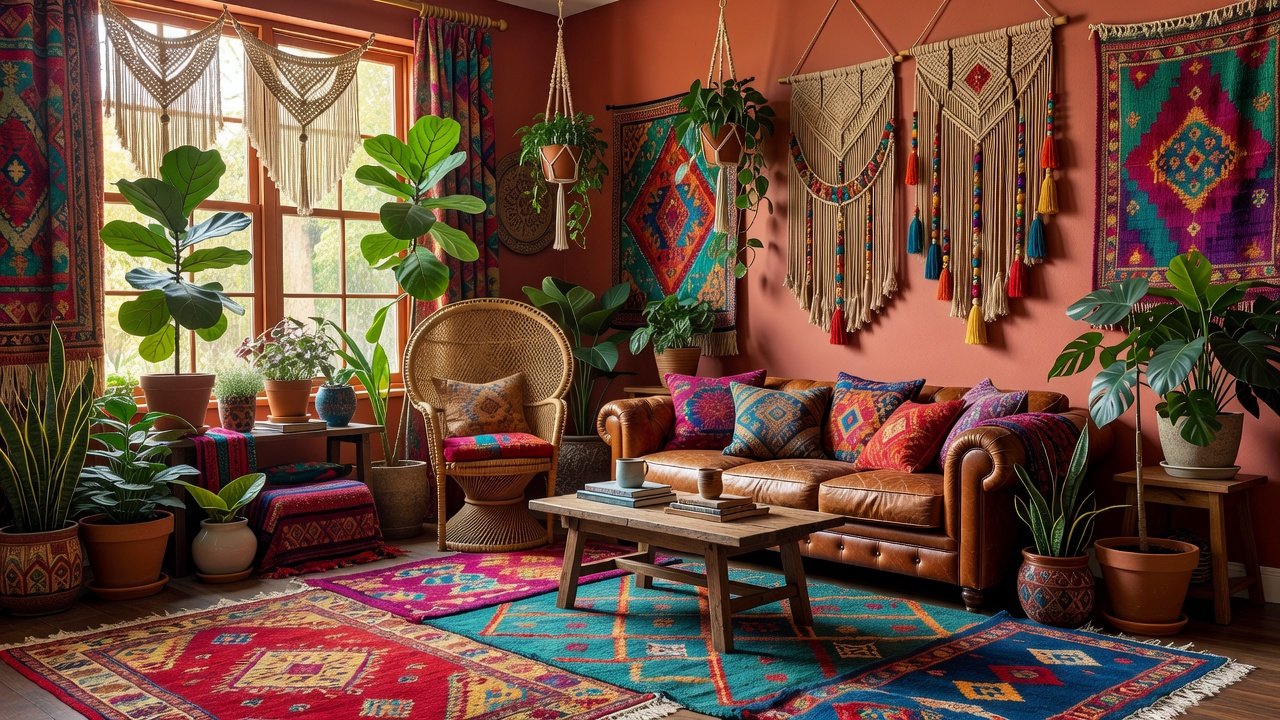
Bohemian living room design offers a refreshing escape from minimalist trends, celebrating individuality through eclectic home decor. This style blends global influences, rich textures, and personal storytelling to create spaces that feel lived-in and inspiring. For homeowners seeking unique upgrades in 2026, boho interiors provide flexibility while incorporating remodeling tips that transform ordinary rooms into vibrant sanctuaries. Unlike rigid design rules, bohemian aesthetics encourage experimentation, allowing residents to mix eras, cultures, and materials seamlessly. This approach not only enhances visual interest but also promotes a sense of warmth and authenticity that resonates with modern lifestyles focused on sustainability and personal expression.
The core appeal lies in its rejection of uniformity. Instead of sleek lines and neutral tones, bohemian rooms layer mismatched elements that reflect travel, culture, and creativity. This approach suits those wanting authentic expressions of personality in their living spaces, especially as 2026 trends emphasize wellness-oriented environments filled with natural elements and meaningful objects.
Defining the Bohemian Aesthetic
Bohemian style draws from nomadic traditions, artistic communities, and worldly travels. It emphasizes freedom, with furniture and decor sourced from various eras and regions. In 2026, this translates to sustainable choices like vintage finds paired with modern handmade pieces. The aesthetic often incorporates influences from the 1960s counterculture but updates them with contemporary twists such as energy-efficient lighting and eco-friendly fabrics. Homeowners appreciate how this style evolves over time, allowing gradual additions that tell a personal story rather than following fleeting trends.
Key characteristics include an abundance of patterns, from Moroccan rugs to Indian block prints, combined with natural materials such as rattan, wood, and linen. The result is a warm, inviting atmosphere that encourages relaxation and conversation, making it ideal for family gatherings or quiet evenings.
Color Palettes for Vibrant Yet Balanced Spaces
Successful bohemian palettes mix earthy bases with bold accents. Think terracotta, deep greens, and mustard yellows grounded by warm neutrals like beige and taupe. Add pops of jewel tones—emerald, sapphire, and ruby—for visual interest without overwhelming the room. In practice, start with a dominant neutral wall color and introduce vibrancy through accessories that can be swapped seasonally. Consider undertones carefully during remodeling to avoid clashes, and use color psychology to create zones within larger open-plan living areas.
When remodeling, test paint samples in natural light to ensure harmony. Layering colors through textiles rather than walls allows easy seasonal updates, providing flexibility for those who enjoy refreshing their space frequently without major renovations.
Layered Textiles and Global Patterns
Textiles form the foundation of boho design. Start with a large area rug featuring intricate motifs, then add throws, pillows, and curtains in complementary prints. Mixing velvet, cotton, and macramé creates depth and tactile appeal that invites touch and interaction. Global patterns from regions like Turkey, Peru, and Africa bring cultural richness, turning the living room into a curated gallery of world heritage. Source ethically through fair-trade markets or reputable online platforms to support artisans and ensure longevity of the pieces.
Practical tips include rotating textiles quarterly to prevent wear and maintain freshness. This layering technique also improves acoustics in echo-prone modern homes, adding both style and function during remodeling projects.
Furniture Sourcing and Arrangement
Eclectic furniture defines the bohemian living room. Look for low-slung sofas, carved wooden tables, and vintage armchairs. Arrange pieces conversationally rather than symmetrically to foster an organic flow that feels spontaneous and welcoming. Prioritize comfort with oversized cushions and ottomans that double as seating or surfaces. When sourcing, visit local flea markets or restoration workshops to find unique items with history, blending them with newer sustainable options for a balanced look.
Architectural Digest highlights how mixing mid-century modern with ethnic pieces creates timeless appeal. Focus on comfort and character over perfection, ensuring each piece serves both aesthetic and practical purposes in daily life.
Integrating Plants and Natural Accents
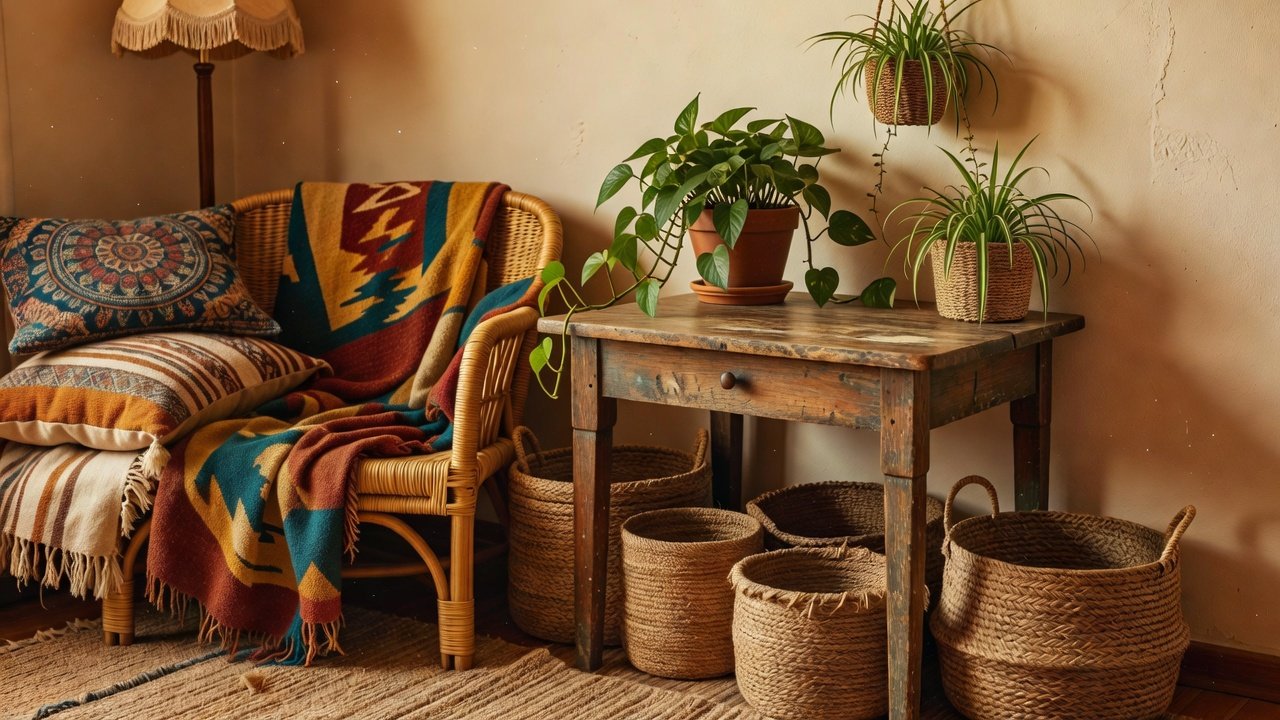
Plants are essential for bringing life and freshness. Incorporate trailing pothos, fiddle-leaf figs, and succulents in varied pots. Natural accents like driftwood, stones, and woven baskets enhance the earthy vibe while improving air quality and connecting the indoors with nature. Position larger plants as focal points and smaller ones on shelves or mantels for layered interest. During remodeling, integrate built-in planters or window boxes to maximize greenery without sacrificing floor space.
Better Homes & Gardens recommends grouping plants by light needs for easier maintenance. This integration supports biophilic design principles popular in 2026 renovations, fostering mental well-being alongside visual beauty.
Bohemian vs. Minimalist Styles: A Comparison
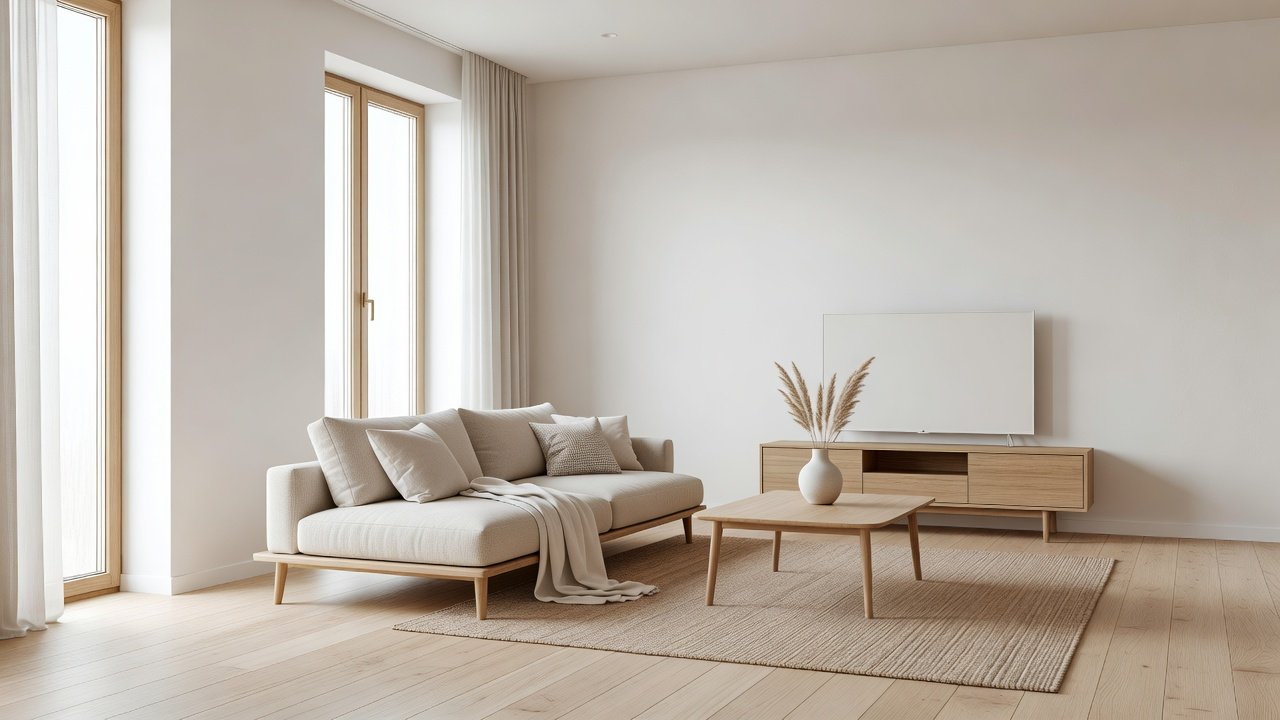
Minimalism prioritizes clean lines, sparse decor, and monochromatic schemes for calm simplicity. Bohemian design, by contrast, thrives on abundance, color, and texture for energetic warmth. Choose boho if you prefer spaces that evolve with new finds; opt for minimalism for low-maintenance serenity. In 2026, many hybrid approaches emerge where minimalist architecture frames bohemian accents, creating versatile rooms adaptable to changing family needs or work-from-home setups.
Key decision factors include lifestyle: families with children often favor boho's forgiving, playful nature, while professionals may lean minimalist for focus. Real examples show successful merges, such as a clean white room accented with colorful kilims and macrame that adds personality without clutter.
Practical DIY Styling Steps with Real-Home Examples
- Assess your current space and identify anchor pieces to keep, then map out zones for lounging, reading, and entertaining.
- Layer rugs and textiles starting from the floor up, using varying sizes and textures to define areas without walls.
- Incorporate lighting with string lights, lanterns, and floor lamps to create ambiance that shifts from day to night.
- Add personal touches like travel souvenirs or family heirlooms displayed on open shelving for storytelling depth.
- Experiment with gallery walls featuring mixed art, mirrors, and woven pieces to reflect light and expand visual space.
- Repurpose old furniture with new upholstery or paint in boho colors, as seen in one urban apartment where a basic sofa became a statement piece with vibrant fabric.
Real-home examples abound: A suburban family transformed their beige living room by adding a kilim rug, cane chairs, and hanging plants, achieving a cozy boho feel. Another coastal home incorporated driftwood tables and ocean-inspired textiles for a relaxed, global twist. These projects typically take weekends and require minimal tools, making them accessible remodeling options.
Budget-Friendly Upgrades and Remodeling Tips
Focus on high-impact, low-cost changes like painting, swapping cushions, and DIY macramé. Thrift stores and online marketplaces offer affordable sourcing opportunities. For larger remodels, prioritize multifunctional furniture and natural light enhancements such as sheer curtains or skylights. Measure twice before committing to layouts to avoid costly mistakes, and involve family members in styling decisions for personalized results that last.
Frequently Asked Questions
How can I achieve bohemian style on a budget?
Start with secondhand textiles and plants. Repurpose existing items with new covers or paint for quick, affordable transformations that build over time.
Is bohemian decor suitable for small living rooms?
Yes, by using light colors, mirrors, and vertical elements like hanging planters to maximize perceived space while avoiding overcrowding.
What mistakes should I avoid?
Overcrowding without balance and neglecting quality in key textiles can make the room feel chaotic rather than curated; always edit pieces thoughtfully.
How do I maintain a bohemian living room long-term?
Regular dusting of textiles, rotating plants for even growth, and seasonal accessory swaps keep the space fresh without major effort.
Conclusion
Bohemian living room design empowers homeowners to create eclectic, soulful spaces that stand out in 2026. By focusing on layered elements, global inspirations, and practical steps, you can achieve a transformative upgrade that reflects your unique story. Explore this style for interiors that inspire daily joy and lasting comfort while adapting to future trends and personal growth.
No comments yet. Be the first!