 Fixated on Home
Introduction to Spa-Inspired Bedroom Renovations
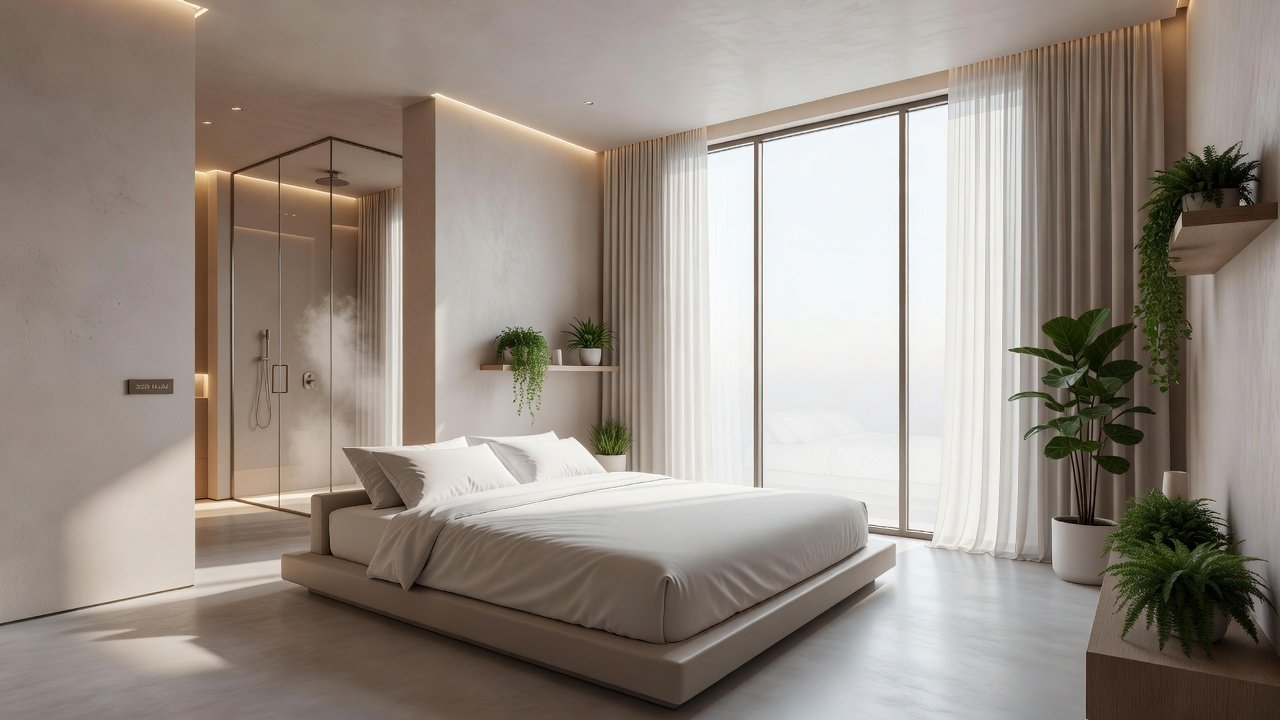
Creating a spa-like bedroom in 2026 blends modern wellness trends with practical home upgrades. Homeowners increasingly seek serene spaces that promote rest and recovery, incorporating energy-efficient elements that align with current sustainability standards. This guide provides in-depth strategies for turning ordinary bedrooms into luxurious retreats focused on relaxation. By addressing every aspect from material selection to maintenance routines, readers can achieve a transformative result that supports both physical comfort and mental well-being. The emphasis on 2026 trends highlights innovations in smart controls, sustainable sourcing, and holistic design that go beyond basic aesthetics to deliver measurable health benefits over time.
Selecting Moisture-Resistant and Calming Materials
Materials form the foundation of any spa bedroom. Opt for moisture-resistant options like bamboo flooring and treated wood panels to handle humidity from steam features. Calming palettes feature soft grays, muted blues, and warm beiges that evoke tranquility. These choices also support energy efficiency by improving insulation and reducing heating needs. Natural stone accents work well for walls or vanities when paired with low-VOC paints that maintain superior air quality. Homeowners should evaluate durability ratings and thermal properties carefully, ensuring selections withstand daily use while contributing to a cohesive, peaceful atmosphere. In practice, layering textures such as linen drapes over acoustic panels adds depth without overwhelming the space. Energy-efficient building practices from official sources emphasize durable, sustainable selections that lower long-term utility costs. Additional considerations include sourcing from suppliers who certify materials for indoor environmental quality, which prevents off-gassing and supports long-term occupant health.
Integrating Steam and Hydrotherapy Features
Adding hydrotherapy elements elevates the spa experience. Compact steam showers or freestanding soaking tubs with massage jets fit into bedroom suites without requiring major plumbing overhauls. Position these near existing bathrooms for easier integration while ensuring proper ventilation to prevent mold. Real-world examples from contemporary homes show that wall-mounted steam units combined with rainfall showerheads create immersive relaxation zones. Always verify local building codes before installation to maintain safety and efficiency. Expanding further, consider zoned temperature controls that allow separate management of the sleeping area and hydrotherapy zone, preserving comfort throughout the night. Integration with smart home systems enables scheduled sessions that align with personal wellness routines. Guidance on indoor air quality helps ensure these features do not compromise the room environment. Practical installations often include built-in seating and aromatherapy ports that enhance the therapeutic value without adding visual clutter.
Optimizing Lighting and Acoustic Elements
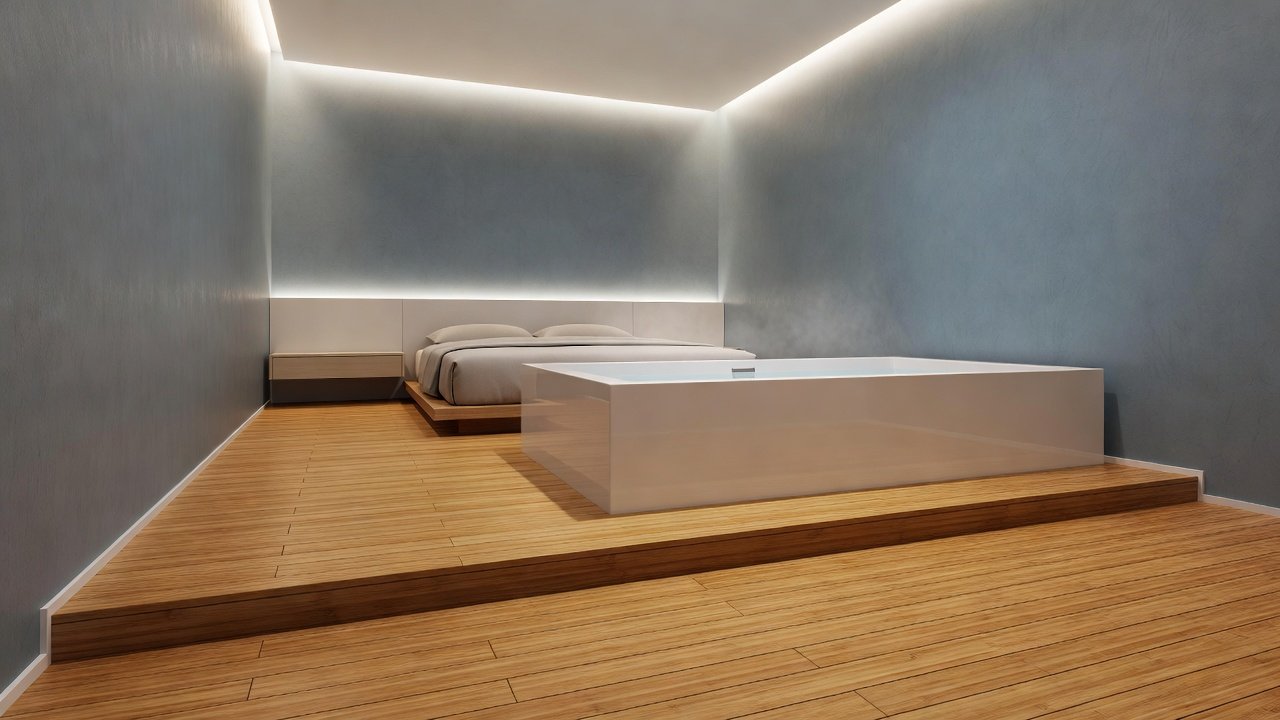
Layered lighting enhances the spa atmosphere. Install dimmable LED fixtures with warm color temperatures alongside smart controls for customizable moods. Natural light through sheer curtains or skylights complements these systems, supporting circadian rhythms for better sleep. Acoustic treatments such as sound-absorbing panels or heavy drapery reduce external noise. These upgrades pair well with white noise machines or integrated speakers playing nature sounds, fostering deeper relaxation. In larger bedrooms, strategic placement of cove lighting along ceilings creates indirect illumination that mimics daylight while minimizing glare on screens or mirrors. For acoustics, combining bass traps in corners with fabric-wrapped wall panels delivers balanced sound absorption across frequencies. This approach proves especially valuable in urban settings where traffic or neighbor noise disrupts rest. Wellness resources underscore how controlled environments improve sleep quality and stress reduction when lighting and sound are optimized together.
Step-by-Step Renovation Process
- Assess the space and define wellness goals with a detailed floor plan that accounts for traffic flow and existing utilities.
- Choose materials and features that prioritize moisture resistance and energy efficiency, cross-referencing product specifications for compatibility.
- Handle structural changes like electrical wiring for lighting and hydrotherapy units, coordinating with licensed tradespeople where required.
- Install finishes, including flooring, walls, and fixtures, while testing for functionality at each stage to catch issues early.
- Add final touches such as plants, textiles, and aromatherapy diffusers, then conduct a full system test over several days.
- Document the process with photos and notes for future reference or resale value considerations.
DIY Approaches Versus Hiring Professionals
DIY renovations suit simpler updates like painting and lighting but often fall short on complex hydrotherapy installations due to plumbing and electrical requirements. Professionals bring expertise in code compliance and energy-efficient integrations, potentially saving time and avoiding costly errors. Compare timelines: DIY projects may span months, while experts complete transformations in weeks with warranties on work. Weigh factors such as personal skill level, tool availability, and the complexity of integrating multiple systems. For instance, a basic refresh involving new bedding and lighting can be completed over a weekend, whereas adding steam functionality demands precise measurements and moisture barriers best handled by specialists. Hybrid approaches allow owners to manage cosmetic elements while outsourcing technical aspects, striking a balance between cost control and quality outcomes.
Real-World Examples and Cost Considerations
Contemporary homes in urban settings demonstrate successful spa bedrooms through minimalistic designs with integrated steam systems and neutral material palettes. These projects highlight how thoughtful planning yields spaces that feel expansive and restorative. Suburban examples often incorporate larger soaking tubs paired with skylights for natural light, creating private sanctuaries that rival high-end hotel experiences. Focus on quality investments in durable materials rather than specific pricing, which varies by location and scope as of late 2026. Long-term value emerges through reduced maintenance needs and improved property appeal when designs emphasize timeless elements over fleeting trends.
FAQ Section
How do I maintain a spa bedroom?
Regular cleaning of moisture-prone areas, using HEPA filters, and scheduling professional inspections for steam units ensure longevity and hygiene. Weekly tasks include wiping surfaces with mild cleaners and checking seals on tubs or showers, while monthly reviews of lighting and acoustic components prevent gradual wear.
What common pitfalls should I avoid?
Overlooking ventilation or selecting non-resistant materials leads to mold issues. Always prioritize energy-efficient options to prevent higher operational costs. Another frequent mistake involves insufficient planning for electrical loads when adding multiple features simultaneously.
Can these designs work in small bedrooms?
Yes, by focusing on multifunctional furniture and vertical storage, even compact spaces can achieve a calming spa aesthetic with careful material choices. Mirrors strategically placed to reflect light help enlarge the perceived area without sacrificing serenity.
How do energy-efficient features impact daily use?
Smart thermostats and LED systems reduce energy consumption while maintaining consistent comfort levels. Over time, these elements contribute to quieter operation and lower environmental impact, aligning renovations with broader sustainability goals.
What role does ventilation play in hydrotherapy integration?
Proper exhaust and fresh-air intake systems prevent humidity buildup and maintain air quality. Without them, steam features can lead to condensation damage on walls and ceilings, undermining the entire renovation effort.
No comments yet. Be the first!