 Fixated on Home
Introduction to 2026 Bedroom Hobby Zones
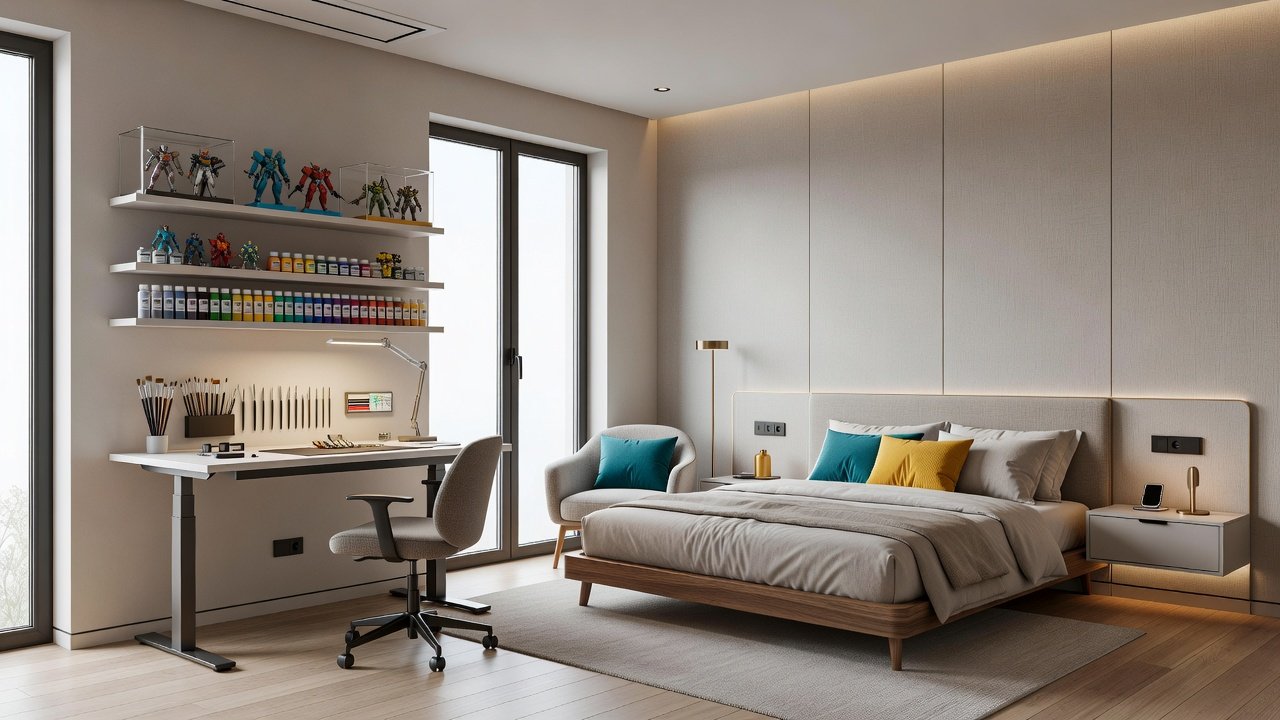
Modern homeowners increasingly seek ways to blend personal passions with everyday living spaces. In 2026, bedroom hobby zones represent a popular trend in home renovations, allowing individuals to create dedicated areas for creative pursuits without sacrificing bedroom comfort or aesthetics. This approach transforms underutilized corners into inspiring stations for activities like painting or model building while maintaining a serene sleep environment. As lifestyles evolve toward more personalized living, these zones offer a practical solution for those who want their homes to support both productivity and relaxation.
Integrating these zones requires thoughtful planning to balance functionality and style. Homeowners can achieve this through strategic space allocation, versatile furnishings, and smart lighting that supports both hobbies and rest. The result is a multi-functional bedroom that reflects personal interests and enhances daily life. Beyond aesthetics, well-designed hobby zones can improve mental well-being by providing a private outlet for creativity within the comfort of one's bedroom. This guide explores every aspect of the process in detail to help you create a space that feels both modern and uniquely yours.
Space Planning Tips for Hobby Integration
Effective space planning begins with assessing your bedroom's layout and identifying zones that can serve dual purposes. Measure available square footage and consider traffic flow to avoid clutter. For smaller rooms, vertical space becomes essential—utilize walls for shelving or fold-down surfaces that tuck away when not in use. Start by mapping out the room on paper or using a digital tool to visualize potential arrangements. Identify the primary sleep area first, then designate a secondary zone near a window or quiet corner for your hobby activities.
Prioritize natural light sources near windows for hobby areas, as they reduce eye strain during detailed work. Divide the room conceptually into sleep, relaxation, and hobby sections using rugs or subtle color shifts. This zoning technique ensures hobbies feel intentional rather than intrusive. Consider acoustic elements like soft curtains or rugs to dampen sounds from hobby tools, preserving the bedroom's peaceful atmosphere. Explore professional inspiration on Houzz for real-world layout ideas tailored to various room sizes.
Selecting Multi-Use Furniture
Multi-use furniture is key to successful hobby zones. Opt for pieces like adjustable desks that convert from work surfaces to nightstands or beds with built-in storage drawers. Modular units allow customization, such as stackable cubes that double as seating and supply organizers. When selecting items, evaluate durability, ease of transformation, and how well they blend with existing bedroom decor. Look for pieces with clean lines and neutral finishes to ensure they enhance rather than dominate the space.
When comparing options, budget-friendly modular systems from major retailers offer flexibility for beginners, while premium custom-built solutions provide higher durability and seamless integration. Focus on materials that complement bedroom decor, such as light woods or neutral metals, to maintain a cohesive look. Learn more about versatile furniture choices through resources like This Old House, which highlights renovation strategies for multi-purpose rooms. Always test transformations in person if possible to confirm they meet your daily needs without adding unnecessary bulk.
Optimal Lighting Setups
Lighting plays a critical role in hobby zones. Layer ambient, task, and accent lights to create versatile illumination. LED strips under shelves provide focused light for painting or assembling models without overwhelming the room. Dimmable options let you transition smoothly from creative sessions to winding down for sleep. Incorporate smart bulbs controllable via apps for color temperature adjustments—cooler tones for detail work and warmer hues for evenings. Position lights to minimize shadows on work surfaces, enhancing precision and enjoyment.
For painting, consider overhead adjustable arms that direct light precisely onto canvases. Model builders may prefer clip-on magnifier lights for intricate details. Explore additional guidance on effective home lighting from Bob Vila. Proper lighting not only supports hobbies but also contributes to the overall mood of the bedroom, making it adaptable for reading or relaxing after a session.
Storage Hacks to Avoid Clutter
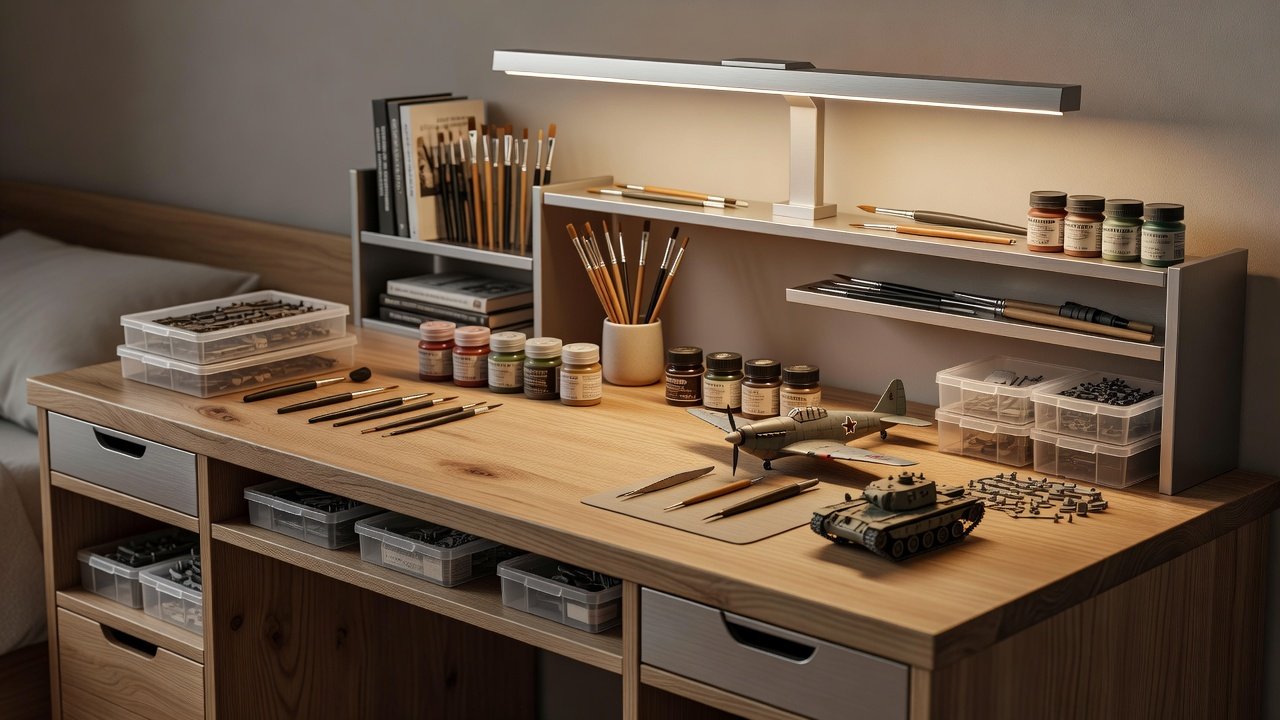
Clutter is the enemy of both hobbies and restful sleep. Implement hidden storage solutions like under-bed bins, wall-mounted pegboards for tools, and ottomans with internal compartments. Rotating carousels or magnetic strips keep frequently used items accessible yet organized. For painting enthusiasts, dedicated easel stations with foldable legs and supply caddies prevent spills and mess. Model builders benefit from compartmentalized drawers that sort tiny parts by size. Regular decluttering routines, such as weekly resets, maintain the space's appeal.
Additional hacks include using over-the-door organizers for lightweight supplies and installing floating shelves above the hobby station for quick-access items. Label everything clearly to save time during creative sessions. These strategies ensure your hobby zone remains inviting and efficient without encroaching on sleeping areas.
Real-World Examples: Painting and Model Building
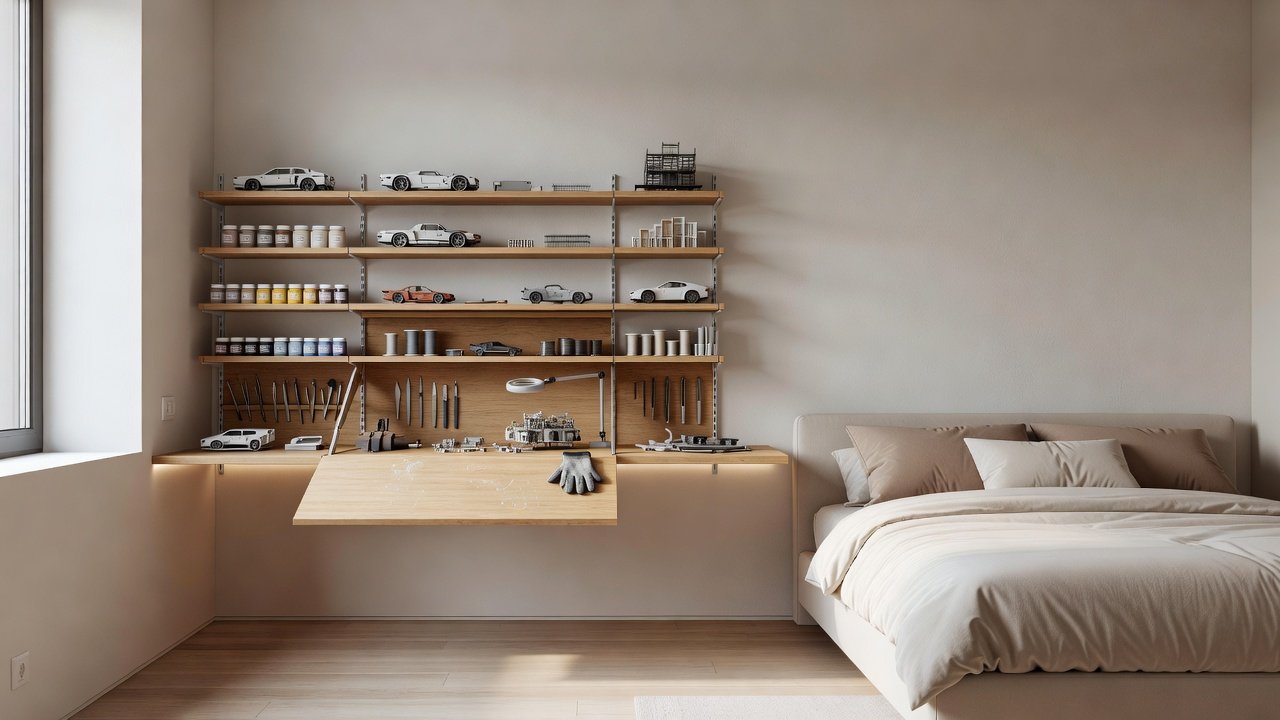
Consider a painting hobby zone: A compact corner features a fold-out table with integrated palette storage, paired with an adjustable floor lamp. This setup allows quick sessions without disrupting the bed area. Add a small rolling cart for paints and brushes that can be tucked away easily. Similarly, a model building station might include a magnifying desk lamp, specialized tool racks, and a clear display shelf for finished pieces. Incorporate a protective mat on the surface to catch glue or paint residue.
These examples demonstrate how hobby zones enhance creativity while preserving bedroom tranquility. Homeowners report increased satisfaction when spaces feel personalized yet polished. For those with multiple interests, a hybrid zone combining painting and building elements can work well if storage is prioritized to separate supplies effectively.
Step-by-Step Implementation Guide
- Assess your bedroom dimensions and list current furniture to identify what can stay or be replaced.
- Sketch a floor plan highlighting the hobby zone location, ensuring at least three feet of clearance around the bed for movement.
- Select and source multi-use furniture pieces that match your style and functional requirements.
- Install lighting fixtures and test for functionality across different times of day.
- Organize storage solutions and stock supplies in labeled containers for easy retrieval.
- Decorate with inspirational elements that match your style, such as artwork or mood boards.
- Test the zone during a hobby session and refine as needed based on comfort and workflow.
Budget Versus Premium Options Comparison
Budget approaches rely on DIY modifications and off-the-shelf modular items for cost-effective results, often involving simple paint updates or basic shelving additions. Premium choices involve professional designers and custom carpentry for flawless finishes and longevity, incorporating higher-quality materials that withstand daily use. Both paths deliver value depending on renovation scope and personal priorities—budget options suit quick updates, while premium investments yield enduring satisfaction. Weigh factors like time investment, resale value, and long-term enjoyment when deciding.
Common Mistakes to Avoid
One frequent error is overfilling the zone with too many supplies, leading to visual clutter. Another is neglecting ventilation for hobbies involving paints or adhesives, which can affect air quality in the bedroom. Avoid placing the hobby area too close to the bed to maintain separation between work and rest. Finally, skipping proper lighting planning can result in eye fatigue during extended sessions.
Conclusion
Creating a 2026 bedroom hobby zone elevates your living space by merging passion with practicality. With careful planning, the right furniture, lighting, and storage, any bedroom can become a hub of creativity and calm. Explore these upgrades to enjoy a more fulfilling home environment that supports your interests seamlessly.
FAQ
How do I fit a hobby zone in a very small bedroom?
Use vertical storage and multi-functional furniture to maximize limited space without overwhelming the room, focusing on foldable and hidden elements.
What lighting works best for detailed hobbies like painting?
Layered LED task lighting with adjustable brightness and color temperature provides optimal visibility and ambiance for precision tasks.
Are there ways to hide hobby supplies when not in use?
Yes, concealed storage like under-bed drawers and foldable furniture keeps the space tidy and bedroom-focused at all times.
Can hobby zones impact sleep quality?
Proper zoning and separation techniques help maintain sleep quality by keeping creative activities distinct from the rest area.
What maintenance is required for these zones?
Weekly organization, monthly deep cleans, and seasonal reviews of supplies ensure the space remains functional and appealing over time.
No comments yet. Be the first!