 Fixated on Home
Introduction to 2026 Bedroom Hobby Workspaces
Modern homeowners in 2026 are rethinking bedroom layouts to blend personal hobbies with restful environments. Integrating dedicated hobby zones supports activities like crafting, model building, painting, sewing, and even small-scale electronics assembly while aligning with contemporary renovation trends that emphasize personalization and multi-use spaces. This approach transforms underutilized corners into productive areas without compromising the bedroom's primary role as a relaxation sanctuary. With rising interest in home-based creative pursuits, thoughtful design ensures these additions feel intentional rather than intrusive.
This comprehensive guide provides actionable steps for space planning, material selection, and installation, ensuring your bedroom remains a sanctuary even with added functionality. We draw on practical examples and decision frameworks to help you execute upgrades that stand the test of time.
Space Planning for Hobby Activities
Effective space planning starts with assessing your room dimensions and hobby requirements. Measure available floor area and identify zones that avoid the bed and main walkways. For crafting enthusiasts, allocate at least a 4-foot by 6-foot area for a work surface, while model builders benefit from vertical storage integration to keep tools accessible yet hidden from view. Consider traffic flow: position workspaces near windows for natural light but away from sleeping areas to minimize disruption from late-night sessions.
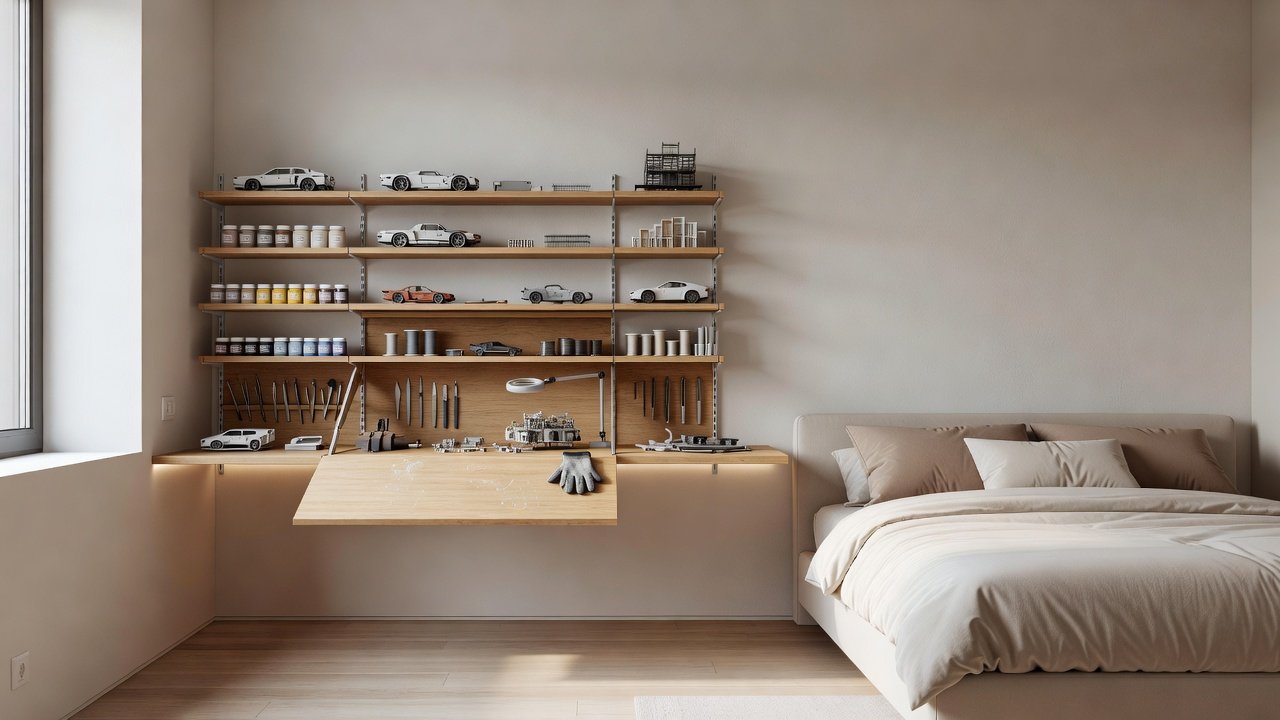
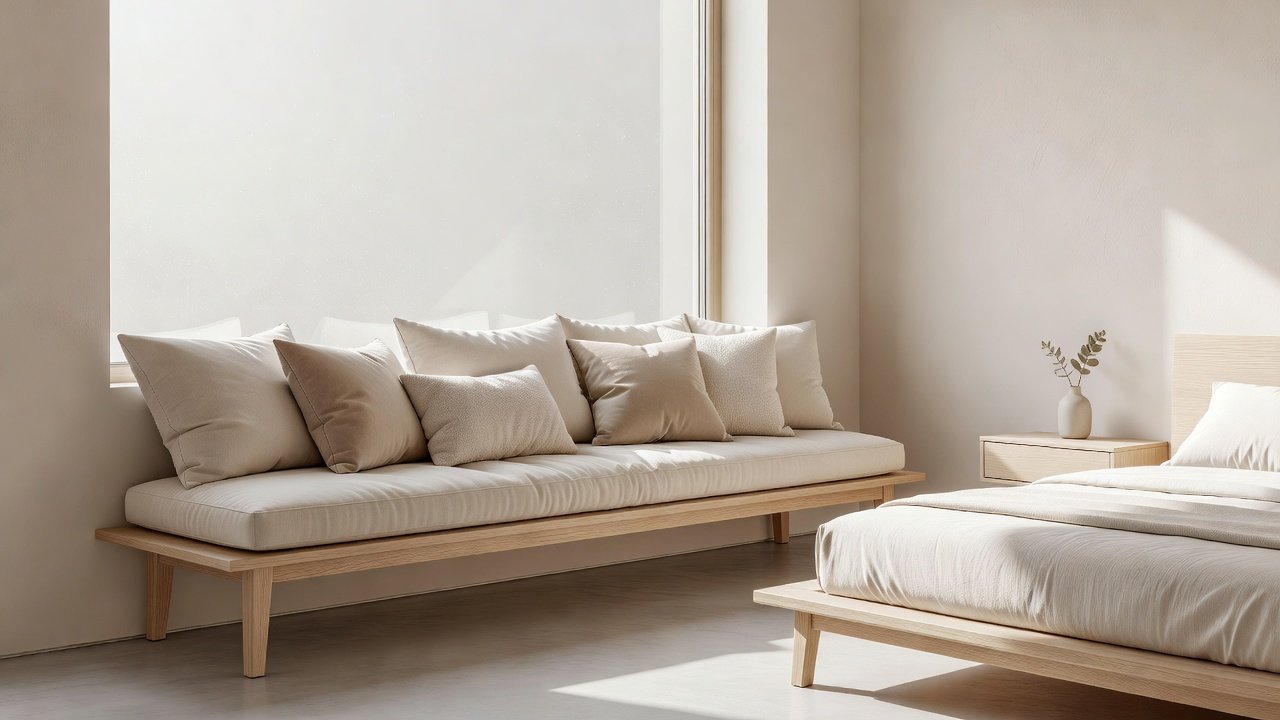
Use room dividers like open shelving units that double as storage and visual separators. Hobby-specific considerations include dedicating zones for messy activities such as painting or gluing, ideally near easy-clean flooring transitions. For electronics or precision work, include grounded power access points during planning. Practical examples include transforming a corner into a mini studio with fold-down tables for model building, allowing quick conversion back to a calm sleeping zone at night. Another scenario involves repurposing the area beside a window seat into a sewing nook with foldable cutting mats and thread organizers that tuck away neatly.
Always map out multiple layout options on paper or digital tools before committing, accounting for door swings and furniture movement paths to prevent future frustration.
Material Choices Aligning with Home Design Trends
2026 trends favor sustainable and versatile materials such as reclaimed wood, matte laminates, and modular metal frames. These options provide durability for hobby use while maintaining a cohesive bedroom aesthetic. Opt for low-VOC finishes to support indoor air quality and choose surfaces resistant to scratches, stains, and moisture from hobby supplies. For work surfaces, quartz or butcher-block tops resist stains from paints and glues, while engineered stone offers easy maintenance. Pair them with neutral tones like soft grays or warm beiges to blend seamlessly with bedroom decor.
Additional options include bamboo composites for eco-conscious builds and powder-coated steel for lightweight yet sturdy shelving. Biophilic elements like integrated planter boxes or wood accents with natural grain patterns enhance the calming feel. When selecting, prioritize materials that age gracefully and coordinate with existing bedding and wall colors. Ikea offers modular systems ideal for these integrations, allowing easy customization without custom carpentry.
Step-by-Step Installation Guides for Modular Elements
Begin by sketching your layout and gathering tools including a stud finder, level, drill, and measuring tape. Install wall-mounted rails first for adjustable shelving, ensuring they are anchored into studs for safety. Next, attach foldable tabletops using heavy-duty brackets rated for hobby equipment weight. Follow these detailed steps for success:
- Secure base frames to studs for stability, checking plumb every few inches.
- Integrate cable management channels for lighting and tools to avoid visible wires.
- Add soft-close drawers for organized storage of supplies like paints, tools, and fabrics.
- Finish with LED strip lighting under shelves for task illumination and install ventilation grilles if using adhesives or solvents.
This modular approach allows future adjustments without major renovations. Test stability at each stage and consider professional help for electrical additions.
Before-and-After Layout Examples
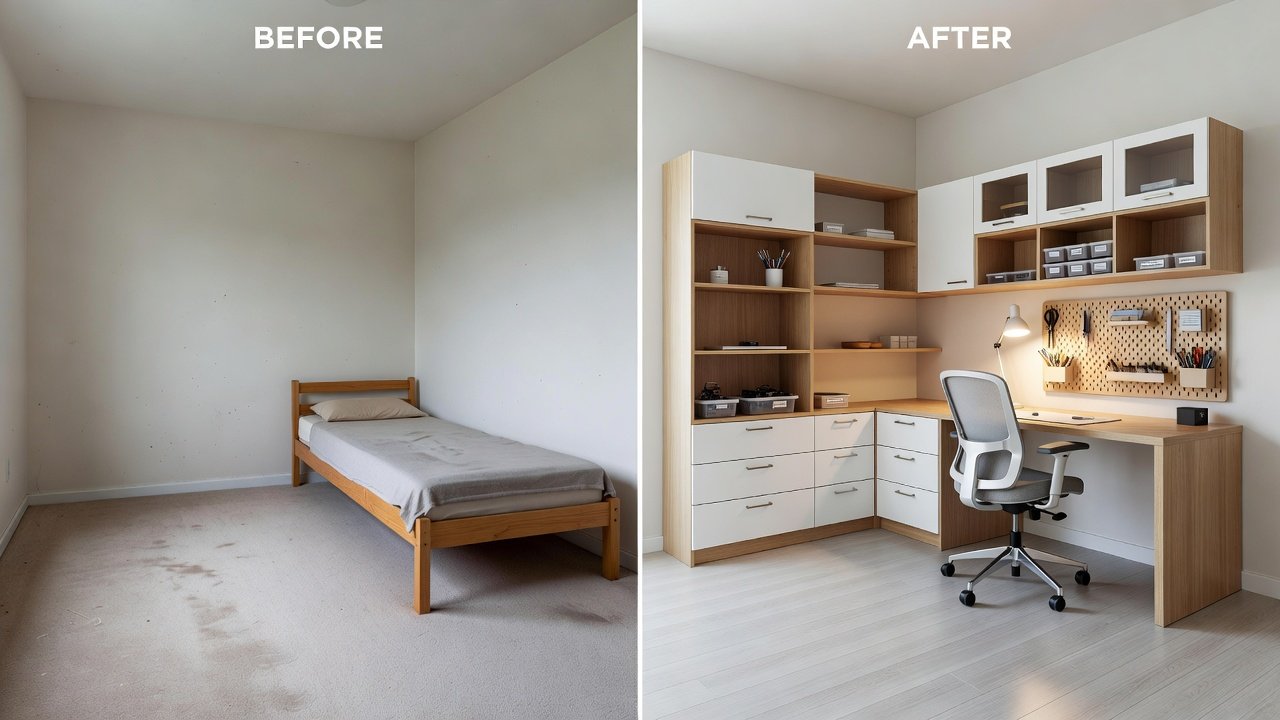
In a typical 12x14 bedroom, the before layout featured only a bed and nightstands, leaving no room for hobbies and creating a cramped feel. After renovation, a compact L-shaped desk unit was added along one wall with overhead storage, creating a dedicated crafting area without sacrificing floor space for movement. The result doubled usable surface area while preserving open pathways.
Another example shows a model-building enthusiast converting closet space into a pull-out workbench with magnetic tool strips and clear bins, resulting in a multifunctional room that feels larger and more organized. A third case involved a painter who installed a slim rolling cart system beside the bed that doubles as nightstand storage, complete with a drop-leaf extension for canvases. These transformations demonstrate how small changes yield significant functional gains.
Budget vs Premium Options Comparison
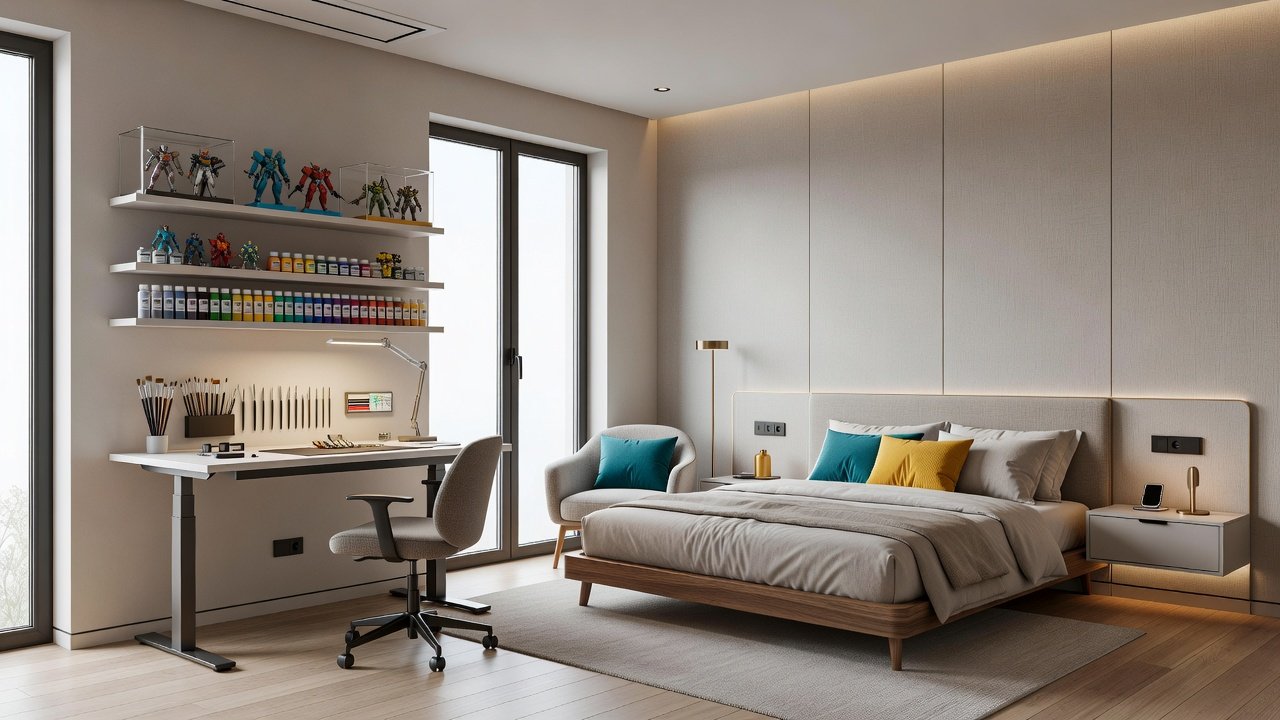
Budget-friendly approaches use prefabricated shelving and basic lighting, focusing on functionality with minimal custom work and readily available components from home improvement stores. These deliver solid results for beginners and can be upgraded later. Premium choices incorporate built-in cabinetry, smart storage solutions with sensors, and high-end finishes like walnut veneers or integrated charging stations that elevate the room's overall design and resale value. Both paths support restful atmospheres when executed with attention to color harmony and noise reduction features such as padded drawer liners.
Maintaining a Restful Atmosphere
Balance hobby elements with calming features like blackout curtains, sound-absorbing panels, and plants that purify air. Choose muted colors for workspace accents and ensure all hobby items can be concealed behind doors or in drawers by bedtime. Incorporate textiles such as washable rugs and throw blankets that soften the space visually. Limit electronic glow from devices with timers or covers, and introduce subtle scents through essential oil diffusers positioned away from work zones. Regular decluttering routines keep the area from feeling overwhelming.
Addressing Challenges Like Lighting and Storage
Lighting challenges are solved with layered systems: overhead ambient lights combined with adjustable task lamps and under-cabinet LEDs that reduce eye strain during detailed work. Position fixtures to avoid glare on screens or wet paints. For storage, vertical solutions and hidden compartments prevent clutter; use labeled bins, pegboards, and pull-out trays tailored to specific items like brushes, miniatures, or fabric rolls. Additional hurdles such as ventilation for fumes or dust control are managed with portable air purifiers and easy-wipe surfaces. Noise from tools can be mitigated with acoustic panels or scheduling quiet hours.
Actionable advice includes using dimmable LEDs and multi-tiered organizers that tuck away supplies efficiently, tested across different room orientations.
Conclusion
Custom hobby workspaces enhance bedroom functionality in 2026 renovations. By following these planning and installation strategies, you achieve a personalized yet tranquil space ready for both creativity and rest, adapting easily as interests evolve.
FAQ
How can I scale hobby ideas for smaller bedrooms?
Focus on vertical storage and multi-functional furniture like wall-mounted fold-down tables to maximize limited square footage while maintaining clear floor paths for movement.
What steps future-proof these upgrades?
Choose modular systems with interchangeable parts, plan for extra electrical outlets in key zones, and select neutral materials that accommodate shifting hobbies over the next decade.
Are there tips for different room sizes?
Larger rooms allow separate zones with dividers and dedicated ventilation, while compact spaces benefit from integrated closet conversions, slim-profile designs, and multi-use nightstands that hide supplies.
How do I choose the right lighting for detailed hobbies?
Combine natural daylight with adjustable color-temperature LEDs that mimic daylight for color accuracy, supplemented by focused spotlights on work areas to reduce shadows.
What common mistakes should be avoided during installation?
Overlooking stud locations, underestimating storage needs, and ignoring cable routing can lead to instability or visual clutter; always prototype layouts first.
No comments yet. Be the first!