 Fixated on Home
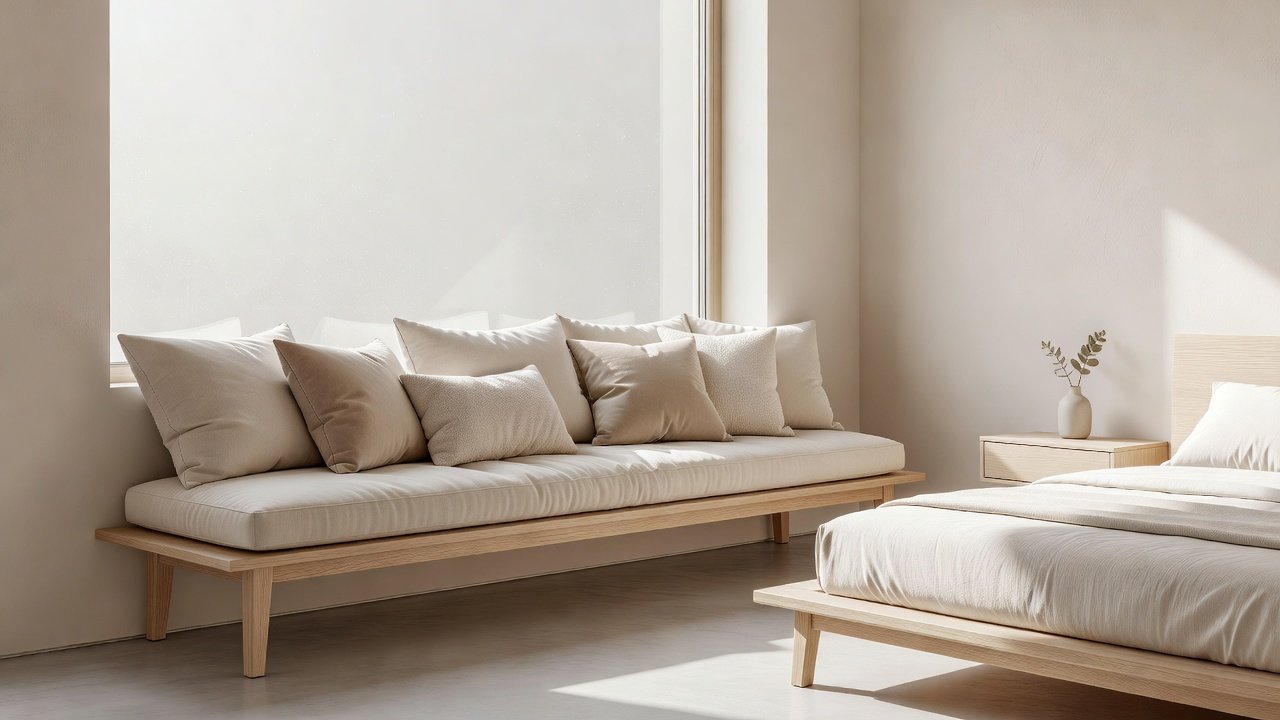
Introduction to Bedroom Window Seats in 2026
Bedroom window seats have become a standout feature in modern home design, offering a perfect blend of comfort, functionality, and aesthetic appeal. As homeowners seek multi-purpose upgrades that maximize space and natural light, these built-in elements stand out as versatile focal points. This guide explores innovative ideas tailored for 2026, focusing on how window seats can transform bedrooms into relaxing retreats while incorporating storage solutions and sustainable materials. Homeowners today prioritize features that serve multiple roles, turning what was once dead space near windows into valuable real estate for seating, storage, and even display areas. The trend emphasizes integration with smart home elements like automated blinds and energy-efficient lighting to enhance daily living.
Whether your room is compact or spacious, a well-designed window seat enhances usability and value. It invites natural light optimization, turning underused areas near windows into cozy nooks for reading or relaxation. In 2026, designs lean toward seamless built-ins that complement minimalist or biophilic aesthetics, drawing inspiration from nature through organic shapes and textures.
Benefits of Integrating Window Seats
Window seats provide more than just seating. They create inviting spaces that encourage relaxation and can improve the overall ambiance of a bedroom by harnessing natural light. Key advantages include added storage for linens or books, increased seating without crowding the floor plan, and a custom look that elevates modern interiors. These features support mental well-being by offering a dedicated spot for quiet reflection away from screens and daily stressors. In smaller homes, they help reduce clutter by hiding belongings, while in larger spaces they define zones within open layouts.
Additional benefits include improved property value through thoughtful renovations that appeal to buyers seeking functional luxury. Window seats also promote better posture and comfort during activities like journaling or enjoying views. They align with trends toward sustainable and multi-functional design, helping homeowners achieve cozy yet practical upgrades that adapt to changing needs over time.
Material Selections for Durability and Style
Choosing the right materials is essential for longevity and visual impact. Sustainable woods like oak or bamboo offer eco-friendly options that resist wear while adding warmth. For cushions, opt for high-density foam with removable, washable covers in neutral tones or textured fabrics that complement modern palettes. Built-in cushions should prioritize comfort with layered padding and moisture-resistant fabrics suitable for varying climates.
Consider finishes such as matte stains for woods to highlight natural grain or painted options for a crisp contemporary feel. Hardware like soft-close hinges on storage compartments adds a premium touch. Ikea provides accessible examples of sustainable material pairings suitable for custom builds. When selecting upholstery, think about durability ratings and ease of cleaning, especially in homes with pets or children. Layering textiles like throws and pillows allows seasonal updates without major changes.
Comparing Wood Types and Cushion Options
Oak delivers strength and classic appeal but requires periodic sealing, while bamboo grows quickly and offers a lighter color palette. Cushion fills range from memory foam for contour support to down alternatives for hypoallergenic properties. Always test samples in your lighting to ensure colors harmonize with existing decor.
Layout Tips for Various Room Sizes
Room dimensions dictate the ideal window seat configuration. In smaller bedrooms, a slim bench-style seat with under-seat drawers maximizes floor space. Larger rooms allow for L-shaped designs or extended benches that double as daybeds. Always account for window sill height to avoid awkward proportions and ensure the seat depth allows comfortable leg extension.
- Measure window height and width first to ensure proportional fit.
- Position seating to capture morning light without blocking airflow.
- Incorporate side tables or integrated lighting for added functionality.
- Use vertical elements like built-in bookshelves flanking the seat to draw the eye upward in low-ceiling rooms.
- In narrow spaces, opt for floating designs that free up floor area below.
These strategies help balance aesthetics with practicality across different layouts, creating harmonious flow from the bed to the window area.
DIY Versus Professional Installation Comparison
DIY projects appeal to those with basic carpentry skills, involving pre-cut kits and simple assembly for basic benches. However, professional installation ensures precise measurements, electrical integration for lighting, and compliance with building codes. Professionals often deliver superior finishes and warranties, making them preferable for complex designs involving custom storage or structural changes.
Common DIY mistakes include underestimating load-bearing needs or skipping proper ventilation for wood expansion. Professionals bring specialized tools and experience with tricky window angles or uneven floors. Weigh your available time, tools, and comfort with power tools before choosing. Many homeowners start with DIY for simple cushions and upgrade to pros for the frame.
Houzz offers inspiration galleries comparing both approaches with real homeowner projects.
Step-by-Step Renovation Examples
Begin with planning: sketch layouts and select materials. Next, prepare the space by removing existing trim and framing the bench base. Install the structure, add storage features, then finish with cushions and paint. Final steps include sealing wood and testing stability. For a basic DIY version, source pre-fabricated brackets and focus on cushion construction using plywood and foam. Professional routes often include site visits for 3D modeling to preview the finished look.
One detailed example involves transforming a standard bedroom alcove into a storage-rich seat over a weekend for DIY enthusiasts, starting with measuring twice, cutting once, and assembling modular units. A full professional overhaul might span several days with custom milling, wiring for USB ports, and final styling consultations.
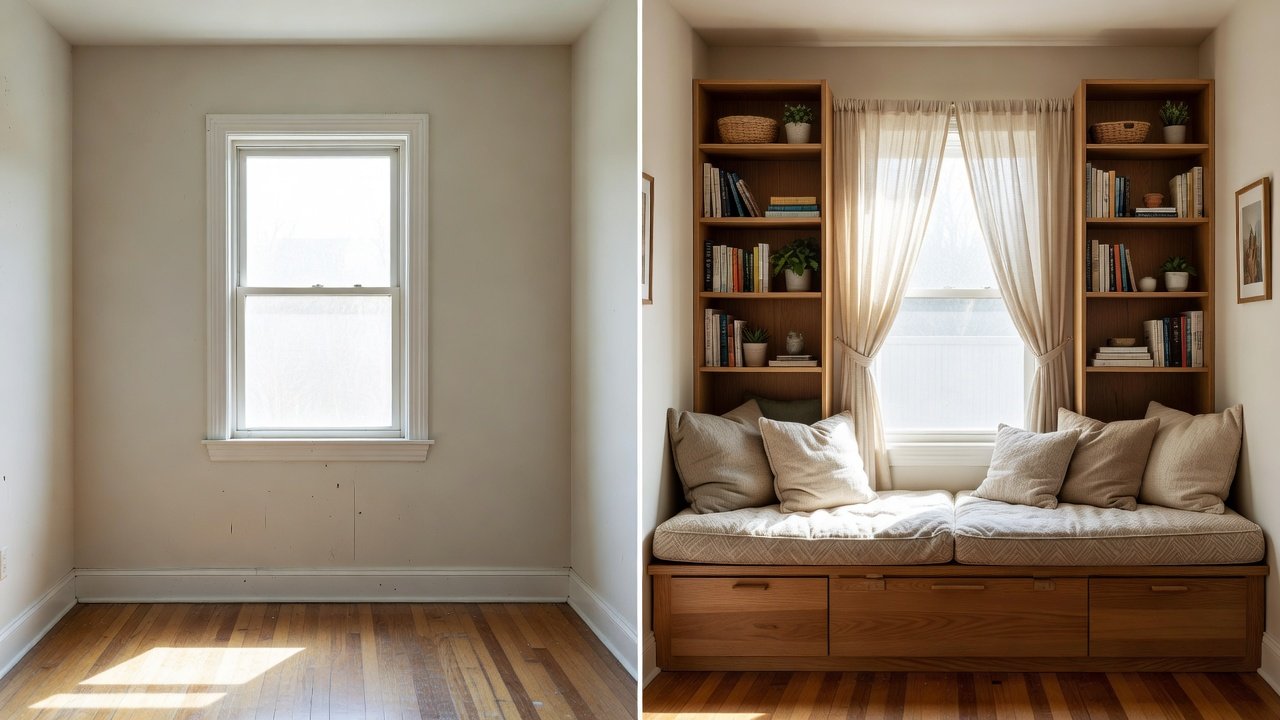
Before-and-After Case Studies
Consider a compact urban bedroom where a simple window bench replaced cluttered shelving. The result: improved light flow and a serene reading spot that feels expansive. Another case featured a master suite where a professional team added a window seat with hidden compartments, turning a plain wall into a luxurious focal point that boosted the room's modern appeal. These transformations highlight how window seats solve storage issues while enhancing natural light and comfort. In one suburban home, adding a window seat with integrated planters brought biophilic elements indoors, creating a year-round connection to the outdoors.
Optimizing Natural Light and Sustainability
Strategic placement of window seats can amplify daylight penetration, reducing reliance on artificial lighting during daytime hours. Use light-colored fabrics and reflective surfaces to bounce light deeper into the room. Energy.gov resources emphasize how such features support energy efficiency in residential design. Incorporate sheer curtains or motorized shades that preserve views while controlling glare.
Conclusion
Embracing bedroom window seat ideas for 2026 delivers timeless upgrades that combine style, utility, and sustainability. By focusing on thoughtful materials, tailored layouts, and the right installation approach, homeowners can create spaces that feel both contemporary and inviting. Explore these concepts to elevate your next renovation project with features that enhance daily life and long-term home value.
No comments yet. Be the first!