 Fixated on Home
Introduction to 2026 Living Room Style Trends
Homeowners in 2026 face a clear choice between the clean lines of Scandinavian design and the rich, layered energy of Bohemian style. This comparison helps you weigh minimalism against eclectic vibrancy when planning living room upgrades. Both approaches remain popular, yet they create very different atmospheres that affect daily comfort and resale appeal. As remote work continues to influence home layouts, many people seek spaces that support relaxation while reflecting personal taste. Scandinavian design draws from Nordic heritage with its focus on light and simplicity, making it ideal for maximizing natural brightness in compact urban apartments. Bohemian style, rooted in artistic and nomadic traditions, brings global influences that foster creativity and warmth. Choosing between them requires examining how each element interacts with your daily routines and the architectural features of your home.
Color Palettes: Light Neutrals vs Rich Layers
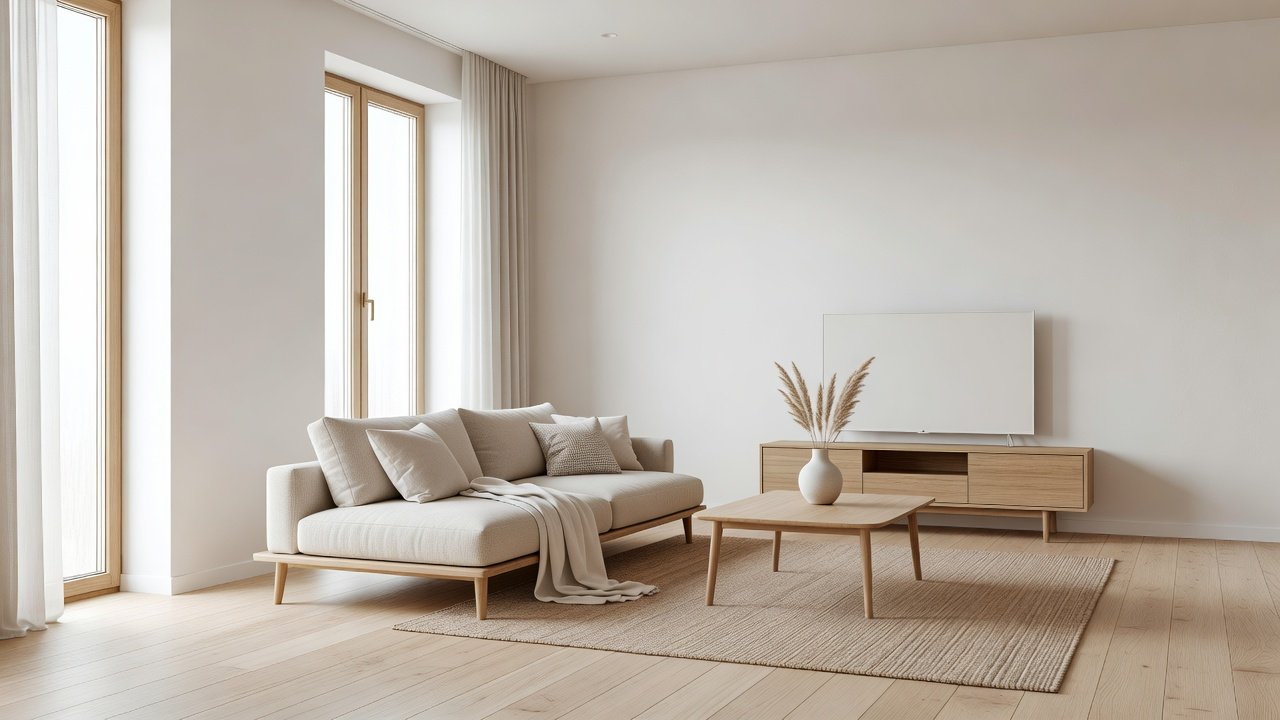
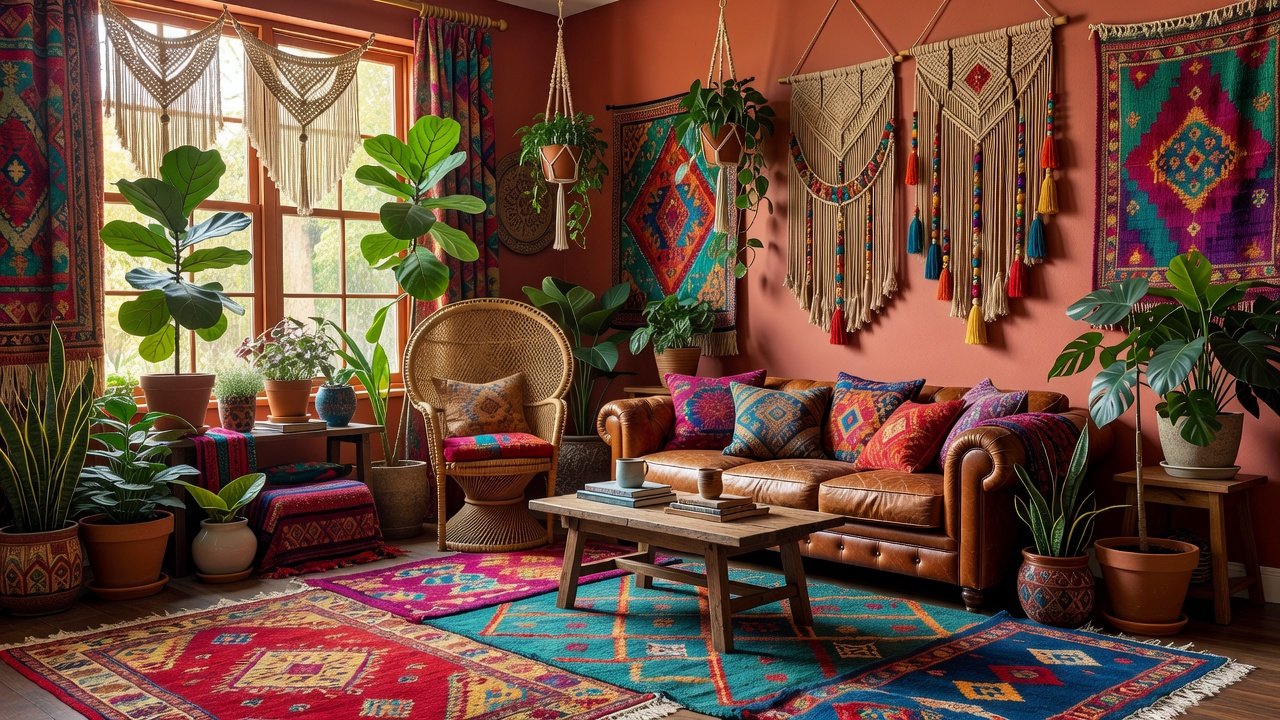
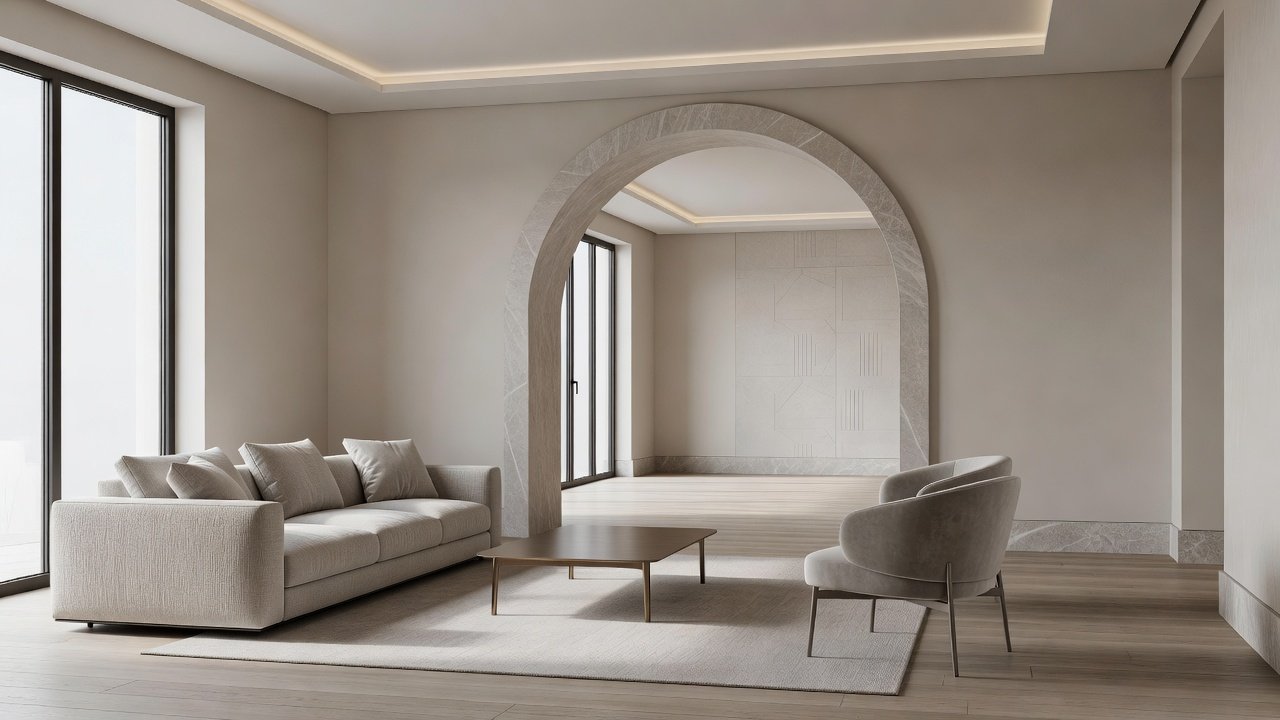
Scandinavian palettes center on soft whites, warm grays, and muted earth tones. These choices reflect light and create an airy feel, especially useful in smaller spaces or northern climates. Accents appear sparingly in soft blues or forest greens. Homeowners often pair these hues with matte finishes on walls to reduce glare from large windows. In practice, a living room facing north might benefit from slightly warmer off-whites to counteract cooler daylight. Bohemian palettes draw from jewel tones such as terracotta, deep teal, mustard, and burgundy. Multiple hues layer together to produce warmth and depth. The result feels collected rather than planned. Layering begins with a base wall color in a soft neutral, then builds through textiles and artwork in bolder shades. This approach allows gradual updates without repainting entire rooms.
Furniture Choices and Layouts
Scandinavian furniture favors clean silhouettes, light woods like birch or oak, and low-profile seating. Pieces serve multiple purposes and leave open floor space. A typical layout includes a simple sofa facing a low coffee table with minimal surrounding clutter. Consider modular sofas that adapt to family gatherings or movie nights. Storage ottomans double as seating and hide blankets or games. Bohemian furniture mixes vintage finds, low seating, and oversized floor cushions. Layered rugs define zones while mismatched chairs add personality. The style encourages flexible arrangements that evolve over time. A common setup places a large sectional against one wall with a mix of floor pillows and a low wooden bench serving as both table and display surface. When selecting pieces, measure traffic paths carefully to maintain ease of movement in either style.
Accessory Styles and Textiles
Scandinavian accessories stay restrained. Think linen curtains, wool throws, and ceramic vases in neutral finishes. Storage remains hidden to maintain visual calm. Window treatments often use sheer fabrics that filter light without blocking views. Bohemian accessories overflow with macramé, embroidered pillows, brass lanterns, and plants in varied containers. Textiles from different cultures create tactile richness. 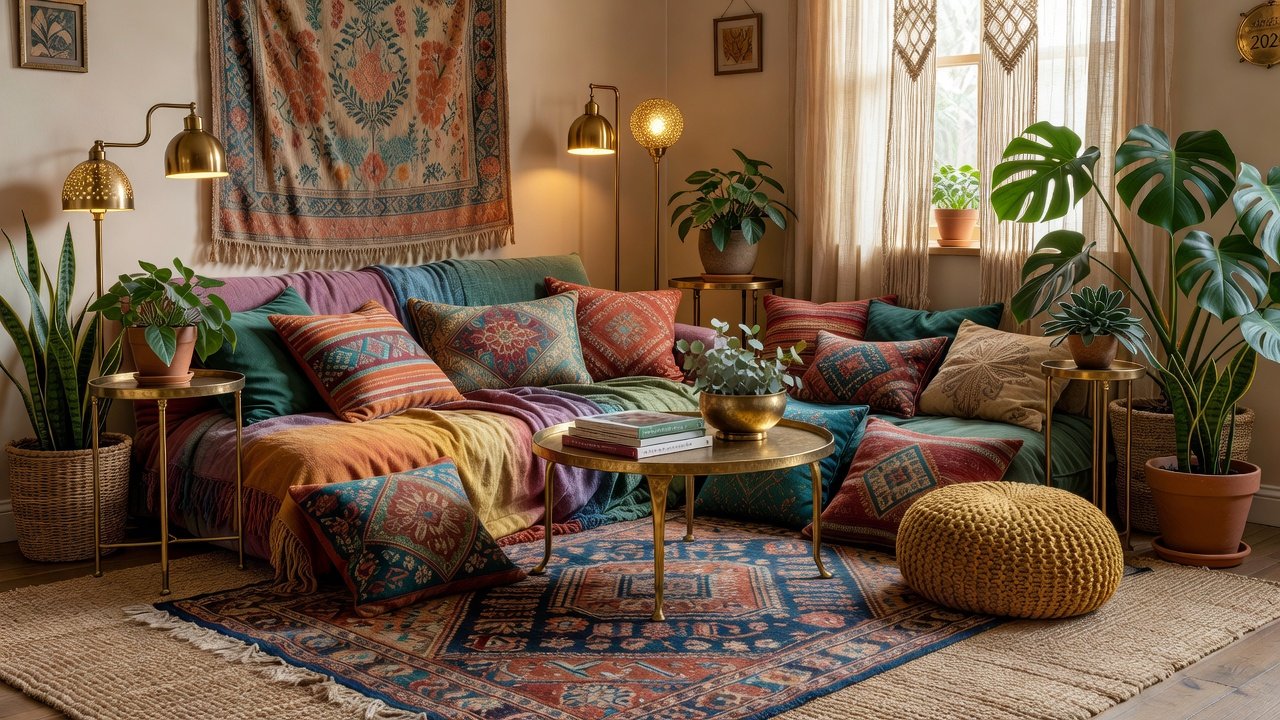
Pros and Cons of Each Style
- Scandinavian pros: Easy maintenance, timeless appeal, supports mental clarity through uncluttered surfaces, promotes better airflow and perceived spaciousness, pairs well with smart home technology that remains discreet.
- Scandinavian cons: Can feel cold if not balanced with texture; limited room for sentimental items; requires careful editing to prevent sterility in larger rooms.
- Bohemian pros: Highly personal, forgiving of imperfections, encourages creativity, allows integration of travel souvenirs, creates inviting environments for social gatherings.
- Bohemian cons: Requires regular editing to avoid clutter; may date faster if trends shift; can feel overwhelming in very small rooms without strategic negative space.
Cost Considerations for Interior Upgrades
Both styles allow budget-conscious updates. Scandinavian projects often focus on quality basics that last many years. Bohemian updates rely more on thrifting and layering existing pieces. Material choices such as sustainable woods or natural fibers influence long-term value in either direction. Factors like sourcing local craftspeople or investing in durable upholstery affect overall investment without needing specific figures.
Blending the Two Styles Successfully
Many homeowners now combine elements. Start with a Scandinavian base of light walls and simple furniture, then introduce Bohemian accents through patterned pillows, a single vintage rug, and curated plants. This hybrid keeps rooms functional while adding personality. Test small changes first, such as swapping one neutral throw for a patterned version. Balance visual weight by ensuring at least half the surfaces remain relatively clear. Repeat key colors across both style elements to create cohesion. For example, use a single terracotta shade in a Scandinavian ceramic vase alongside a Bohemian throw featuring the same tone.
Real-Home Examples and Implementation Steps
Consider a 2026 project in a suburban home where owners kept pale oak flooring and white walls but added a low daybed with ethnic textiles and hanging planters. The result felt both calm and inviting. Another example involves a city loft that blended styles by anchoring the room with a streamlined Scandinavian sofa while surrounding it with a gallery wall of global textiles and a collection of mismatched side tables. A third case featured a family room where Bohemian rugs defined play zones beneath a minimalist entertainment unit. Practical steps include: assess natural light and room dimensions first; select a dominant palette that suits your climate; choose three anchor furniture pieces that serve core functions; layer accessories gradually over several weeks while photographing progress; evaluate the space monthly and edit as needed.
Material Recommendations
Scandinavian rooms benefit from oak, linen, and matte ceramics because these materials age gracefully and require minimal upkeep. Bohemian spaces shine with rattan, velvet, and handwoven wool that develop character through use. Both styles support sustainable sourcing when you select certified woods or recycled textiles. Consider durability ratings when choosing upholstery for high-traffic areas.
Decision Flowchart
- Do you prefer open space and easy cleaning? Choose Scandinavian foundations.
- Do you enjoy collecting objects from travels or markets? Lean into Bohemian layering.
- Want both calm and character? Blend with a neutral base plus selective patterns and textures.
- Evaluate after six months and adjust accessories rather than major furniture.
Frequently Asked Questions
How do I avoid style conflicts when mixing elements?
Limit each style to 70 percent of the room and let one dominate. Repeat one color across both styles to unify the look. Introduce transitional pieces such as neutral rugs that bridge the two aesthetics smoothly.
Which style works better for small living rooms?
Scandinavian principles scale well in compact spaces by emphasizing vertical storage and multipurpose furniture. Bohemian works when accessories stay proportional and vertical elements like hanging plants replace floor clutter. Measure carefully before adding layers.
Can I update my room seasonally?
Both styles allow seasonal swaps. Scandinavian rooms change with new throws or candles in different tones. Bohemian rooms rotate textiles and plants more frequently to refresh energy without structural changes.
What common mistakes should I avoid?
Overcrowding with accessories in Bohemian setups and under-texturing in Scandinavian rooms are frequent pitfalls. Always leave breathing room around key pieces and test arrangements before finalizing.
Conclusion
Scandinavian and Bohemian living room designs each offer distinct benefits for 2026 homes. Evaluate your lifestyle, available light, and personal collections before committing. A thoughtful choice or hybrid creates a space that feels current and deeply comfortable for years ahead. For further inspiration on global design movements, explore resources at Dezeen and ArchDaily.
No comments yet. Be the first!