 Fixated on Home
Introduction to Custom Mosaics in Modern Bathrooms
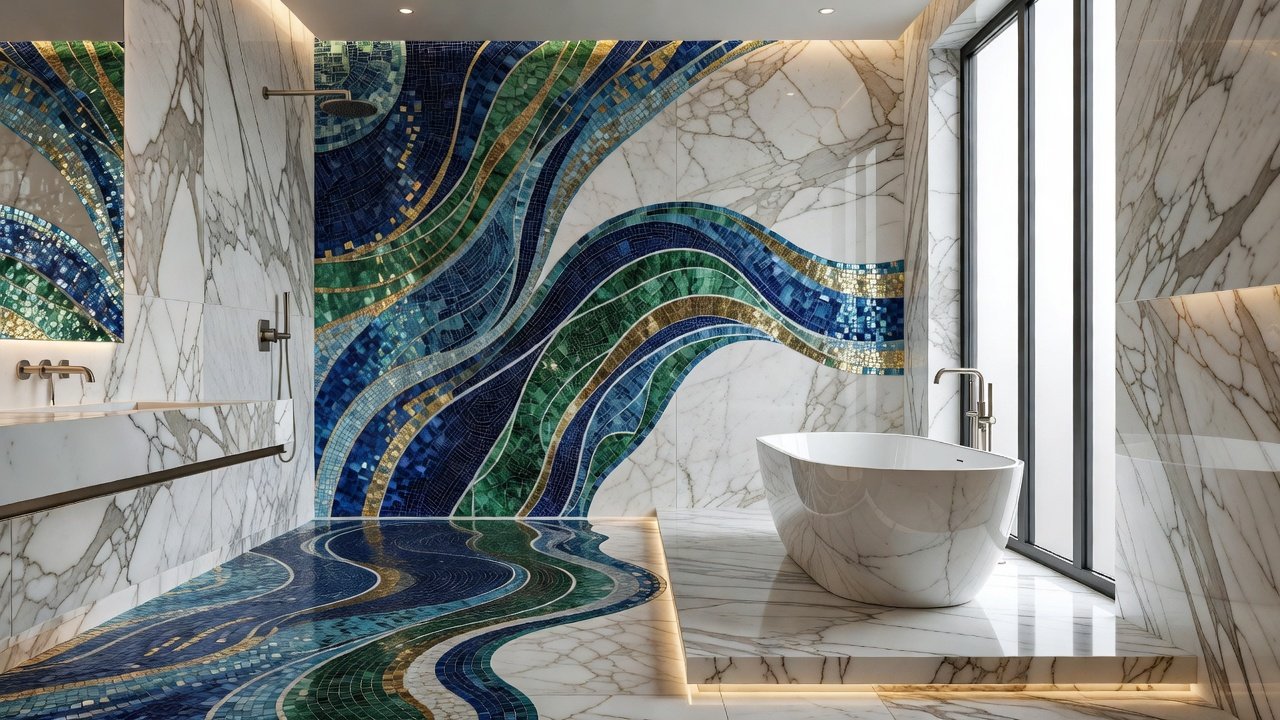
Custom mosaic designs are transforming bathroom interiors in 2026, offering homeowners a unique way to blend artistic expression with practical functionality. Unlike uniform tiles, mosaics allow for intricate patterns, personalized themes, and vibrant colors that elevate any space. This guide explores how to incorporate them into remodeling projects, helping you achieve standout results that last. From selecting the perfect palette to understanding long-term care, every aspect contributes to a successful upgrade that reflects your lifestyle and enhances daily routines in the bathroom.
As trends shift toward sustainable and bespoke home decor, mosaics provide an ideal solution for those seeking individuality. Whether updating a small powder room or a luxurious master bath, these designs can reflect personal style while meeting modern demands for durability and ease of care. Homeowners are increasingly drawn to mosaics because they transform ordinary surfaces into focal points, creating visual interest that standard finishes simply cannot match. The versatility extends to various bathroom zones, including shower surrounds, vanity backsplashes, and even accent flooring that ties the entire room together cohesively.
Why Choose Custom Mosaics for 2026 Upgrades
In 2026, bathroom renovations emphasize personalization and eco-friendly materials. Custom mosaics stand out by enabling homeowners to create one-of-a-kind feature walls, shower niches, or floor accents. They offer superior versatility compared to standard options, allowing seamless integration of textures and motifs inspired by nature, geometry, or cultural art. This approach aligns with broader design movements that prioritize wellness and individuality, making the bathroom a true sanctuary rather than a purely utilitarian space.
Real-world examples from contemporary homes show mosaics enhancing spa-like atmospheres. For instance, a coastal residence might feature wave-patterned glass mosaics in the shower, creating a calming effect that standard tiles cannot replicate. In urban lofts, geometric stone mosaics add sophistication and depth, while family homes often incorporate playful color combinations that withstand daily use. These choices not only boost aesthetic appeal but also support better resale value by demonstrating thoughtful craftsmanship and attention to detail.
Selecting the Right Materials
Material choice is crucial for longevity and aesthetics. Popular options include glass for its reflective quality and resistance to moisture, ceramic for affordability and color variety, and natural stone like marble for timeless elegance. Glass mosaics excel in wet areas because they do not absorb water, making them perfect for steam showers. Ceramic offers a wide range of finishes, from matte to glossy, and can be easily customized during production. Natural stone brings organic warmth but requires sealing to protect against stains and etching.
Consider factors such as slip resistance for floors and compatibility with underfloor heating systems common in 2026 designs. Always verify that materials meet industry standards for water absorption and chemical resistance. Collaborating early with suppliers ensures access to custom-cut pieces tailored to your layout. Inspiration can also come from renowned collections, such as those preserved at the Metropolitan Museum of Art, where historical mosaic techniques inform modern applications. Additionally, resources from institutions like the Smithsonian highlight sustainable material innovations relevant to contemporary renovations.
Collaborating with Designers and Professionals
Working with experienced interior designers and mosaic artists is key to success. Start by sharing inspiration images and measurements during initial consultations. Professionals can translate ideas into detailed renderings, accounting for grout lines, lighting effects, and integration with existing fixtures. Effective collaboration involves multiple rounds of feedback to refine patterns, ensuring the final design harmonizes with plumbing, electrical, and cabinetry elements.
Many firms now use advanced software for virtual previews, helping avoid costly revisions later. Seek creators familiar with current trends, such as incorporating recycled elements for sustainability. Discuss practical considerations like lead times for custom fabrication and how the mosaic will interact with other materials in the room. This partnership ultimately results in a cohesive project where artistic vision meets technical precision.
Step-by-Step Installation Process
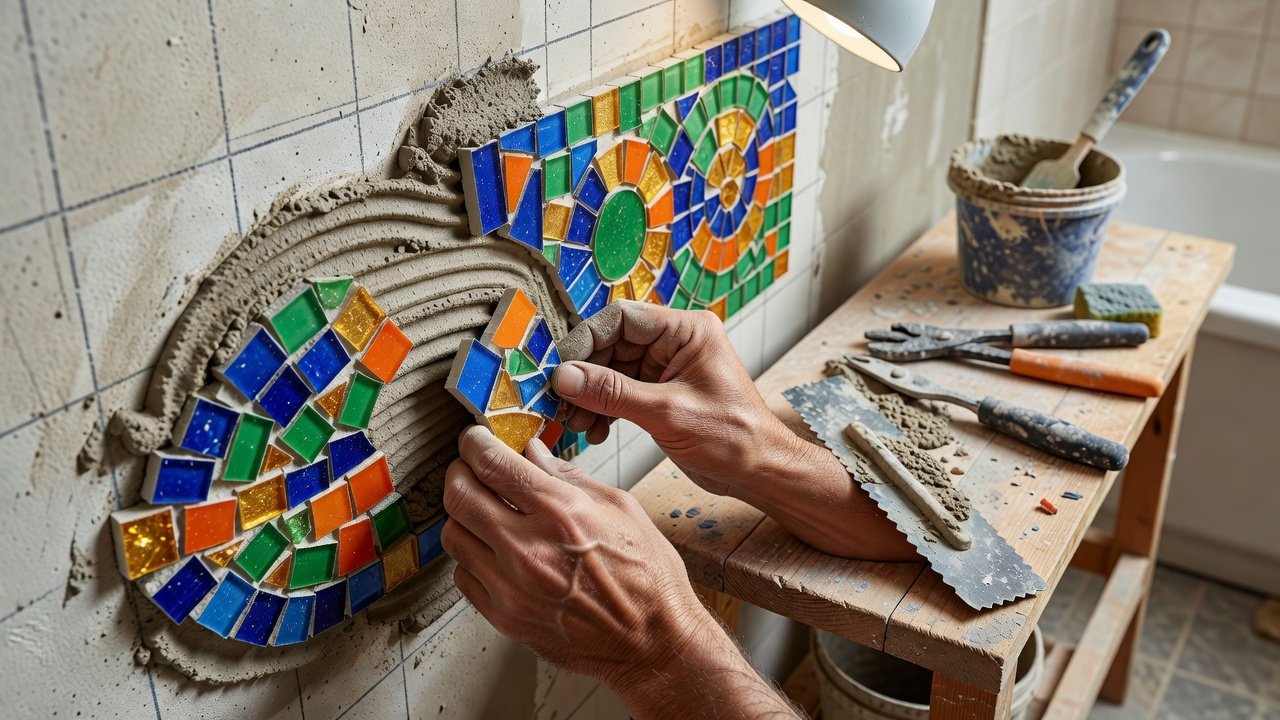
Proper installation ensures your mosaic investment endures. Begin with surface preparation: clean and level the substrate, then apply waterproofing membranes in wet zones. This foundational step prevents future issues like mold or cracking. Measure twice and mark layout lines to guide placement accurately.
Next, lay out the design on a flat surface to plan cuts. Use thinset mortar for adhesion, pressing tiles firmly while maintaining consistent spacing. Work in small sections to prevent the mortar from drying prematurely. Allow curing time before grouting, and seal porous materials afterward. For complex patterns, consider using pre-mounted sheets that simplify alignment. Professional installers typically complete a standard shower mosaic in two to three days, but complex patterns may require more time. Always hire certified tile setters experienced with custom work to prevent common issues like uneven surfaces. Post-installation, test for leaks and clean excess grout thoroughly to reveal the full beauty of the design.
Comparing Custom Mosaics to Standard Tiling Options
Standard tiles provide simplicity and quick installation, but mosaics deliver artistic depth. Here's a comparison:
- Design Flexibility: Mosaics support intricate patterns; standard tiles are limited to grids.
- Durability: Both can last decades with proper care, though mosaics often use stronger adhesives in high-moisture areas.
- Maintenance: Grout lines in mosaics require occasional sealing, while larger tiles have fewer seams to clean.
- Cost and Time: Mosaics involve higher upfront planning but add unique value to the home.
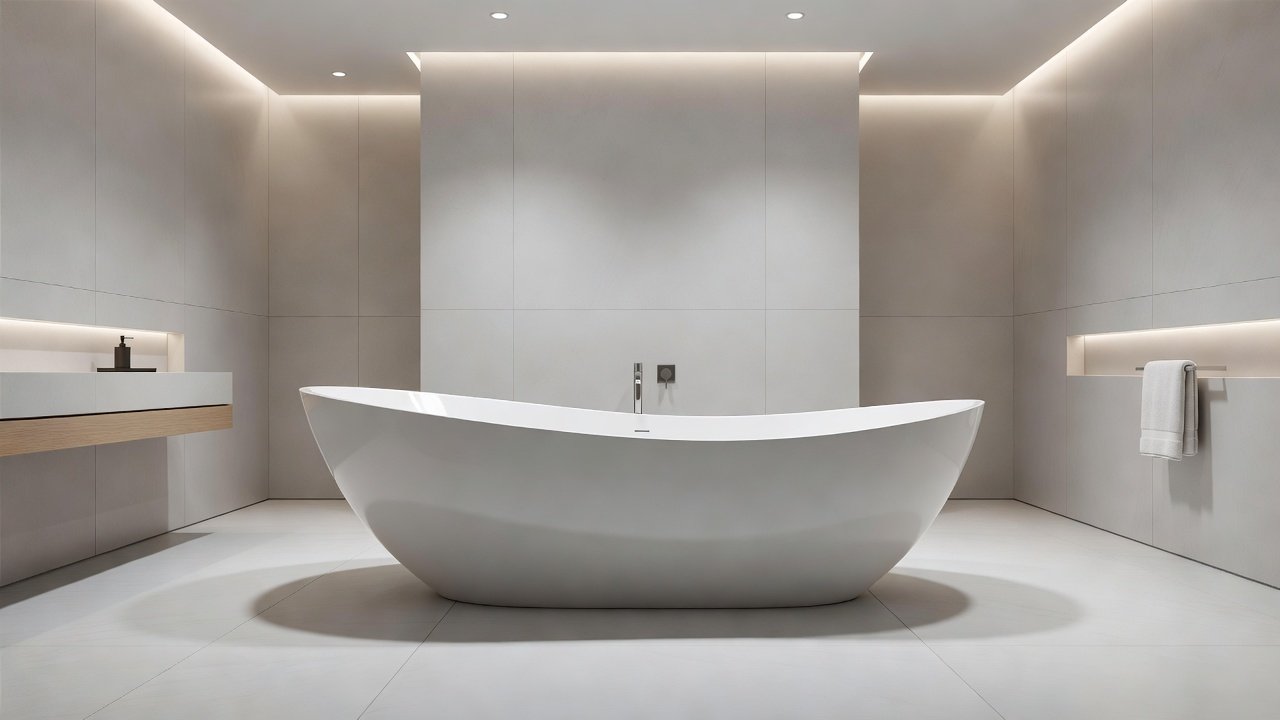
- Visual Impact: Mosaics create dynamic light play and texture, whereas standard tiles offer a more uniform appearance suitable for minimalist styles.
Homeowners often choose mosaics for focal points and standard tiles for expansive areas to balance budget and impact. This hybrid approach maximizes both creativity and efficiency in the overall remodel.
Budgeting Tips and Maintenance Advice
Plan for material variety and professional labor by obtaining multiple quotes. Focus spending on high-visibility areas like vanity backsplashes. For maintenance, use pH-neutral cleaners and avoid abrasive tools to preserve finishes. Regular inspections of grout can prevent water damage over time. Schedule annual deep cleanings and reapply sealants as needed, especially in high-traffic bathrooms. Examples from modern homes demonstrate that well-maintained mosaics retain their appeal for years, boosting property value through distinctive charm. Practical budgeting also involves allocating funds for potential adjustments during installation, such as unexpected substrate repairs.
Real-World Examples from Modern Homes
Across diverse settings, custom mosaics have proven transformative. A suburban family bathroom incorporated pebble-style stone mosaics on the shower floor for natural texture and massage-like comfort underfoot. In a downtown apartment, iridescent glass mosaics behind a floating vanity created a jewel-box effect that complemented sleek fixtures. These cases illustrate how mosaics adapt to different scales and preferences while delivering consistent performance and visual delight.
Frequently Asked Questions
Are custom mosaics durable in humid bathroom environments?
Yes, when installed with quality materials and proper sealing, they withstand moisture effectively for decades.
How do I clean mosaic tiles without damaging them?
Use soft cloths and mild, non-acidic cleaners; avoid harsh chemicals that could etch surfaces.
Can mosaics be combined with smart home features?
Absolutely—integrate them around LED lighting or heated floors for enhanced functionality.
What if I need repairs years later?
Matching custom pieces may require contacting the original fabricator, so keep records of your materials and supplier details.
Conclusion
Custom mosaic designs offer an inspiring path to elevate 2026 bathroom interiors. By focusing on material selection, expert collaboration, and meticulous installation, you can create spaces that are both beautiful and practical. Explore these ideas to transform your remodel into a personal sanctuary that stands the test of time.
No comments yet. Be the first!