 Fixated on Home
Why Go Eco-Friendly with Bathroom Remodeling in 2026?
In 2026, bathroom remodeling is evolving beyond aesthetics to prioritize sustainability. Homeowners are increasingly seeking ways to reduce their environmental footprint while enhancing comfort and style. Eco-friendly upgrades not only conserve resources but also lower utility bills and increase property value. With water scarcity and climate change at the forefront, sustainable choices like recycled materials and energy-efficient fixtures are becoming standard.
According to experts, green renovations can cut water usage by up to 50% and energy consumption significantly. This article dives into top strategies, materials, and tips tailored for environmentally conscious homeowners looking to refresh their space.
Sustainable Materials for a Greener Bathroom
Choosing the right materials is the foundation of an eco-friendly remodel. Opt for products with low embodied energy, recyclability, and minimal chemical emissions.
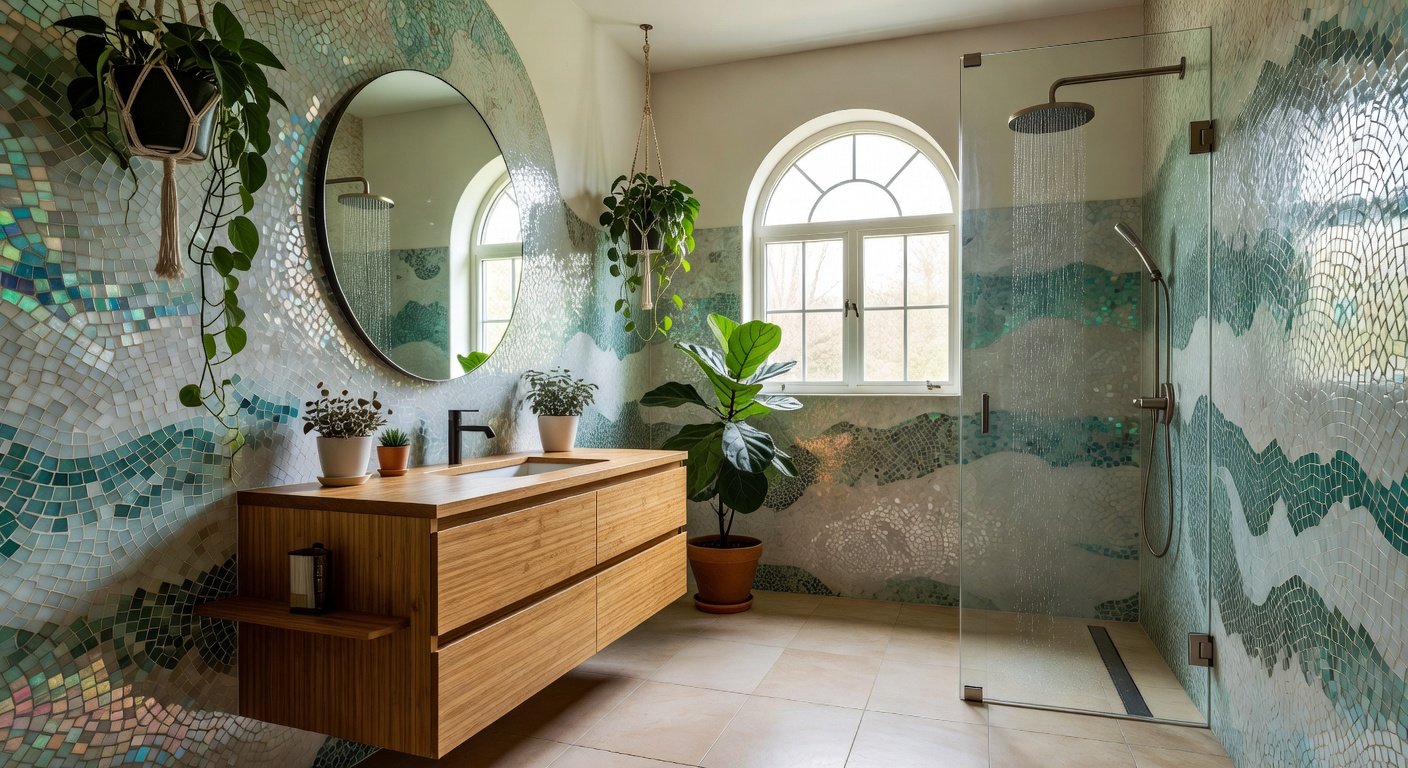
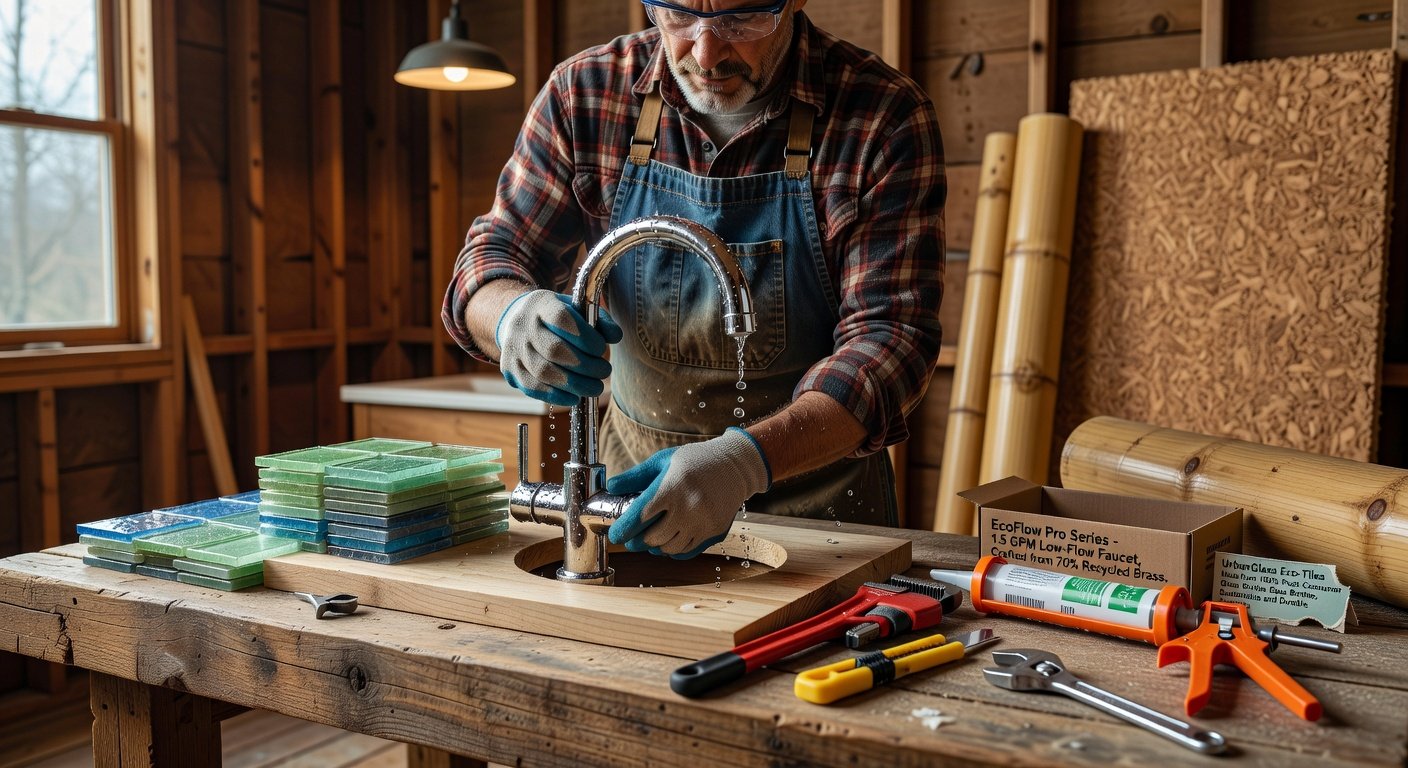
- Recycled Tiles: Made from post-consumer glass, porcelain, or ceramics, these tiles reduce landfill waste. Brands offer recycled glass tiles that mimic marble or stone, adding a luxurious look without environmental harm.
- Bamboo or Reclaimed Wood: Bamboo grows rapidly and sequesters carbon, making it ideal for vanities and flooring. Reclaimed wood from old barns brings unique character and history to your design.
- Low-VOC Paints and Sealants: These minimize indoor air pollution. Look for certifications like GREENGUARD Gold for healthier air quality.
- Cork Flooring: Harvested renewably, cork is waterproof, comfortable underfoot, and naturally insulating.
Incorporate natural stone like limestone or slate from ethical quarries. For countertops, recycled glass or quartz composites are durable and stunning alternatives to granite.
Low-Flow Fixtures: Saving Water Without Sacrificing Performance
Water-efficient fixtures are a game-changer. In 2026, advanced low-flow toilets, showerheads, and faucets deliver luxury performance while slashing usage.
- Low-Flow Toilets: Dual-flush models use 1.28 gallons per flush (GPF) or less, compared to 3.5-5 GPF in older units. They qualify for rebates in many areas.
- Showerheads and Faucets: Aerating models with 1.5-2.0 GPM (gallons per minute) maintain strong pressure. Smart versions adjust flow based on sensors.
- Tankless Water Heaters: On-demand heating eliminates standby losses, saving energy.
Check the EPA WaterSense program for certified products that meet rigorous efficiency standards.
Installation Tips for DIY and Pro Projects
Proper installation ensures longevity and maximum efficiency. Whether DIY or hiring pros, follow these steps:
- Plan Layout Efficiently: Optimize for natural light and ventilation to reduce artificial lighting needs. Install solar tubes for daylight.
- Insulate Pipes: Wrap hot water lines with foam to prevent heat loss, cutting energy use by 25%.
- Seal Gaps: Use low-VOC caulk around fixtures to prevent leaks and drafts.
- Integrate Greywater Systems: Divert shower water to irrigate plants, requiring simple plumbing reroutes.
For tiles, use thin-set mortar over backer board for stability. Pros recommend leveling compounds for uneven subfloors. Always verify local codes, especially for low-flow installs.
Cost-Saving Benefits of Eco Upgrades
Sustainable remodeling pays off quickly. Initial costs may be 10-20% higher, but savings accumulate:
- Water Bills: Low-flow fixtures save 10,000+ gallons yearly per household, translating to $100-200 annual savings.
- Energy Savings: LED lighting and efficient heaters reduce electricity by 30%.
- Incentives: Tax credits via the Inflation Reduction Act cover up to 30% for qualified upgrades. Check ENERGY STAR for rebates.
- Resale Value: Green homes sell 5-10% faster and higher, per appraisals.
ROI on low-flow toilets: 48 months; showerheads: under a year. Bulk-buy materials or shop salvaged goods for deals.
2026 Trends in Sustainable Bathroom Design
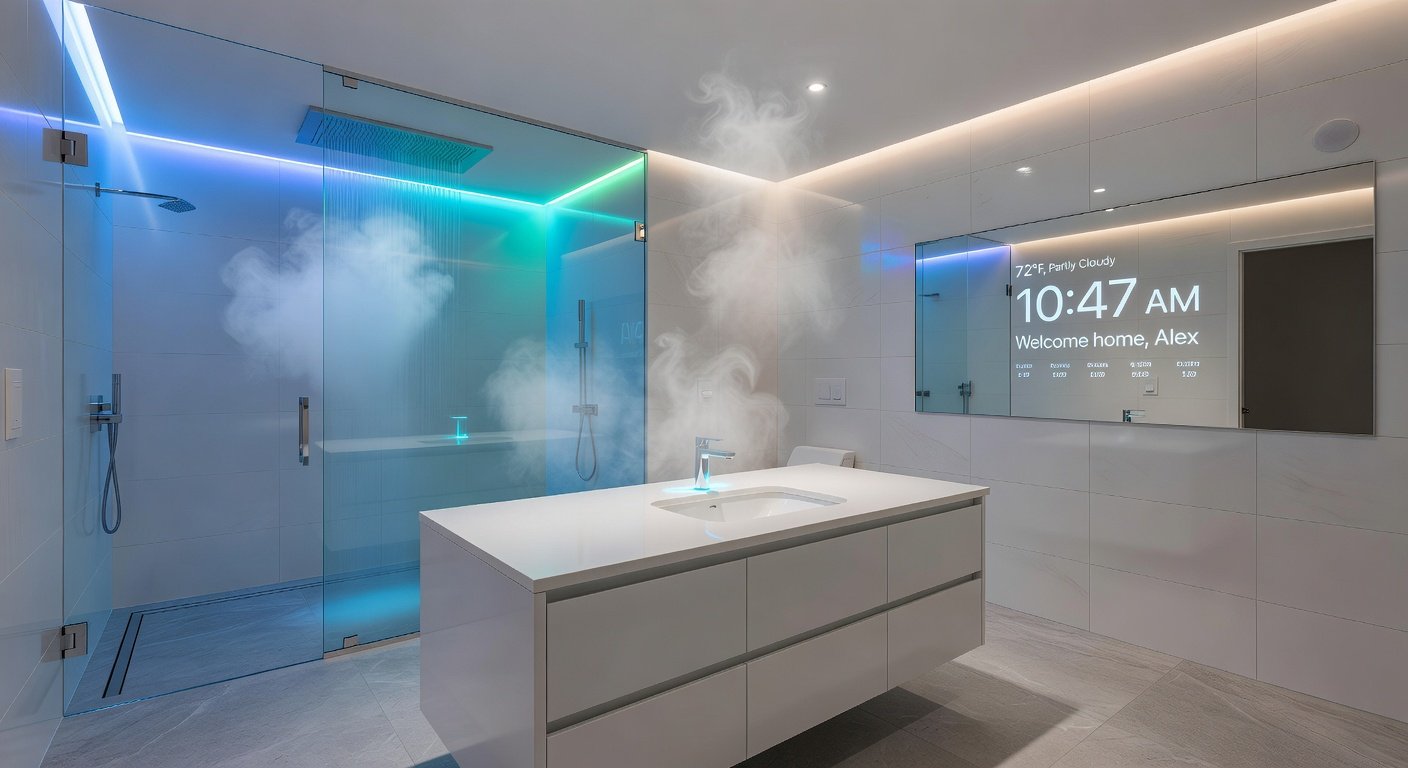
Look ahead: Biophilic design with living walls and native plants purifies air. Smart mirrors with UV sanitizers and app-controlled humidity. Hempcrete walls for insulation. Modular prefab components cut waste by 90%.
Color palettes shift to earth tones: sage green, terracotta, soft blues. Pair with matte black fixtures for contrast. Wellness features like chromotherapy lights and aromatherapy diffusers align with spa-like sustainability.
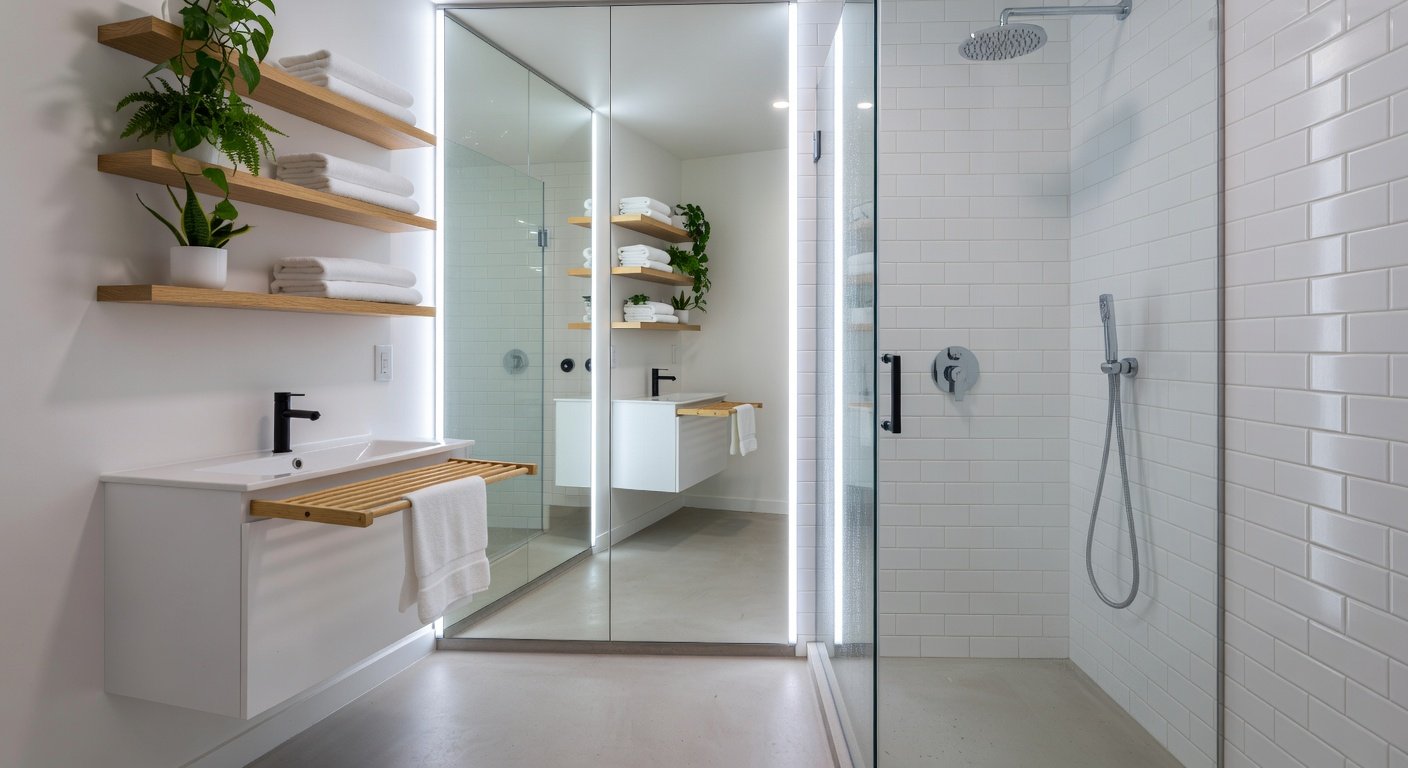
For universal design, curbless showers with slip-resistant recycled tiles improve accessibility without excess water use.
Getting Started: Your Eco-Bathroom Roadmap
Assess your space: Calculate current water use with online tools. Set a budget prioritizing high-impact items like fixtures. Source from certified suppliers via the U.S. Green Building Council.
Consult certified green contractors for complex jobs. Track progress with apps monitoring savings. By 2026, your bathroom will be a sanctuary of style, savings, and sustainability.
Embrace these strategies to remodel responsibly—your home and planet will thank you.
No comments yet. Be the first!