 Fixated on Home
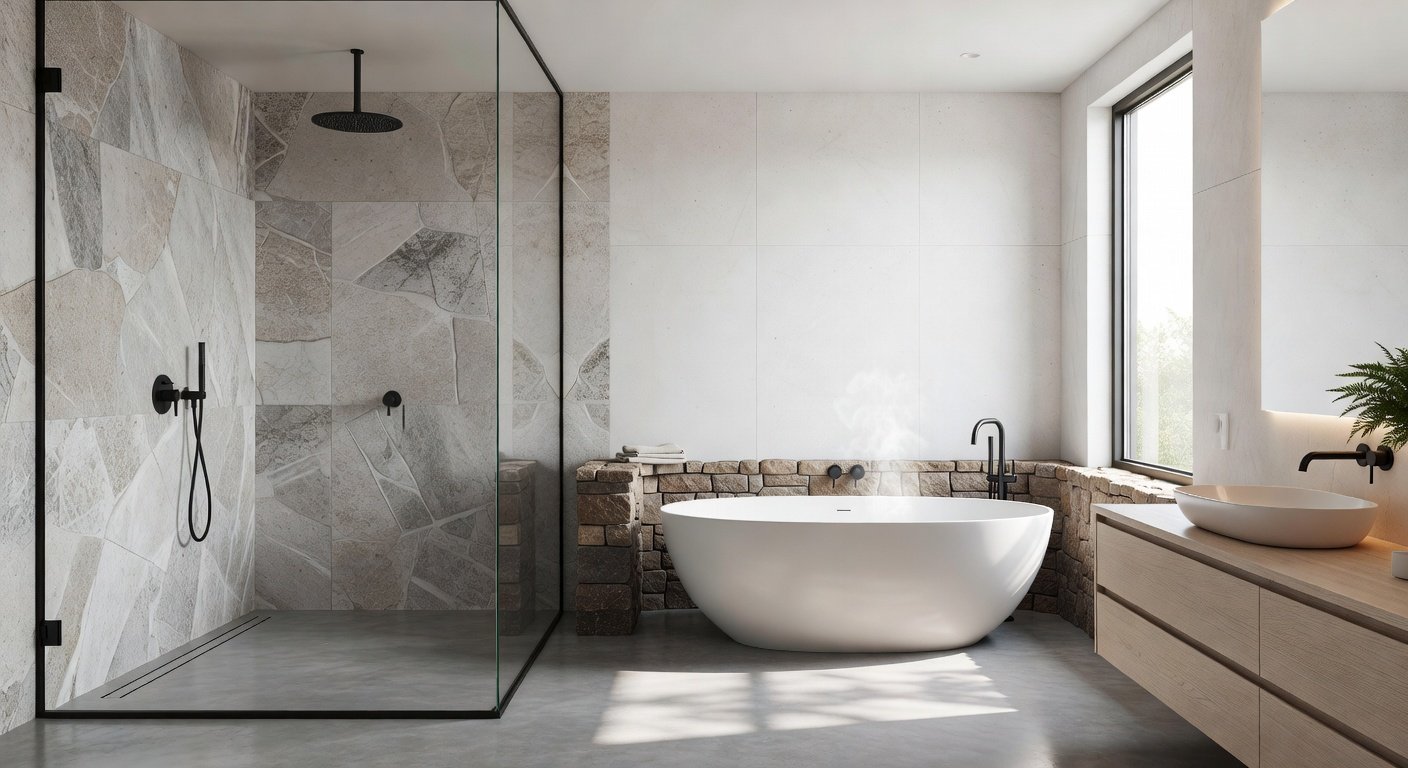
Why Choose Between Walk-In Showers and Tubs in 2026?
As we head into 2026, bathroom remodeling is all about blending functionality, luxury, and sustainability. Homeowners are ditching outdated designs for sleek walk-in showers or timeless tubs. But which is right for your interior upgrade? This guide compares installation costs, space efficiency, and aesthetic appeal, while exploring trendy ideas like matte black fixtures and natural stone surrounds. Whether you're renovating a compact urban condo or a spacious suburban master bath, we'll help you decide with step-by-step tips and real homeowner stories.
Walk-in showers offer a spa-like, open feel with easy access, ideal for aging-in-place designs. Traditional tubs provide deep soaking relief but demand more room. Let's break it down.
Installation Costs: Breaking Down the Numbers
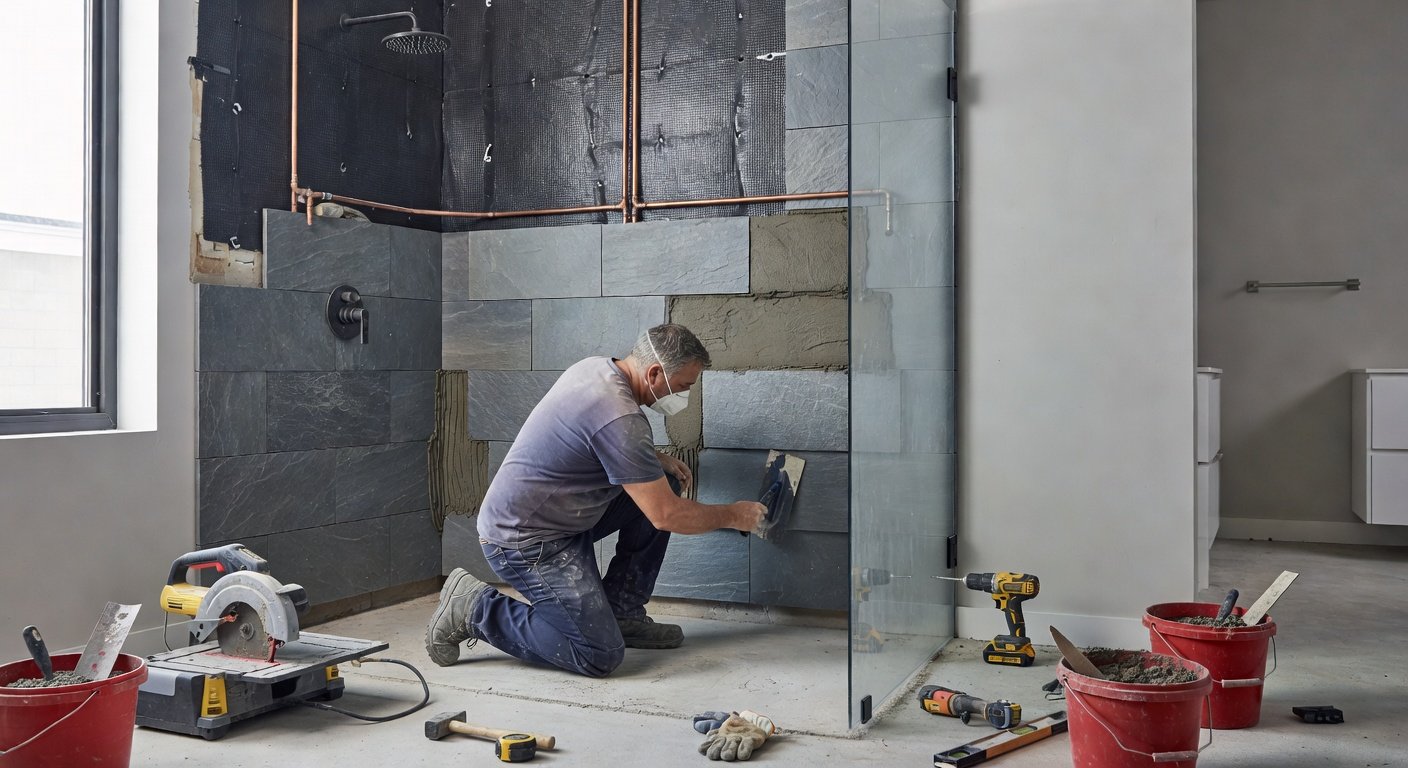
Cost is a top concern for any remodel. According to estimates from Home Depot, a basic walk-in shower installation ranges from $3,000 to $10,000, depending on materials and size. This includes framing, waterproofing, tiling, and fixtures. Curbless designs add $1,000–$2,000 for custom sloping floors to ensure proper drainage.
Traditional tubs are cheaper upfront: $2,500–$8,000. A standard alcove tub with surround costs less, but luxury freestanding models with high-end faucets can hit $12,000+. Factor in plumbing adjustments—tubs often require reinforced floors for weight (up to 500 lbs filled), adding $500–$1,500.
- Walk-in Shower Savings: No tub liner needed; neo-angle pans cut labor by 20%.
- Tub Hidden Costs: Demolition of old units ($500+) and potential wall repairs.
- 2026 Trends: Eco-friendly options like low-flow showerheads reduce water bills by 30%, per U.S. Energy Department data from energy.gov.
Pro Tip: Hybrid shower-tub combos ($4,000–$9,000) offer the best of both worlds for undecided homeowners.
Space Efficiency: Maximizing Your Bathroom Layout
Space is premium in modern homes. Walk-in showers shine here, requiring just 36x36 inches minimum versus a tub's 60x32 inches. This frees up 20–30% more floor space for vanities or storage—perfect for powder rooms or en-suites.
Tubs excel in larger bathrooms, creating a focal point. Clawfoot or oval tubs add drama but eat square footage. In tight spaces, drop-in tubs save inches but complicate cleaning.
| Feature | Walk-In Shower | Traditional Tub |
|---|---|---|
| Min. Size | 36 sq ft | 60 sq ft |
| Accessibility | Excellent (no step) | Moderate (high sides) |
| Storage Potential | High (niche shelves) | Low (surround limits) |
For 2026 remodels, linear drains in showers allow wall-to-wall glass, enhancing openness. Tubs pair well with floating vanities to offset bulk.
Aesthetic Appeal: Modern Decor Integration
Aesthetics elevate your bathroom from functional to fabulous. Walk-in showers embrace minimalism: frameless glass doors, matte black fixtures, and natural stone surrounds like marble or quartzite create a resort vibe. Pair with brass hardware for contrast against white subway tiles.
Tubs ooze indulgence—think deep soakers with waterfall faucets amid veined stone decks. Integrate matte black rain showerheads over tubs for versatility.
2026 Trends:
- Matte Black Fixtures: Sleek, fingerprint-resistant; brands like Kohler lead the way.
- Natural Stone Surrounds: Limestone or travertine for texture; seal properly to prevent stains.
- Blended Ideas: Shower-tub niches with LED-lit shelves, fluted glass panels, and green walls for biophilic design.
Check This Old House for inspiring visuals on these combos.
Step-by-Step Selection Tips
Ready to choose? Follow this guide:
- Assess Space: Measure twice; use apps like RoomSketcher for 3D mockups.
- Set Budget: Allocate 40% to materials, 30% labor, 20% fixtures, 10% contingencies.
- Prioritize Needs: Aging family? Go shower. Relaxation seeker? Tub.
- Select Materials: Porcelain tiles for showers (slip-resistant); acrylic tubs for heat retention.
- Hire Pros: Verify licenses; get 3 quotes. DIY demo only if experienced.
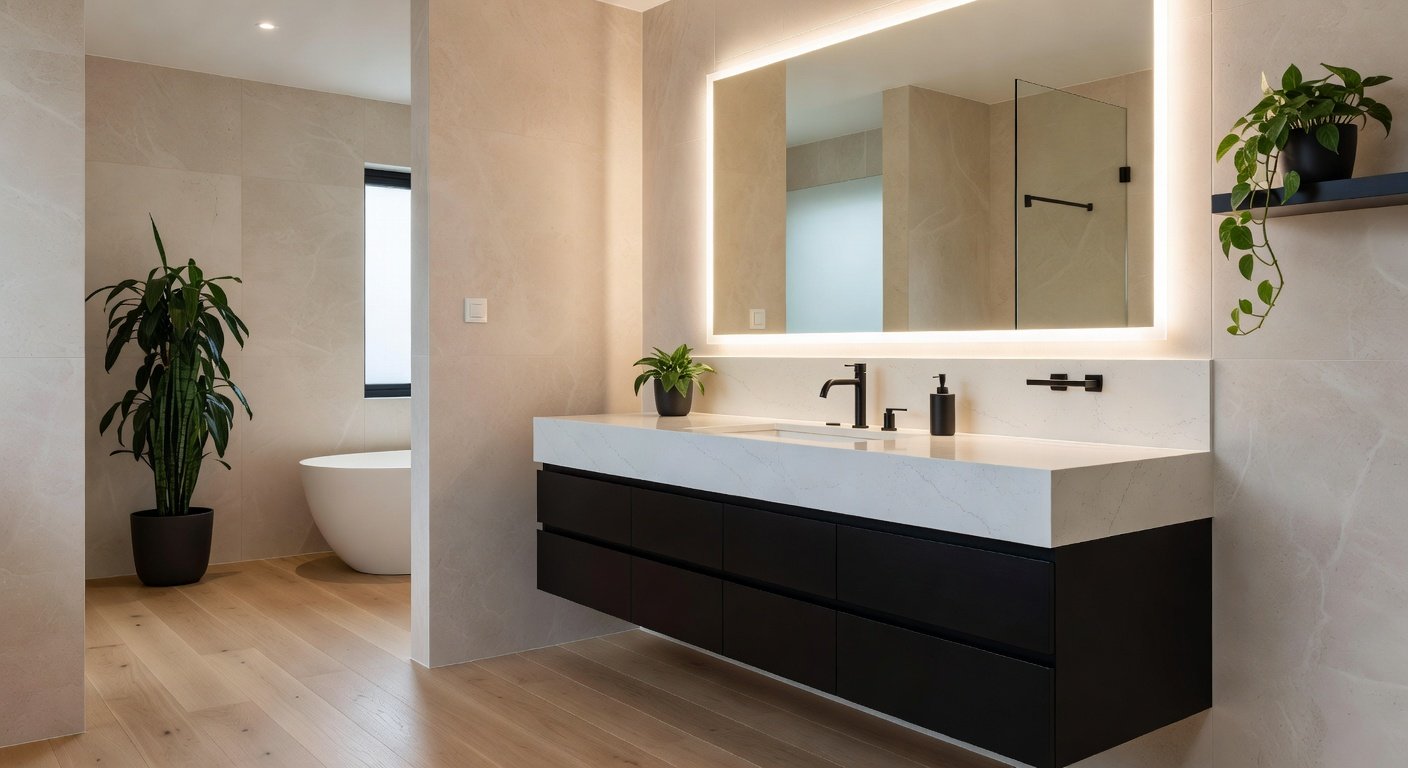
- Incorporate Trends: Matte black + stone = timeless. Add smart mirrors for tech appeal.
- Final Check: Ventilation, lighting, and waterproofing—non-negotiables.
Real Homeowner Case Studies
Case Study 1: Sarah's Compact City Remodel
Sarah, a NYC renter-turned-owner, swapped her 5x8 tub for a 40x40 walk-in shower. Cost: $7,500. Space gained: Added a double vanity. Aesthetic: Matte black Delta faucet, Calacatta quartz walls. Result: "Feels twice as big; daily spa sessions!"
Case Study 2: Mike & Lisa's Master Suite Upgrade
In suburban Denver, they kept the tub but added a 48-inch walk-in shower. Total: $15,000. Features: Natural stone surround, freestanding tub. "Blending both was perfect—romantic soaks and quick showers," Mike shares.
Case Study 3: Retiree Tom's Accessible Oasis
Tom installed a curbless shower with grab bars ($9,000). No tub needed. Matte black fixtures pop against pebble tile. "Safe, stylish, and zero regrets," he says.
Final Thoughts: Your Perfect 2026 Bath Awaits
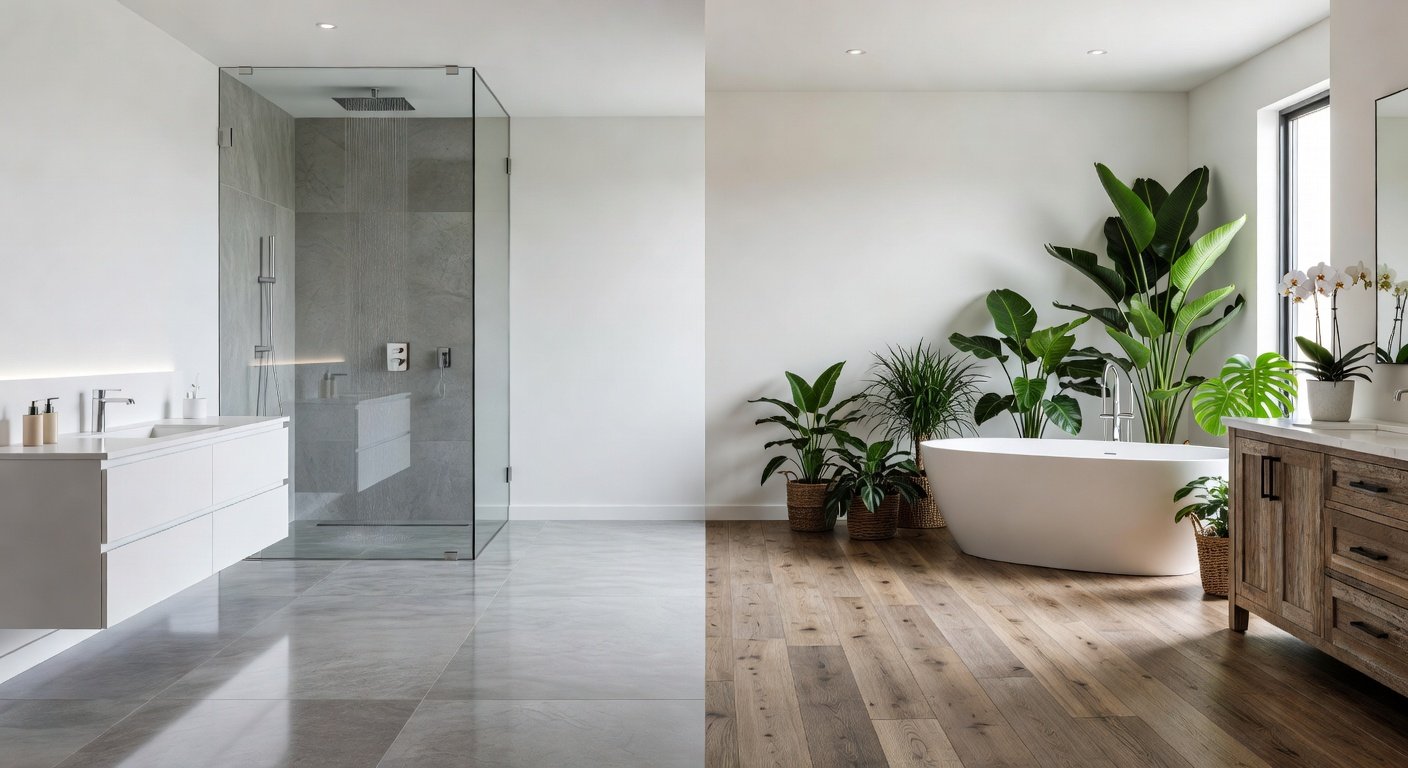
Walk-in showers edge out for efficiency and modernity, but tubs win for luxury. Hybrids bridge the gap. With rising material costs, plan now for 2026 savings. Consult local pros and visualize your dream—your remodel could transform daily routines into rituals.
No comments yet. Be the first!