 Fixated on Home
Why Choose the Right Bathroom Flooring in 2026?
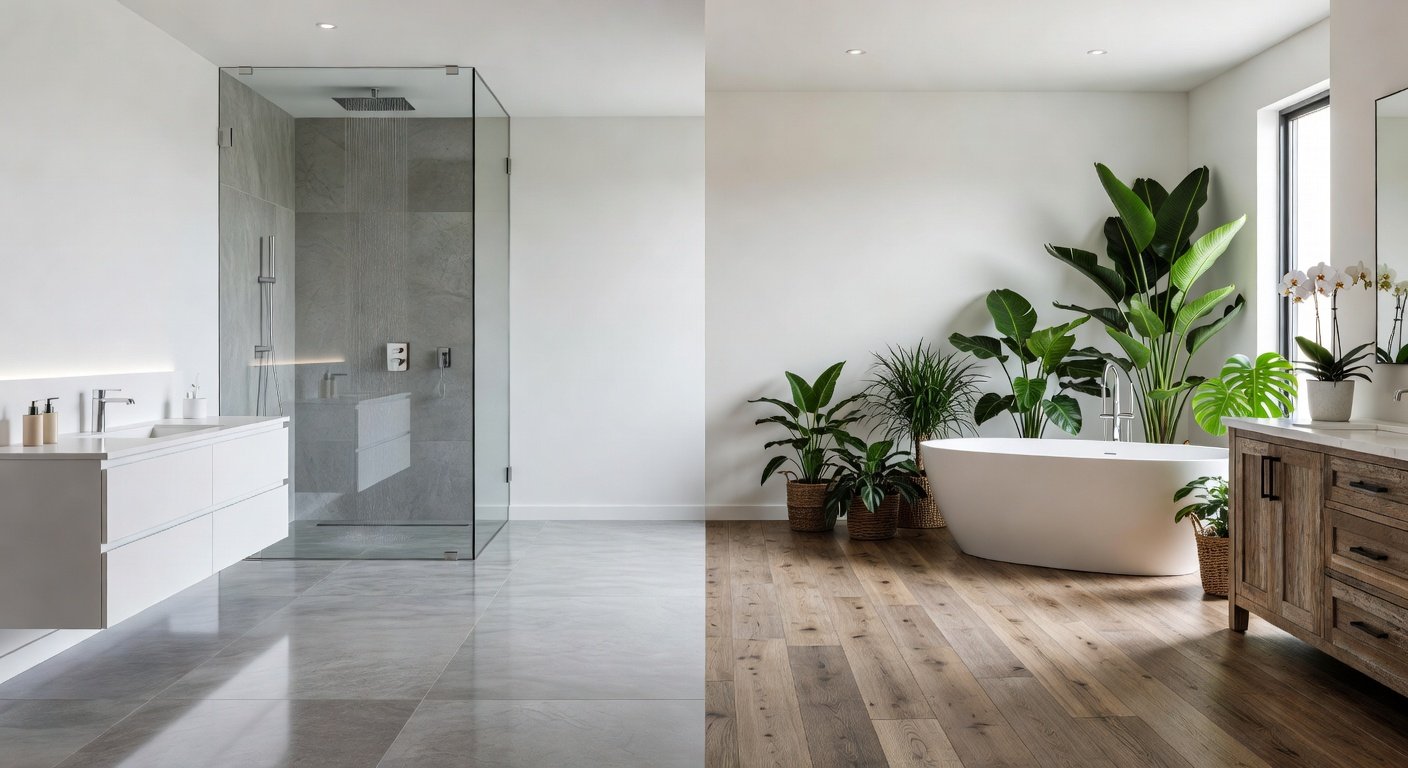
Bathroom remodels are booming in 2026, with homeowners prioritizing waterproof, stylish, and low-maintenance floors that withstand daily splashes and heavy foot traffic. Two top contenders dominate the scene: porcelain tile and luxury vinyl plank (LVP). Porcelain tile offers timeless elegance and unmatched durability, while LVP delivers affordable luxury with easy installation. This guide dives deep into their comparison across key factors like durability, slip resistance, installation ease, and maintenance, plus cost breakdowns, style tips, and real-world examples to help you decide for your next interior upgrade.
Whether you're going for a spa-like retreat or a minimalist modern vibe, understanding these options ensures your flooring choice elevates the entire bathroom renovation. Let's break it down.
Durability Showdown: Tile vs LVP
Durability is non-negotiable in bathrooms, where moisture, humidity, and wear are constant. Porcelain tile, made from refined clay fired at high temperatures, scores highest here. It's denser and harder than ceramic tile, resisting chips, cracks, and scratches even under heavy use. Rated by PEI (Porcelain Enamel Institute) from 0-5, choose Class 3+ for bathrooms to handle moderate traffic.
LVP, constructed from multiple vinyl layers including a wear layer for protection, holds up impressively against water and impacts but can dent under extreme pressure like dropped heavy objects. High-quality LVP with thick wear layers (20-30 mil) mimics tile's resilience, often lasting 15-25 years with proper care.
- Porcelain Tile Pros: Virtually indestructible; won't fade or warp.
- Porcelain Tile Cons: Can crack if subfloor shifts; grout lines prone to staining.
- LVP Pros: Flexible, absorbs impacts; 100% waterproof core.
- LVP Cons: Wear layer can scratch over time; not as rigid for high heels.
For families with kids or pets, porcelain edges out, but LVP shines in rentals or quick flips. Check out durability testing standards at the This Old House resource hub.
Slip Resistance: Safety First in Wet Zones
Slippery floors cause thousands of injuries yearly, making slip resistance critical. Porcelain tile's textured surfaces or matte finishes achieve high coefficients of friction (COF >0.6 for wet areas per ANSI standards). Additives like silica sand in the glaze boost grip without sacrificing looks.
LVP often incorporates embossed textures mimicking stone or wood, with many products certified for wet slip resistance (e.g., R10+ rating). Its softer surface provides natural traction, ideal for showers and around tubs.
| Material | Wet COF | Best For |
|---|---|---|
| Porcelain Tile | 0.6-0.8+ | High-traffic public baths |
| LVP | 0.5-0.7 | Family homes, elders |
Pro Tip: Test samples wet and dry. Both outperform dated linoleum, but pair with bath mats for extra safety.
Installation Ease: DIY-Friendly or Pro Job?
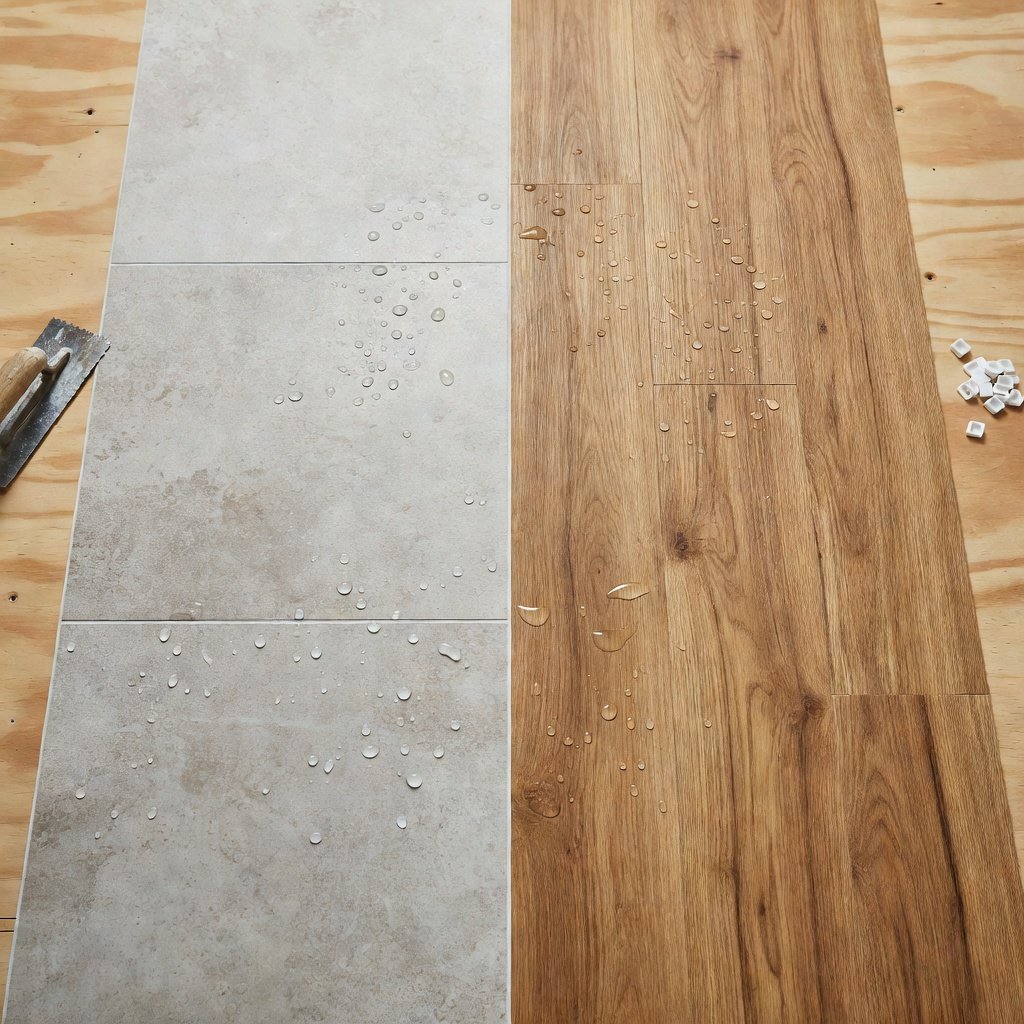
2026 trends favor quicker remodels, so installation matters. Porcelain tile demands precision: level subfloor, thinset mortar, grout, and 24-48 hour curing. Expect 2-3 days for a 100 sq ft bath, plus tools like wet saws ($100+ rental).
- Prep subfloor (flat within 1/8" over 10 ft).
- Apply thinset with notched trowel.
- Lay tiles with 1/8" spacers.
- Grout and seal after curing.
LVP is a DIY dream: click-lock or glue-down systems float over existing floors. Install in hours—no mortar mess. Peel-and-stick options cut time further.
- Tile Time: 20-30 sq ft/day (pro recommended).
- LVP Time: 100+ sq ft/day (DIY possible).
For beginners, LVP wins; pros handle tile flawlessly. Visit Home Depot's flooring guides for video tutorials.
Maintenance: Keeping It Fresh Long-Term
Porcelain tile wipes clean with mild soap; grout needs sealing yearly to prevent mold. Avoid abrasives to preserve glaze.
LVP requires sweeping and damp mopping—no sealing. UV-resistant topcoats resist fading, but lift edges signal moisture issues below.
- Tile Routine: Weekly sweep/mop; annual grout refresh.
- LVP Routine: Daily spot clean; no special products.
Both resist stains from toiletries, but LVP's seamless look hides dirt better.
Cost Breakdown: Budgeting for 2026 Remodels
Costs vary by quality and size (assume 80 sq ft bath):
- Porcelain Tile: $4-15/sq ft material + $5-10/sq ft labor = $720-$2,000 total. Premium large-format: $2,500+.
- LVP: $2-7/sq ft material + $2-4/sq ft labor (or DIY free) = $160-$880 total. High-end waterproof: $1,200.
Tile's upfront hit pays off in longevity (30+ years vs LVP's 20). Factor removal ($2-5/sq ft) if upgrading old floors. Shop sales at major retailers for 20-30% savings.
Explore pricing trends via Lowe's flooring section.
Style Tips: Integrating into Modern Bathroom Decor
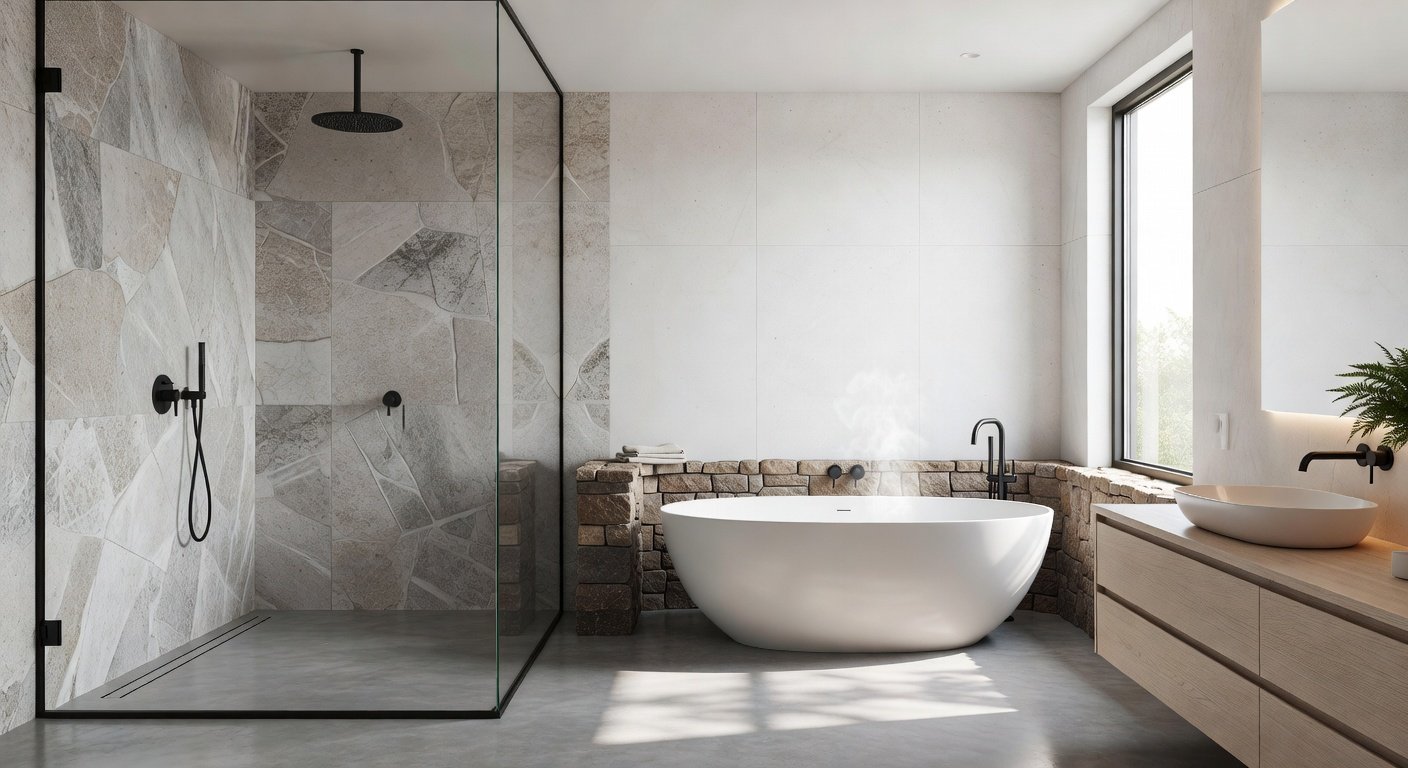
2026 designs blend organic textures with clean lines. Porcelain tile in 12x24" matte gray or subway patterns pairs with floating vanities and matte black fixtures for industrial chic. Hexagon mosaics add spa flair.
LVP's wood-look planks (e.g., oak or walnut tones) warm up minimalist spaces, mimicking wide-plank hardwood without water worries. Mix with shiplap walls or freestanding tubs.
- Tile Styles: Marble-look for luxury; subway for classic.
- LVP Styles: Chevron patterns; stone visuals for versatility.
Trend: Large-format tiles/LVP reduce grout lines for seamless modern looks.
Real-World Examples and Case Studies
In a Seattle family home remodel, porcelain tile endured two kids' splashes for 15 years, but grout cleaning frustrated owners. Switching to LVP in a Phoenix flip cut install time by 70%, boosting ROI.
A Boston condo upgrade used 24x48" porcelain slabs for a hotel vibe, costing $1,800 but adding $10k value. LVP in a Miami rental resisted floods, saving $5k in repairs.
These cases highlight tile for permanence, LVP for practicality.
Common Mistakes to Avoid
- Skipping subfloor prep: Causes tile cracks or LVP buckling.
- Ignoring water testing: Verify LVP's 100% waterproof rating.
- Overlooking grout color: Matches tile but shows dirt if light.
- Budget blind spots: Include underlayment ($0.50/sq ft) and transitions.
FAQs: Quick Answers for Your Remodel
Can LVP go in showers? Yes, with wet-rated products.
Is porcelain tile waterproof? Absorbent body isn't; glaze and grout seal it.
Which is better for resale? Tile signals quality; LVP appeals broadly.
2026 Trends? Sustainable materials, bold patterns, heated floors under both.
Final Verdict: Tile or LVP for Your 2026 Bathroom?
Choose porcelain tile for heirloom durability and luxury appeal in forever homes. Opt for LVP if prioritizing budget, speed, and low hassle in flips or updates. Both transform bathrooms into 2026 havens—calculate your needs, sample visuals, and consult pros for the win. Your dream floor awaits!
No comments yet. Be the first!