 Fixated on Home
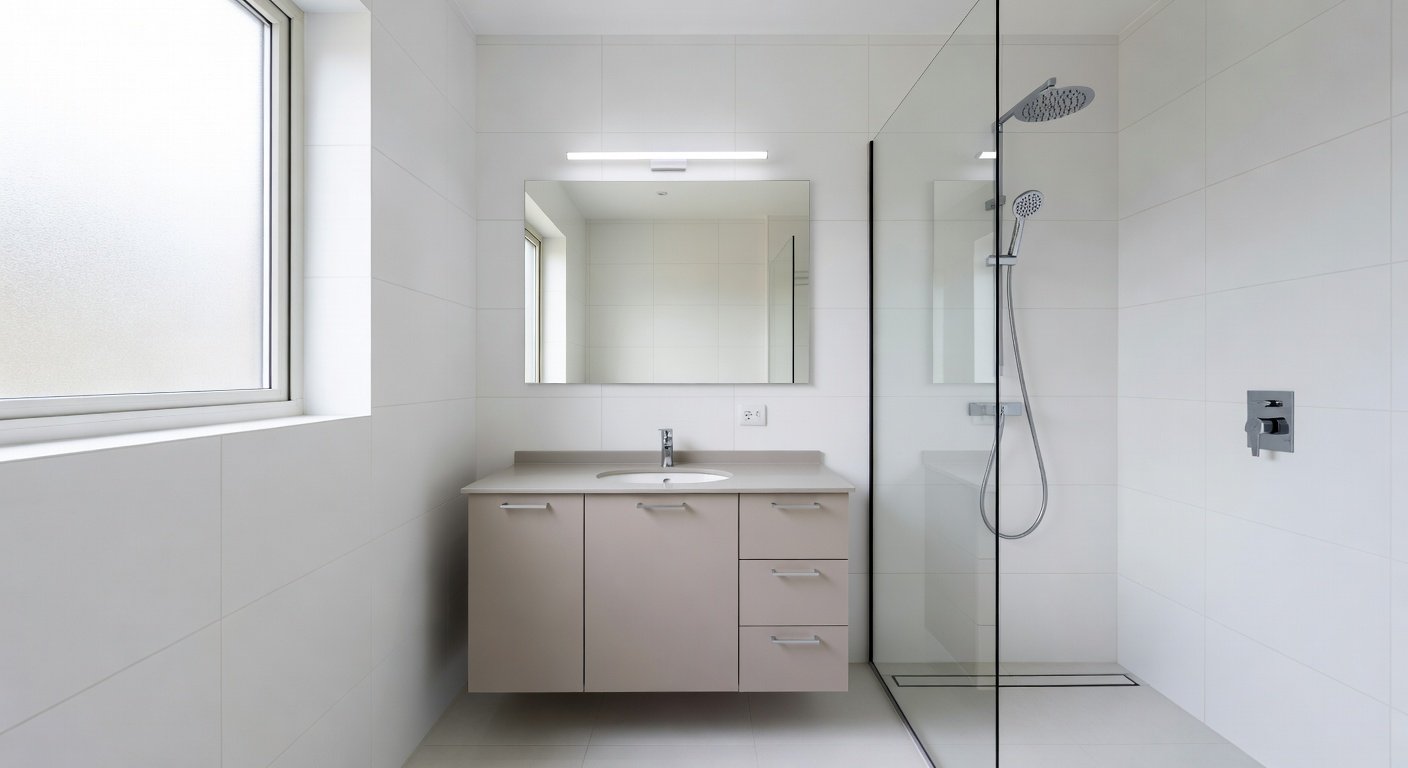
Introduction to 2026 Bathroom Remodeling Costs
Planning a bathroom remodel in 2026 requires careful attention to budget, especially for homeowners focused on value and cost efficiency. With inflation impacting material and labor prices, understanding current expenses helps create realistic plans. This guide covers average costs for key elements, regional differences, and practical strategies to maximize your investment.
Breaking Down Average Costs for Key Elements
Fixtures, cabinetry, lighting, and labor form the core of most bathroom projects. As of early 2026, material choices significantly influence totals. For example, standard ceramic fixtures often provide durability at lower price points compared to luxury options like quartz vanities. Labor typically accounts for 30-50% of the overall budget depending on project scope and contractor experience.
Interior upgrades such as energy-efficient lighting can add both functionality and long-term savings. Homeowners should compare mid-range versus premium selections to align with financial goals.
Regional Price Variations and Inflation-Adjusted Estimates
Costs vary widely across the United States due to local labor markets and material availability. Coastal areas often see higher rates than the Midwest. Inflation-adjusted figures for 2026 reflect recent economic trends, with many projects experiencing moderate increases over prior years. Consulting local suppliers ensures accurate quotes tailored to your location.
ROI Comparisons for Popular Renovation Ideas
Return on investment helps prioritize upgrades. Simple updates like new lighting and paint often yield strong returns, while full gut renovations may take longer to recoup. National Association of Home Builders data shows that targeted improvements in high-use areas like bathrooms deliver solid resale value when kept within reasonable budgets.
Step-by-Step Budgeting Tips
- Assess your current bathroom and list priorities.
- Research material costs from multiple vendors.
- Allocate 10-15% for unexpected expenses.
- Obtain at least three contractor bids.
- Track expenses with digital tools for ongoing control.
Real Case Studies with Before-and-After Costs
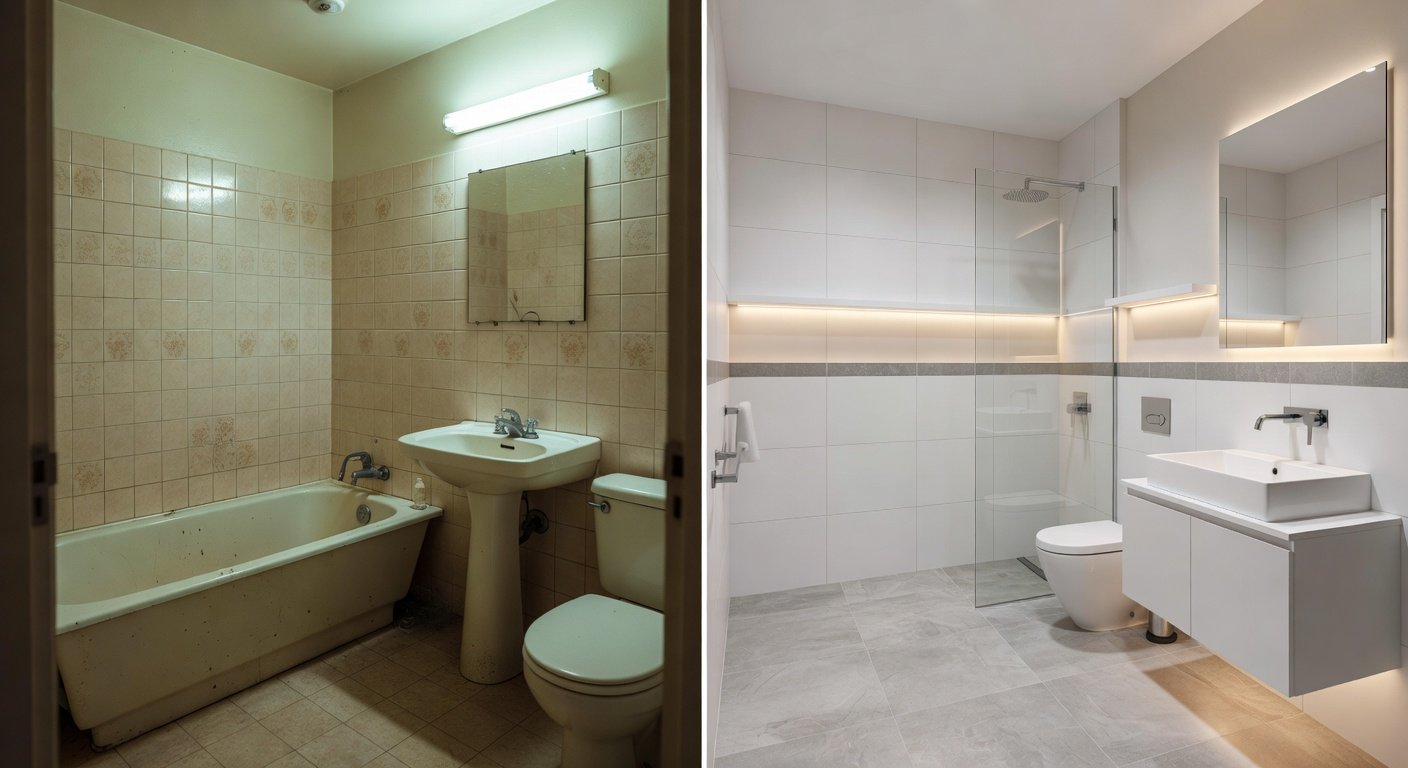
One family in the Midwest updated their 1980s bathroom for under the national average by choosing DIY cabinet refinishing and affordable fixtures. Before the project, the space felt dated; afterward, it featured modern finishes that improved daily usability and home appeal. Another case in the Northeast involved selective upgrades to lighting and plumbing, resulting in noticeable efficiency gains without full demolition.
Money-Saving Hacks and DIY Options
DIY approaches for painting, hardware swaps, and minor installations can reduce labor expenses. Sourcing reclaimed materials or shopping sales at reputable retailers stretches budgets further. Always verify compatibility and safety before tackling electrical or plumbing work yourself.
Conclusion
Successful 2026 bathroom remodeling balances cost awareness with quality choices. By focusing on essential elements, understanding local markets, and applying smart savings tactics, homeowners achieve functional, attractive results that enhance property value.
FAQ
What hidden fees should I watch for?
Permits, disposal charges, and unforeseen structural repairs often add to totals. Factor these into initial planning to avoid surprises.
What financing options are available?
Home equity loans, personal loans, and specialized renovation financing provide flexible repayment. Review terms carefully and compare offers from trusted lenders. Consumer Financial Protection Bureau offers guidance on responsible borrowing.
No comments yet. Be the first!