 Fixated on Home
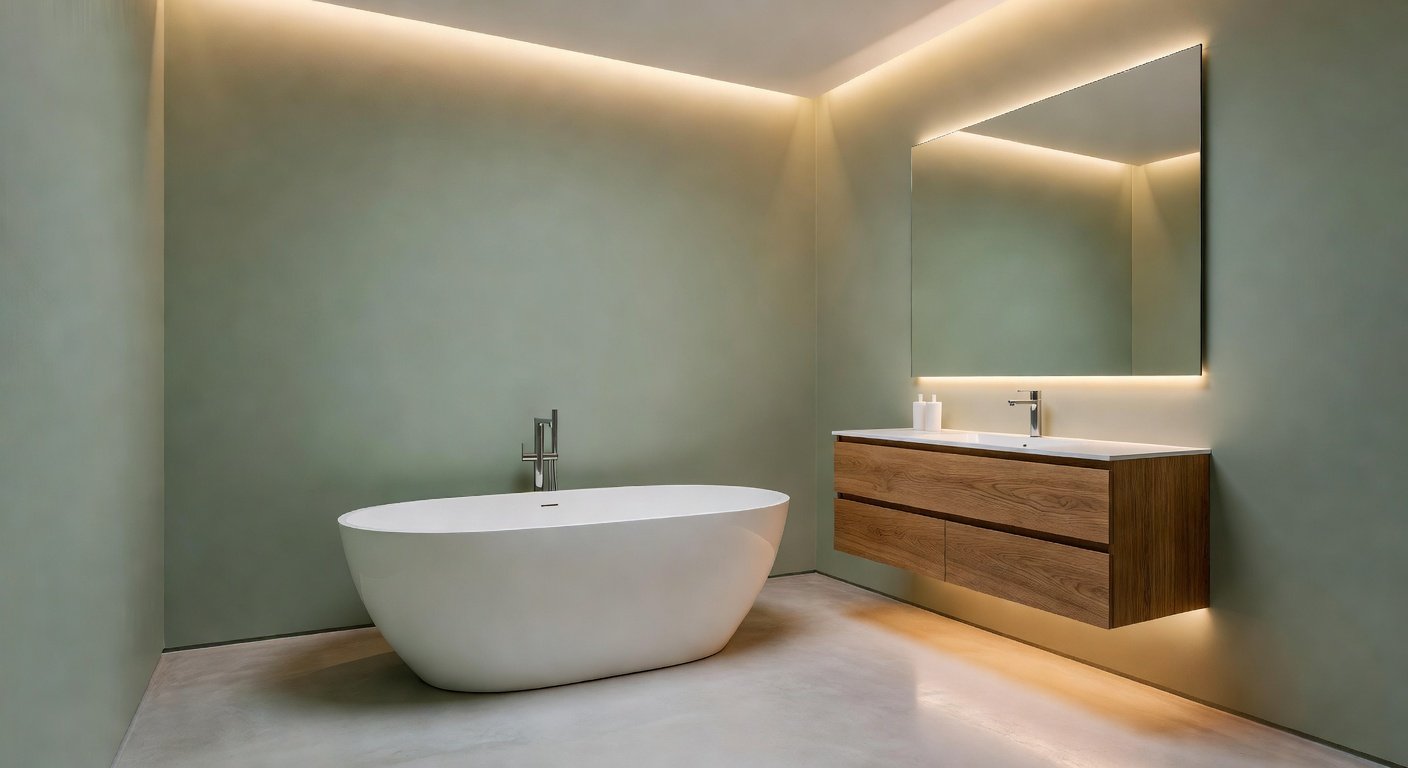
Updating your bathroom in 2026 offers exciting opportunities to blend current color trends with practical home decor improvements. This comprehensive guide helps beginners and experienced renovators alike choose palettes that enhance space, mood, and functionality during full or partial remodels. Whether you are tackling a complete overhaul or refreshing select elements, understanding color application ensures lasting satisfaction and increased home value.
2026 Bathroom Color Trends
Design forecasts highlight earthy tones and calming neutrals as dominant choices this year. Soft sage greens, warm terracotta accents, and muted blues pair beautifully with crisp whites and natural wood elements. These schemes create serene environments while supporting modern minimalist aesthetics that feel both contemporary and timeless. Additional trending palettes include dusty rose paired with charcoal grays for a sophisticated edge, as well as ocean-inspired teal tones that evoke tranquility in larger master bathrooms.
Industry reports from leading color authorities emphasize biophilic influences, bringing nature-inspired hues indoors. Homeowners are gravitating toward versatile palettes that transition smoothly from day to evening lighting. Matte finishes continue to rise in popularity because they reduce glare and hide minor imperfections on walls. Metallic accents in brushed gold or matte black provide contrast without overwhelming the overall scheme. These trends draw from global influences, including Scandinavian simplicity and Mediterranean warmth, allowing customization based on personal taste and regional climate considerations.
Psychological Effects of Color on Perceived Space
Color psychology plays a key role in bathroom design by influencing how users perceive room size and emotional comfort. Cool tones like soft blues and greens make small rooms feel larger and more open, reducing visual clutter and promoting relaxation during morning routines. Warm neutrals add coziness without overwhelming compact layouts, making them ideal for family bathrooms where multiple users interact daily.
Studies show that light-reflective shades increase the sense of spaciousness, while deeper hues can create intimate, spa-like retreats. Choosing the right balance helps homeowners achieve desired emotional responses. For instance, incorporating gentle lavender undertones may reduce stress, whereas vibrant citrus accents can energize the space for quick showers. Always consider how colors interact with natural light sources, as north-facing bathrooms benefit from warmer tones to counteract cooler daylight. This thoughtful approach transforms the bathroom from a purely functional area into a restorative sanctuary.
Step-by-Step Color Selection Process
- Assess your bathroom's natural light and existing fixtures by observing the space at multiple times throughout the day. Note window placement, artificial lighting types, and any permanent elements like tile that cannot be easily changed.
- Identify three core colors: a dominant wall shade for the majority of surfaces, an accent tone for cabinets or feature walls, and a neutral base for floors and countertops. This triad ensures harmony while allowing creative expression.
- Test samples on walls at different times of day. Apply large swatches directly to surfaces and live with them for several days to evaluate real-world performance under varying conditions.
- Consider durability needs for high-moisture areas. Select paints with mildew-resistant properties and low-VOC formulas to maintain indoor air quality over time.
- Finalize pairings with tile, countertops, and hardware by creating physical mood boards that include material samples. This step prevents costly mismatches during installation.
Real-Home Examples and Visual Comparisons
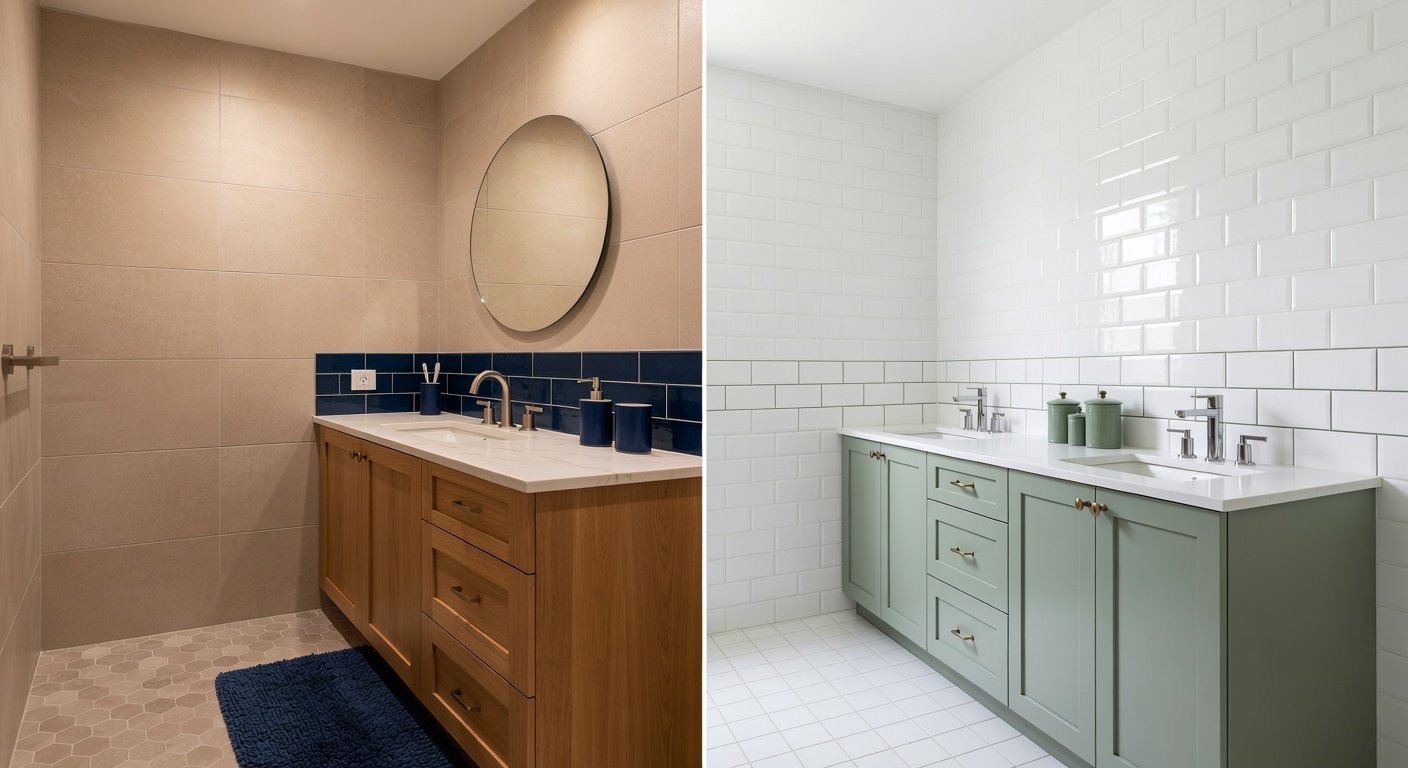
In a recent suburban renovation, a family selected a palette of warm beige walls with navy accents and matte black fixtures. The result transformed a dated space into a modern retreat that feels both inviting and timeless, with the navy providing depth against the lighter base. This combination works especially well in bathrooms with abundant natural light, where the contrast highlights architectural details.
Another example features crisp white walls offset by sage green cabinetry and brushed gold hardware, creating an airy yet sophisticated atmosphere perfect for small urban bathrooms. The green adds a fresh, organic element that pairs seamlessly with marble-look tiles and woven baskets for storage. A third case study involved a coastal home where muted teal walls combined with driftwood-inspired vanities produced a relaxing seaside vibe that withstands daily humidity.
Material Pairing Tips
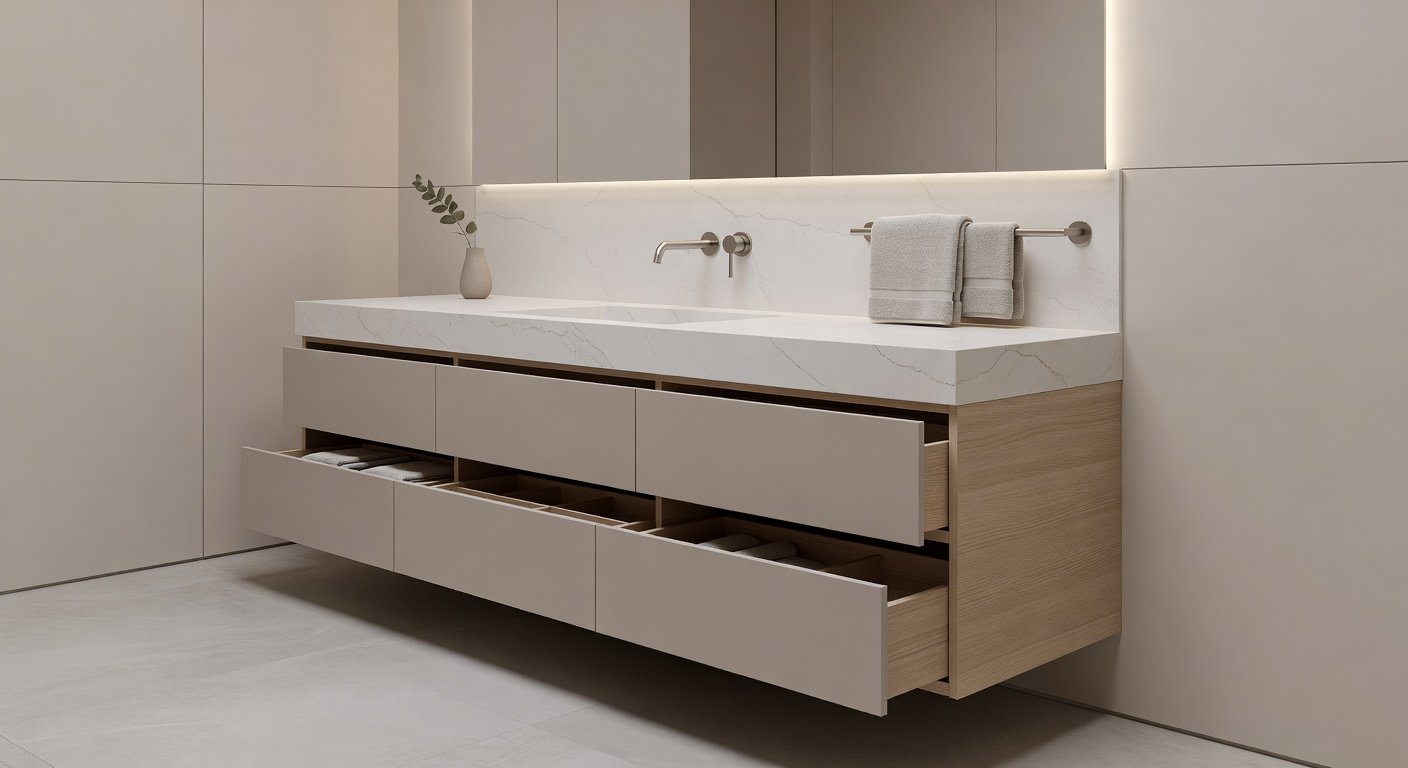
Coordinate colors with durable materials such as porcelain tiles, quartz countertops, and sealed wood vanities. Earthy greens complement natural stone, while terracotta tones enhance ceramic accents. Always prioritize moisture-resistant finishes for longevity. For example, pair matte paint with glossy subway tiles to create visual interest through texture contrast. When selecting metals, brushed nickel works universally across most 2026 palettes, whereas antique brass adds warmth to terracotta schemes. Consider grout colors carefully, as they can dramatically alter the perceived tone of tile installations. Testing full material combinations in advance ensures the final result meets both aesthetic and practical requirements.
Common Mistakes to Avoid
- Choosing overly bold colors without testing samples first, which often leads to regret after installation when the hue appears different under bathroom lighting.
- Ignoring how artificial lighting shifts color appearance, resulting in spaces that feel cold or washed out during evening use.
- Overlooking coordination between paint, tile, and fixtures, causing disjointed designs that fail to unify the room.
- Selecting trendy shades that lack staying power beyond one season, reducing long-term satisfaction and resale appeal.
- Neglecting ventilation considerations, which can cause premature fading or peeling in humid environments.
Simple Planning Checklist
- Measure room dimensions and note lighting sources to inform color intensity choices.
- Collect inspiration images from trusted design resources such as Architectural Digest.
- Order physical paint samples from brands like Benjamin Moore and apply them in situ.
- Verify colorfastness ratings for bathroom environments before committing to any shade.
- Consult a professional for complex fixture integrations or custom millwork.
- Plan for future updates by choosing adaptable neutrals as your foundation.
FAQs on Durability and Lighting Impacts
How do colors hold up in humid bathrooms? Opt for mildew-resistant paints and sealed surfaces to maintain vibrancy over years of use. Regular cleaning with non-abrasive products further extends the life of your chosen palette.
Does lighting change color perception? Yes. Warm LED bulbs enhance earthy tones, while cool daylight bulbs make blues and greens appear crisper. Always test under your actual fixtures to avoid surprises.
What about long-term maintenance? Low-sheen finishes hide water spots better than high-gloss options, and selecting quality primers ensures better adhesion in moisture-prone zones.
For authoritative color standards, refer to resources from Pantone and psychological insights available at Psychology Today.
Conclusion
Thoughtful 2026 bathroom color schemes elevate renovations by combining trend awareness with personal style. By following structured selection steps, avoiding pitfalls, and focusing on material harmony, homeowners achieve beautiful, functional spaces that stand the test of time. This approach not only improves daily enjoyment but also supports sustainable design practices through durable, well-chosen materials.
For more practical advice on cost-effective updates, explore our budget renovations guide budget reno tips.
No comments yet. Be the first!