 Fixated on Home
Introduction to 2026 Bathroom Vanity Trends
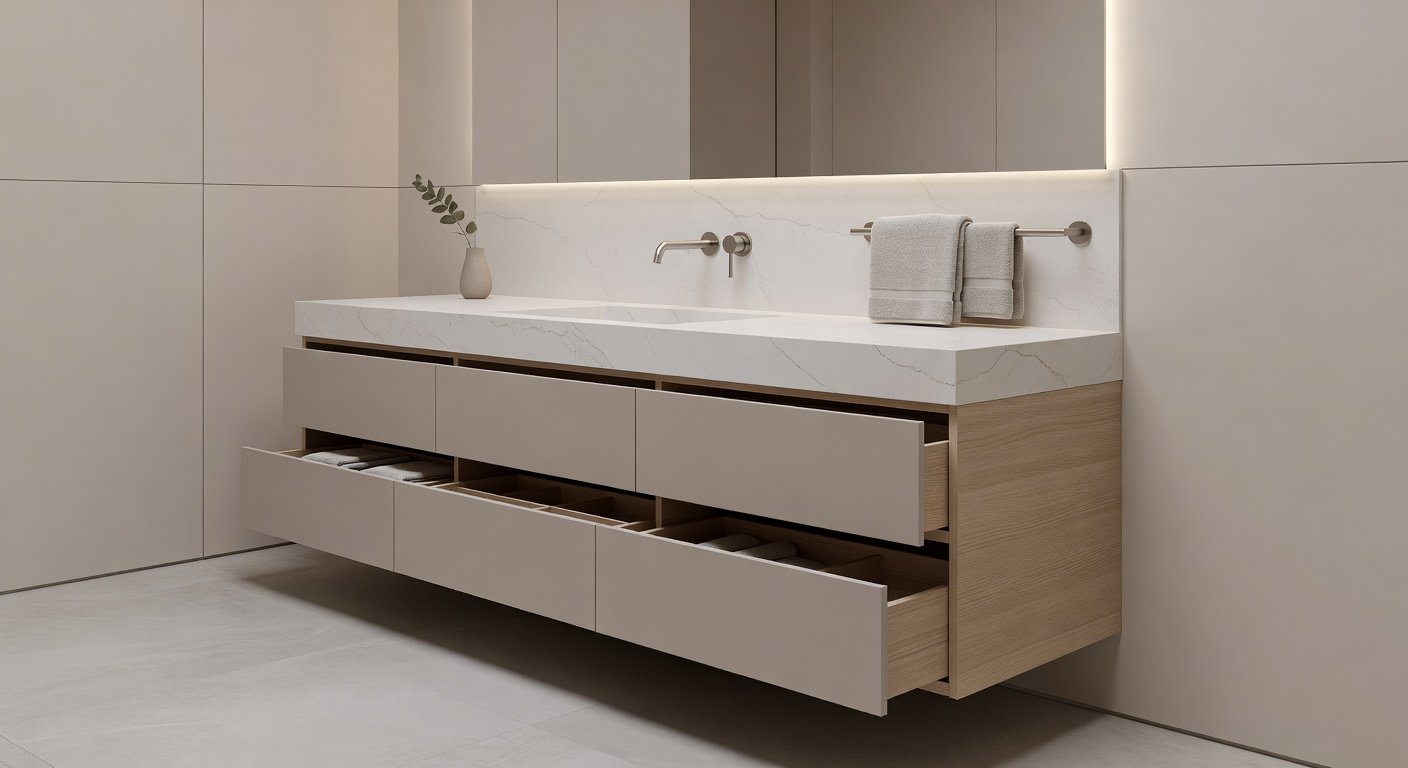
Homeowners in 2026 are prioritizing bathroom vanities that maximize storage while elevating overall decor. These remodels focus on smart upgrades that enhance functionality without requiring extensive construction. By blending durable materials with innovative organizational solutions, you can transform an ordinary vanity into a centerpiece that reflects current design sensibilities. The trend toward multifunctional furniture reflects broader shifts in home design, where every square foot counts and aesthetic appeal must coexist with everyday practicality. Many families find that updating the vanity alone can refresh the entire bathroom atmosphere, creating a spa-like retreat without a full gut renovation.
Whether updating an existing space or planning a refresh, the emphasis remains on creating efficient, aesthetically pleasing environments. This approach appeals to those seeking practical improvements that boost daily usability and home value. In practice, successful projects often start with an assessment of current pain points such as insufficient drawer space or outdated hardware, then layer in modern elements that align with emerging color palettes and textures popular this year.
Selecting Durable Materials for Long-Lasting Results
Choosing the right materials is foundational to any vanity remodel. Options like quartz, solid surface composites, and reclaimed wood offer resilience against moisture and daily wear. Quartz surfaces resist stains and scratches effectively, making them ideal for humid bathroom settings. Engineered stone provides similar benefits with customizable finishes that align with modern palettes. Homeowners also explore porcelain slabs for their heat and water resistance, which perform well in high-traffic family bathrooms. Reclaimed wood adds warmth and character when properly sealed, offering a sustainable nod to natural textures.
For eco-conscious choices, consider materials certified for low emissions. The EPA offers resources on sustainable building products that minimize environmental impact. Pair these with moisture-resistant cabinetry cores to ensure longevity. Real-world examples include homeowners selecting matte-finish quartz in soft gray tones paired with walnut cabinetry to create contrast and depth. These combinations not only withstand daily use but also age gracefully, maintaining their appeal over many years.
Integrating Clever Organizational Features
Storage optimization drives many 2026 remodel decisions. Incorporate pull-out drawers, hidden compartments, and tiered shelving to keep essentials organized. Soft-close mechanisms add a premium feel while reducing noise. Vertical storage solutions such as slim pull-outs for cleaning supplies or tall narrow cabinets for towels free up valuable counter space. Many designs now include integrated laundry hampers or recycling bins built directly into the base, turning the vanity into a true command center for bathroom routines.
- Vertical dividers for hair tools and toiletries that prevent tangling and make selection effortless
- Built-in charging stations for electric devices with hidden outlets to reduce countertop clutter
- Corner carousels to utilize awkward spaces that would otherwise go unused
- Adjustable shelving systems for flexible storage that adapts as family needs change
- LED-lit interior drawers that illuminate contents automatically when opened
These features turn compact vanities into highly functional storage hubs without expanding the footprint. One practical example involves a family of four who added double-tiered pull-outs beneath a 48-inch vanity, instantly doubling their capacity for toiletries and linens while keeping surfaces clear.
Pairing Vanities with Complementary Fixtures
Style upgrades extend beyond the vanity itself. Coordinate with faucets, lighting, and mirrors that enhance the overall aesthetic. Matte black or brushed nickel finishes create cohesive looks with contemporary vanities. LED-integrated mirrors provide both task lighting and a sleek appearance. Consider wall-mounted faucets that free up counter space or widespread models that add sculptural interest. Backlit mirrors with anti-fog technology have become especially popular, offering both utility and a high-end hotel feel.
The ENERGY STAR program highlights efficient lighting options that reduce energy use while improving ambiance. Pairing a floating vanity with a tall arched mirror and linear pendant lights above creates visual balance and draws the eye upward, making smaller bathrooms feel larger and more inviting.
Step-by-Step Planning Guidance
Begin by measuring your space accurately and identifying pain points like clutter or outdated hardware. Create a mood board with photos of desired finishes and storage solutions to guide selections. Next, research material options and sketch layouts that account for door swings and plumbing access. Consult professionals for plumbing compatibility if needed, but many surface-level updates avoid this entirely. Finally, source fixtures early to avoid delays during installation and order samples to verify colors under your bathroom lighting.
Break the process into phases: demolition and prep, cabinet installation, countertop fitting, and final fixture attachment. This staged approach minimizes disruption and allows for adjustments along the way. Documenting each step with photos helps track progress and serves as a reference for future maintenance.
Freestanding Versus Built-In Options
Freestanding vanities offer mobility and easier installation, suiting renters or those preferring flexibility. They allow for quick style changes and often include open shelving below for a lighter visual effect. Built-in designs provide seamless integration and often more customized storage, with the ability to run plumbing discreetly behind the unit. Freestanding models excel in rooms where you might want to reposition furniture later, while built-ins create a polished, permanent look that feels tailored to the architecture.
When comparing the two, evaluate your long-term plans for the home. A freestanding piece might suit a starter home where future moves are likely, whereas built-ins add value in a forever home by creating a cohesive, high-end appearance. Both styles can incorporate the same organizational upgrades when chosen thoughtfully.
Visual Examples of Before-and-After Transformations
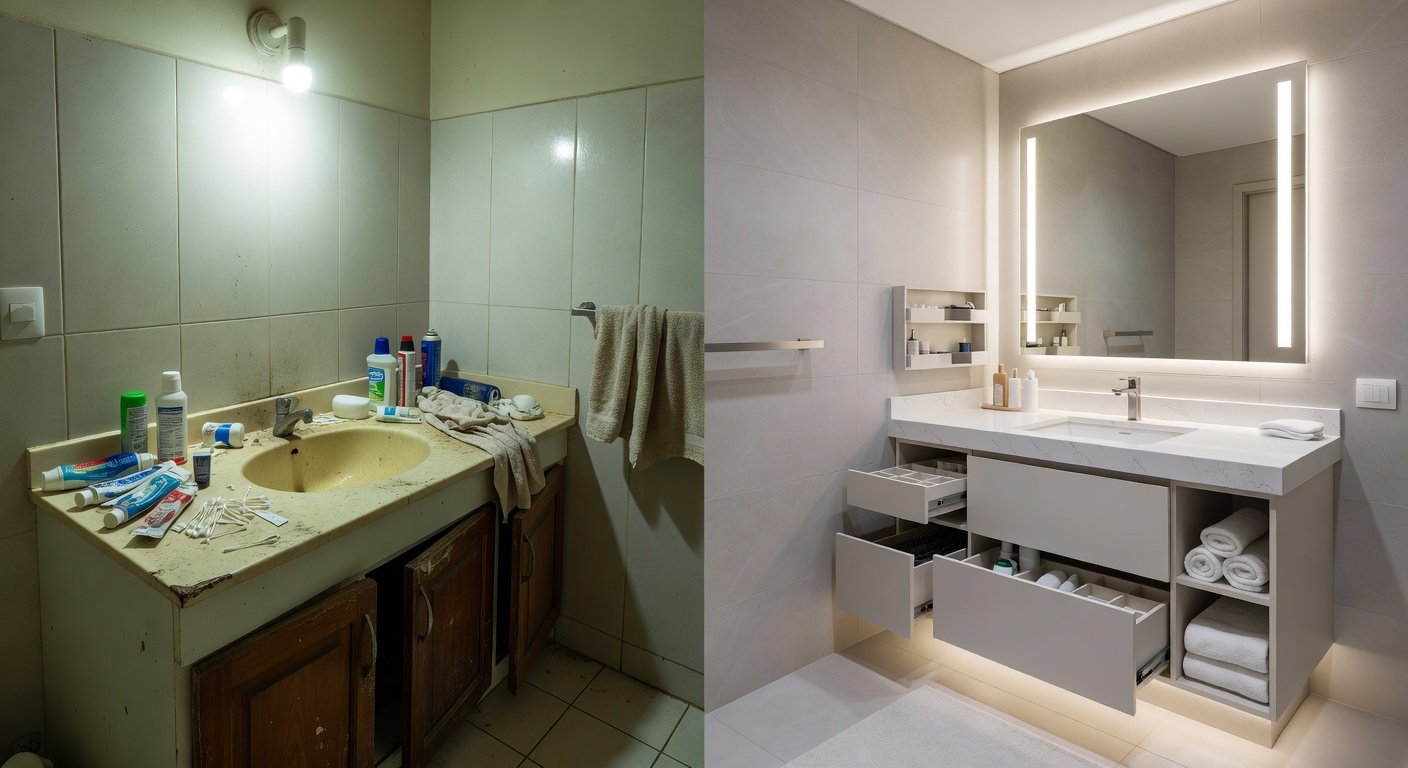
Real-world transformations highlight the impact of thoughtful remodels. A cramped vanity with minimal storage can evolve into a streamlined unit with ample drawers and elegant countertops. One notable case involved replacing a basic builder-grade cabinet with a custom floating design featuring hidden compartments and a double-sink configuration. The before image showed cluttered counters and wasted vertical space, while the after revealed a calm, organized area with room for daily essentials and decorative accents. These examples demonstrate how small changes yield significant improvements in both utility and visual appeal, inspiring readers to envision similar updates in their own homes.
Frequently Asked Questions
What size vanity works best for small bathrooms?
Standard widths range from 24 to 36 inches for compact spaces. Measure carefully and opt for wall-mounted styles to create an illusion of more room. Corner units or narrow profiles can also maximize awkward layouts effectively.
How should I budget for a vanity upgrade?
Focus on quality materials and features that address your specific needs. Prioritize elements like storage solutions over luxury finishes if space is limited. Research multiple suppliers to compare craftsmanship and warranty options before committing.
Can I remodel without changing plumbing?
Yes, many updates involve surface replacements and internal organizers that leave existing plumbing intact, minimizing disruption. This approach works well for cosmetic refreshes or when adding storage accessories that do not require new connections.
What common mistakes should I avoid during planning?
Overlooking ventilation around the vanity can lead to moisture issues later. Always ensure adequate airflow and select finishes rated for bathroom humidity levels to prevent warping or mold growth over time.
Conclusion
2026 bathroom vanity remodels succeed when storage and style are balanced thoughtfully. By selecting durable materials, adding smart features, and planning methodically, homeowners achieve functional, beautiful results that stand the test of time. These upgrades not only improve daily routines but also contribute to a more enjoyable and valuable living space overall.
No comments yet. Be the first!