 Fixated on Home
Introduction to 2026 Bathroom Lighting Trends
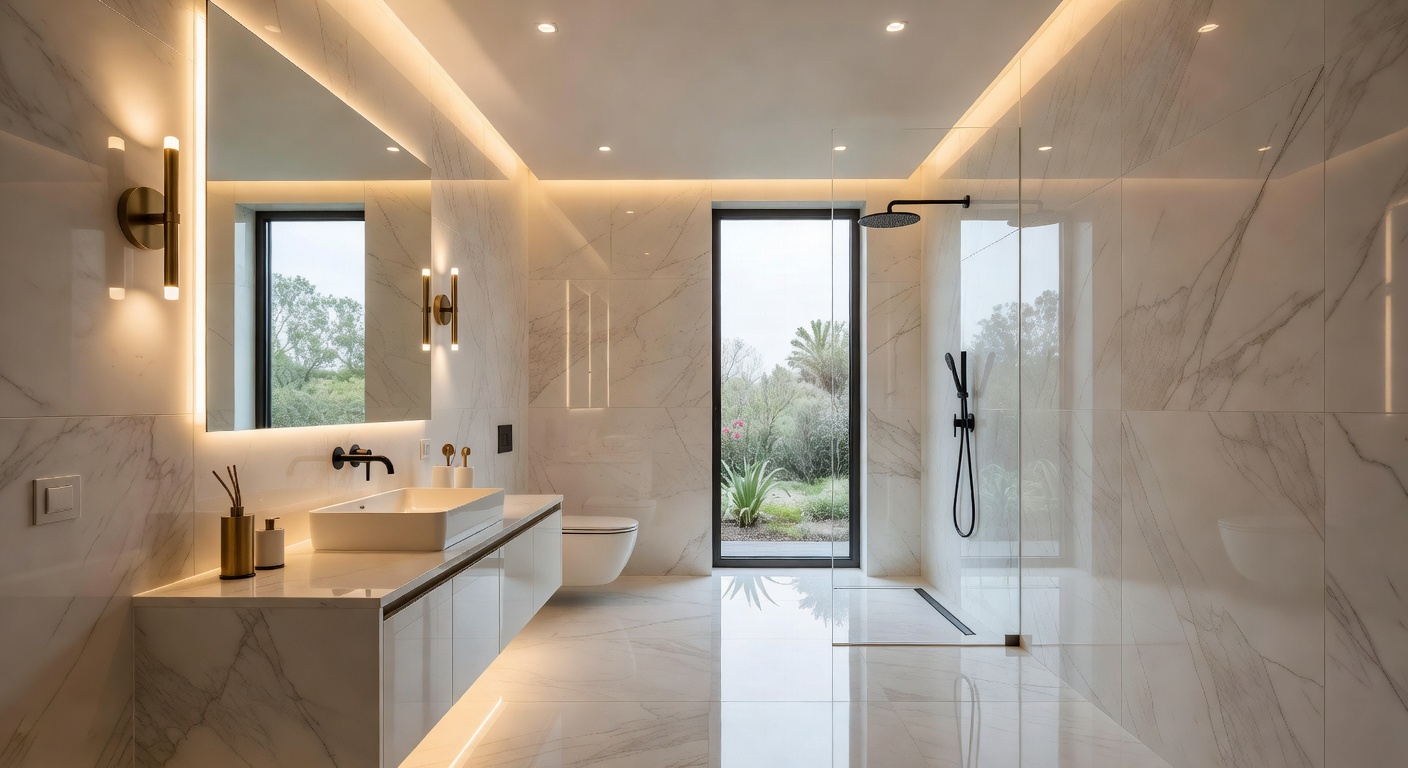
Bathroom remodeling in 2026 emphasizes lighting that balances functionality with ambiance, transforming utilitarian spaces into relaxing retreats. Homeowners are prioritizing designs that support daily routines while creating spa-like atmospheres through thoughtful illumination strategies. This shift reflects broader trends in interior design where lighting serves as both a practical necessity and a key element of decor, enhancing mood, improving safety, and increasing the perceived value of the home.
Effective bathroom lighting goes beyond basic overhead fixtures. It incorporates multiple layers to address task areas, accent features, and overall mood. This approach aligns with broader interior trends favoring personalization and energy efficiency. By understanding how different light sources interact with bathroom surfaces and user behaviors, homeowners can create environments that feel both modern and timeless.
Layered Lighting Techniques for Depth and Flexibility
Layered lighting remains a cornerstone of modern bathroom design. It combines ambient, task, and accent layers to ensure versatility across different times of day and activities. Ambient lighting establishes the foundational glow, often delivered through recessed ceiling fixtures or indirect cove lighting that washes walls evenly. Task lighting targets high-use zones such as vanities for shaving or applying makeup and shower areas for safe navigation. Accent lighting draws attention to design details like textured tiles, artwork, or floating shelves.
For example, pairing a central ambient source with adjustable vanity sconces allows seamless transitions from morning grooming to evening relaxation. In a typical family bathroom, this might mean using dimmable LEDs above the mirror for precision tasks while adding subtle under-cabinet strips to highlight storage. The result reduces harsh shadows that can make spaces feel smaller and improves overall visual comfort. Homeowners renovating older homes often discover that retrofitting layered systems dramatically upgrades the room without major structural changes.
Integrating Smart Controls for Modern Convenience
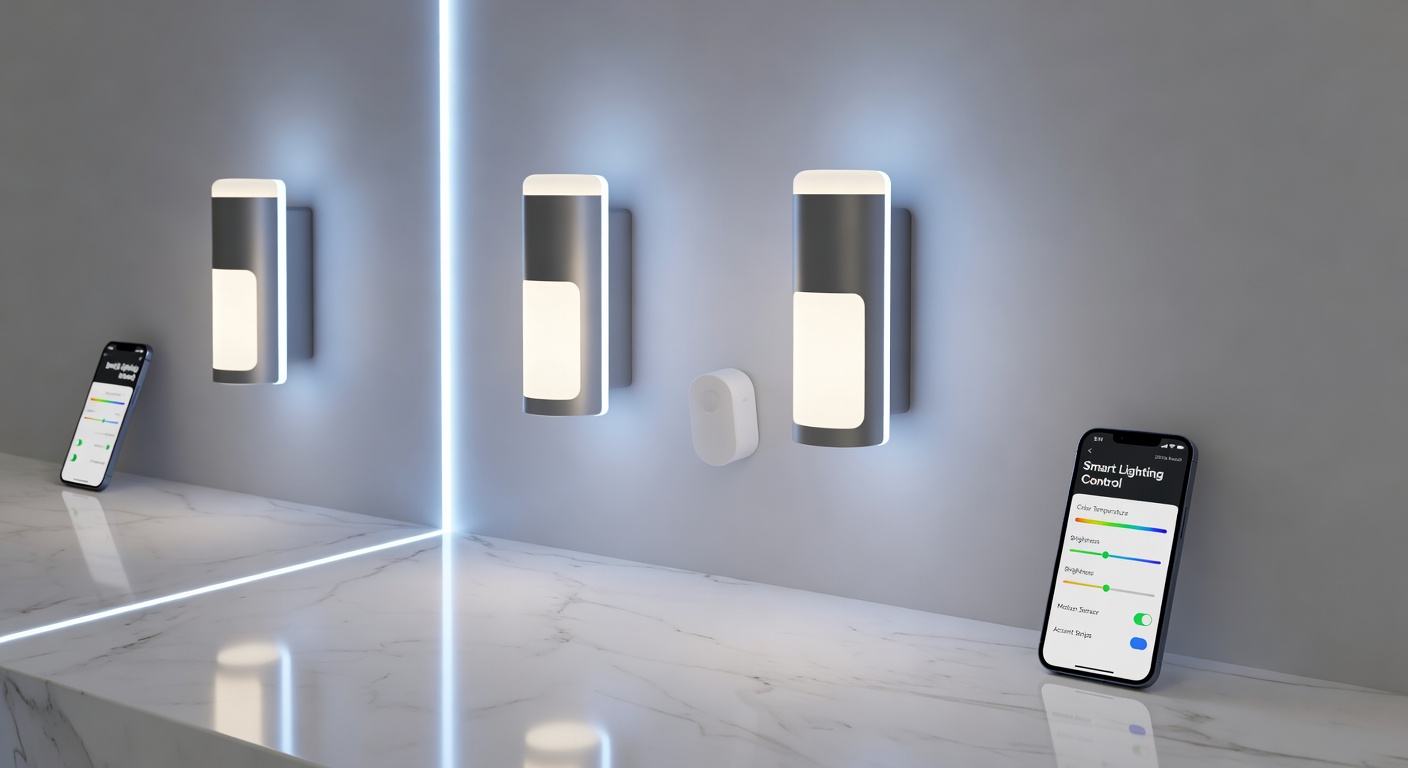
Smart lighting controls are gaining traction in 2026 bathroom upgrades. Systems with app-based dimming, scheduling, and voice activation improve usability while supporting energy conservation. These technologies allow users to customize light temperatures and intensities according to specific needs, such as cool white light for focused tasks or warmer tones for unwinding after a long day.
Installations often feature motion sensors for automatic activation upon entry and tunable white LEDs that shift from cool daylight tones for tasks to warm hues for unwinding. Integration with home ecosystems enables routines like gradual brightening to simulate sunrise. For added safety, occupancy sensors can prevent lights from staying on unnecessarily, which is particularly useful in households with children or guests. Professionals recommend selecting fixtures compatible with major platforms to ensure future-proofing and easy troubleshooting.
U.S. Department of Energy resources highlight how smart controls contribute to reduced energy consumption in residential settings.
Optimizing Natural Light in Bathroom Designs
Maximizing natural light complements artificial systems and promotes wellness. Skylights, clerestory windows, and strategically placed mirrors amplify daylight penetration. In renovations, frosted or textured glass maintains privacy while diffusing light evenly. Reflective surfaces further bounce natural illumination, reducing reliance on electric sources during daytime hours.
Designers recommend assessing window orientation during planning to align with peak sunlight patterns for optimal results. For south-facing bathrooms, sheer window treatments can soften intense rays while still allowing ample brightness. In darker, north-facing spaces, tubular daylighting devices offer an effective retrofit option that channels light deep into the room. Combining these elements with layered artificial lighting ensures consistent performance regardless of weather or season.
ENERGY STAR provides guidance on selecting energy-efficient windows and daylighting solutions that complement modern bathroom lighting schemes.
Material Integrations: Reflective Surfaces and Finishes
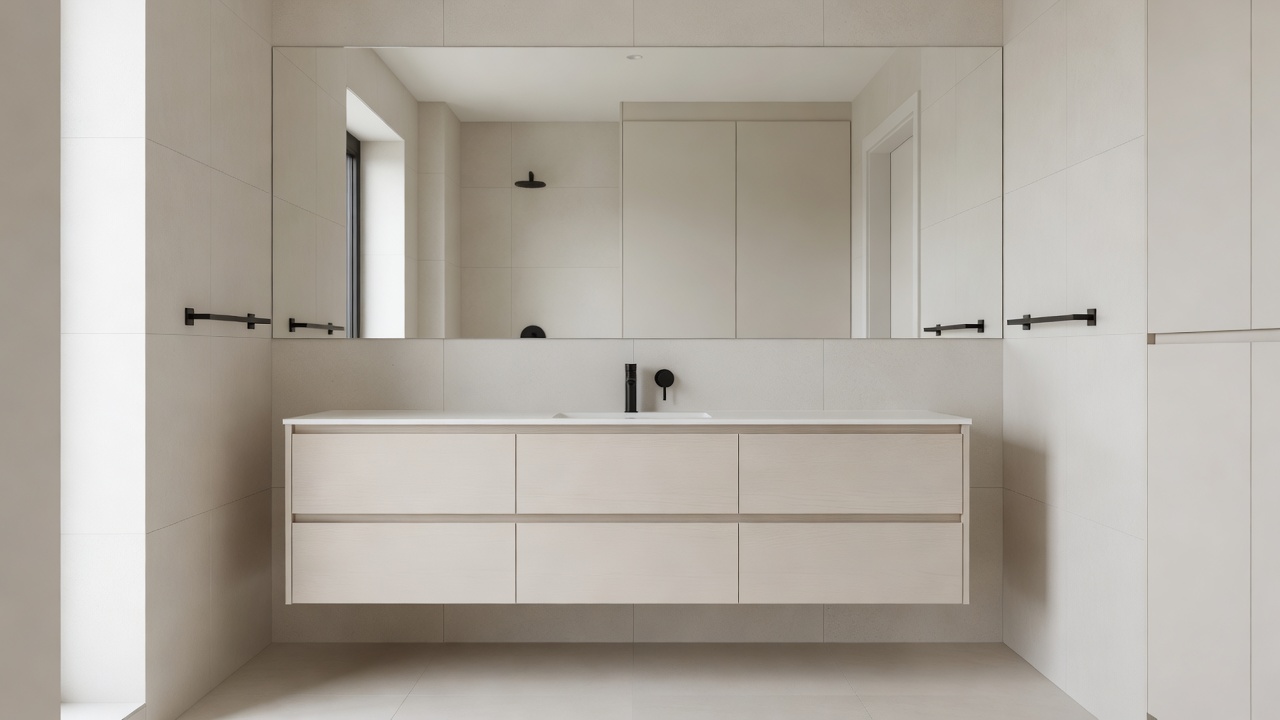
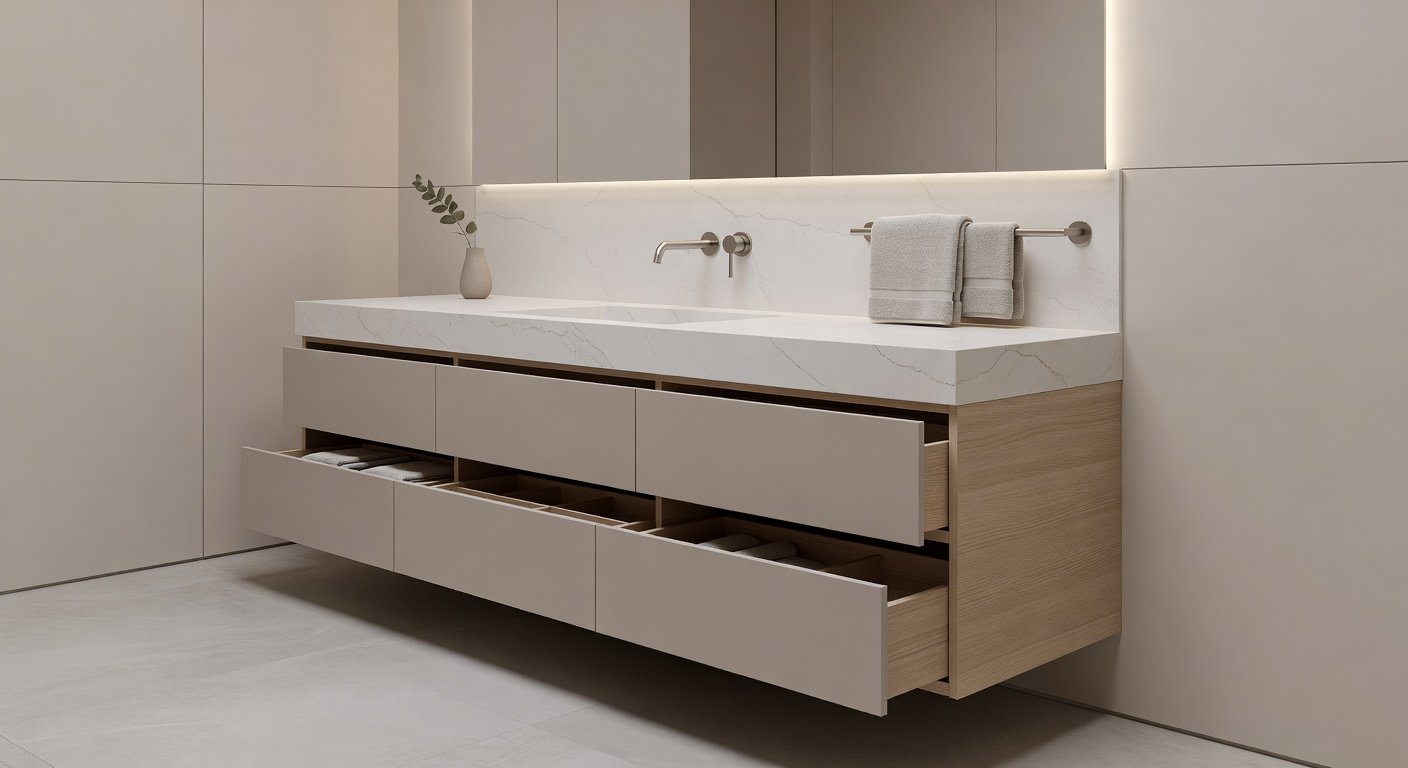
Choosing materials that enhance light reflection is key. Glossy tiles, polished metals, and mirrored elements multiply brightness and create a sense of openness. Matte finishes on select surfaces provide contrast and prevent glare, while backlit panels or integrated LED strips in cabinetry add subtle glows. These integrations support both contemporary and transitional aesthetics popular in current remodels.
Consider pairing large-format porcelain tiles with metallic accents around mirrors or faucets to amplify even small light sources. In larger master bathrooms, incorporating a statement wall with high-gloss finishes behind the tub can serve as both a focal point and a light reflector. Careful material selection during the planning phase prevents common issues like overly bright hotspots or dull, flat appearances.
Practical Steps for Planning and Installation
Begin with a lighting audit of the existing space to identify needs and constraints. Measure ceiling heights, note existing electrical points, and evaluate natural light sources at different times. Consult electrical codes for wet-area compliance, then select fixtures based on IP ratings for moisture resistance. Sketch a lighting plan that divides the room into zones, ensuring each receives appropriate illumination levels.
Next, map out circuit loads and consider professional installation for complex smart systems. Test layouts with temporary fixtures before finalizing placements. For before-and-after impact, many homeowners document their spaces with photos taken under old single-source lighting versus the new layered setup, revealing improvements in depth, color accuracy, and overall ambiance. Post-installation, calibrate controls and verify even coverage across zones. Always factor in future maintenance access when positioning fixtures high or behind fixed elements.
Comparing Fixture Types for Bathroom Use
Recessed downlights offer clean ambient coverage but may require multiple units to avoid dark corners. Pendant fixtures add drama over tubs yet demand sufficient ceiling height and careful waterproofing. Linear LED strips provide versatile accent options along mirrors or baseboards and excel in creating continuous lines of light. Wall sconces deliver targeted task light with minimal shadow casting when positioned at eye level on either side of mirrors.
Each type has trade-offs in installation complexity, maintenance access, and style compatibility. Evaluate based on room dimensions and usage patterns. For compact powder rooms, wall-mounted options often outperform bulky ceiling fixtures. In spacious family bathrooms, combining recessed ambient lights with multiple sconces and accent strips yields the most balanced result. Comparing these choices side-by-side helps avoid common pitfalls like uneven brightness or excessive glare on reflective surfaces.
Short FAQ on Budgeting and Maintenance
- How should I allocate funds for lighting in a remodel? Prioritize quality fixtures in high-use areas and allocate remaining budget to controls and finishes for balanced results. Focus on durable, moisture-rated products that withstand daily humidity exposure.
- What maintenance is required for smart bathroom lighting? Regular cleaning of sensors and fixtures, plus occasional firmware updates, keeps systems performing reliably. Check connections annually to prevent corrosion in humid conditions.
- Can existing wiring support new lighting layers? A qualified electrician can assess and upgrade circuits as needed during renovation. This step ensures safety and prevents overloads when adding multiple zones or smart features.
- How do I choose between LED and traditional options? LEDs dominate 2026 installations due to longevity, lower heat output, and compatibility with dimming and color tuning. Traditional bulbs are rarely recommended for new work in wet areas.
Conclusion
Thoughtful 2026 bathroom lighting elevates both daily function and overall home value. By combining layered approaches, smart technology, natural optimization, and reflective materials, homeowners achieve enduring ambiance and efficiency. Start planning with these strategies to realize a refreshed, inviting space that meets modern expectations for comfort and style.
No comments yet. Be the first!