 Fixated on Home
Introduction to Your First Bathroom Remodel
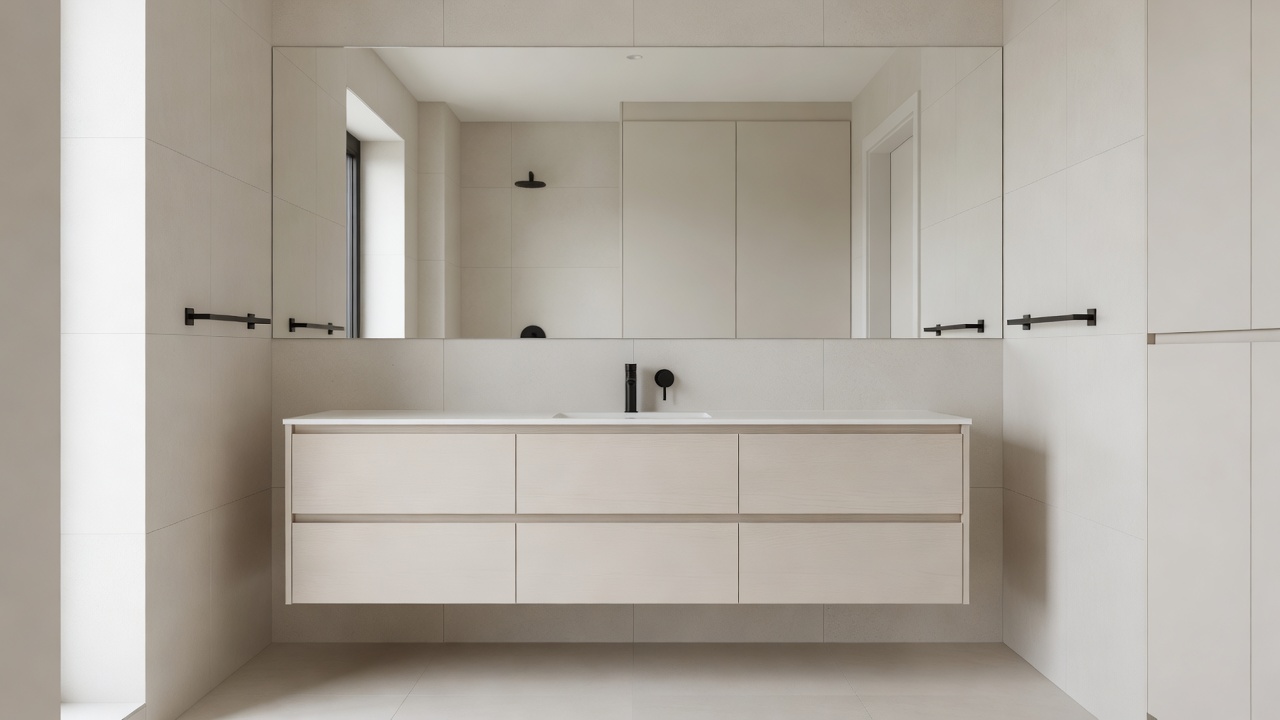
Embarking on a bathroom remodel as a beginner can transform a dated space into a functional and stylish retreat that enhances daily routines and boosts overall home appeal. This guide focuses on accessible 2026 renovation ideas that blend interior upgrades with home decor, helping homeowners achieve impressive results without overwhelming complexity. Whether updating a small powder room or a family bathroom, the emphasis remains on practical planning that maximizes both aesthetics and daily usability. A well-executed remodel addresses common pain points like poor lighting, limited storage, and outdated fixtures while incorporating modern elements that feel fresh yet timeless. Homeowners often discover that thoughtful changes create a spa-like atmosphere without requiring a complete overhaul of the home's structure. By following a methodical approach, beginners can avoid common frustrations and enjoy a smoother process from start to finish.
Assessing Your Existing Layout
Begin every project with a thorough evaluation of the current space to identify strengths and weaknesses. Measure dimensions accurately, note plumbing locations, and identify traffic flow patterns that affect usability. Consider how the bathroom connects to adjacent rooms and whether natural light can be enhanced through strategic window placements or mirrors. This assessment phase reveals opportunities for simple layout tweaks, such as repositioning the vanity to improve storage without major structural changes. Take photos from multiple angles and sketch rough diagrams that include electrical outlets and ventilation points. Highlight problem areas like insufficient storage or poor ventilation that may contribute to moisture buildup over time. These notes form the foundation for all subsequent decisions and help prevent costly revisions later. In many cases, small adjustments like adding a linen closet or shifting the toilet position can dramatically improve flow. Pay attention to accessibility needs if the bathroom serves multiple family members or guests with varying mobility requirements.
Setting Priorities and Budgeting Wisely
Establish clear priorities by ranking must-have features against nice-to-have elements based on your household's daily needs. Focus on upgrades that deliver strong returns in both style and function, such as improved lighting or water-efficient fixtures that reduce long-term utility costs. Budgeting involves allocating funds across categories like fixtures, finishes, and labor while building in a contingency for surprises that inevitably arise during demolition. Track expenses through simple spreadsheets to stay on target throughout the project and adjust as needed. Consider phasing the work if full funding is not immediately available, starting with high-impact areas like the shower surround before moving to decorative elements. Research material alternatives that offer similar aesthetics at different price points to stretch resources effectively. Involve family members in priority discussions to ensure the final design meets everyone's expectations and avoids later dissatisfaction.
Selecting Materials That Enhance Style and Function
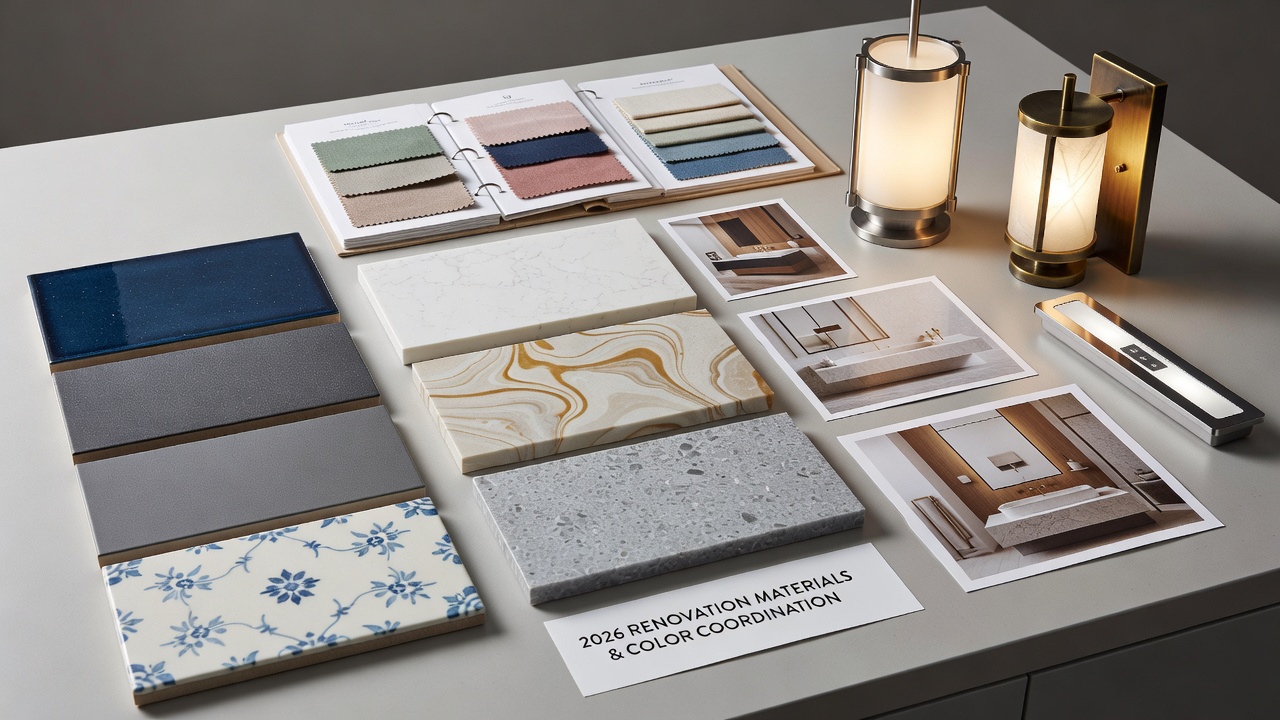
Material choices define the remodel's success by balancing durability with visual appeal. Opt for durable, low-maintenance options like porcelain tiles for floors and quartz surfaces for countertops that resist moisture while offering versatile design appeal. Integrate home decor elements such as textured wallpapers or statement lighting to elevate the space visually and create a cohesive look. Research finishes that balance timeless appeal with current trends for 2026, including matte black hardware and soft neutral palettes that work across various decor styles. Always verify product warranties and compatibility with your home's existing systems before purchasing to prevent compatibility issues down the line. Consider eco-friendly options that align with sustainability goals, such as recycled glass tiles or low-VOC paints. Test samples in the actual lighting conditions of the bathroom to ensure colors and textures perform as expected throughout the day.
Step-by-Step Remodeling Process
Follow a structured sequence to keep the project organized and minimize disruptions to household routines:
- Demolition and preparation: Remove old fixtures safely while protecting surrounding areas from dust and debris using plastic sheeting and proper ventilation.
- Plumbing and electrical updates: Address any necessary rerouting early with the help of licensed professionals to meet current building codes.
- Installation of new surfaces and fixtures: Proceed methodically from floor to ceiling, allowing adequate drying time between steps like tiling and grouting.
- Finishing touches: Add decor, hardware, and final paint or sealant applications that tie the entire design together.
Each phase benefits from professional consultation when dealing with complex elements like electrical work or custom cabinetry. Document progress with photos to track changes and provide reference for future maintenance needs. Schedule inspections at key milestones to catch any issues before they become expensive problems. Maintain open communication with contractors to ensure the vision stays aligned with the original plan.
2026 Renovation Ideas for High Returns
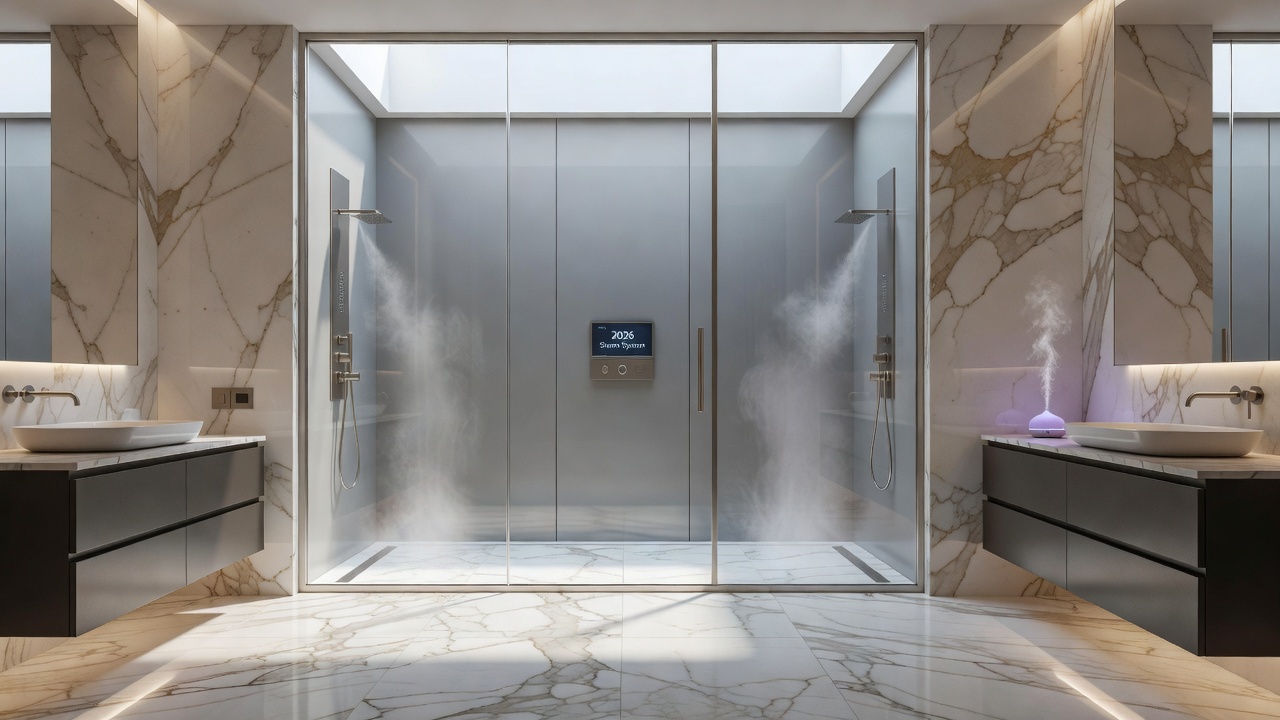
Explore ideas such as floating vanities that create an illusion of more space or integrated smart mirrors for added convenience and modern functionality. Incorporate sustainable choices like low-flow showerheads to improve efficiency while maintaining strong water pressure. Real-world examples include swapping a standard tub for a walk-in shower with built-in seating, which often yields dramatic functional improvements in smaller bathrooms. Add accent walls with geometric tiles or install under-cabinet lighting to highlight storage areas. These updates not only refresh the look but also increase the room's practicality for busy households. Consider incorporating plants or natural elements through humidity-resistant materials to bring a spa-inspired feel that promotes relaxation.
Common Pitfalls to Avoid
Beginners frequently overlook ventilation needs, leading to mold issues that require remediation later. Another frequent mistake involves underestimating timeline disruptions caused by material delays or unexpected plumbing complications. Select trendy materials without considering long-term durability, which can result in premature wear. Review plans with experienced contractors and double-check measurements to sidestep these challenges. Failing to account for storage solutions often leaves the finished space feeling cluttered despite new fixtures. Always test fixtures for compatibility with existing plumbing before installation to avoid leaks or performance issues.
Real-World Examples of Impactful Changes
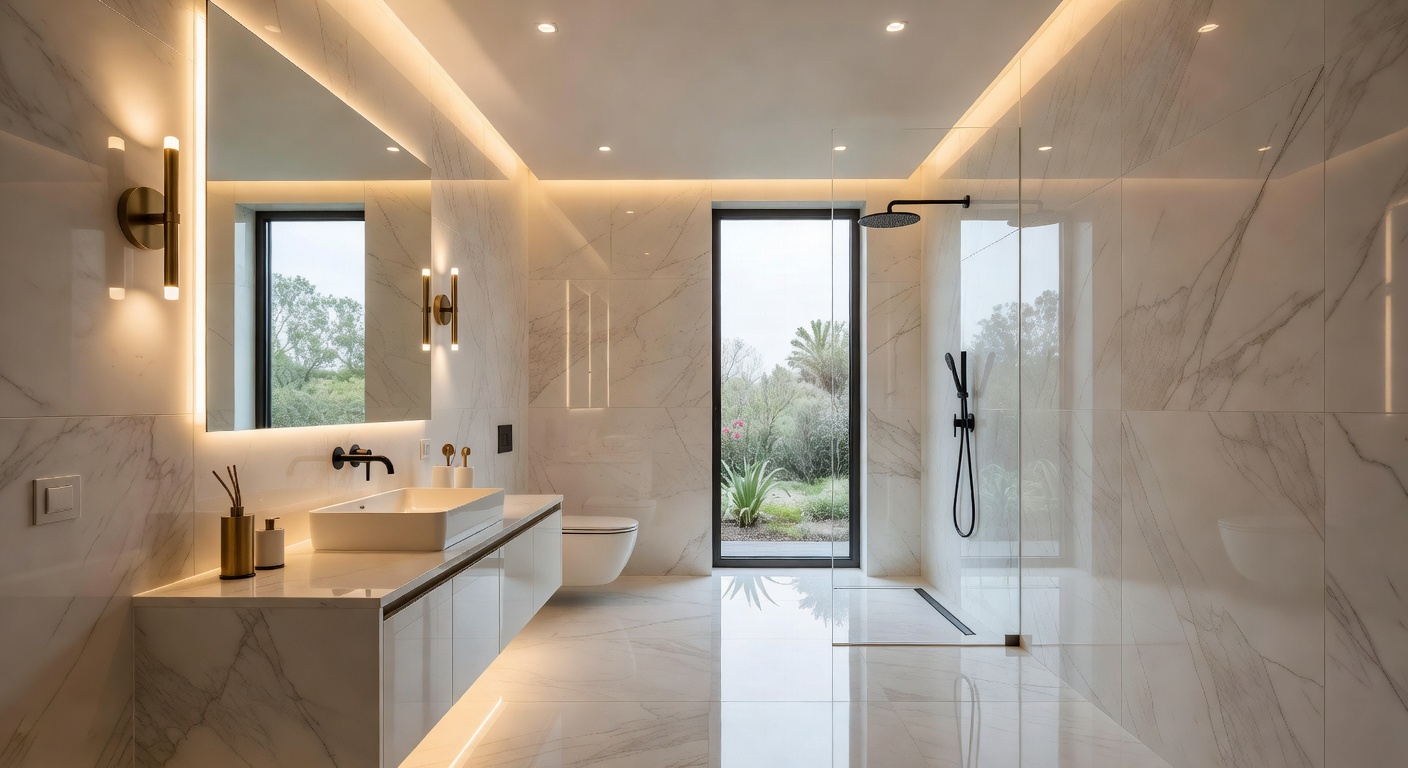
One homeowner refreshed a cramped bathroom by installing a larger mirror and LED lighting, instantly brightening the room and enhancing perceived space while improving morning routines. Another integrated built-in shelving with decorative baskets for organized storage that complemented the overall decor scheme and reduced countertop clutter. A third project transformed an outdated layout by adding a rainfall showerhead and heated towel rack, creating a luxurious feel without extensive structural work. These examples demonstrate how targeted updates can deliver outsized visual and functional benefits when planned thoughtfully.
Frequently Asked Questions
How long does a beginner bathroom remodel typically take?
Most projects span four to eight weeks depending on scope, contractor availability, and any unforeseen issues discovered during demolition.
Should I hire professionals for certain tasks?
Yes, plumbing and electrical work often require licensed experts to ensure safety and code compliance while protecting your investment.
What decor elements work best in small bathrooms?
Light colors, reflective surfaces, and minimal clutter help maximize openness and create a more inviting atmosphere for daily use.
How can I incorporate storage without sacrificing style?
Built-in niches, floating shelves, and multi-functional vanities provide practical solutions that blend seamlessly with modern design trends.
Is it possible to complete parts of the remodel myself?
Yes, painting, installing accessories, and minor cosmetic updates are suitable for DIY enthusiasts while leaving structural work to professionals.
Conclusion
A thoughtful bathroom remodel in 2026 can deliver lasting satisfaction through careful planning and smart material selections that stand the test of time. By following this step-by-step approach from initial assessment through final decor integration, beginners can achieve professional-looking results that enhance both daily life and home value. Start with a detailed assessment, stay organized with clear priorities, and enjoy the rewarding transformation that turns an ordinary bathroom into a personal sanctuary. Resources from sites like This Old House, Houzz, and Bob Vila offer additional inspiration for ongoing projects.
No comments yet. Be the first!