 Fixated on Home
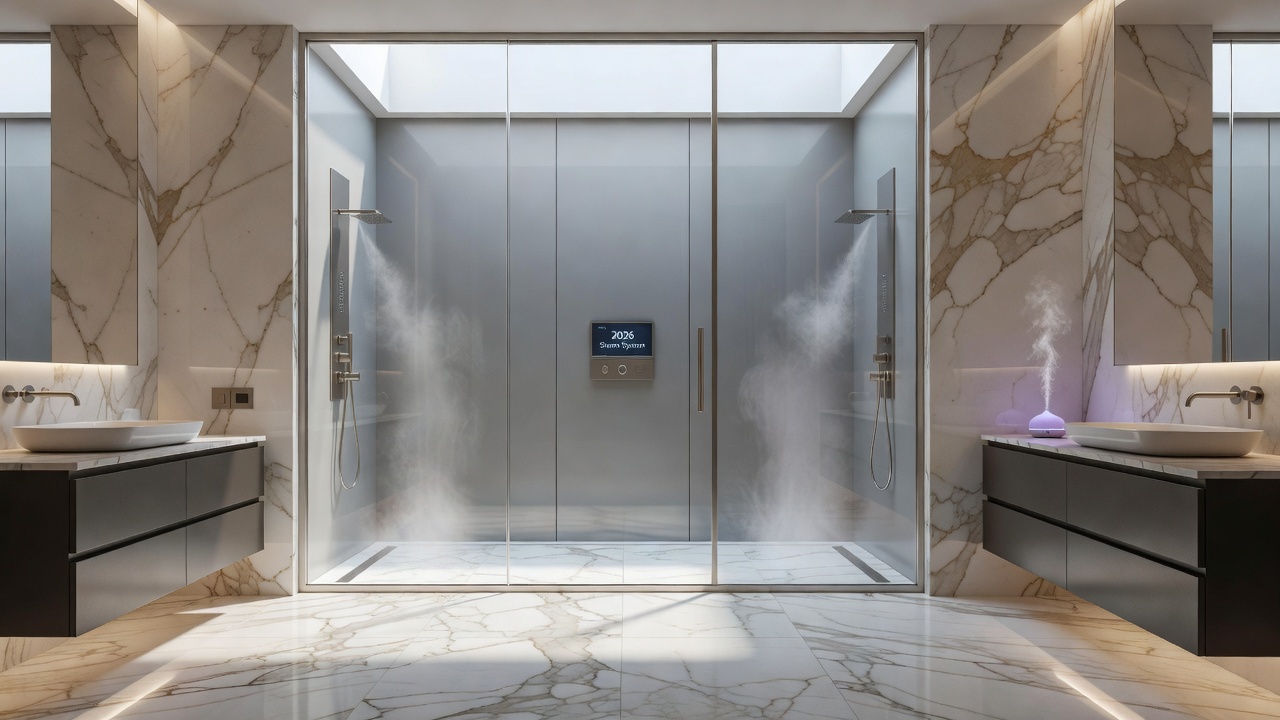
Introduction to Spa-Wellness Bathroom Remodels in 2026
Homeowners are increasingly seeking bathroom remodels that go beyond aesthetics to incorporate true wellness elements. In 2026, integrating features like aromatherapy systems, heated floors, and steam showers transforms ordinary bathrooms into personal spas that support relaxation, health, and long-term home value. This guide provides detailed, practical advice on planning and executing these upgrades with a focus on durability in humid environments. Wellness-focused bathrooms align with broader renovation trends emphasizing biophilic design and sensory experiences. By prioritizing humidity-resistant materials and energy-efficient systems, these remodels deliver both immediate comfort and lasting benefits. Many homeowners report improved daily routines and reduced stress after such transformations, making these upgrades popular among those prioritizing holistic living spaces.
Before beginning any project, assess your current bathroom layout and consult professionals to ensure structural compatibility. This preparation helps avoid costly revisions later and ensures the final design meets both aesthetic and functional goals.
Selecting Humidity-Resistant Materials
Choosing the right materials is critical for longevity in a high-moisture space. Natural stone such as marble or quartzite offers elegance but requires sealing every few years to prevent water damage. Porcelain tiles provide excellent moisture resistance and are easier to maintain, making them ideal for floors and walls in steam-heavy areas. For flooring under heated systems, consider engineered materials designed for radiant heat compatibility, such as specific porcelain or luxury vinyl options that conduct heat efficiently without warping.
Wall treatments should include moisture-rated drywall or cement board behind tiles. Avoid standard gypsum products that can degrade over time from constant humidity exposure. When selecting countertops, quartz or solid surface options resist humidity better than unsealed natural stone, offering both durability and a wide range of design choices. Additional considerations include using mold-resistant grout and waterproof sealants around all joints to maintain integrity over years of use. Examples from successful remodels show that combining these materials creates environments that withstand daily steam and moisture without frequent repairs.
Integrating Aromatherapy Systems
Aromatherapy diffusers integrated into ventilation or shower systems create a spa-like atmosphere. Wall-mounted units connected to HVAC or standalone units with essential oil reservoirs allow customization of scents throughout the day. Installation typically involves routing small tubing or electrical lines during the rough-in phase of remodeling, ensuring seamless operation without visible clutter.
Compare built-in systems versus portable units: built-in options provide seamless integration but require professional electrical work, while portable diffusers offer flexibility at lower upfront effort. Benefits include stress reduction and improved air quality, supported by wellness research from organizations like the World Health Organization. Practical examples include placing diffusers near seating areas or tying them into existing exhaust fans for even scent distribution. Homeowners often experiment with essential oil blends such as lavender for relaxation or eucalyptus for respiratory support.
Heated Floors: Installation Comparisons and Steps
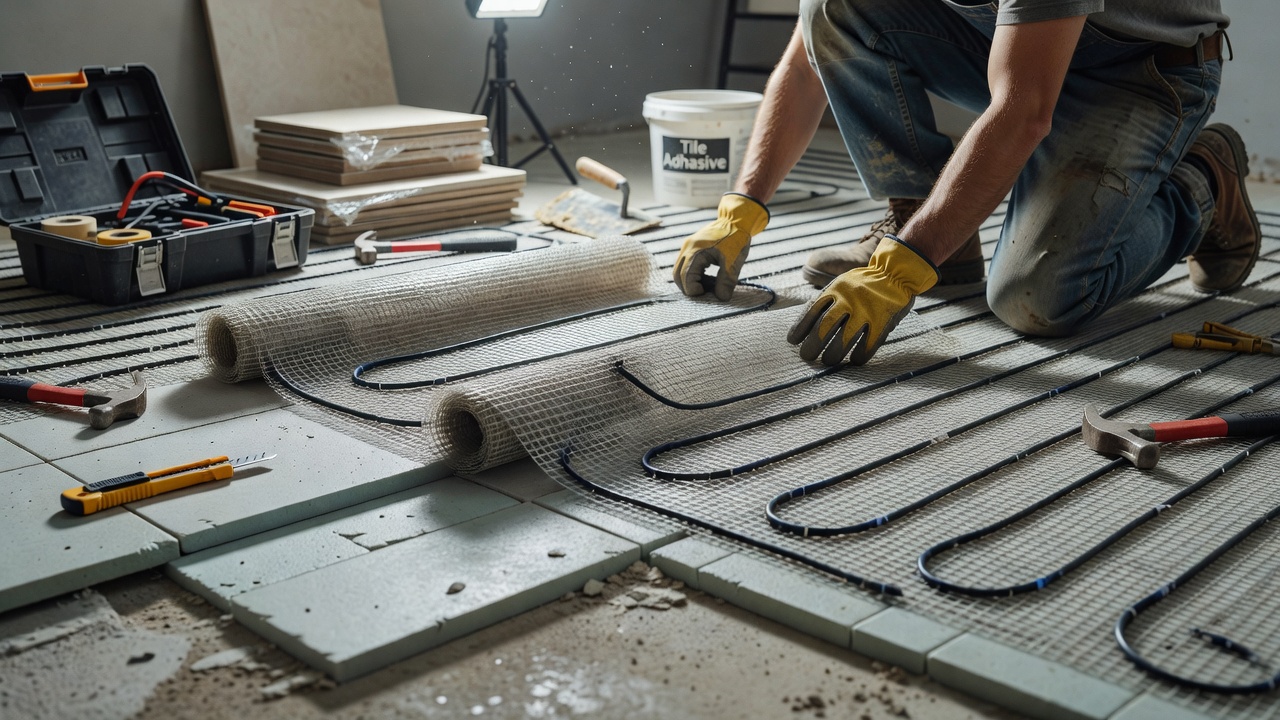
Radiant floor heating enhances comfort, especially on cold mornings. Two main types exist: electric mats and hydronic systems. Electric systems suit smaller bathrooms and involve laying thin mats under tile. Hydronic systems use water tubes and are more efficient for larger spaces but require a boiler connection. Each option has distinct advantages depending on bathroom size and existing infrastructure.
Step-by-step process for electric heated floors includes: 1) Prepare the subfloor with insulation boards to direct heat upward. 2) Lay the heating mats according to manufacturer spacing guidelines, avoiding overlaps. 3) Install a thermostat and connect wiring to a dedicated circuit. 4) Cover with thinset mortar and tile, ensuring even coverage to prevent hot spots. Always test the system before final flooring installation to catch any issues early. Hydronic installations follow similar prep but involve piping loops connected to a central heating source, often requiring more extensive plumbing expertise. Real-world comparisons demonstrate that electric systems are quicker to install in retrofits, while hydronic setups excel in new constructions for whole-home efficiency.
Steam Showers: Design and Practical Implementation
Steam showers deliver therapeutic benefits through controlled humidity and temperature. Key components include a steam generator sized to the enclosure volume, a sealed door, and waterproof seating. Ventilation must balance steam containment with moisture extraction to prevent mold growth. Design considerations encompass bench heights for comfort, lighting integration, and aromatherapy ports that complement other wellness features.
Compare prefabricated steam shower units to custom builds: prefabricated options speed installation but limit design flexibility, while custom enclosures allow integration with existing layouts at higher time investment. Safety features like temperature controls and auto-shutoff timers are essential. Many 2026 projects incorporate chromotherapy lighting within steam units to enhance the sensory experience further.
Budget Allocation for Wellness Features
Effective planning allocates resources across materials, labor, and specialized equipment. Focus spending on high-impact items like generators and heating elements first, then finish with finishes. Factor in potential energy savings from efficient systems over time, along with professional installation costs for complex components. Homeowners can prioritize phased implementation, starting with flooring and adding steam elements in subsequent stages to manage cash flow effectively.
Energy Efficiency Considerations
Modern wellness features can be optimized for lower energy use through smart controls and insulation. Programmable thermostats for heated floors and efficient steam generators reduce overall consumption. Pairing these with LED lighting and low-flow fixtures creates a truly sustainable spa environment. Guidance from the U.S. Department of Energy highlights best practices for minimizing utility impacts while maintaining luxury performance.
Maintenance and Energy Efficiency FAQs
- How often should aromatherapy systems be cleaned? Monthly cleaning prevents residue buildup and maintains performance.
- Are heated floors energy efficient? Modern systems with smart thermostats reduce consumption by operating only when needed.
- What maintenance does a steam shower require? Regular descaling of the generator and wiping surfaces prevents mineral deposits.
- How do these features affect home value? Wellness upgrades often appeal to buyers seeking luxury amenities, potentially increasing resale interest.
- What common mistakes should be avoided during installation? Skipping moisture barriers or improper sizing of equipment can lead to long-term issues.
For authoritative guidance on indoor air quality and wellness, consult resources from the U.S. Environmental Protection Agency. Additional practical tips include scheduling annual professional inspections to ensure all systems remain optimal.
Common Mistakes to Avoid
Overlooking ventilation planning often leads to moisture problems. Another frequent error is selecting incompatible materials that fail under humidity stress. Always verify electrical capacity before adding multiple high-draw features like heated floors and steam generators.
Conclusion
Integrating spa-wellness features into a 2026 bathroom remodel creates a high-value, restorative space. With careful material selection, thoughtful installation, and attention to maintenance, homeowners achieve luxury upgrades that enhance daily living and property appeal. Thorough planning ensures these investments provide years of enjoyment and functionality.
No comments yet. Be the first!