 Fixated on Home
Introduction to Vintage-Modern Fusion Bathrooms
Blending vintage aesthetics with contemporary functionality creates bathrooms that feel both timeless and practical. In 2026, homeowners are increasingly choosing this hybrid approach to achieve distinctive upgrades without full gut renovations. This style respects classic elements while integrating energy-efficient technologies and smart features that align with current standards. The fusion style draws from mid-century and early 20th-century influences while incorporating the latest in water conservation, lighting controls, and material durability.
The appeal lies in its versatility. Whether updating a historic home or adding character to a newer build, vintage-modern fusion allows for personalized spaces that stand out from generic trends. Homeowners appreciate how this method preserves architectural heritage while meeting the demands of busy modern lifestyles, such as quick-clean surfaces and automated temperature controls. By focusing on selective integration rather than complete overhauls, projects stay manageable in scope and budget.
Sourcing Reclaimed Fixtures for Authentic Charm
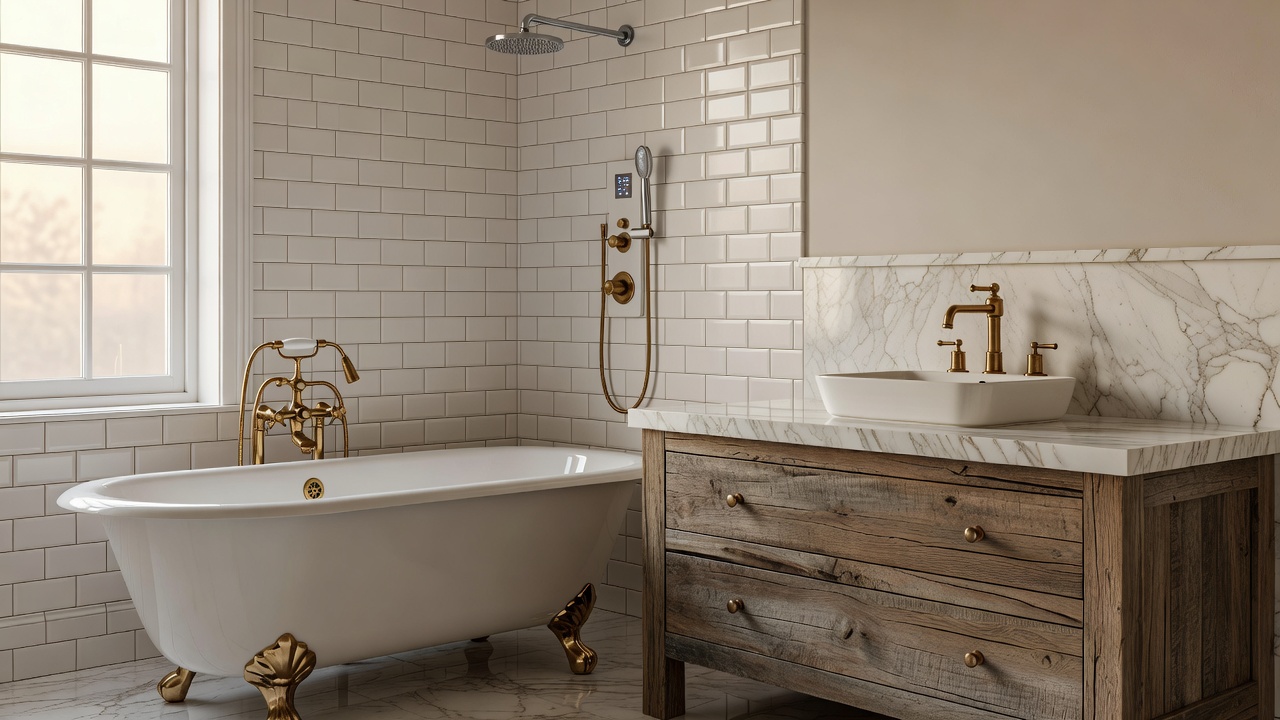
Reclaimed fixtures form the backbone of vintage-modern designs. Look for clawfoot tubs, pedestal sinks, and brass hardware from salvage yards or specialized suppliers. These pieces add history and reduce waste, supporting sustainable remodeling practices. Sourcing often involves visiting local architectural salvage centers or online marketplaces dedicated to reclaimed building materials. Inspect each item carefully for cracks, rust, or wear that could affect performance after installation.
When sourcing, inspect for structural integrity and compatibility with modern plumbing. Many 2026 projects pair original porcelain with updated water-efficient internals to meet efficiency guidelines. For example, a restored 1920s cast-iron tub can be fitted with new overflow drains and low-flow fillers without altering its exterior appearance. Always verify dimensions early, as vintage pieces may require custom framing or floor reinforcement to support their weight safely.
Pairing Classic Tiles with Smart Technology
Subway tiles or encaustic patterns evoke vintage appeal, yet they pair seamlessly with smart showers and heated floors. Install motion-sensor faucets or app-controlled lighting behind traditional tilework to maintain visual continuity while enhancing usability. Choose tiles with subtle variations in color to mimic aged patinas, then integrate hidden sensors within grout lines for a clean look. This combination respects 2026 design standards that prioritize both beauty and convenience.
Consider moisture-resistant smart mirrors that double as digital displays for weather or schedules. These mirrors can sync with home assistants while framed in ornate vintage-style wood or metal to maintain the desired aesthetic. Heated towel racks with programmable timers offer another layer of modern comfort without disrupting classic tile layouts. Careful planning ensures wiring and plumbing routes remain concealed behind wainscoting or built-in niches.
Balancing Textures for Visual Interest
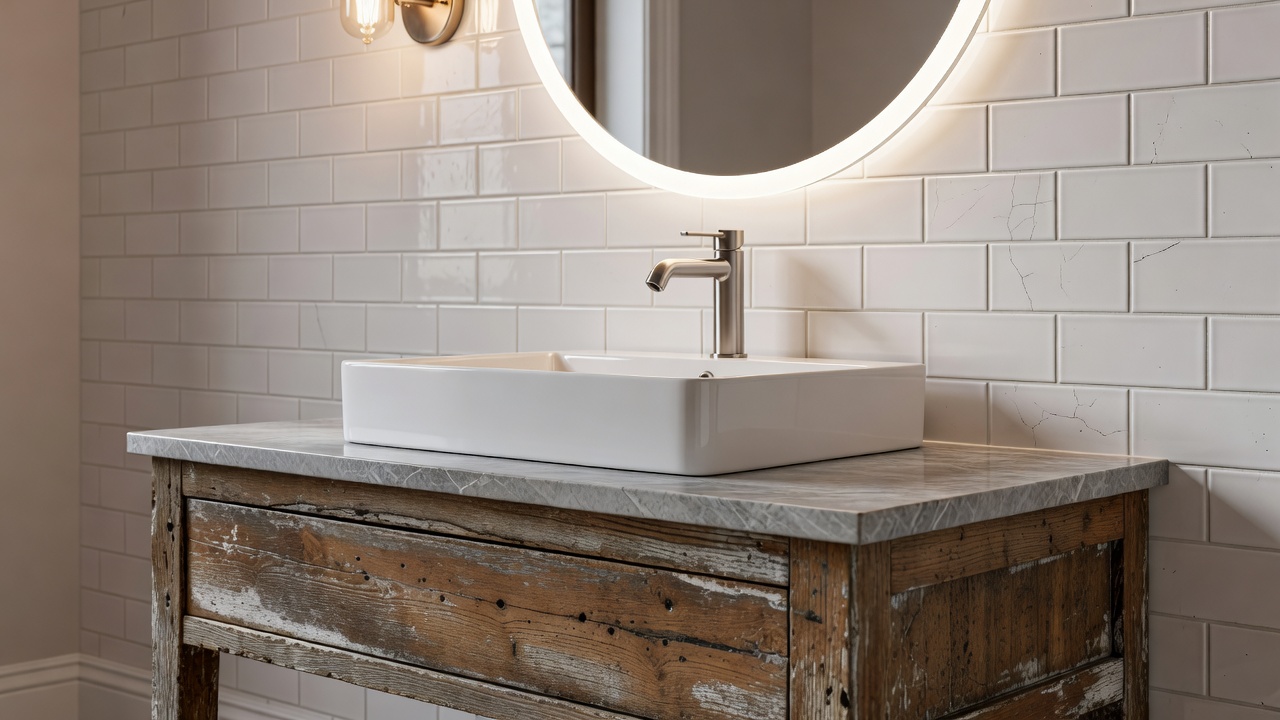
Texture layering prevents the space from feeling flat. Combine smooth marble countertops with rough-hewn wood vanities and matte black metals. Soft linens and woven baskets soften harder surfaces, creating inviting tactile experiences. Pay attention to scale: large-format honed stone floors ground the room while smaller mosaic accents in showers add intricate detail reminiscent of historic baths.
- Use honed stone for floors to reduce slipperiness while preserving elegance.
- Incorporate brushed nickel accents against distressed cabinetry for contrast.
- Layer lighting with both warm vintage-style scones and cool LED strips hidden in coves.
- Add natural elements such as live-edge wood shelving or linen window treatments to introduce organic warmth.
- Balance reflective surfaces like polished chrome with matte ceramics to control glare from modern LED fixtures.
Real-World Case Studies of Successful Fusions
One suburban renovation transformed a 1970s bathroom by retaining original cast-iron radiators and adding a rainfall shower with digital controls. The result balanced nostalgia with daily comfort through careful selection of reproduction hardware that matched existing metal finishes. Another urban project reused Art Deco tiles alongside voice-activated ventilation systems, showcasing how older materials adapt to new tech while improving air quality. A third example involved a coastal cottage where homeowners kept original clawfoot tubs but upgraded to smart lighting and underfloor heating, creating a spa-like retreat suitable for year-round use.
Practical Steps for Planning Your Remodel
Start by assessing existing fixtures and determining which to keep. Create a mood board mixing vintage inspirations with modern product specs. Consult professionals early to address plumbing and electrical integrations. Set phased timelines to minimize disruption, beginning with demolition of non-essential elements before fixture installation. Measure all openings twice and order custom adapters if vintage drains do not align with current pipe sizes. Test smart device compatibility with your existing Wi-Fi network before purchase to avoid connectivity issues later.
Cost-Saving Tips Without Sacrificing Style
Focus spending on high-impact areas like statement tubs or custom tile layouts. Source locally to cut shipping costs and opt for refurbished hardware where possible. Energy-efficient upgrades often qualify for incentives, stretching budgets further while aligning with modern performance expectations. Consider DIY demolition of non-structural elements and reserve professional labor for electrical and plumbing work. Repurposing existing vanities with new hardware and paint can save thousands compared to full replacements while achieving the desired mixed-era look.
FAQ: Addressing Common Challenges
How do I ensure material compatibility?
Test sealants and adhesives on sample pieces first. Vintage materials may require specific primers before accepting modern finishes. Always check expansion rates between old porcelain and new grouts to prevent cracking over time.
What if my home lacks historic features?
Incorporate reproduction pieces or salvaged accents from other properties to build the vintage layer organically. Many manufacturers now offer faithful replicas of 1930s and 1940s fixtures that meet current codes.
Are smart features difficult to retrofit?
Many wireless options exist that require minimal wiring, making them ideal for partial renovations common in fusion projects. Battery-powered sensors and Bluetooth-enabled controls reduce the need for extensive electrical work.
How do I maintain the finished space?
Use pH-neutral cleaners on both vintage and modern surfaces. Schedule annual inspections of smart components to ensure sensors and seals remain functional alongside traditional fixtures.
Conclusion
Vintage-modern fusion bathroom remodeling delivers spaces that honor the past while embracing 2026 innovations in comfort and efficiency. With thoughtful sourcing, careful planning, and balanced textures, homeowners can create bathrooms that feel unique and highly functional for years to come. For more inspiration on blending eras, explore resources from Architectural Digest, Houzz, and This Old House.
No comments yet. Be the first!