 Fixated on Home
Introduction to Aging-in-Place Bathroom Remodels
As homeowners age, bathrooms often become the most challenging spaces in the home. A 2026 aging-in-place bathroom remodel focuses on accessibility while blending seamlessly with current interior design trends. This approach supports mobility needs without sacrificing style, creating a safe and comfortable environment for years to come. Homeowners increasingly seek remodels that accommodate wheelchairs, walkers, and reduced strength while incorporating elements like sustainable materials, soft-close hardware, and neutral color palettes that reflect 2026 design preferences.
Key elements include zero-threshold showers, reinforced grab bars, and adjustable-height vanities paired with smart storage. These features address common issues like slips, reaching difficulties, and limited maneuverability. By planning thoughtfully, homeowners can achieve both function and aesthetics that align with 2026 trends such as sustainable materials and minimalist designs. The result is a bathroom that promotes independence and reduces the likelihood of future modifications.
Why Accessibility Matters in Modern Bathrooms
Bathrooms present unique risks for older adults due to wet surfaces and confined spaces. According to CDC guidelines, falls remain a leading cause of injury among seniors. Remodeling with accessibility in mind reduces these risks while improving daily independence. Beyond safety, these updates support emotional well-being by allowing individuals to maintain routines without assistance from caregivers.
Modern remodels also consider long-term home value. Features that support aging in place appeal to a growing demographic and can make properties more versatile for future buyers or family members. In addition, accessible designs often meet or exceed building codes, simplifying future resale or insurance considerations.
Essential Accessibility Features for 2026
Zero-Threshold Showers
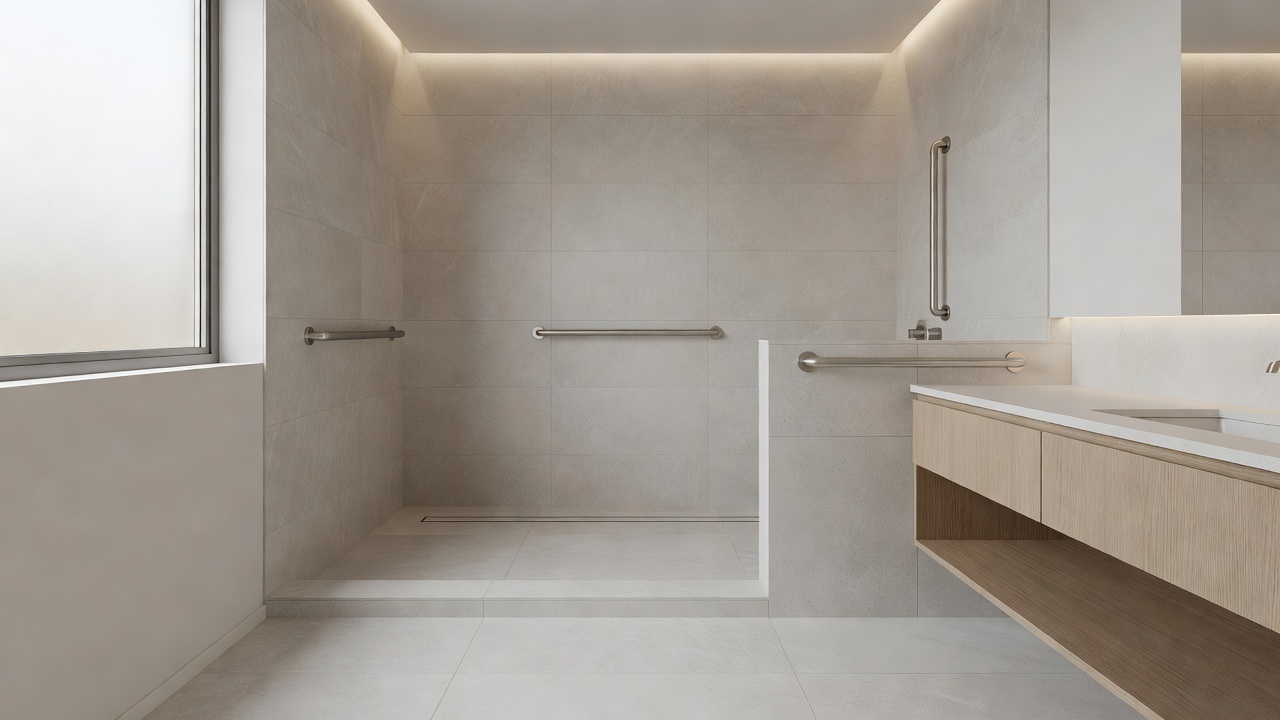
Zero-threshold showers eliminate the step-over barrier that often causes trips. These walk-in designs typically include built-in seating and handheld showerheads. In 2026, popular options incorporate linear drains and textured, slip-resistant flooring that maintains a sleek appearance. Homeowners can choose from curbless entries with custom glass enclosures or open-concept layouts that integrate with the rest of the bathroom. Practical examples include adding fold-down shower seats and multiple grab points inside the shower to assist with standing or transferring.
Reinforced Grab Bars
Grab bars provide critical support near toilets, showers, and tubs. Modern versions come in stylish finishes like brushed nickel or matte black to match decor. Installation requires reinforcement behind the walls, often using blocking during construction for maximum safety. Consider placing bars at varying heights to accommodate both seated and standing users, and select models with textured grips for wet conditions.
Adjustable-Height Vanities with Storage
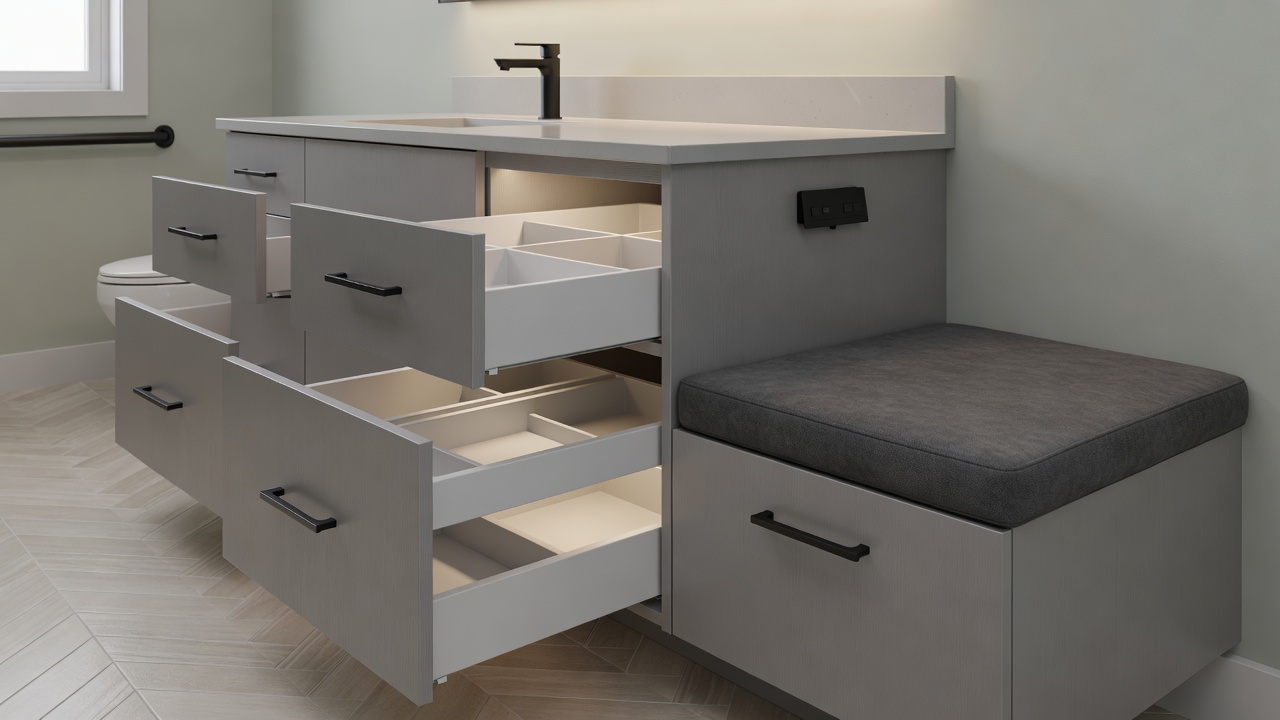
Adjustable vanities allow customization for seated or standing use. Paired with pull-out shelves and soft-close drawers, they offer practical storage without clutter. These solutions help maintain an organized space while accommodating wheelchairs or mobility aids. Examples include wall-mounted units that can be raised or lowered electronically and vanities with integrated lighting to improve visibility for grooming tasks.
Comparing Durable and Stylish Materials
Selecting materials that balance durability, safety, and aesthetics is crucial. Porcelain tiles remain a top choice for floors and walls due to their water resistance and variety of patterns. Quartz countertops provide a low-maintenance surface that resists stains and scratches. For 2026 trends, homeowners are opting for matte finishes and natural textures. Vinyl plank flooring offers a softer, warmer alternative to tile while remaining waterproof. Always verify slip-resistance ratings when choosing surfaces for wet areas. Additional comparisons show that engineered stone offers greater durability than natural marble in high-moisture environments, while recycled glass tiles add visual interest without compromising safety standards.
Step-by-Step Planning Advice
- Assess current bathroom layout and identify mobility barriers through a professional evaluation. Measure door widths, floor space, and fixture heights to determine necessary changes.
- Consult with an accessibility specialist to prioritize features based on specific needs. This step often reveals overlooked details such as lighting placement or outlet locations.
- Review local building codes and obtain necessary permits before starting work. Compliance ensures the remodel meets safety requirements and avoids future legal issues.
- Select materials and fixtures that align with both accessibility and design goals. Create a mood board to visualize how elements like tile patterns and hardware finishes work together.
- Schedule phased construction to minimize disruption if living in the home during the project. Coordinate with contractors on timelines for plumbing, electrical, and finishing stages.
Budget Considerations for Bathroom Remodeling
Costs vary widely depending on scope, materials, and location. Focus on high-impact items first, such as showers and safety fixtures, before adding luxury elements. Working with experienced contractors ensures efficient use of resources and avoids costly rework. Homeowners should obtain multiple bids and request detailed breakdowns that separate labor from materials. Exploring phased approaches allows spreading expenses over time while still achieving core accessibility upgrades promptly.
Real-Home Case Studies
One suburban couple transformed their 1980s bathroom into an accessible oasis featuring a curbless shower and wall-mounted vanity. The result improved daily routines and created a spa-like atmosphere with warm lighting and neutral tones. Another example involved a single-story home where the owners added smart controls and reinforced bars. The remodel integrated storage solutions that reduced clutter and enhanced the overall flow of the space. A third case study highlights a multi-generational household that incorporated a roll-in shower bench and lever-style faucets, resulting in greater usability for both elderly parents and young children.
Common Mistakes to Avoid
Many homeowners overlook proper wall reinforcement when installing grab bars, leading to safety failures. Others choose stylish but slippery flooring that increases fall risk. Failing to plan for future technology integration can also limit long-term adaptability. Always test fixture heights with actual users before final installation and verify that door swings allow clear wheelchair access.
Maintenance and Long-Term Care
After the remodel, regular maintenance preserves both safety and appearance. Clean slip-resistant surfaces with non-abrasive products to maintain traction. Inspect grab bar mounts periodically for stability and address any leaks immediately to prevent water damage behind walls. Smart sensors can alert homeowners to moisture issues before they become major problems.
Integrating Smart Features for Long-Term Comfort
Smart technology enhances safety and convenience. Voice-activated lighting, temperature-controlled showers, and leak-detection sensors are increasingly common in 2026 remodels. These systems can be controlled via apps or voice assistants, supporting independence for those with limited mobility. When adding smart features, ensure compatibility with existing home systems and plan for future updates. Professional installation helps integrate these elements without compromising accessibility standards.
Frequently Asked Questions
How long does an aging-in-place bathroom remodel typically take?
Most projects range from two to six weeks, depending on complexity and whether structural changes are required.
Can existing bathrooms be retrofitted affordably?
Yes, many features like grab bars and lever faucets can be added with minimal disruption, though full zero-threshold showers often require more extensive work.
What smart features are most beneficial?
Lighting controls, water-temperature monitors, and emergency alert systems provide the greatest safety and comfort improvements.
How do I choose between different grab bar styles?
Evaluate finish options for corrosion resistance and select lengths that match user reach patterns while complementing the overall design aesthetic.
Are there specific ventilation needs for accessible bathrooms?
Yes, powerful yet quiet exhaust fans prevent mold growth and maintain air quality, which is especially important for individuals with respiratory sensitivities.
Conclusion
A well-planned 2026 aging-in-place bathroom remodel combines essential accessibility with contemporary style. By focusing on zero-threshold showers, reinforced supports, adjustable vanities, and smart integrations, homeowners create spaces that promote safety and independence. Thoughtful material choices and structured planning ensure the project meets both immediate needs and future trends. World Health Organization resources on healthy aging further emphasize the value of supportive home environments.
No comments yet. Be the first!