 Fixated on Home
Introduction
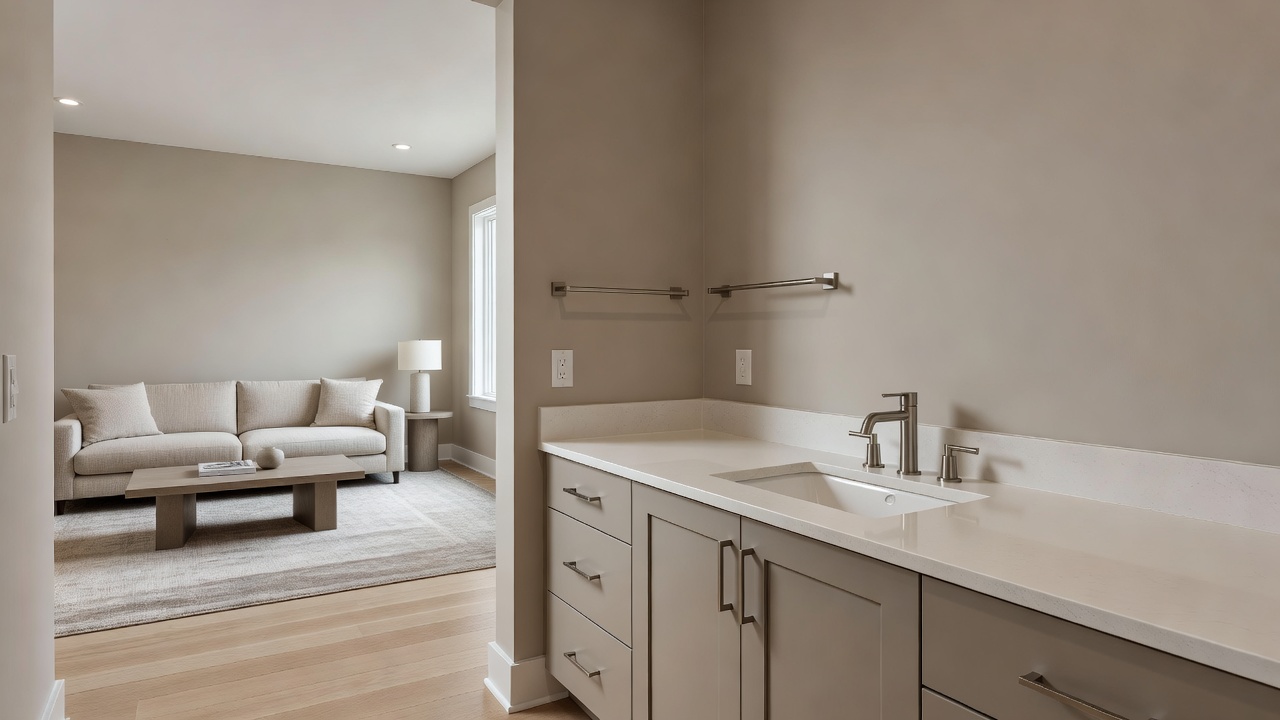
Creating a bathroom that feels like a natural extension of your home's overall decor requires thoughtful planning rather than treating the space as an isolated project. Homeowners increasingly seek cohesive interiors that enhance daily living and boost property appeal. When bathrooms are remodeled without considering the rest of the house, the result can feel disjointed and reduce the overall sense of harmony. This comprehensive guide walks through proven strategies for assessing your current style, choosing matching elements, coordinating colors and finishes, and executing a remodel that ties everything together seamlessly. By following these steps, you can achieve a space that not only meets functional needs but also elevates the entire property's aesthetic.
Assessing Your Existing Home Style
Before selecting any tiles or fixtures, evaluate the dominant architectural and design themes throughout your house. Walk through each room noting key elements such as molding profiles, flooring materials, lighting fixtures, and architectural details like archways or built-ins. Identify whether your home leans modern minimalist, traditional with ornate details, transitional, farmhouse, or eclectic. Documenting these observations with photos and notes helps maintain consistency when decisions arise later in the process. Pay special attention to repeating motifs, such as the use of natural stone in entryways or metallic accents in living areas, as these can guide your bathroom choices effectively.
Modern homes often feature clean lines, open spaces, and neutral tones with pops of bold color, while traditional spaces incorporate richer woods, intricate hardware, and classic patterns. Transitional styles blend both worlds, offering flexibility for homeowners who want a balanced approach. Matching your bathroom to these established cues prevents visual disconnects that can make a remodel feel like an afterthought. Consider consulting resources from established home design platforms like This Old House for deeper insights into period-specific styles that may influence your decisions.
Selecting Complementary Fixtures and Finishes
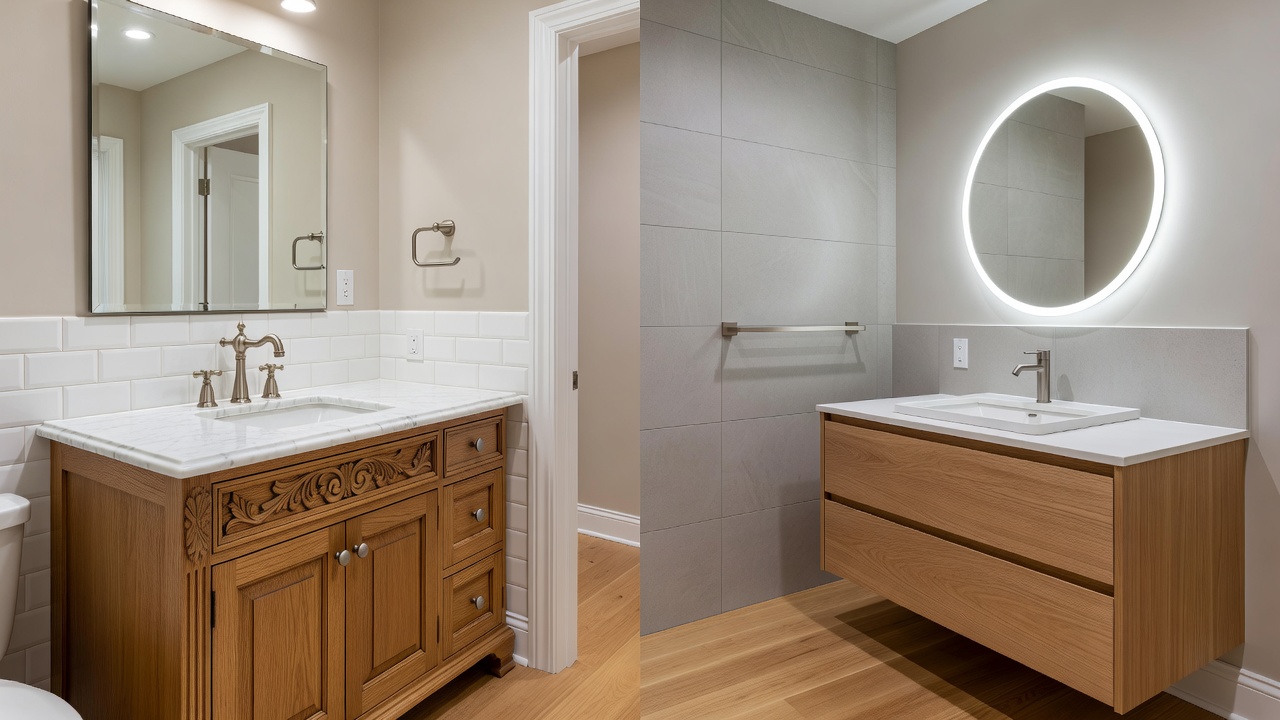
Fixtures serve as the jewelry of any bathroom and play a critical role in tying the space to the rest of the home. Choose faucets, showerheads, towel bars, and cabinet hardware that echo finishes already present elsewhere in the house. For example, brushed nickel or matte black hardware can unify spaces when those metals appear in kitchen pendant lights or living room lamps. Vanity styles should also align—floating modern vanities suit contemporary homes, while furniture-style pieces with detailed legs work better in traditional or transitional settings. Scale matters greatly: oversized rain heads may overwhelm a small powder room in a compact cottage, whereas they enhance a spacious primary bath in a larger residence.
Always cross-reference material samples against existing surfaces under the same lighting conditions to ensure they complement rather than clash. Explore options for countertops, sinks, and shower surrounds that mirror materials used in other wet areas like the kitchen. Practical considerations include water efficiency and durability, which can be researched through expert sites such as Bob Vila. Layering textures, such as combining smooth quartz with textured tile, adds visual interest while maintaining cohesion when these elements repeat in subtle ways across the home.
Coordinating Color Palettes Across Spaces
Color continuity creates flow between rooms and prevents the bathroom from appearing as a separate island. Pull accent hues from adjacent hallways or bedrooms into bathroom accessories like towels, rugs, shower curtains, and artwork. Main wall colors can vary slightly in saturation but should belong to the same family for harmony—cool grays in a living room can transition into warmer taupes in the bath when balanced with shared wood tones or metallic finishes. Test paint samples on large boards and view them at different times of day to see how natural and artificial light affects the palette.
Incorporate patterns sparingly but intentionally, such as using a subtle geometric tile that echoes a rug in the family room. This approach ensures the bathroom feels integrated rather than jarring. For inspiration on palette coordination, homeowners often turn to comprehensive design guides available at HGTV, which provide real-world examples of successful multi-room color stories.
Step-by-Step Planning Checklist
A structured checklist keeps the project organized and aligned with broader home decor goals. Follow these expanded steps for thorough preparation:
- Inventory current decor elements by photographing every room and noting materials, colors, and hardware finishes.
- Define the target aesthetic and create a detailed mood board using physical samples or digital tools to visualize cohesion.
- Measure the bathroom precisely, noting architectural constraints like window placements, plumbing locations, and door swings.
- Research materials that complement existing finishes, prioritizing durability and low maintenance where high traffic occurs.
- Consult professionals such as interior designers or contractors early for structural, electrical, or plumbing implications that could affect design choices.
- Finalize selections and order physical samples for final approval under actual home lighting.
- Schedule work phases to minimize disruption to household routines, including temporary bathroom solutions if needed.
- Plan for post-renovation styling with accessories that bridge the bathroom to neighboring spaces.
Real-Home Examples
Consider a modern suburban home where the primary bath was updated with the same quartz countertop material used in the kitchen island, paired with matte black fixtures that matched living room lamps and curtain rods. The result created seamless movement between spaces and made the entire first floor feel larger and more intentional. In a traditional colonial residence, classic subway tile in a soft gray and oil-rubbed bronze hardware echoed details found in the dining room wainscoting and stair railings, delivering understated elegance that appealed to potential buyers during resale.
Another example involves a transitional-style ranch house: the bathroom incorporated wood-look porcelain tile on the floor to match hallway planks, with white shaker vanities that coordinated with kitchen cabinets. These real-life cases demonstrate how small, deliberate choices lead to big impacts on perceived home unity.
Material Comparison Table
| Material | Best For | Maintenance Level | Style Match | Durability Notes |
|---|---|---|---|---|
| Porcelain Tile | Floors, walls, showers | Low | Modern, transitional, farmhouse | Highly resistant to moisture and stains |
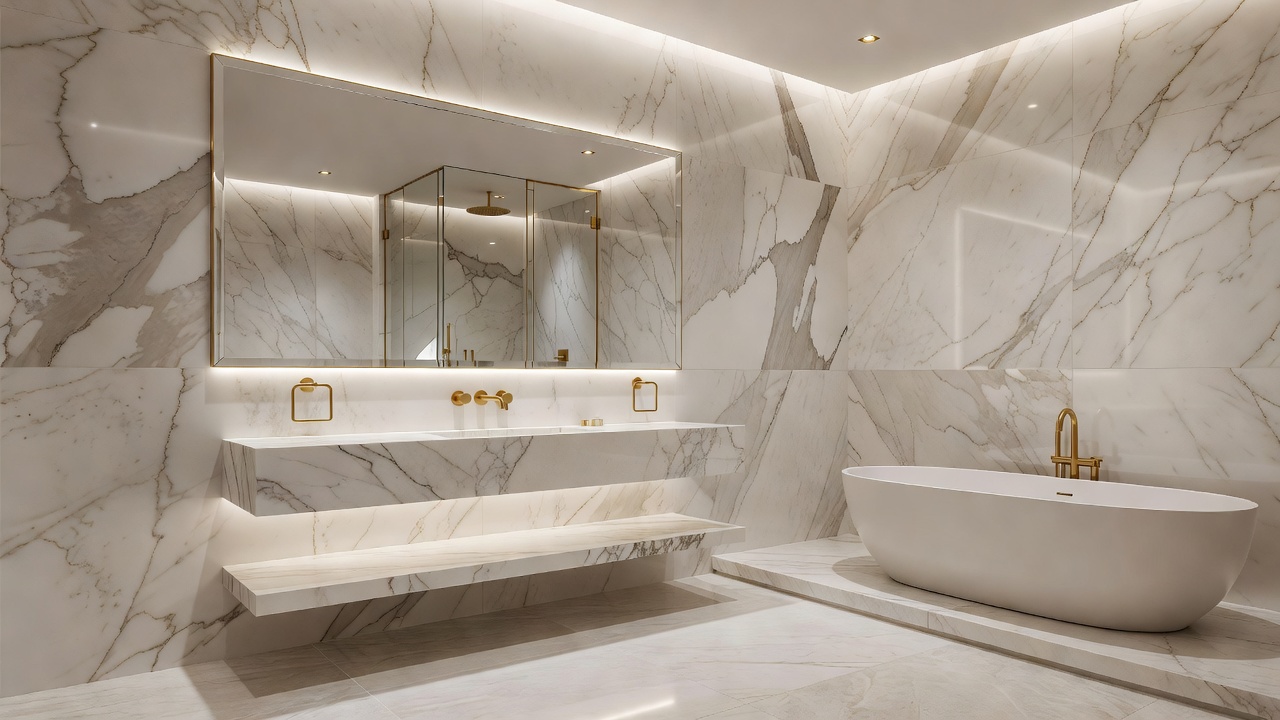
| Marble | Vanity tops, accents | Medium to high | Traditional, luxury | Requires sealing; shows etching over time |
| Quartz | Countertops, surrounds | Low | Contemporary, transitional | Non-porous and scratch-resistant |
| Wood Vanities | Storage and aesthetics | Medium | Transitional, classic, farmhouse | Needs protection from humidity |
| Glass Tile | Accent walls, niches | Low to medium | Modern, eclectic | Reflects light to enlarge small spaces |
Enhancing Property Value Through Cohesion
Unified design choices often improve resale appeal because buyers perceive the entire home as thoughtfully updated rather than piecemeal. Consistent finishes across rooms help properties photograph better in listings and appeal to a broader audience seeking move-in-ready homes. Focus on durable, timeless selections rather than trendy accents that may date quickly, and incorporate energy-efficient elements where possible to add further value.
Mistakes to Avoid
Common pitfalls include ignoring natural light sources when choosing colors, selecting trendy fixtures that clash with established hardware elsewhere, and overlooking storage needs that disrupt the flow of the overall floor plan. Another frequent error is failing to account for how the bathroom door opens into adjacent spaces, which can break visual continuity. Always review the full renovation plan with an eye toward the home's larger narrative.
FAQ on Common Coordination Challenges
How do I handle mismatched flooring between the bathroom and hallway?
Use transition strips in complementary metals or wood tones. Alternatively, carry a hallway runner into the bath for visual continuity without changing the subfloor, or opt for a large format tile that mimics the hallway material.
What if my home has multiple styles due to previous renovations?
Identify the strongest recurring element, such as a wood tone or metal finish, and use it as the unifying thread throughout the new bathroom while toning down conflicting details.
Can I mix metals successfully?
Yes, but limit to two finishes maximum and repeat both elsewhere in the home for balance and intentionality.
How important is lighting coordination?
Very important—match fixture styles and color temperatures to those in nearby rooms to maintain a consistent ambiance throughout the day and evening.
Conclusion
Aligning your bathroom remodel with the rest of your home creates a polished, intentional environment that feels complete and welcoming. By methodically assessing styles, selecting matching elements, coordinating colors, and following a detailed checklist, you achieve results that elevate daily enjoyment and long-term property value. Start with small samples and mood boards to ensure every choice supports the bigger picture, resulting in a bathroom that truly belongs within your home's unique story.
No comments yet. Be the first!