 Fixated on Home
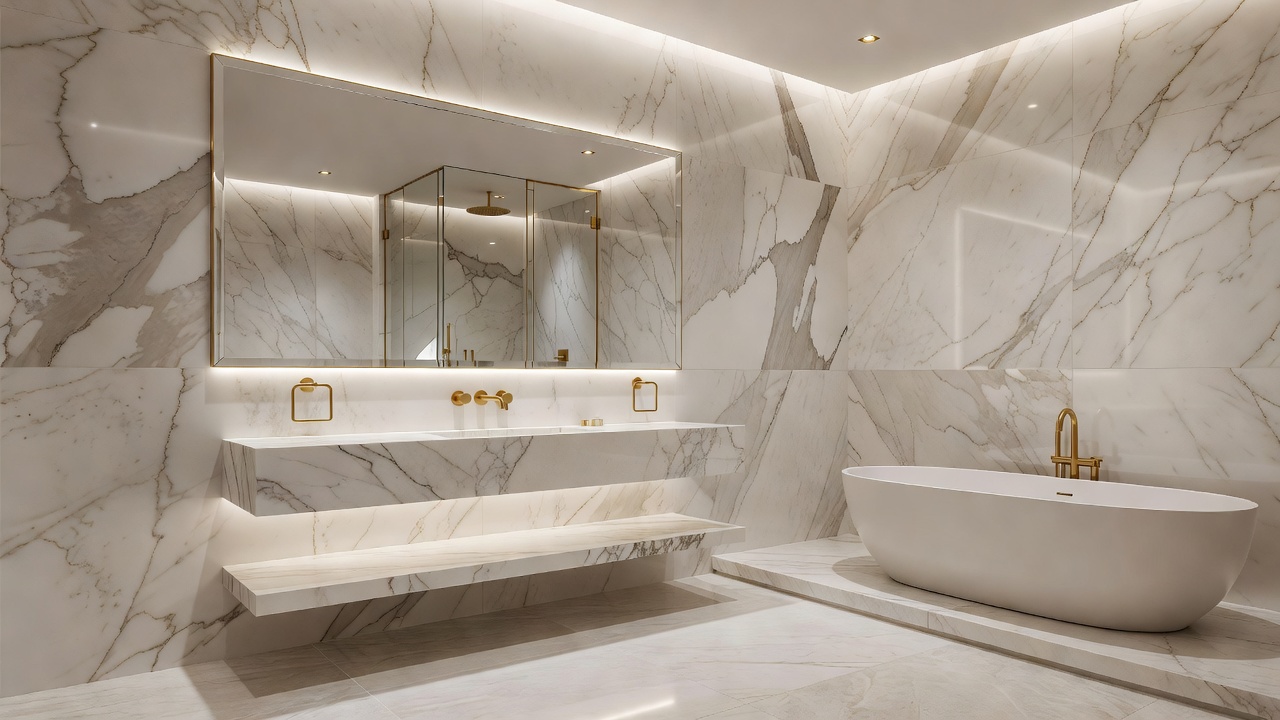
Introduction to Luxury Bathroom Remodeling in 2026
Luxury bathroom remodeling transforms ordinary spaces into sophisticated retreats that reflect personal style while enhancing property value. In 2026, homeowners are prioritizing high-end materials, integrated smart features, and custom details that align with overall home aesthetics. This approach goes beyond basic updates, focusing on rare fixtures, layered textures, and balanced functionality to create statement-making environments that serve as personal sanctuaries. Trends emphasize sustainability alongside opulence, with designers incorporating reclaimed woods and ethically sourced stones to meet both aesthetic and environmental standards. Homeowners seeking these upgrades often look for ways to maximize natural light, improve spatial flow, and introduce elements that feel bespoke rather than off-the-shelf. The result is a space that elevates daily routines into experiences of comfort and refinement, while contributing to the home's overall market appeal. Successful projects often draw inspiration from leading design resources. For instance, publications like Architectural Digest highlight emerging trends in opulent interiors that emphasize sustainability and craftsmanship.
Selecting High-End Materials for Timeless Appeal
Material selection forms the foundation of any luxury remodel. Marble, onyx, and exotic woods remain popular, but 2026 emphasizes responsibly sourced options with unique veining and finishes. Consider Calacatta Gold marble for countertops paired with brushed brass accents to add warmth without overwhelming the space. Travertine and honed limestone offer softer alternatives that age gracefully, providing a sense of history and depth. When choosing these materials, it is essential to evaluate durability alongside beauty, ensuring surfaces withstand daily moisture and cleaning routines without losing their luster. Homeowners frequently combine multiple stones in a single project, such as pairing a dramatic book-matched marble wall with subtle limestone flooring to create visual interest without visual fatigue. This careful curation ensures the bathroom feels cohesive and intentional rather than overly decorated.
Texture layering adds visual depth through combinations of polished stone, matte ceramics, and handcrafted tiles. This technique creates a multi-sensory experience, where smooth surfaces contrast with tactile elements like woven baskets or velvet upholstery on seating areas. Designers recommend testing material samples under actual lighting conditions in the space to understand how they interact throughout the day.
Custom Millwork and Integrated Design Elements
Custom millwork elevates storage and architectural details. Built-in vanities with hidden compartments and floating shelves crafted from reclaimed teak provide both elegance and practicality. These elements integrate seamlessly with home decor, such as matching cabinetry that echoes kitchen or bedroom styles. Incorporating recessed niches for towels or toiletries keeps surfaces clutter-free while adding architectural interest. Many 2026 projects feature millwork painted in deep, moody tones or finished with subtle distressing to evoke a collected, timeless feel. This level of customization allows the bathroom to feel like a natural extension of the rest of the residence rather than an isolated room.
Integrated lighting within millwork highlights key features while supporting daily routines. LED strips concealed in niches offer adjustable ambiance, blending luxury with energy efficiency. Homeowners can further personalize these elements by selecting hardware finishes that complement other rooms, creating a unified aesthetic across the property.
Sourcing Rare Fixtures and Hardware
Rare fixtures set luxury bathrooms apart. Look for limited-edition pieces from artisanal makers, including hand-blown glass sinks or sculptural faucets in patinated metals. Working with specialized suppliers ensures access to unique designs that avoid mass-market repetition. Sourcing often involves visiting showrooms or collaborating with international artisans who produce one-of-a-kind pieces. When selecting fixtures, consider not only visual impact but also performance features such as water flow and ease of maintenance. Balancing these elements with functionality involves selecting water-efficient options that meet modern standards without sacrificing aesthetics.
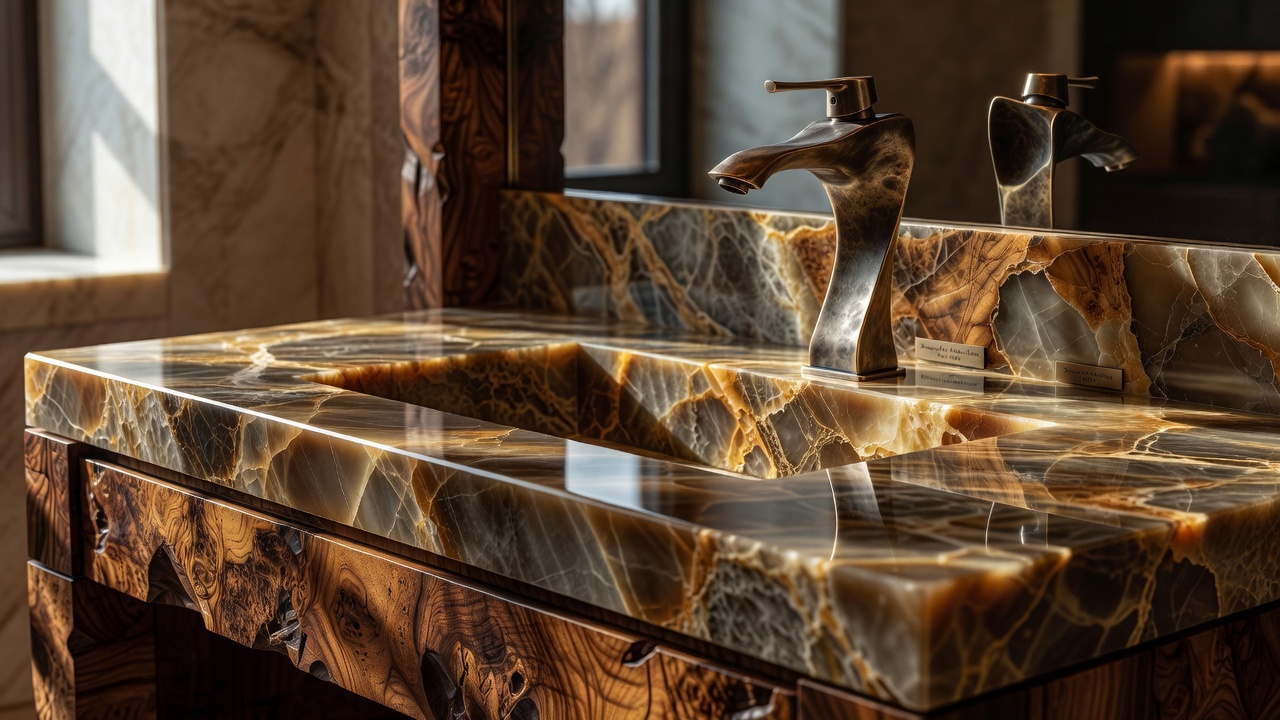
Layering Textures for Visual Depth and Sensory Appeal
Texture layering is a defining technique in high-end bathroom design. By combining contrasting surfaces, such as rough-hewn stone alongside sleek glass and soft textiles, designers create rooms that engage multiple senses. For example, a project might feature a hammered metal mirror frame above a vessel sink set on a live-edge wood countertop, with plush area rugs underfoot to soften the hard surfaces. This approach prevents the space from feeling sterile and instead fosters a warm, inviting atmosphere suitable for relaxation. Practical considerations include choosing textiles that resist moisture and selecting stones with appropriate slip resistance for flooring applications.
Balancing Opulence with Everyday Functionality
While luxury often conjures images of excess, successful 2026 remodels prioritize usability. This means incorporating ample storage, intuitive layouts, and features that simplify maintenance. For instance, heated floors and towel warmers add comfort without cluttering the visual field, while smart mirrors with integrated defoggers and lighting controls enhance daily routines. The key is selecting elements that serve dual purposes, delivering both visual drama and practical benefits that stand the test of time.
Real-World Case Studies of Transformations
One notable project involved a 1920s home where a cramped bathroom became a spa-like sanctuary using book-matched marble walls and a freestanding soaking tub. The design incorporated custom millwork niches for toiletries and layered lighting that shifted from bright task illumination to soft evening ambiance. The owners reported increased daily enjoyment and a significant boost in resale appeal. Another example featured a modern penthouse where integrated home decor elements, such as custom artwork niches and coordinated textile patterns, unified the bathroom with adjacent living areas. A third transformation in a suburban residence replaced standard fixtures with rare, hand-forged brass hardware and introduced texture through hand-glazed ceramic tiles and linen window treatments. These transformations demonstrate how thoughtful upgrades maximize both style and long-term value.
Comparing Investment Levels in Luxury Upgrades
Luxury remodeling spans a spectrum of investment levels. Entry-level high-end projects focus on premium finishes and fixtures, while mid-tier options incorporate custom millwork and advanced lighting. Top-tier renovations include rare materials and bespoke elements tailored to the property's architecture. Qualitative comparisons reveal that higher investments often yield greater personalization and durability, though all levels benefit from professional planning to avoid common pitfalls like poor ventilation or mismatched proportions. Homeowners are encouraged to prioritize elements that deliver the most personal satisfaction alongside resale considerations.
Step-by-Step Planning Checklist
- Assess current layout and identify pain points such as inadequate storage or lighting.
- Define aesthetic goals by gathering inspiration from design platforms like Houzz.
- Consult with architects and contractors experienced in luxury projects to develop detailed plans.
- Source materials early, prioritizing lead times for custom items and verifying supplier credentials.
- Develop a phased timeline that minimizes disruption during construction and accounts for potential delays.
- Verify permits and compliance with local building codes before work begins.
- Finalize details like hardware finishes and accessory placements through physical mockups.
- Plan for post-installation maintenance to preserve the investment and keep surfaces looking pristine.
Common Mistakes to Avoid in Luxury Remodels
Even experienced homeowners can encounter setbacks. Overlooking proper ventilation can lead to mold issues, while choosing overly trendy elements may date the space quickly. Another frequent error is neglecting scale, resulting in fixtures that feel disproportionate to the room. Working with professionals who understand both design and technical requirements helps sidestep these challenges and ensures a cohesive outcome.
Conclusion
Luxury bathroom remodeling in 2026 offers homeowners the opportunity to create personalized retreats that combine opulence with everyday usability. By focusing on premium materials, custom details, and strategic planning, these upgrades deliver enduring style and enhanced property value. Start with a clear vision and expert guidance to achieve results that truly elevate your space.
No comments yet. Be the first!