 Fixated on Home
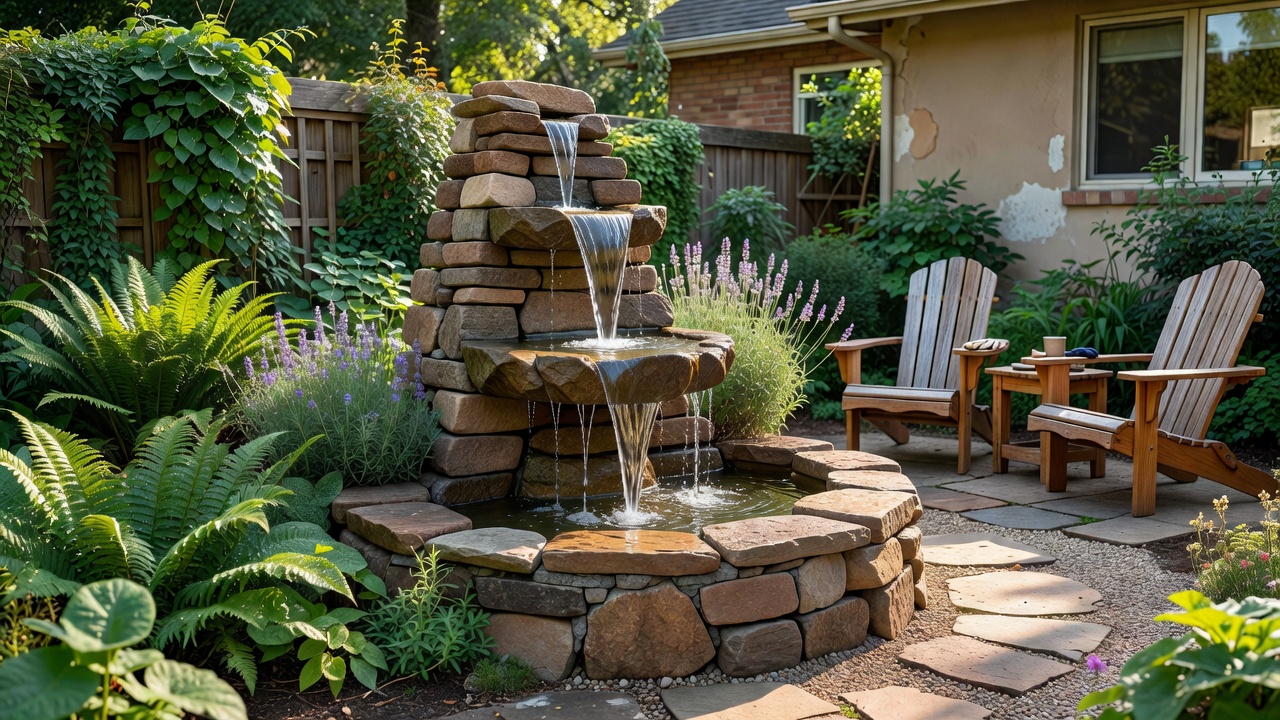
Introduction to DIY Outdoor Fountains in Fixer-Upper Yards
Transforming a fixer-upper property often involves creative outdoor renovations that boost both curb appeal and personal enjoyment. Adding a DIY water feature like an outdoor fountain brings soothing sounds, visual interest, and a touch of luxury without requiring professional installation. This approach aligns perfectly with budget-conscious diy projects that prioritize sustainable practices for lasting value in 2026. Homeowners tackling outdoor renovation tasks appreciate how fountains integrate with existing landscapes. They require minimal space yet deliver maximum impact, making them ideal for yards needing revitalization. By focusing on common tools and accessible materials, even novices can achieve professional-looking results that enhance property appeal for years to come.
Water features also support mental well-being by creating a tranquil atmosphere. In fixer-upper settings where yards may lack character, a custom fountain serves as a focal point that ties together garden beds, patios, and pathways. The process encourages hands-on learning while allowing customization to match personal style and local climate conditions.
Selecting Materials for Your Outdoor Fountain
Choosing the right components ensures durability and ease of maintenance. Popular options include concrete basins for a classic look, resin for lightweight portability, and natural stone for seamless blending with garden elements. Consider pump types carefully—submersible models work well for smaller setups, while external pumps suit larger features. For sustainability, opt for solar-powered pumps that reduce electricity use and support eco-friendly outdoor upgrades. Compare options based on weather resistance, ease of cleaning, and compatibility with local water sources. Always verify compatibility with your site's soil and drainage to avoid future issues. Resin offers quick setup but may fade over time, whereas stone provides longevity at the cost of heavier handling. Concrete strikes a balance for most diy projects, allowing creative shaping during installation.
Materials Cost Comparison
Understanding relative expenses helps prioritize choices without exceeding budgets. Concrete and gravel bases tend to be more affordable entry points compared to premium natural stone or custom resin units. Solar pumps generally cost more upfront than standard electric models but deliver savings through lower operating expenses over time. When planning outdoor renovation, factor in accessories like filtration kits and decorative accents that enhance both function and aesthetics. These qualitative differences allow beginners to start small and scale up as skills improve, keeping the overall project aligned with fixer-upper goals.
Site Preparation Essentials
Proper preparation prevents common pitfalls in diy projects. Start by selecting a level spot away from trees to minimize debris. Assess soil stability and plan for electrical or solar access. Clear vegetation, level the ground, and install a sturdy base like gravel or concrete pads for support. Incorporate drainage solutions to manage overflow, especially in fixer-upper yards with uneven terrain. This step ties into broader outdoor renovation goals by protecting surrounding plants and structures. Measure twice before digging to ensure the fountain fits proportionally within the space. Consider underground utilities by calling local locate services in advance, and test soil compaction to prevent settling after completion.
5-Step Installation Walkthrough with Safety Tips
Follow this structured process for reliable results using standard home improvement tools like levels, drills, and wrenches. The steps emphasize safety and precision for long-term success in any outdoor renovation.
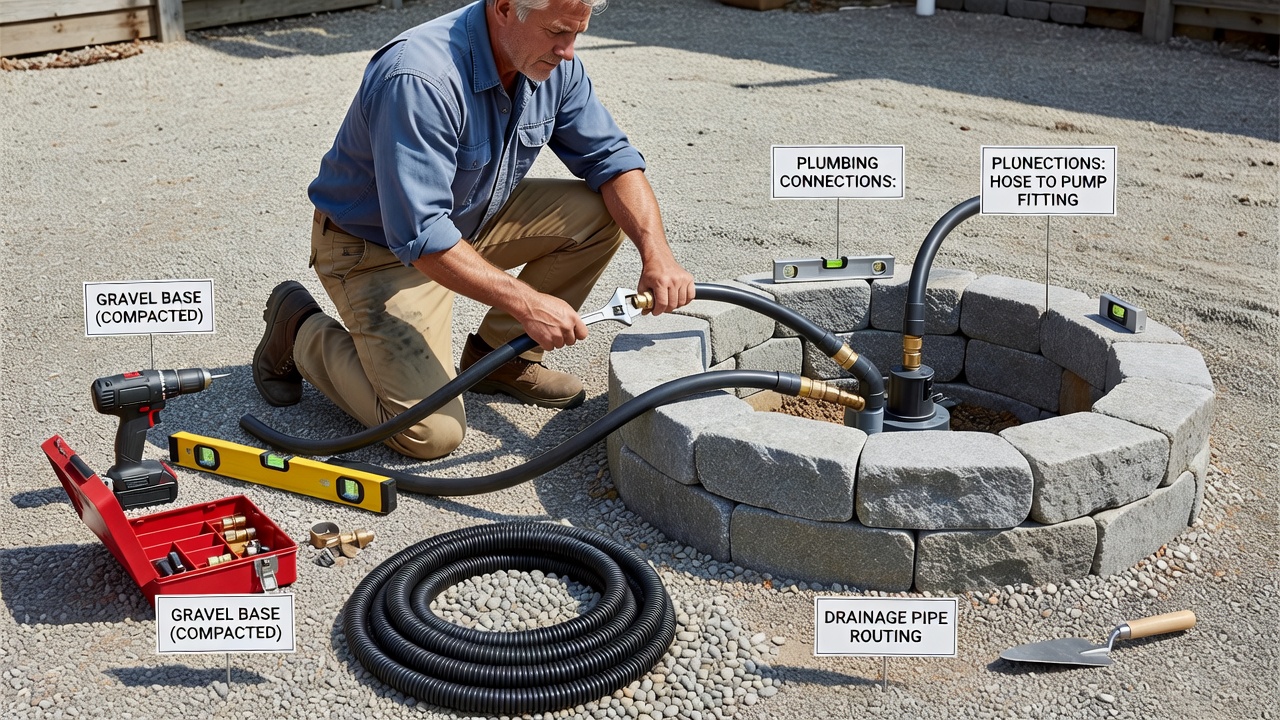
- Mark and excavate the area, ensuring the foundation is solid. Dig to the recommended depth and remove loose soil before adding a compacted gravel layer for stability.
- Install the basin and secure the pump with appropriate fittings. Position the pump at the lowest point and connect hoses securely to prevent leaks during operation.
- Connect plumbing lines, testing for leaks before final assembly. Run a short test cycle with minimal water to identify issues early.
- Position decorative elements and add water. Arrange stones or plants around the basin to create a natural transition with the landscape.
- Activate the system and fine-tune flow rates. Adjust the pump settings gradually while monitoring for even water distribution and sound levels.
Safety remains paramount: wear protective gear, disconnect power sources during setup, and avoid working in wet conditions. Keep children and pets away until complete. Always follow manufacturer guidelines for electrical components and consult local building codes if your project involves permanent wiring.
Before-and-After Examples from Real 2026 Renovations
Many homeowners have documented their successes with outdoor fountains in fixer-upper settings. One suburban property shifted from a barren patch to a vibrant oasis featuring a tiered stone fountain, enhancing evening relaxation. Another urban yard incorporated a wall-mounted design that complemented modern landscaping while improving property value through thoughtful diy projects. A third example involved a corner lot where a simple basin fountain replaced an unused gravel area, creating a welcoming entry point that neighbors frequently compliment. These transformations highlight how small additions create big differences in curb appeal and demonstrate the versatility of beginner techniques across different yard sizes and styles.
Common Mistakes to Avoid
Even motivated diy enthusiasts encounter setbacks when rushing through planning. Overlooking proper leveling leads to uneven water flow and premature pump wear. Ignoring drainage can cause flooding around the feature during heavy rain. Choosing incompatible materials results in rapid deterioration under sun or freeze cycles. Skipping safety steps risks electrical hazards or structural failure. Taking time to research local climate impacts and testing components incrementally avoids costly rework later in the process.
Maintenance FAQs for Long-Term Value
How often should I clean the fountain? Monthly checks help prevent algae buildup, especially in warmer months. Use a soft brush and mild solution for surfaces.
What about winter care? Drain and cover the unit to protect against freezing temperatures. Store removable parts indoors if possible.
Are there sustainable maintenance tips? Use natural cleaners and consider recirculating systems to conserve water, aligning with EPA guidelines on efficient water features.
Can I integrate smart controls? Yes, basic timers or solar sensors extend usability while supporting energy savings, as noted by resources from energy.gov.
How do I handle pump repairs? Keep spare parts on hand and inspect seals regularly to catch wear early. Professional servicing may be needed for complex issues.
What seasonal adjustments are recommended? Reduce flow in cooler weather and top up water levels during dry spells to maintain consistent operation.
Conclusion
DIY outdoor fountains offer an accessible entry into outdoor renovation for 2026 fixer-upper yards. With careful planning, beginner techniques, and sustainable choices, these features deliver ongoing relaxation and aesthetic upgrades. Start small, follow the steps, and enjoy the transformative results that enhance both daily living and long-term property value.
No comments yet. Be the first!