 Fixated on Home
Introduction to Sustainable Outdoor Renovations in 2026
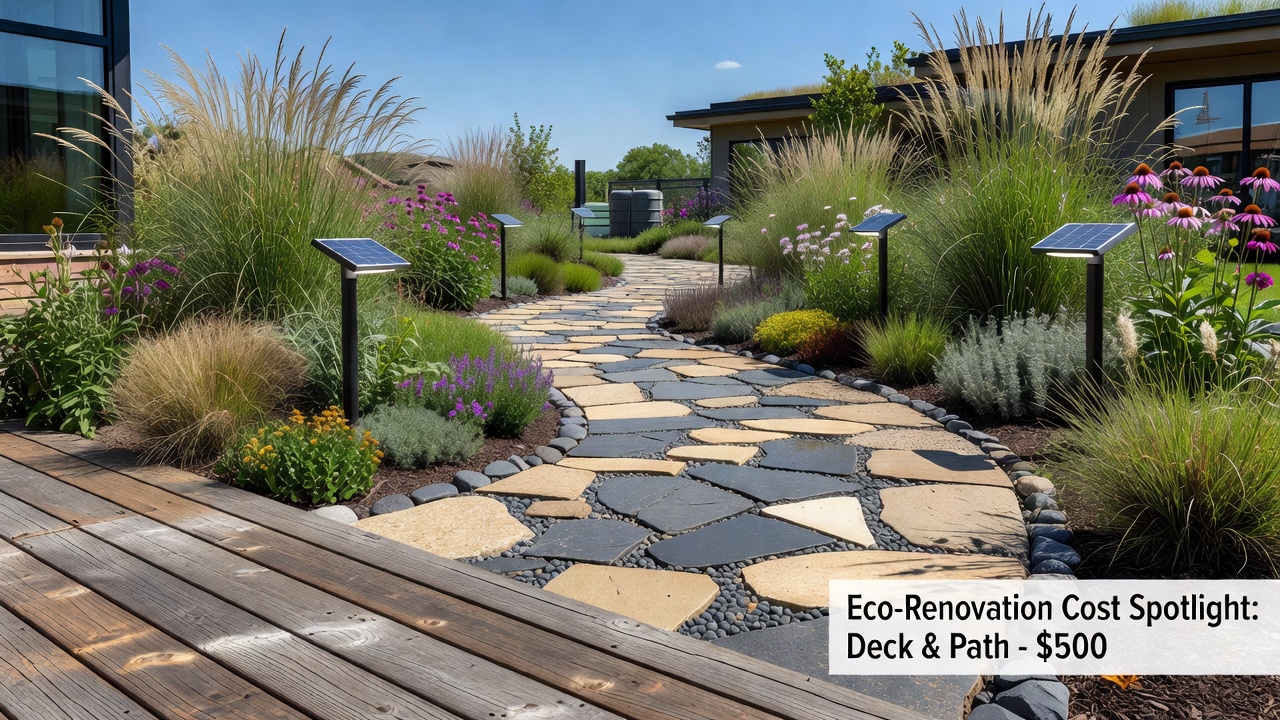
Homeowners across the country are embracing eco-conscious strategies to transform outdoor spaces on fixer-uppers through hands-on DIY projects. Sustainable outdoor renovation prioritizes materials and designs that reduce environmental harm while delivering lasting functionality and beauty. In 2026, this approach resonates strongly with trends focused on climate resilience, resource conservation, and cost-effective home improvements that pay dividends over decades. Reclaimed wood and recycled composites stand out as top choices because they divert waste from landfills and often require less chemical treatment than new lumber. Water-saving installations such as permeable paving manage stormwater effectively, preventing erosion and supporting local ecosystems. Energy-efficient additions like solar lighting cut reliance on grid power, lowering monthly utility expenses and carbon emissions simultaneously.
This comprehensive guide goes beyond surface-level suggestions by providing detailed budgeting frameworks, full step-by-step instructions for three accessible beginner projects, side-by-side comparisons of traditional versus green alternatives, and authentic examples drawn from recent homeowner renovations. Practical checklists, maintenance schedules, and answers to common regulatory questions ensure readers can move forward confidently. The emphasis remains on measurable long-term savings and positive environmental impact that align with emerging 2026 priorities.
Choosing Sustainable Materials for Outdoor Projects
Reclaimed wood brings distinctive character to decks, fences, and raised beds while significantly lowering the demand for freshly harvested timber. Sourcing options include deconstructed barns, shipping pallets, and municipal salvage yards. Before use, inspect for nails, rot, or insect damage and apply a food-safe or low-VOC sealant when the wood will contact soil or plants. Recycled composite lumber, manufactured from post-consumer plastics and wood fibers, resists warping, splitting, and insect infestation without the need for toxic preservatives. These boards maintain consistent dimensions across temperature swings, making them reliable for precision DIY builds.
Additional sustainable choices include bamboo decking for fast-renewable growth cycles and locally quarried stone that avoids long-distance shipping emissions. When comparing options, traditional pressure-treated pine often appears cheaper initially yet demands regular staining and eventual replacement within ten to fifteen years. Green alternatives, by contrast, frequently outlast conventional materials by a wide margin and require only occasional cleaning. Homeowners should verify third-party certifications such as FSC or Cradle to Cradle to confirm responsible harvesting and manufacturing practices.
Implementing Water-Saving Features
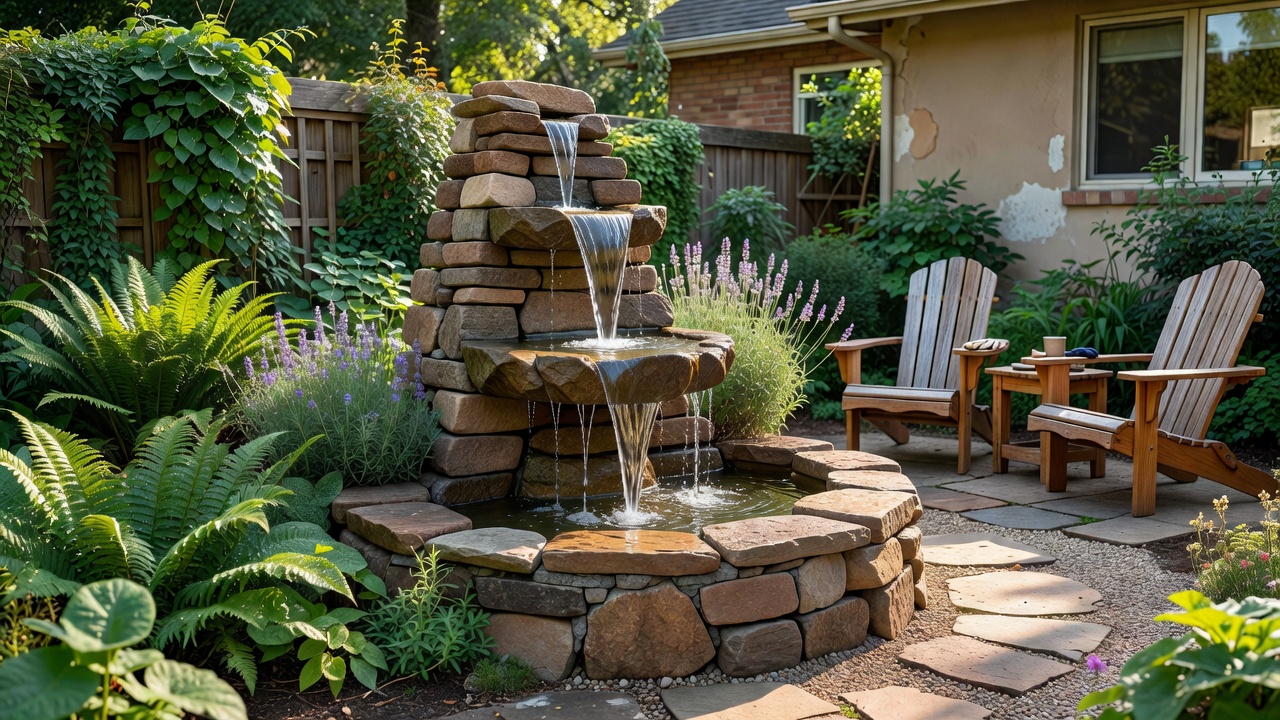
Permeable paving systems allow rainfall to percolate through joints into a prepared gravel sub-base, recharging groundwater and reducing runoff that can carry pollutants into waterways. Installation begins with proper excavation and geotextile fabric to prevent soil migration. Recycled glass or crushed concrete aggregates can serve as the base layer, further enhancing sustainability. Complementary features include rain barrels positioned beneath downspouts to capture roof runoff for irrigation, and bioswales planted with native species that absorb excess moisture naturally.
These techniques align with recommendations from the Environmental Protection Agency, which promotes low-impact development practices for residential properties. Integrating drip irrigation lines beneath mulch layers and choosing drought-tolerant perennials minimizes supplemental watering needs after the first growing season. Over time, such systems can reduce outdoor water consumption dramatically while creating habitats that support pollinators and birds.
Energy-Efficient Upgrades for Outdoor Spaces
Solar pathway lights and string lights equipped with photovoltaic panels and rechargeable batteries eliminate wiring costs and ongoing electricity usage. Selecting models with dusk-to-dawn sensors or motion activation ensures illumination only when needed. For larger areas, low-voltage LED fixtures powered by small solar arrays provide reliable performance even during extended cloudy periods. These upgrades integrate seamlessly with existing landscapes and require only basic anchoring and occasional panel cleaning.
The cumulative effect supports broader energy independence goals outlined by the U.S. Department of Energy. Homeowners report noticeable reductions in outdoor lighting expenses within the first year, alongside quieter operation free from transformer hum associated with traditional systems.
Budgeting Tips and Cost Breakdowns Under $500
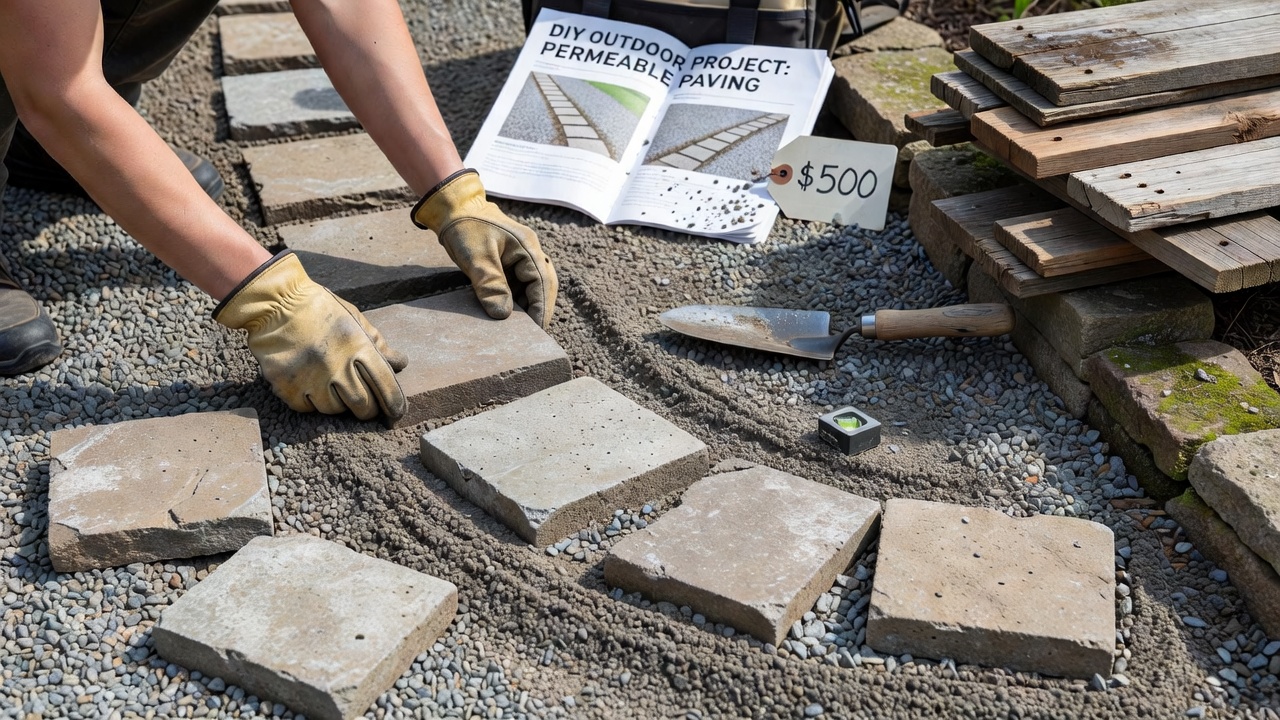
Successful projects begin with a written scope that separates must-have elements from optional enhancements. Prioritize material acquisition through free or low-cost channels such as neighborhood reuse groups, Habitat for Humanity ReStores, and municipal yard waste collection sites. Create a phased timeline that spreads purchases across several pay periods to avoid cash-flow strain. Track every expense in a simple spreadsheet that includes taxes, delivery fees, and contingency amounts for unexpected site conditions.
A practical checklist covers accurate site measurement, soil testing for drainage suitability, tool inventory review, and confirmation that chosen materials meet local climate requirements. Real-world examples show that completing one modest planter project first builds skills and confidence before tackling larger paving installations. Common oversights to avoid include neglecting proper base preparation, which leads to settling, and underestimating the volume of gravel needed for permeable systems.
Three Beginner-Friendly DIY Projects with Step-by-Step Guides
Project 1: Reclaimed Wood Planter Boxes
Materials typically include untreated boards at least one inch thick, exterior screws, landscape fabric, and a non-toxic finish. Cut sides to uniform lengths, pre-drill to prevent splitting, and assemble into rectangular frames. Line the interior with fabric to retain soil while allowing drainage through bottom gaps. Position boxes on leveled pavers or gravel pads to promote airflow and deter rot. Variations include adding trellis backs for climbing vegetables or casters for mobility on patios.
Project 2: Permeable Paving Garden Path
Begin by marking the desired route with string and spray paint, then excavate to a depth sufficient for base and paver thickness. Install edging boards or landscape timbers to contain the structure. Lay geotextile fabric followed by four to six inches of compacted gravel. Place pavers with consistent spacing, then sweep jointing material into gaps. Compact the surface and water lightly to settle fines. The finished path supports foot traffic while directing rainwater downward rather than across the lawn.
Project 3: Solar-Powered Pathway Lighting
Choose weatherproof LED units rated for at least 10 hours of runtime. Map placement to maximize southern exposure for charging. Push stakes firmly into softened soil or pre-drill holes in hard ground. Test each light after installation by covering the panel to simulate nightfall. Adjust angles seasonally and clean panels monthly with a damp cloth to maintain peak efficiency. Group lights in odd numbers for balanced visual rhythm along curves or straight runs.
Traditional vs. Green Options: Key Comparisons
- Traditional concrete versus permeable paving: Permeable systems reduce stormwater runoff substantially and often eliminate the need for separate drainage infrastructure.
- Virgin lumber versus reclaimed wood: Reclaimed options lower embodied energy and add instant patina that new wood acquires only after years of weathering.
- Grid-powered fixtures versus solar: Solar eliminates trenching, wiring permits, and recurring energy charges while offering easier relocation when landscapes evolve.
Real-World Examples and Maintenance Insights
One suburban couple transformed a compacted backyard into a series of raised reclaimed-wood beds and a permeable gravel patio within a single season, reporting thriving vegetable yields with minimal irrigation. Another homeowner replaced an aging asphalt driveway section with permeable pavers, noting drier conditions around the foundation during heavy rains. Maintenance routines include spring inspections of seals and joints, fall removal of fallen leaves from permeable surfaces, and annual tightening of solar light fixtures. These practices preserve both performance and appearance without specialized equipment.
Permits, Regulations, and Common Challenges
Most small-scale DIY paths and planters fall below thresholds requiring permits, yet checking local zoning ordinances remains essential, especially near property lines or easements. Homeowners associations may impose additional aesthetic guidelines. Addressing challenges such as poor drainage or invasive roots early prevents costly rework. When in doubt, consult municipal planning departments for clarification before breaking ground.
Frequently Asked Questions
How do I source quality reclaimed wood? Start with local architectural salvage yards and online reuse marketplaces, inspecting each piece for structural integrity. What maintenance does permeable paving require? Occasional sweeping and occasional top-dressing with joint sand keep surfaces level and functional. Are solar lights effective in northern climates? Modern panels perform well with proper placement and occasional snow removal from the surface.
Conclusion
Sustainable outdoor renovations empower homeowners to create resilient, attractive spaces that conserve resources and deliver ongoing value. By combining reclaimed materials, water-wise installations, and energy-efficient lighting through manageable DIY projects, individuals contribute to larger environmental goals while enjoying immediate improvements to their properties. Thoughtful planning, attention to detail, and consistent upkeep ensure these investments continue to perform well into the future.
No comments yet. Be the first!