 Fixated on Home
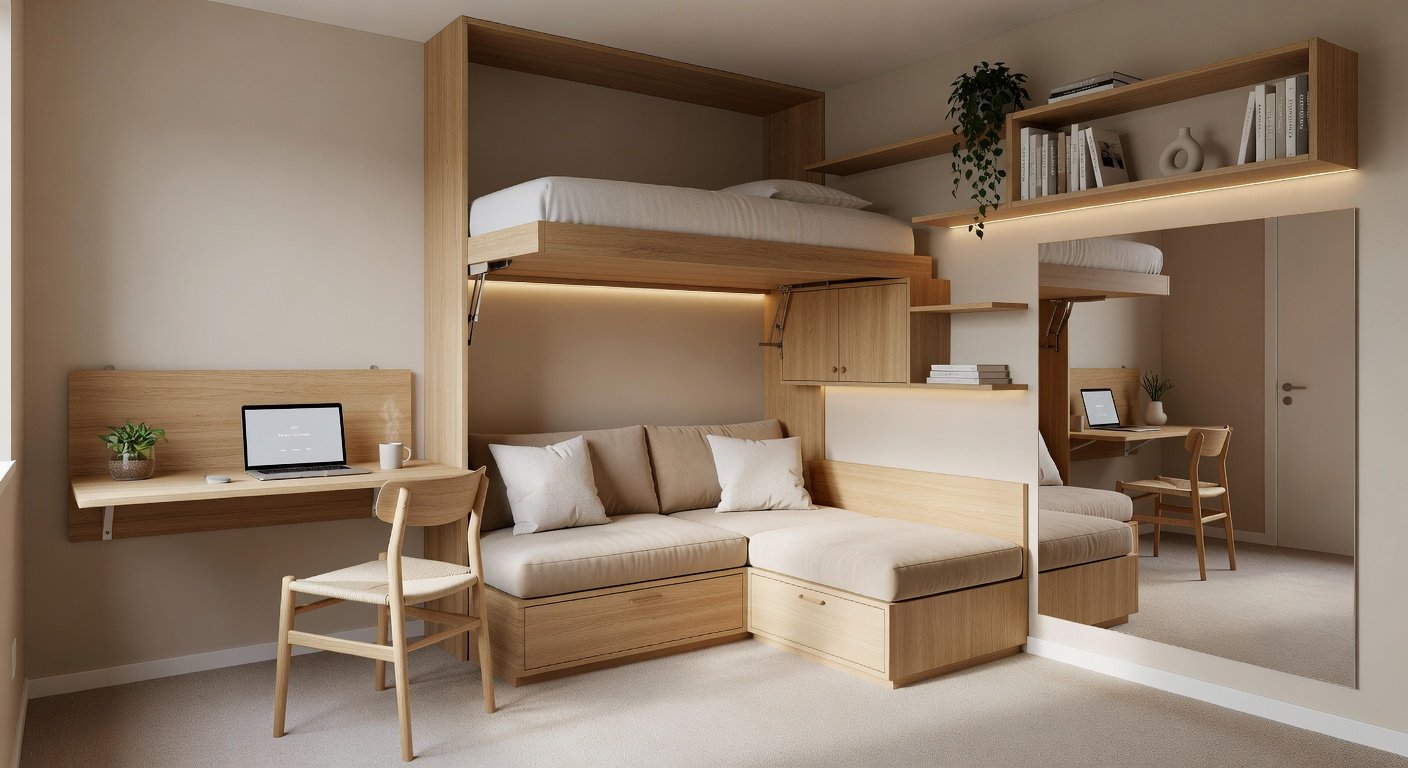
Transforming Your Bedroom into a Multifunctional Haven
In today's fast-paced world, especially with remote work on the rise, bedrooms are evolving beyond mere sleeping quarters. They now serve as offices, lounges, and relaxation zones all in one. For small apartments or urban homes, creating a multifunctional bedroom is essential. This guide explores step-by-step strategies using modular furniture, clever storage, and 2026 renovation ideas like foldable desks, hidden cabinets, and versatile lighting to maximize every square foot.
Whether you're dealing with a tiny studio or just want smarter space use, these tips will help you achieve seamless transformations without breaking the bank. We'll cover real-world examples, budget-friendly options, and design principles for modern home aesthetics.
Why Go Multifunctional? The Benefits for Modern Living
Multifunctional bedrooms address key challenges: limited space, hybrid lifestyles, and sustainability. By 2026, experts predict a surge in hybrid designs driven by urbanization and eco-conscious trends. According to design forecasts, modular elements will dominate, allowing rooms to adapt daily.
- Space Efficiency: Turn 100 sq ft into a bedroom-office-lounge hybrid.
- Flexibility: Switch from work mode to relax mode in minutes.
- Cost Savings: Invest once in versatile pieces that last.
- Aesthetic Appeal: Maintain a serene bedroom vibe despite added functions.
Start by evaluating your needs: How much time do you spend working or lounging there? This informs your layout.
Step-by-Step Strategies for Your Bedroom Makeover
Step 1: Assess and Plan Your Space
Measure your room precisely. Identify 'dead zones' like under-bed or wall spaces. Sketch a floor plan using free tools online. Prioritize the bed as the anchor, then layer in work and lounge elements.
- Clear clutter to visualize potential.
- Decide on zones: sleep (bed), work (desk area), lounge (seating).
- Set a budget: Aim for $500–$2,000 for DIY transformations.
Step 2: Choose Modular Furniture Essentials
Modular furniture is the backbone of multifunctional design. Opt for pieces that fold, stack, or reconfigure.
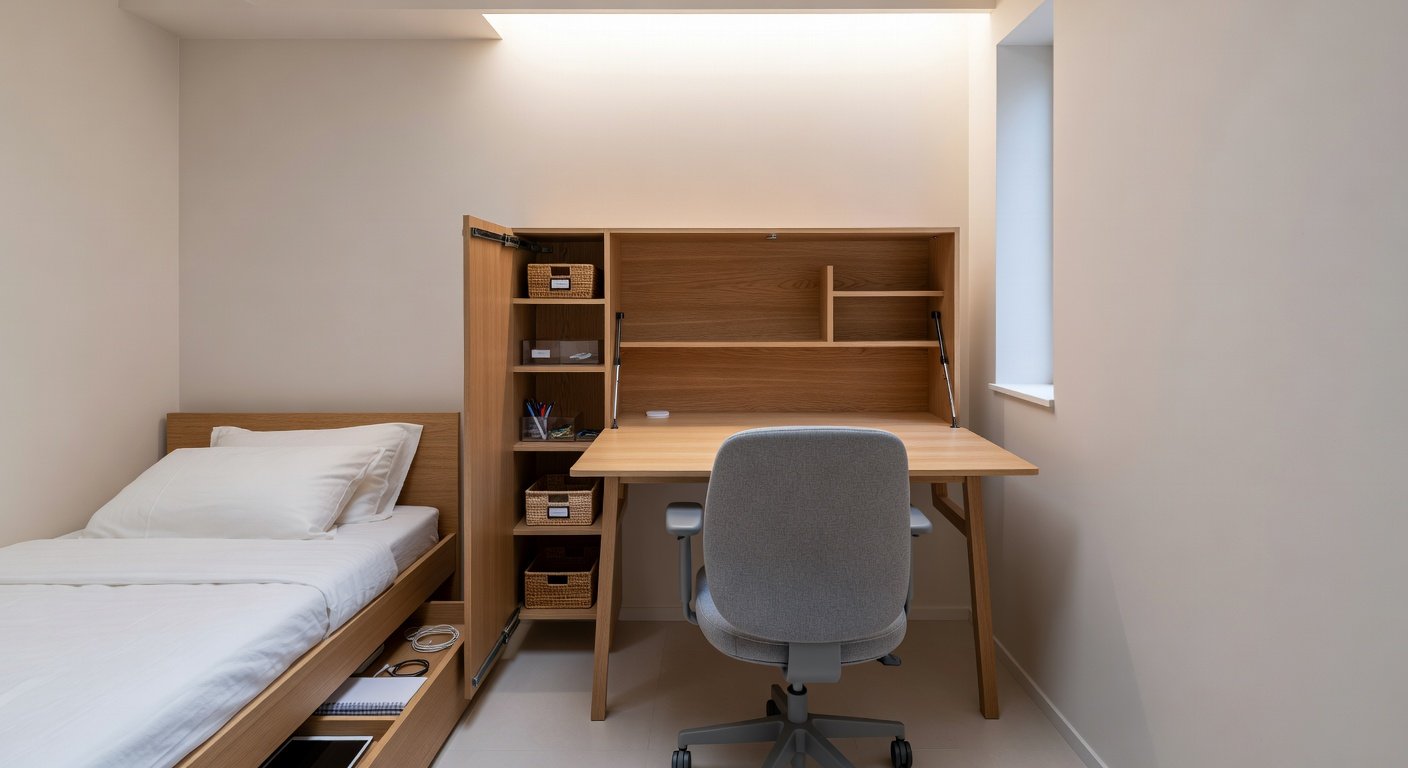
- Foldable Desks: Wall-mounted desks that drop down for work and fold away, freeing floor space.
- Sofa Beds or Murphy Beds: Beds that lift into walls, revealing a sofa or desk underneath.
- Modular Shelving: Customizable units that double as room dividers.
For inspiration, check out options from IKEA, known for affordable modular systems like their PLATSA series.
Step 3: Implement Clever Storage Solutions
Hidden cabinets and under-bed drawers are game-changers. Install pull-out cabinets behind headboards or in alcoves. Use ottomans with internal storage for linens and work supplies.
- Vertical storage: Tall, slim wardrobes with built-in desks.
- Hidden compartments: Drawers within platform beds.
- Multi-use nightstands: Ones with charging ports and file drawers.
Step 4: Layer in Versatile Lighting
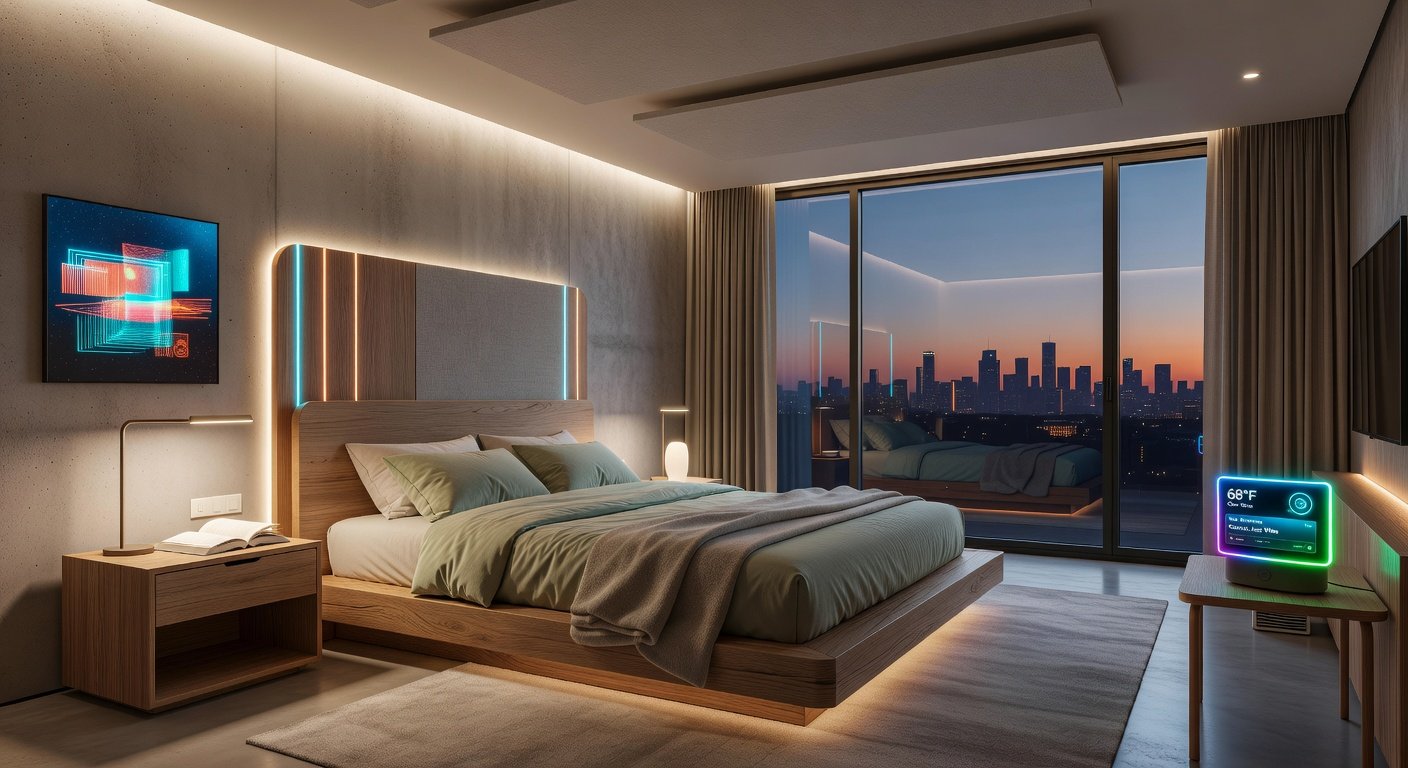
2026 trends emphasize smart, adaptable lighting. Use dimmable LED strips under beds for lounge ambiance, pivoting desk lamps for work, and motion-sensor wall sconces for night access. Color-changing bulbs allow mood shifts: cool blues for sleep, warm whites for work.
Integrate with smart home systems for voice control, enhancing functionality without clutter.
2026 Renovation Ideas: Cutting-Edge Trends
Looking ahead, 2026 brings innovative twists:
- AI-Integrated Foldables: Desks that auto-adjust height via apps.
- Sustainable Hidden Cabinets: Made from recycled materials with biometric locks.
- Dynamic Lighting Walls: Panels that change patterns and colors for zoning.
A real-world example is the Tokyo micro-apartment redesigns featured on Houzz, where a 150 sq ft bedroom incorporates a foldable desk, lofted bed, and hammock lounge—all under $1,500.
Real-World Examples and Case Studies
Consider Sarah's 200 sq ft NYC studio: She installed a Murphy bed with an integrated desk ($800 from IKEA), added under-bed drawers, and foldable wall lights. Result? A serene sleep space by day, productive office by night.
In London, a family transformed their 120 sq ft kid's room using modular pods: Stackable units for bed, desk, and play area. Budget: $1,200, including paint and hardware.
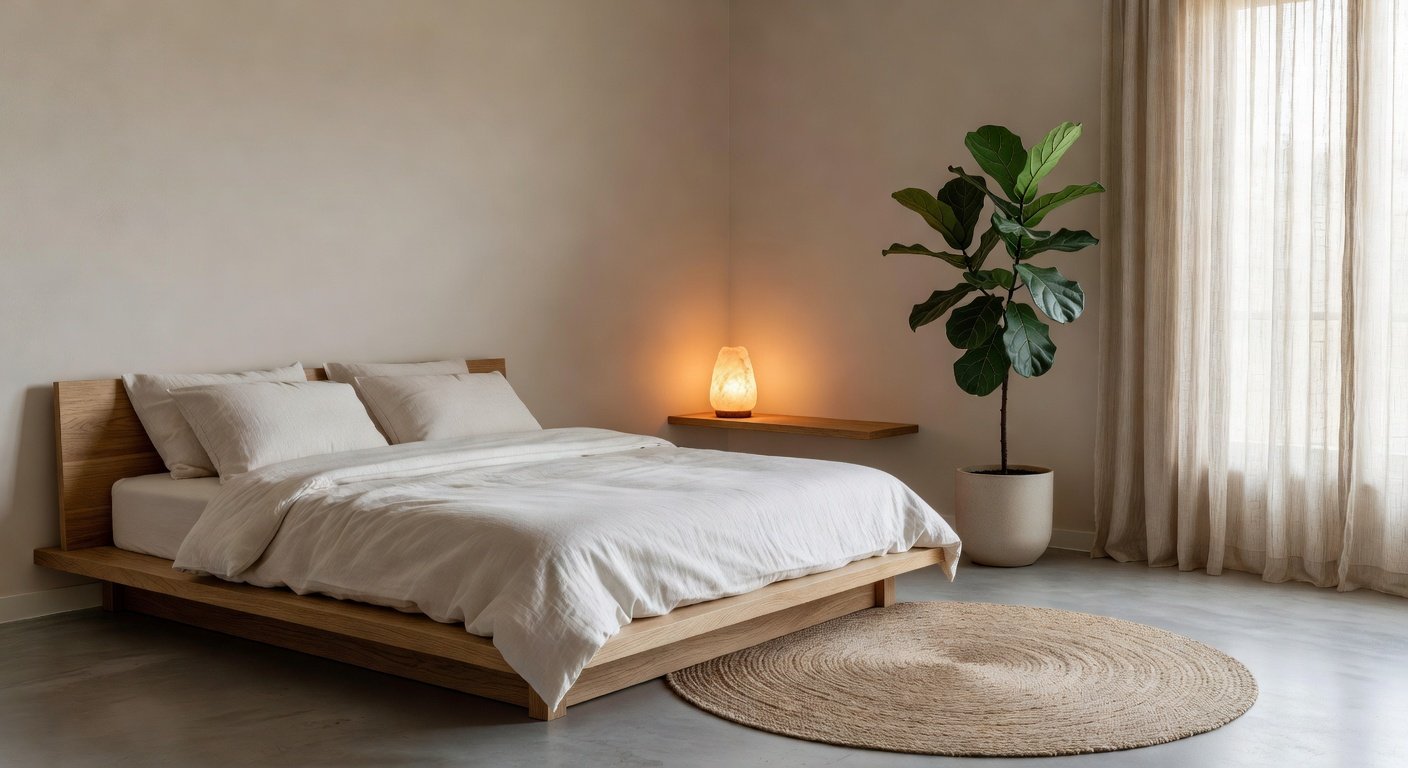
For luxury on a budget, emulate Scandinavian minimalism—white walls, mirrors for depth, and multifunctional rugs that define zones.
Budget Tips for Seamless Transformations
Keep costs low with these hacks:
- DIY Builds: Construct foldable desks from plywood ($50–$100).
- Second-Hand Scores: Thrift modular pieces and refinish them.
- Bulk Buys: LED strips from wholesalers save 40%.
- Phased Approach: Start with storage ($200), add furniture later.
Total average budget: $800 for basics, scaling to $2,500 for smart upgrades. Track ROI: Increased productivity and home value from versatile design.
For more professional advice, explore resources from Architectural Digest.
Final Thoughts: Your Dream Bedroom Awaits
Creating a multifunctional bedroom is about smart choices, not more stuff. Follow these steps—assess, modularize, store cleverly, light dynamically—and embrace 2026 trends for a space that works as hard as you do. Start small, iterate, and enjoy the transformation.
No comments yet. Be the first!