 Fixated on Home
Introduction to Budget Kitchen Renovations
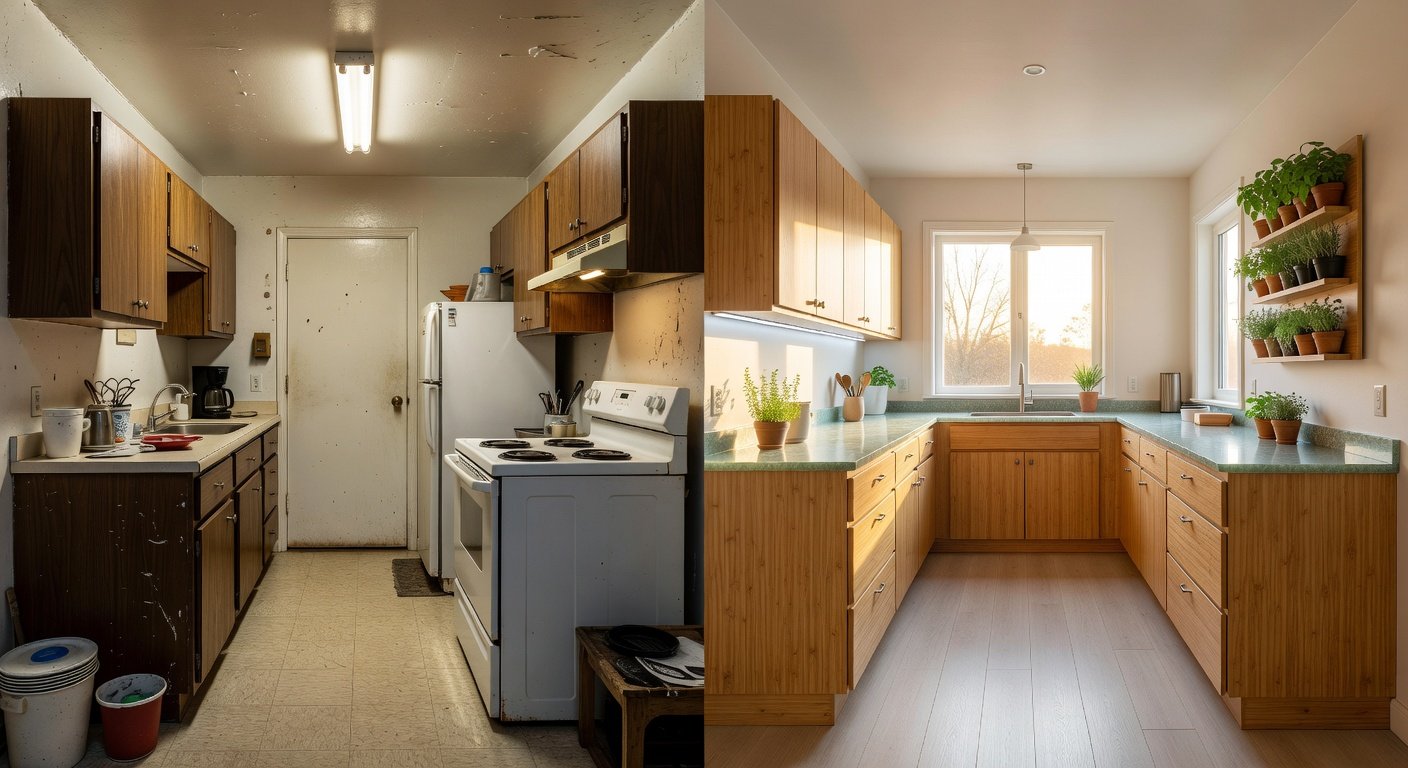
Transforming a fixer-upper kitchen doesn't require a fortune. With smart planning and affordable strategies, you can achieve a modern, functional space that rivals high-end designs. This beginner's guide covers everything from initial planning to installation steps, incorporating 2026 home improvement trends like sustainable material swaps and cost-saving hacks. Whether you're a first-time DIYer or looking to boost your home's value, these tips will help you create a stunning kitchen without breaking the bank.
In 2026, homeowners are prioritizing eco-friendly renovations that save money long-term. Think recycled countertops, energy-efficient fixtures, and multifunctional designs. Expect to spend $5,000–$15,000 for a full budget reno, depending on your space size and scope. Let's dive in!
Step 1: Planning Your Fixer-Upper Kitchen Reno
Success starts with a solid plan. Begin by assessing your kitchen's current state: note leaky faucets, outdated cabinets, and poor lighting. Create a mood board using free apps like Pinterest to visualize your dream space.
- Set a realistic budget: Allocate 30% to materials, 40% to labor (or DIY to save), 20% to tools/appliances, and 10% contingency.
- Prioritize high-impact changes: Focus on cabinets, countertops, and backsplash for the biggest wow factor.
- Incorporate 2026 trends: Opt for sustainable swaps like bamboo flooring and low-VOC paints to align with green living.
Measure your space meticulously—twice—to avoid costly mistakes. Sketch a layout that maximizes workflow (the classic work triangle: sink, stove, fridge). Tools needed: tape measure, graph paper, and a free kitchen planner app.
Affordable Material Picks for Stunning Results
Choosing budget-friendly yet durable materials is key. Skip granite; go for lookalikes that perform just as well.
Countertops
Butcher block ($20–$40/sq ft) or quartz remnants ($30–$50/sq ft) offer premium vibes at low cost. For sustainability, try recycled glass countertops—trending in 2026 for their eco-appeal. Learn more about sustainable materials from the EPA.
Cabinets
Reface existing cabinets for $2,000–$4,000 savings over full replacement. Use IKEA hacks or thrift store finds painted in matte black or sage green—2026's neutral palettes.
Flooring and Backsplash
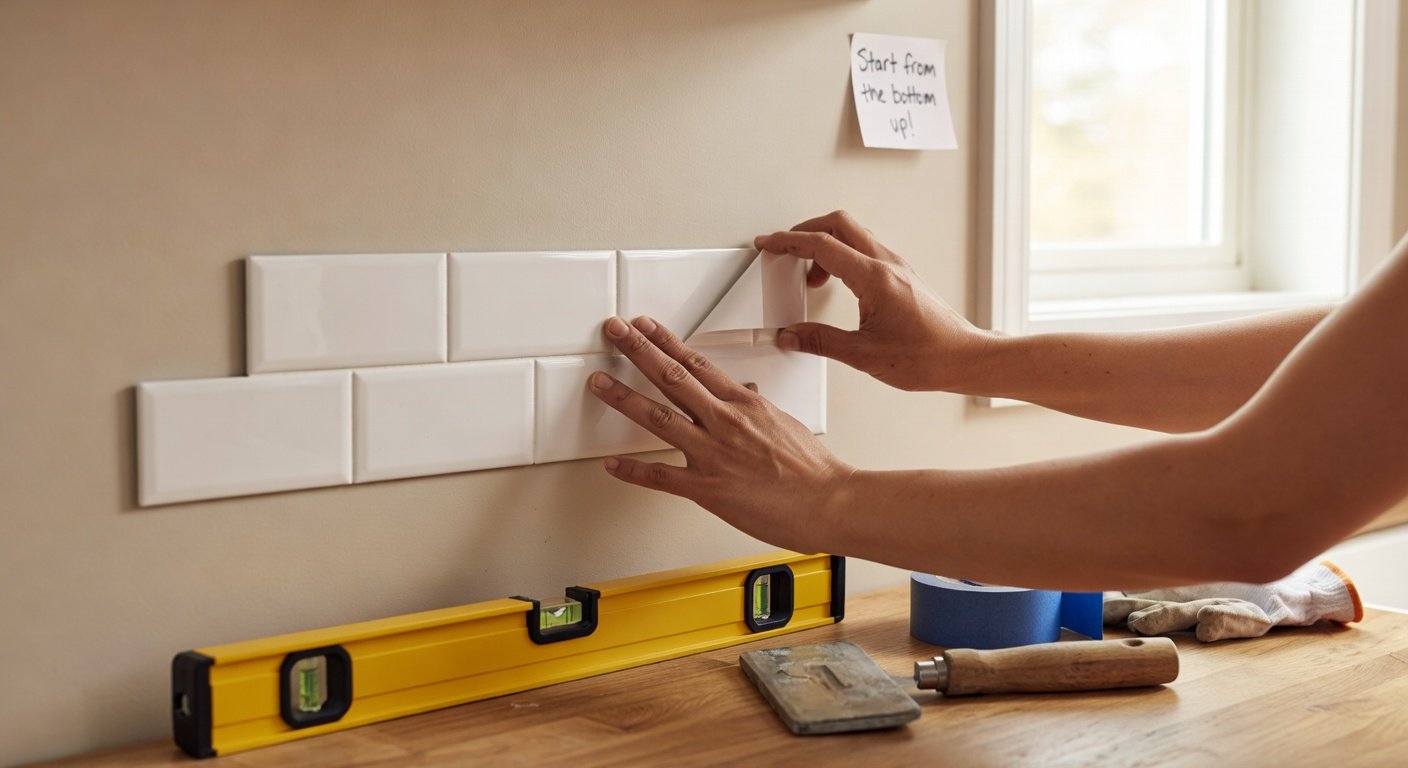
Vinyl plank flooring mimics hardwood for under $2/sq ft. Peel-and-stick tiles for backsplash ($5–$10/sq ft) are DIY heaven.
Fixtures and Appliances
LED under-cabinet lights and ENERGY STAR faucets cut energy bills. Check Energy.gov for rebates on efficient appliances.
Step-by-Step DIY Installation Guide
Ready to roll up your sleeves? Follow these beginner steps for a pro finish. Safety first: wear goggles, gloves, and unplug power.
- Demolition (1–2 days): Remove old cabinets, countertops, and backsplash. Use a pry bar and shop vac for cleanup. Rent a dumpster for $300–$500.
- Prep Walls and Floors (1 day): Patch holes with spackle, sand smooth, and prime. Install underlayment for new flooring.
- Install Flooring (1 day): Lay vinyl planks click-lock style—no glue needed. Start from the longest wall.
- Hang Cabinets (1–2 days): Level with shims, secure to studs. Two people make this easier.
- Mount Countertops (1 day): Cut to fit with a circular saw. Seal edges with silicone.
- Add Backsplash and Fixtures (1 day): Apply peel-and-stick tiles, grout if needed. Install sink and faucet last.
- Finishing Touches: Paint walls, add hardware, and style open shelves with thrifted jars.
Total DIY time: 1–2 weeks part-time. Rent tools from Home Depot to save upfront costs.
2026 Home Improvement Trends for Budget Kitchens
Stay ahead with these forward-thinking ideas:
- Sustainable Swaps: Bamboo cabinets and hemp wallpapers reduce carbon footprints while looking chic.
- Smart Cost-Saving: Modular islands on wheels for flexible spaces. Integrate affordable smart plugs for voice-controlled lights.
- Biophilic Design: Indoor herb walls and natural textures for wellness vibes.
- Minimalist Multis: Hidden outlets and pull-out pantries maximize small spaces.
For energy tips, visit Energy.gov's kitchen efficiency page.
Pro Cost-Saving Remodeling Tips
Stretch your dollars further:
- Shop sales at big-box stores or Habitat for Humanity ReStores.
- DIY painting and demolition to halve labor costs.
- Reuse appliances if functional—paint them matte for a refresh.
- Buy remnant materials for counters and tile.
- Phase the project: cabinets first, then appliances.
Average savings: 40–60% vs. contractor quotes.
Conclusion: Your Dream Kitchen Awaits
With these budget strategies, your fixer-upper kitchen can shine with 2026 flair. Sustainable choices not only look great but pay off in utility savings and resale value. Start planning today—your refreshed space is just a reno away. Share your progress in the comments!
No comments yet. Be the first!