 Fixated on Home
Transform Your Home with an Open-Plan Kitchen
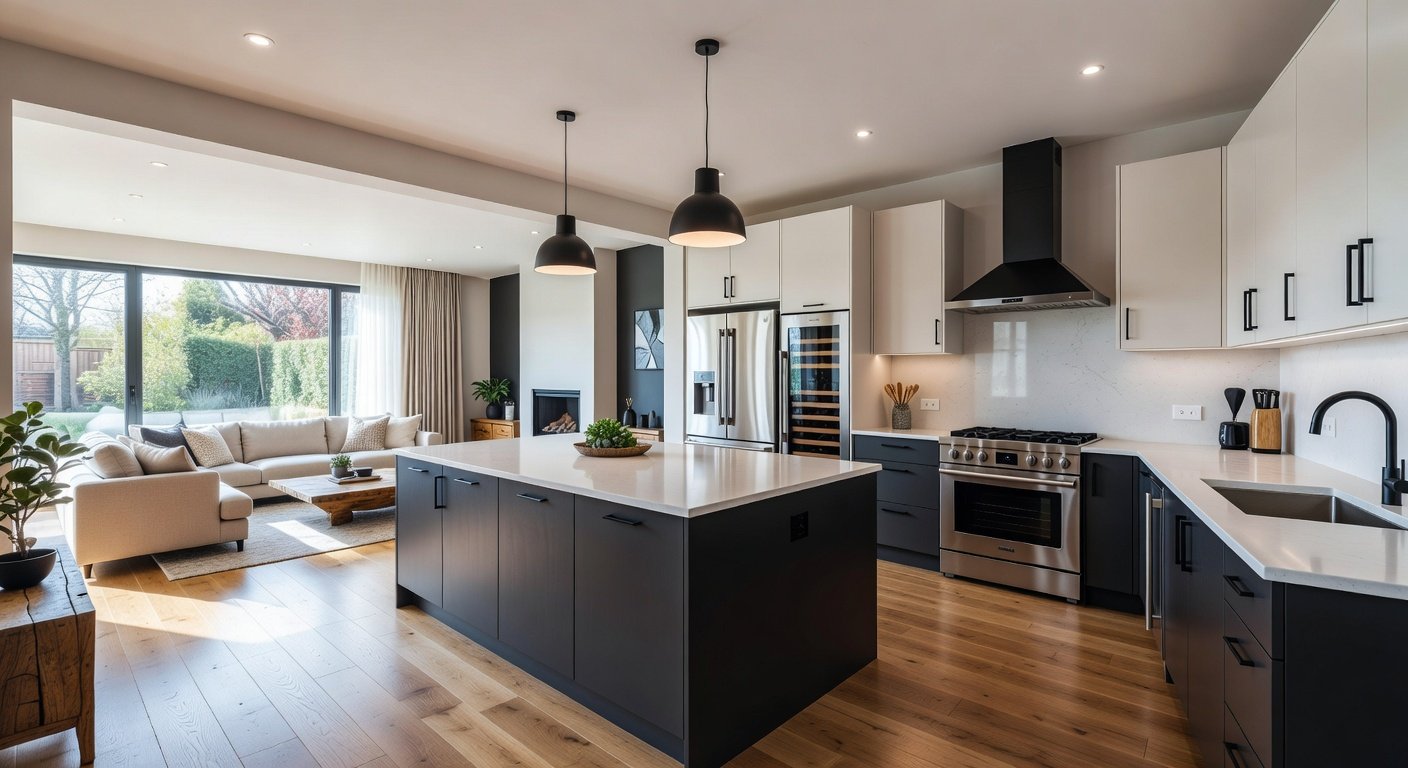
In 2026, open-plan kitchens are the pinnacle of modern home design, blending cooking, dining, and living spaces into one fluid, inviting area. This layout maximizes natural light, enhances social interaction, and creates a sense of spaciousness even in smaller homes. Whether you're embarking on a full remodel or a targeted upgrade, achieving this look requires careful planning, from safe structural changes to cohesive design elements. In this guide, we'll explore proven techniques for wall removal, flow integration, multifunctional islands, lighting, materials, cost strategies, and pitfalls to sidestep.
The Benefits of Open-Plan Kitchen Layouts
Open-plan kitchens eliminate barriers, fostering connectivity. Families gather effortlessly around meal prep, homework happens at the counter, and entertaining flows without interruption. According to design trends, these layouts boost home value by up to 15% in urban markets. They also improve functionality, allowing one person to cook while others relax nearby.
Safe Wall Removal Techniques
Removing walls to open up your kitchen is exciting but demands caution. Not all walls are load-bearing; consult a structural engineer first to identify them using blueprints or stud finders. For non-load-bearing walls, cut a pilot hole from the attic to check for joists above.
Safe steps include:
- Shut off power and plumbing to avoid hazards.
- Use a reciprocating saw for precise cuts, wearing protective gear.
- Support load-bearing walls with temporary beams or lally columns during demo.
For expert advice on assessing walls, visit This Old House. Always secure permits—fines for unpermitted work can exceed $1,000 in many areas.
Integrating Seamless Flow
Once walls are down, focus on flow. Position the kitchen triangle (sink, stove, fridge) within 4-9 feet of each other for efficiency. Create zones: prep near the sink, cooking by the range, and casual dining via an island. Use flooring transitions like subtle grout lines or rugs to define spaces without visual breaks.
Incorporate walkways at least 42 inches wide for comfort. For multi-level homes, half-walls or glass partitions maintain openness while adding safety rails.
Selecting Multifunctional Kitchen Islands
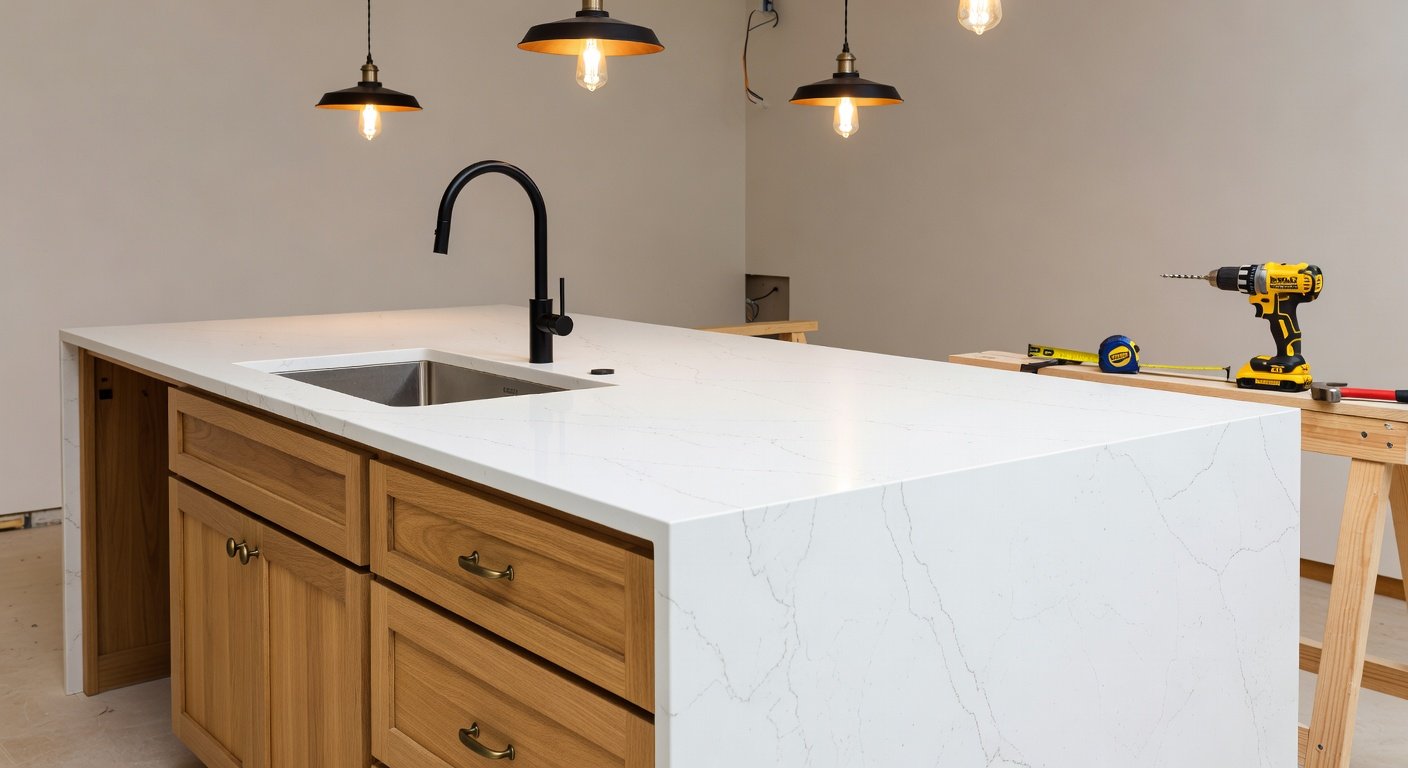
The island is the open-plan kitchen's heart. Opt for multifunctional designs with built-in sinks, dishwashers, wine fridges, or pop-up outlets. Quartz or butcher block countertops withstand heavy use; waterfall edges add elegance.
Dimensions matter: 36-42 inches high, 4-6 feet long for two-seaters. Add pendant lighting above for task illumination and style. Storage drawers and open shelving keep essentials accessible, reducing clutter.
Lighting Strategies for Ambiance and Functionality
Layered lighting defines zones: recessed cans for general wash, under-cabinet LEDs for prep, and pendants over islands for focal points. Dimmable smart bulbs adapt to moods—bright for cooking, soft for evenings. Natural light via skylights or clerestory windows amplifies openness; low-E glass prevents heat loss.
Pro tip: Aim for 30-50 foot-candles on counters. Integrate motion sensors for energy savings in 2026's eco-focused renos.
Choosing Materials for Design Cohesion
Cohesive materials tie the space together. Matte black fixtures pair with warm wood cabinets and white subway tiles for timeless appeal. Sustainable options like recycled glass countertops or bamboo flooring align with green trends. For durability, select porcelain slabs mimicking marble at half the cost.
Explore material guides at Family Handyman. Textures add depth: shiplap accents on feature walls or brass hardware for subtle luxury.
Cost-Effective Strategies for 2026 Renovations
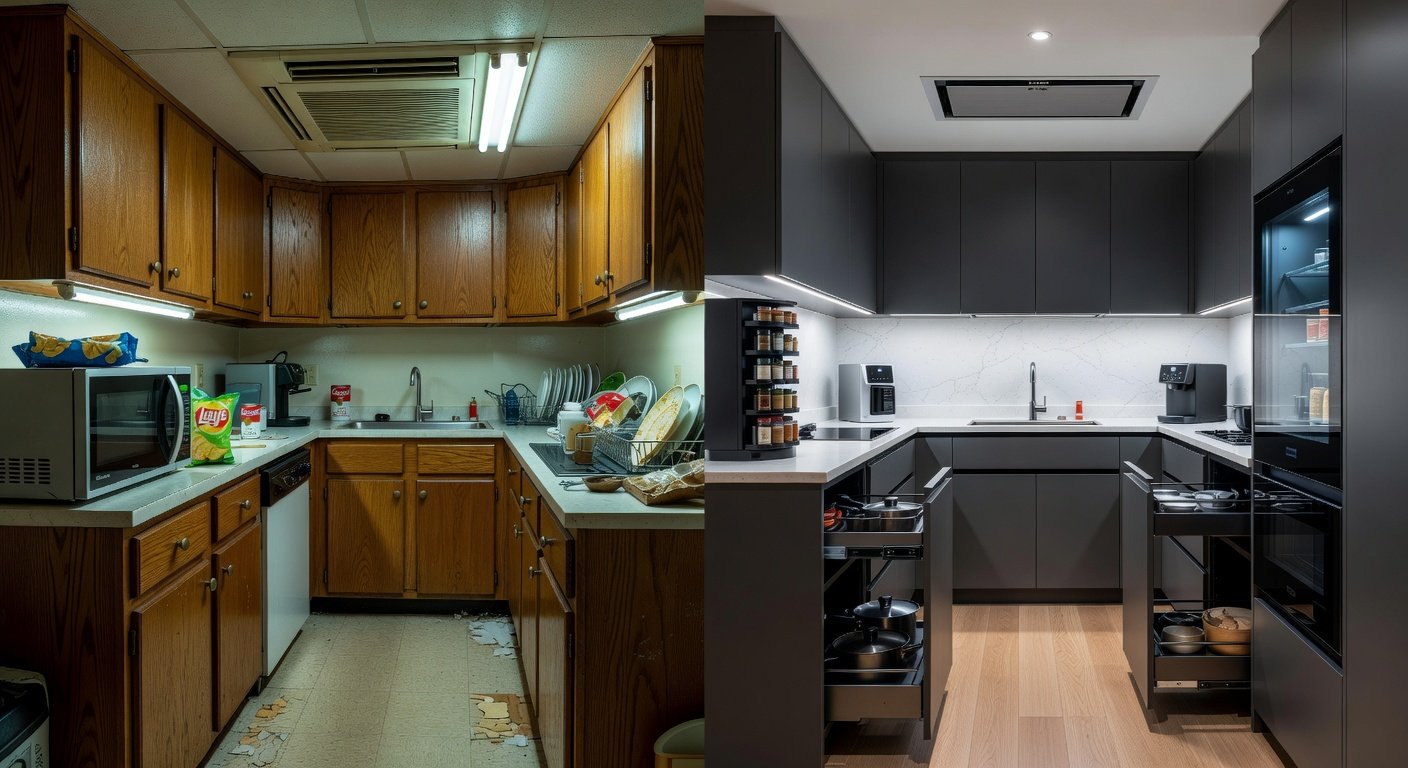
Open-plan upgrades average $25,000-$60,000, but smart choices cut costs. DIY demo saves 20%; shop sales for appliances. Prioritize high-impact elements like islands ($3,000-$10,000) over full cabinet refacing.
- Reuse existing cabinets with new doors.
- Choose mid-range materials: IKEA hacks with custom fronts.
- Phase work: Walls first, finishes later.
Leverage rebates for energy-efficient appliances via programs like ENERGY STAR. Bulk-buy tiles and hire off-season contractors for 10-15% discounts.
Common Pitfalls to Avoid
Steer clear of these mistakes:
- Inadequate ventilation: Open plans spread cooking odors—install 400+ CFM hoods vented outside.
- Poor noise control: Add acoustic panels or rugs; islands amplify echoes.
- Overlooking utilities: Plan plumbing/electrical reroutes early to avoid surprises.
- Trend-chasing: Stick to neutrals; bold colors date quickly.
Budget overruns hit 30% of projects—pad estimates by 20% and track via apps like HomeZada.
Future-Proof Your Open-Plan Kitchen
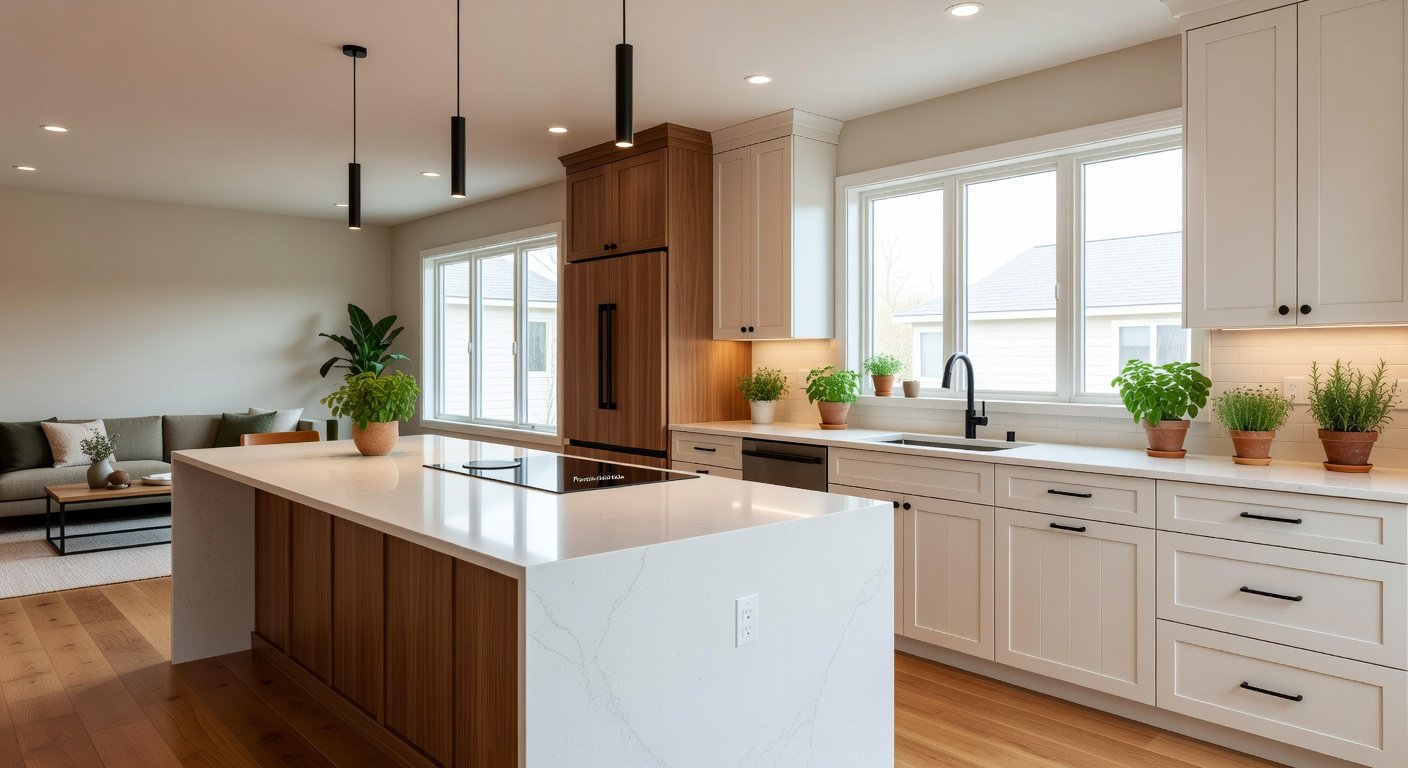
By 2026, integrate smart tech: voice-activated faucets, app-controlled ovens. Focus on flexibility for remote work nooks or pet zones. With thoughtful execution, your open-plan kitchen becomes a timeless hub, elevating daily life and resale appeal. Start sketching today—your dream space awaits.
No comments yet. Be the first!