 Fixated on Home
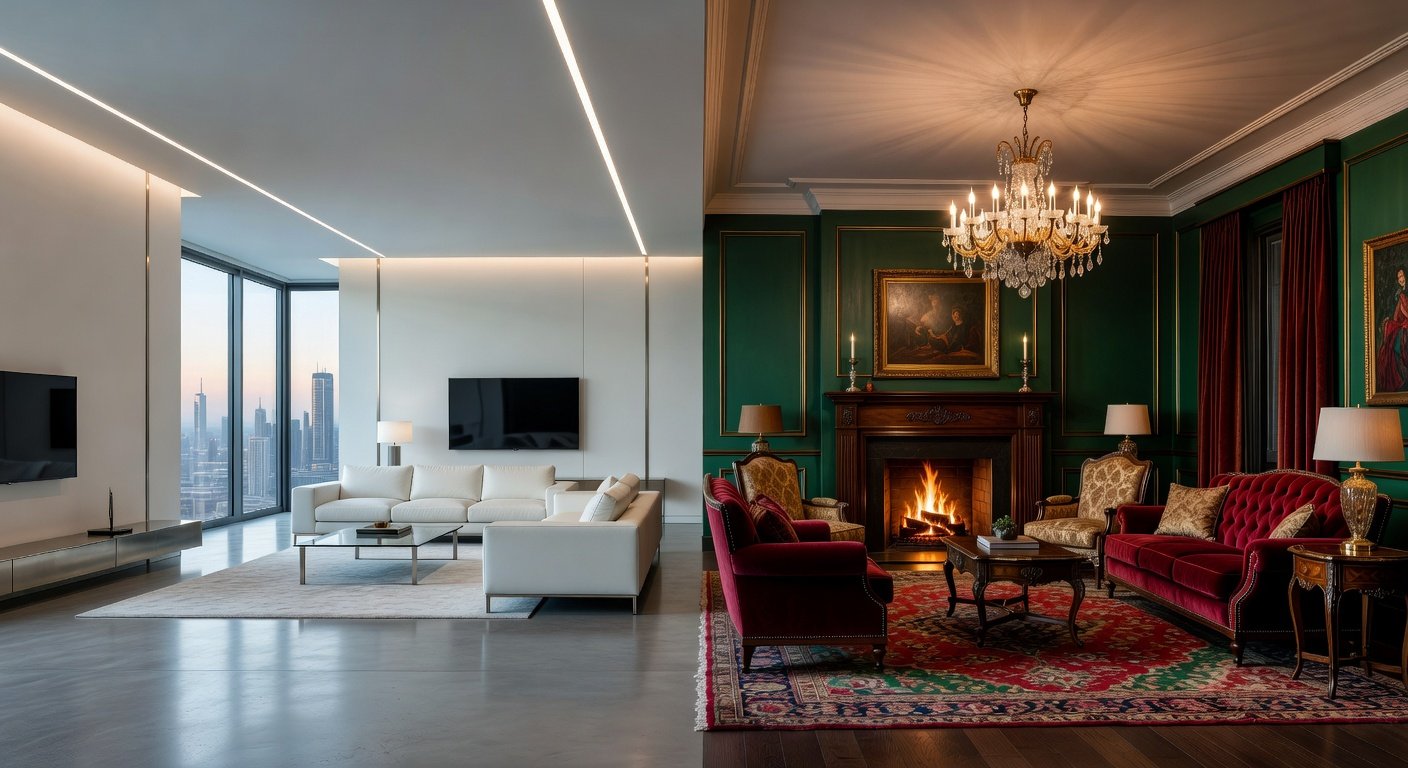
Introduction to Modern vs Traditional Living Room Designs
In 2026, living rooms remain the heart of the home, evolving with trends that balance comfort, functionality, and style. The debate between modern and traditional designs continues to captivate homeowners seeking to refresh their spaces. Modern designs emphasize sleek lines, minimalism, and technology integration, while traditional styles celebrate ornate details, warmth, and heritage-inspired elements. This comprehensive guide dives deep into their key differences across furniture choices, color palettes, lighting, and layouts. We'll explore pros and cons, real-world examples, and practical tips for blending both into hybrid looks that stand the test of time—perfect for your 2026 remodel.
Whether you're starting from scratch or updating an existing room, understanding these styles helps you make informed decisions. By the end, you'll have actionable strategies, including budget-friendly hacks, to create a living room that's both contemporary and cozy.
Defining Modern Living Room Design in 2026
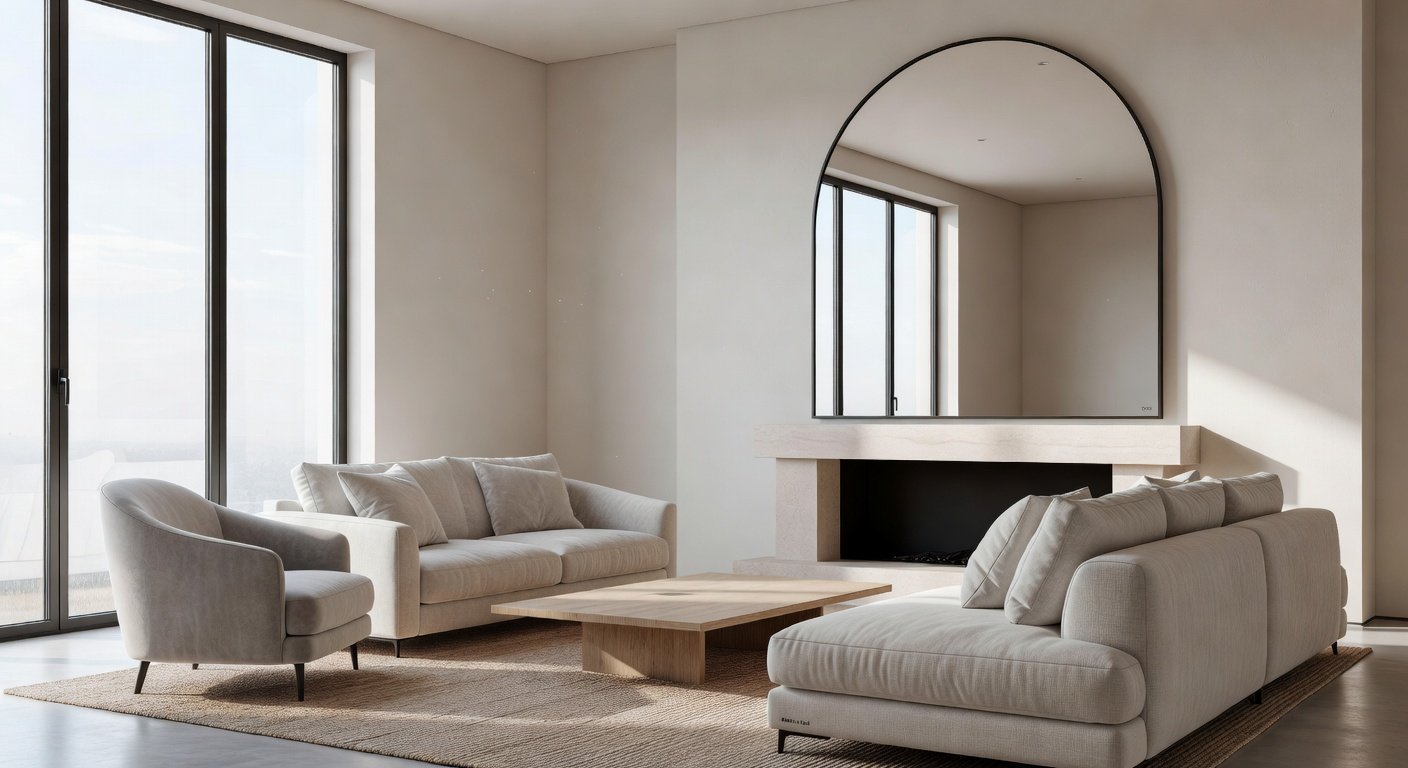
Modern living room design in 2026 is all about clean, uncluttered spaces that prioritize openness and multifunctionality. Influenced by mid-century modern revivals and sustainable tech, these rooms feature straight lines, neutral tones, and smart integrations like hidden charging ports and voice-activated features.
- Furniture: Low-profile sofas with slim metal legs, modular sectionals, and multifunctional pieces like coffee tables with built-in storage.
- Color Palettes: Whites, grays, blacks, and subtle earth tones like sage green or terracotta accents for warmth without overwhelming.
- Lighting: LED recessed lights, slim pendant fixtures, and smart bulbs for adjustable ambiance.
- Layouts: Open-plan flows with floating furniture arrangements to enhance spatial perception.
Modern designs shine in urban apartments or homes with limited square footage, promoting a serene, Instagram-worthy vibe.
Defining Traditional Living Room Design
Traditional living rooms draw from classic European and American aesthetics, evoking timeless elegance with rich textures and symmetrical arrangements. In 2026, this style incorporates subtle updates like eco-friendly fabrics while retaining opulent details.
- Furniture: Tufted Chesterfield sofas, carved wood armoires, wingback chairs, and ornate coffee tables.
- Color Palettes: Deep jewel tones (navy, emerald, burgundy), warm woods, and gold accents for a cozy, layered feel.
- Lighting: Chandeliers, table lamps with fringed shades, and wall sconces for dramatic pools of light.
- Layouts: Formal seating around a focal fireplace, with rugs anchoring zones for intimate gatherings.
Ideal for family homes or period properties, traditional designs foster warmth and storytelling through heirloom pieces.
Key Differences: A Head-to-Head Comparison
Furniture Choices
Modern furniture opts for lightweight, versatile items made from glass, metal, and faux leathers—think IKEA's minimalist lines or West Elm's sculptural chairs. Traditional pieces, conversely, favor solid hardwoods, velvet upholstery, and intricate carvings, reminiscent of Ethan Allen classics. Modern suits small spaces; traditional commands presence in larger rooms.
Color Palettes
Modern palettes are monochromatic and calming, using matte finishes to reflect light. Traditional schemes layer patterns and metallics for depth, creating a cocoon-like intimacy. In 2026, modern trends lean toward biophilic neutrals, while traditional refreshes with muted heritage colors.
Lighting Strategies
Modern lighting is architectural: track lights and floor lamps with diffused LEDs for even illumination. Traditional relies on statement fixtures like crystal chandeliers from Houzz, casting flattering glows on artwork and fabrics.
Layout and Flow
Modern layouts promote fluidity with asymmetrical groupings and negative space. Traditional uses symmetry, centering furniture on walls or fireplaces for conversational symmetry. For 2026 open-concept homes, modern wins for versatility, but traditional excels in defined zones.
Pros and Cons of Each Style
Modern Living Rooms
- Pros: Easy to clean, scalable for budgets, energy-efficient lighting, promotes mental clarity.
- Cons: Can feel cold or impersonal, limited pattern play, higher upfront tech costs.
Traditional Living Rooms
- Pros: Warm and inviting, durable heirlooms, rich textures for comfort, timeless appeal.
- Cons: Dust-prone details, space-hogging furniture, bolder colors may date quickly.
According to insights from Architectural Digest, hybrid approaches mitigate these drawbacks effectively.
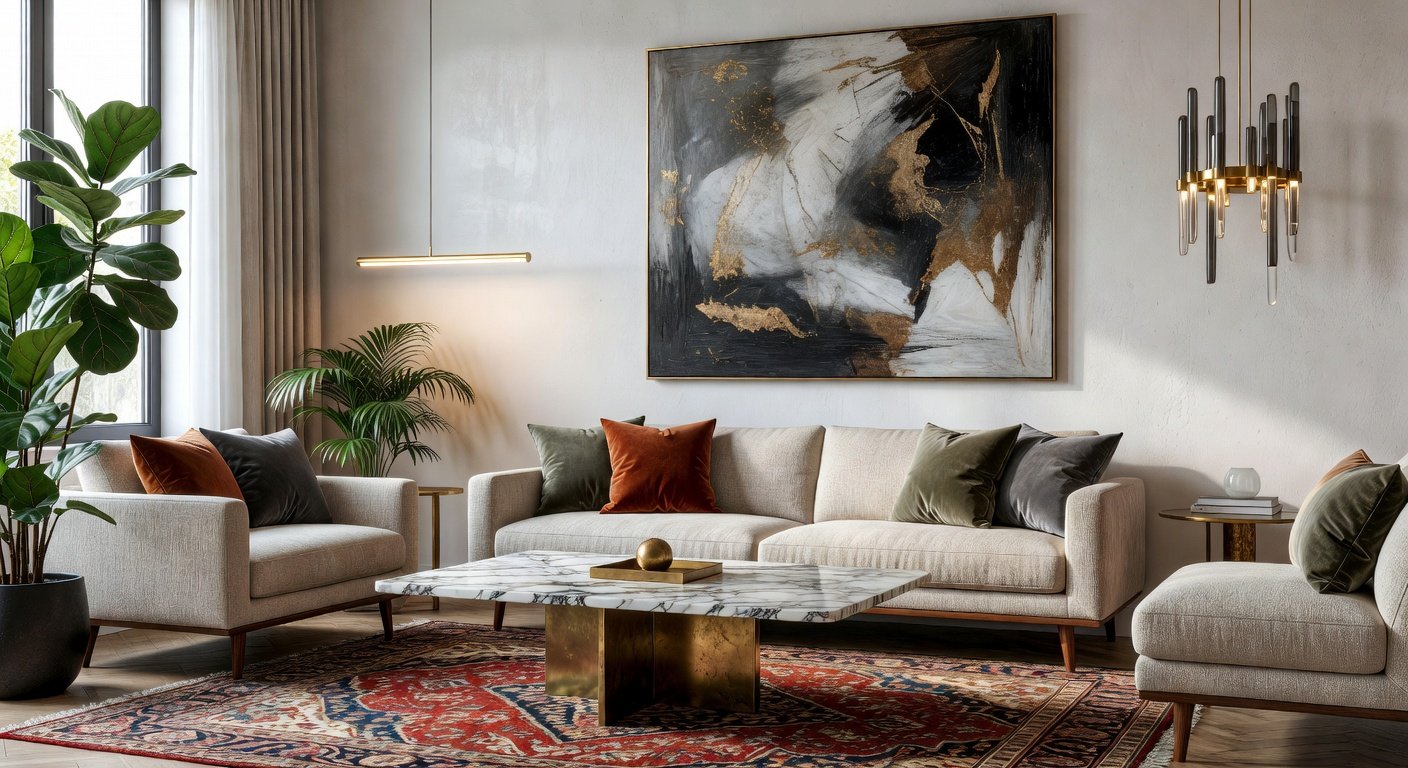
Blending Modern and Traditional: Hybrid Designs for 2026
The hottest trend for 2026? Eclectic hybrids that marry modern simplicity with traditional soul. Imagine a sleek mid-century sofa paired with a Persian rug and brass accents. This fusion creates versatile, personalized spaces.
Real-World Examples:
- A New York loft with white walls (modern), walnut paneling (traditional), and a crystal chandelier over a glass console.
- A London townhouse featuring modular sectionals around a stone fireplace, lit by slim sconces and table lamps.
- California bungalows blending tufted ottomans with floating shelves and smart mirrors.
These hybrids, showcased on sites like House Beautiful, prove timelessness without compromise.
Practical Remodeling Tips
Transform your living room step-by-step:
- Assess Your Space: Measure for flow—modern needs 10% more open space.
- Choose Anchor Pieces: Start with a hybrid sofa (e.g., linen Chesterfield with metal legs).
- Layer Lighting: Combine recessed LEDs with one statement lamp.
- Paint Strategically: Neutral base with accent walls in jewel tones.
- Incorporate Tech: Hide speakers in traditional millwork.
Mistakes to Avoid: Overloading modern spaces with ornate items or skimping on traditional rugs for traction.
Budget-Friendly Ways to Achieve the Look
No need for a full gut job:
- Under $500: Swap pillows (modern geometrics on traditional patterns), add peel-and-stick wallpaper.
- $500–$2,000: Thrift wood furniture, refinish for modern matte; affordable LEDs from big-box stores.
- $2,000+: Custom upholstery blending fabrics; secondhand chandeliers via apps.
Shop sales at IKEA for modern starters or Facebook Marketplace for traditional gems. Sustainable swaps like upcycled woods keep costs low and eco-impact minimal.
FAQs: Modern vs Traditional Living Rooms
Q: Which is better for small spaces? Modern, due to its slim profiles and light colors.
Q: How to update traditional without losing charm? Add metallics and multifunctional pieces.
Q: What's trending for 2026 hybrids? Biophilic elements like indoor plants bridging both worlds.
Conclusion
In 2026, the choice between modern and traditional living room designs isn't binary—it's about harmony. By understanding their differences in furniture, colors, lighting, and layouts, you can craft a space that's uniquely yours. Experiment with hybrids for pros without cons, follow our tips for seamless remodels, and embrace budget hacks for stunning results. Your living room awaits its timeless upgrade—start blending today!
No comments yet. Be the first!