 Fixated on Home
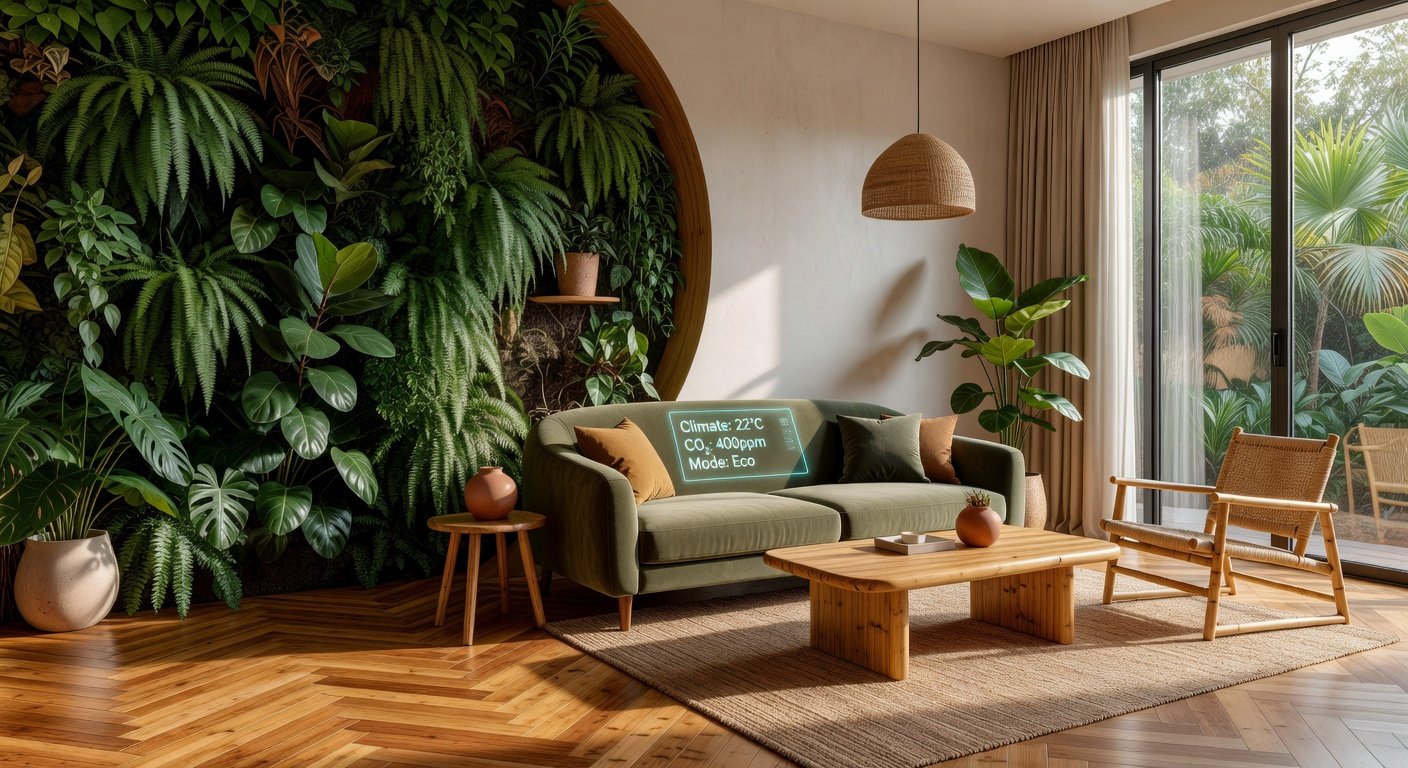
As we approach 2026, living room designs are evolving to prioritize sustainability, technology, and harmony with nature. Homeowners are seeking spaces that are not only aesthetically pleasing but also functional, eco-friendly, and wellness-oriented. This article explores the top 10 emerging trends, with practical remodeling tips, budget-friendly upgrades, step-by-step implementation guides, and real-world case studies to inspire your next living room refresh.
These trends blend biophilic elements, AI-integrated smart furniture, and sustainable materials to create contemporary living spaces that enhance both aesthetics and daily life.
1. Biophilic Design Elements
Biophilic design brings nature indoors through plants, natural light, and organic patterns, reducing stress and boosting mood.
Budget-Friendly Upgrade
Opt for affordable faux plants or vertical gardens under $100.
Step-by-Step Implementation
- Assess natural light sources and add sheer curtains.
- Incorporate potted plants or wall-mounted planters.
- Paint walls in greens or install peel-and-stick nature murals.
- Add wood accents like floating shelves.
Case Study
In a Seattle condo, a family transformed their dim living room with IKEA's biophilic kits, increasing perceived space by 20% and improving air quality, as per resident feedback.
2. Sustainable Materials
Recycled woods, bamboo, and vegan leathers dominate, minimizing environmental impact. Check out IKEA's sustainability initiatives for inspiration at IKEA Sustainable Everyday.
Budget-Friendly Upgrade
Swap cushions for bamboo covers ($20-50).
Step-by-Step Implementation
- Inventory current furniture for reusable pieces.
- Source reclaimed wood from local mills.
- Refinish tables with eco-varnishes.
- Install bamboo flooring overlays.
Case Study
A Portland homeowner used reclaimed pallet wood for coffee tables, saving $300 and earning compliments on the rustic vibe.
3. AI-Integrated Smart Furniture
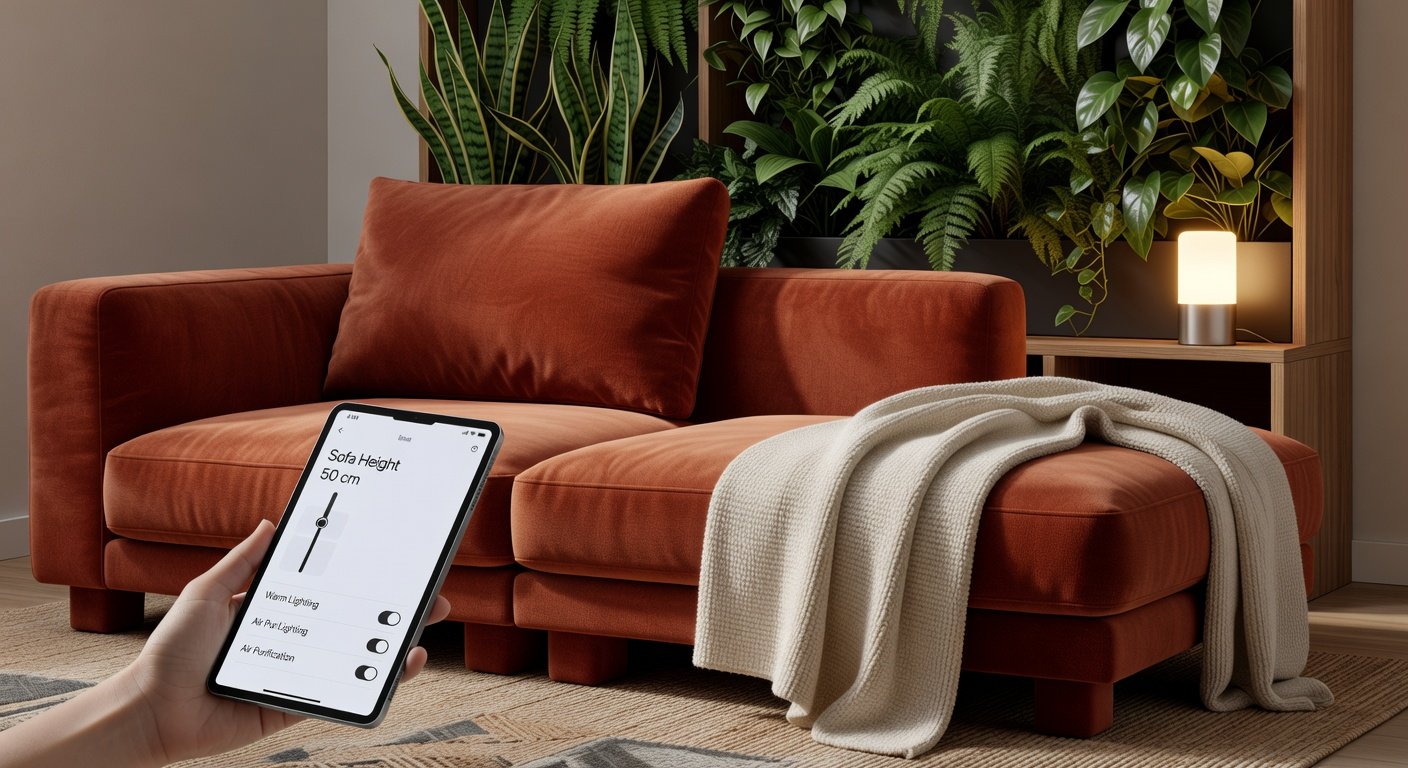
Furniture with built-in AI adjusts height, lighting, or temperature via apps, like self-optimizing sofas.
Budget-Friendly Upgrade
Add $150 smart plugs to existing pieces.
Step-by-Step Implementation
- Choose compatible furniture (e.g., IKEA smart series).
- Pair with Google Home or Alexa.
- Customize AI settings for usage patterns.
- Test and calibrate voice controls.
Case Study
In New York, a tech-savvy couple's AI ottoman doubled as a charger station, streamlining family movie nights.
4. Modular Furniture Systems
Adaptable pieces like sectional sofas that reconfigure for yoga or parties.
Budget-Friendly Upgrade
Buy stackable cubes for $80.
Step-by-Step Implementation
- Measure room for flexibility.
- Purchase modular kits from Houzz.
- Arrange for multi-use zones.
- Add cushions for comfort.
Case Study
A London flat used modular walls to create a home office nook, boosting productivity.
5. Organic Shapes and Curves
Replace sharp edges with wavy sofas and rounded tables for a softer feel.
Budget-Friendly Upgrade
Drape throws over angular furniture ($30).
Step-by-Step Implementation
- Sketch desired flow.
- Source curved mirrors or lamps.
- Integrate with rugs in fluid patterns.
- Balance with minimal straight lines.
Case Study
Miami residents softened their mid-century room with curved chairs, creating a spa-like retreat.
6. Earthy and Natural Color Palettes
Terracotta, sage green, and warm beiges evoke calm.
Budget-Friendly Upgrade
Repaint walls with sample pots ($10).
Step-by-Step Implementation
- Test swatches in lighting.
- Layer textiles in earth tones.
- Add metallic accents for depth.
- Incorporate plants for vibrancy.
Case Study
A California family refreshed their space with terracotta accents, enhancing warmth per surveys.
7. Textural Layers
Mix weaves, knits, and rough stones for tactile appeal.
Budget-Friendly Upgrade
Layer thrift rugs ($40).
Step-by-Step Implementation
- Start with base rug.
- Add woven baskets and throws.
- Introduce stone coasters.
- Balance textures visually.
Case Study
Chicago apartment gained coziness with shearling and jute, ideal for winters.
8. Smart Lighting Integration
AI lights mimic daylight cycles for circadian rhythm support. Explore more at Philips Hue.
Budget-Friendly Upgrade
Smart bulbs kit ($50).
Step-by-Step Implementation
- Map lighting zones.
- Install Hue bridges.
- Program scenes via app.
- Sync with voice assistants.
Case Study
A remote worker in Austin used dynamic lights to combat fatigue, reporting better sleep.
9. Multi-Functional Zones
Designate areas for work, play, and relax within one room.
Budget-Friendly Upgrade
Folding screens ($60).
Step-by-Step Implementation
- Zone with rugs.
- Add pop-up desks.
- Use storage ottomans.
- Test flow daily.
Case Study
Brooklyn family created kid/play zones, reducing clutter by 40%.
10. Wellness-Focused Sensory Spaces
Incorporate aromatherapy diffusers and sound panels for zen. Learn biophilic benefits from ArchDaily's Biophilic Design.
Budget-Friendly Upgrade
Essential oil diffuser ($25).
Step-by-Step Implementation
- Select calming scents.
- Install acoustic panels.
- Add meditation corners.
- Integrate with smart controls.
Case Study
San Francisco dwellers built a sensory nook, lowering anxiety scores in self-tests.
Embracing these 2026 trends will future-proof your living room, blending sustainability, smarts, and serenity. Start small with budget tips and scale up for transformative results.
No comments yet. Be the first!