 Fixated on Home
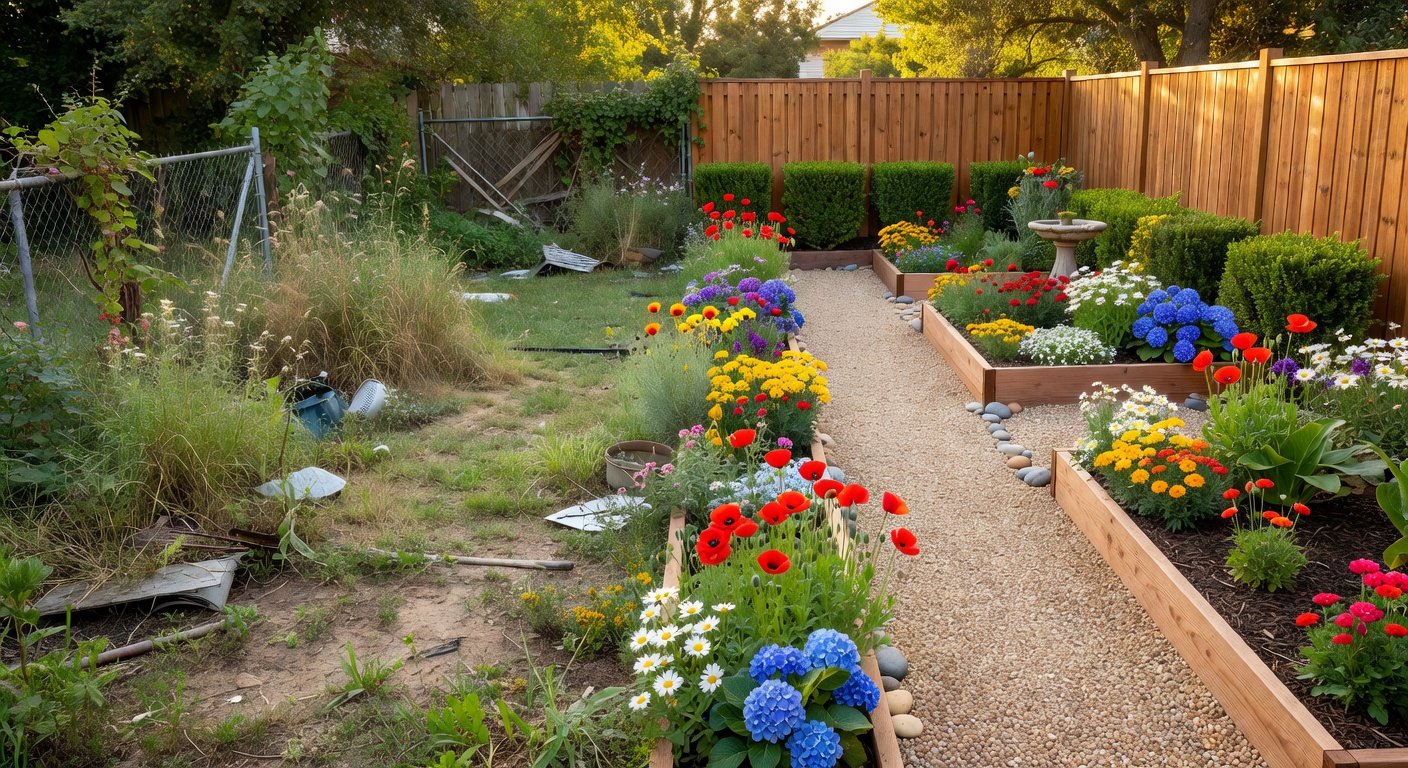
Revamp Your Fixer-Upper Yard on a Budget
Fixer-upper homes often come with neglected outdoor spaces that can feel overwhelming. But with simple DIY landscaping projects, you can create a polished, inviting yard without breaking the bank. This beginner guide focuses on three affordable projects: gravel pathways, raised garden beds, and mulched borders. Using basic tools and readily available materials, you'll achieve sustainable, low-maintenance designs that boost curb appeal and home value.
These projects emphasize eco-friendly choices like permeable gravel for better drainage and native plants for reduced water use. Expect to spend under $200 per project, depending on yard size. Let's dive into the details.
Project 1: Create a Charming Gravel Pathway
Gravel pathways add structure and easy access to your yard while preventing mud and erosion. They're forgiving for beginners and require minimal upkeep.
Tools and Materials Needed
- Shovel and rake
- Wheelbarrow
- Landscape fabric
- 5-10 bags of pea gravel or crushed stone (50-lb bags, ~$5 each)
- Edging stones or bricks (optional, recycled for budget)
- Tamper or heavy roller
Step-by-Step Instructions
- Plan the path: Mark a 3-foot-wide path with spray paint or string. Aim for gentle curves for visual appeal.
- Excavate: Dig 4-6 inches deep along the path, removing grass and roots. Slope slightly for drainage.
- Base layer: Add 2 inches of sand or gravel base, tamp down firmly.
- Weed barrier: Lay landscape fabric to suppress weeds.
- Fill with gravel: Spread 2-3 inches of pea gravel evenly. Edge with stones for a clean look.
- Compact: Tamp the surface and add more gravel if needed.
Pro Tip: Choose permeable gravel to reduce runoff, aligning with sustainable practices promoted by the EPA. Refresh gravel every 2-3 years for longevity.
Your new path will guide visitors beautifully while staying low-maintenance.
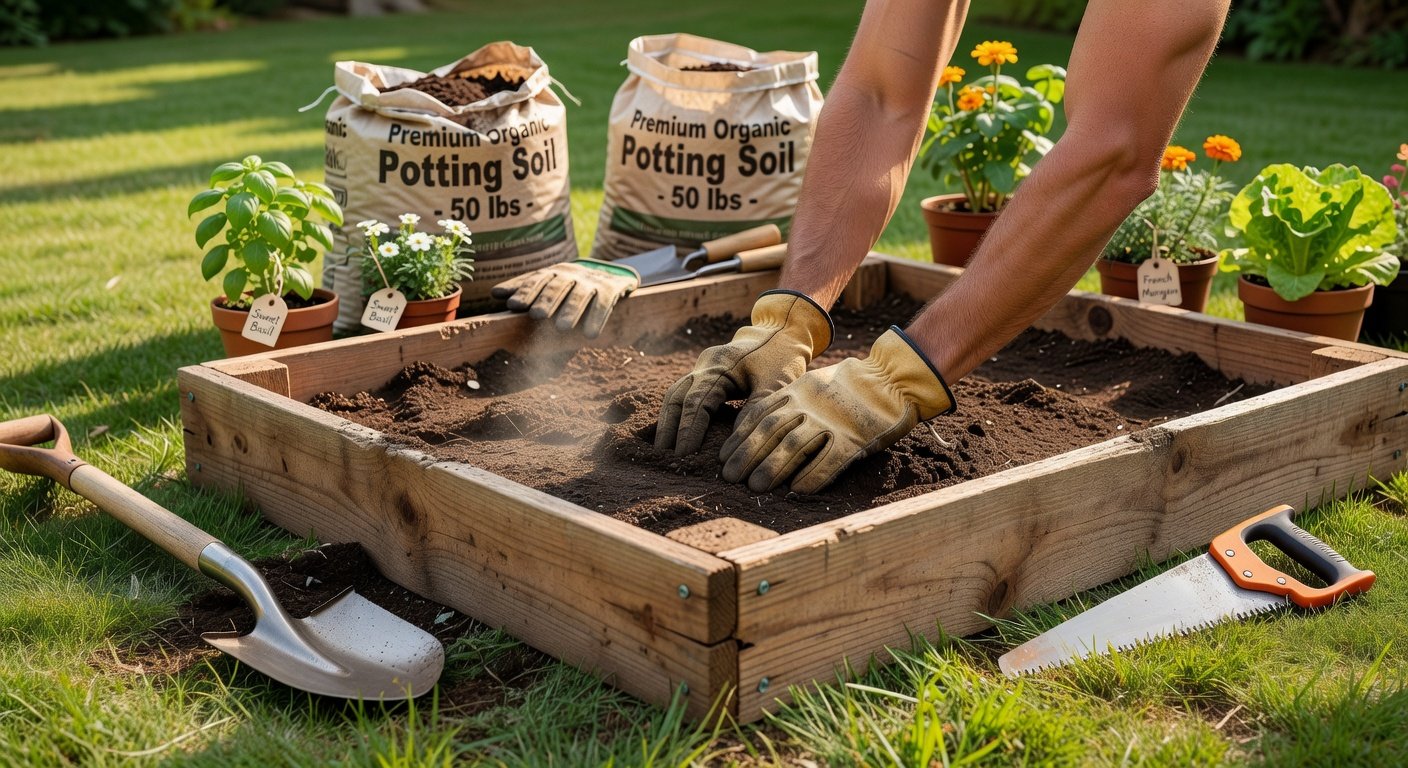
Project 2: Build Raised Garden Beds
Raised beds make gardening accessible, even in poor soil. They're perfect for fixer-uppers, offering better control over soil quality and pest management.
Tools and Materials Needed
- Circular saw or handsaw
- Drill and screws
- Untreated cedar or pine boards (2x12x8 ft, ~$20 each)
- Landscape fabric or cardboard
- Topsoil and compost mix (bulk from local supplier)
- Corner brackets (optional for stability)
Step-by-Step Instructions
- Choose location: Sunny spot with good drainage, away from trees.
- Cut wood: For a 4x8 ft bed, cut two 8-ft boards and four 4-ft boards.
- Assemble frame: Screw corners together, forming a rectangle. Add brackets if using softwood.
- Prepare base: Level ground, line bottom with cardboard to smother weeds.
- Fill it up: Layer gravel at bottom for drainage, then soil-compost mix to 6-12 inches deep.
- Plant: Add low-maintenance perennials or veggies suited to your zone.
Sustainability Tip: Use untreated wood to avoid chemicals leaching into soil. Opt for native plants to minimize watering—check resources like your local This Old House guides for zone-specific advice.
These beds yield fresh produce or flowers with less bending and weeding.
Project 3: Install Mulched Borders
Mulched borders define planting areas, retain moisture, and suppress weeds. They're quick and transform scruffy edges into neat features.
Tools and Materials Needed
- Garden edger or half-moon spade
- Rake
- Bagged mulch (cedar or hardwood, 2 cu ft bags ~$4 each)
- Perennial plants or shrubs
- Compost for soil amendment
Step-by-Step Instructions
- Outline border: Edge a 12-18 inch wide trench along garden or yard perimeter.
- Dig trench: Remove sod to 4 inches deep.
- Amend soil: Mix in compost for plant roots.
- Plant first: Space low-maintenance shrubs or flowers 18-24 inches apart.
- Mulch: Spread 2-3 inches thick, keeping it away from stems to prevent rot.
- Water in: Soak thoroughly.
Low-Maintenance Hack: Organic mulch breaks down to enrich soil naturally. Reapply annually, but thicker layers mean less frequent topping up.
General Tips for Success and Sustainability
- Budget Smart: Shop end-of-season sales or use free materials like recycled bricks.
- Low-Maintenance Plants: Choose drought-tolerant natives like lavender, sedum, or ornamental grasses.
- Water Wisely: Install soaker hoses for efficient irrigation.
- Safety First: Wear gloves, use sturdy shoes, and work in good weather.
- Maintenance Schedule: Weed monthly, prune seasonally, and inspect for pests.
Combining these projects creates a cohesive yard upgrade. Start small, like one pathway, and expand as confidence grows.
Why These Projects Work for Fixer-Uppers
Fixer-uppers benefit from high-impact, low-cost changes. Gravel paths cost pennies per square foot compared to concrete. Raised beds fix poor soil issues instantly. Mulch hides bare dirt affordably. Together, they increase property appeal by 10-20%, per real estate pros.
Embrace DIY landscaping to turn your outdoor space into a sanctuary. With these steps, stunning results are within reach—no pro needed.
No comments yet. Be the first!