 Fixated on Home
Introduction to Plumbing Upgrades in 2026 Bathroom Remodels
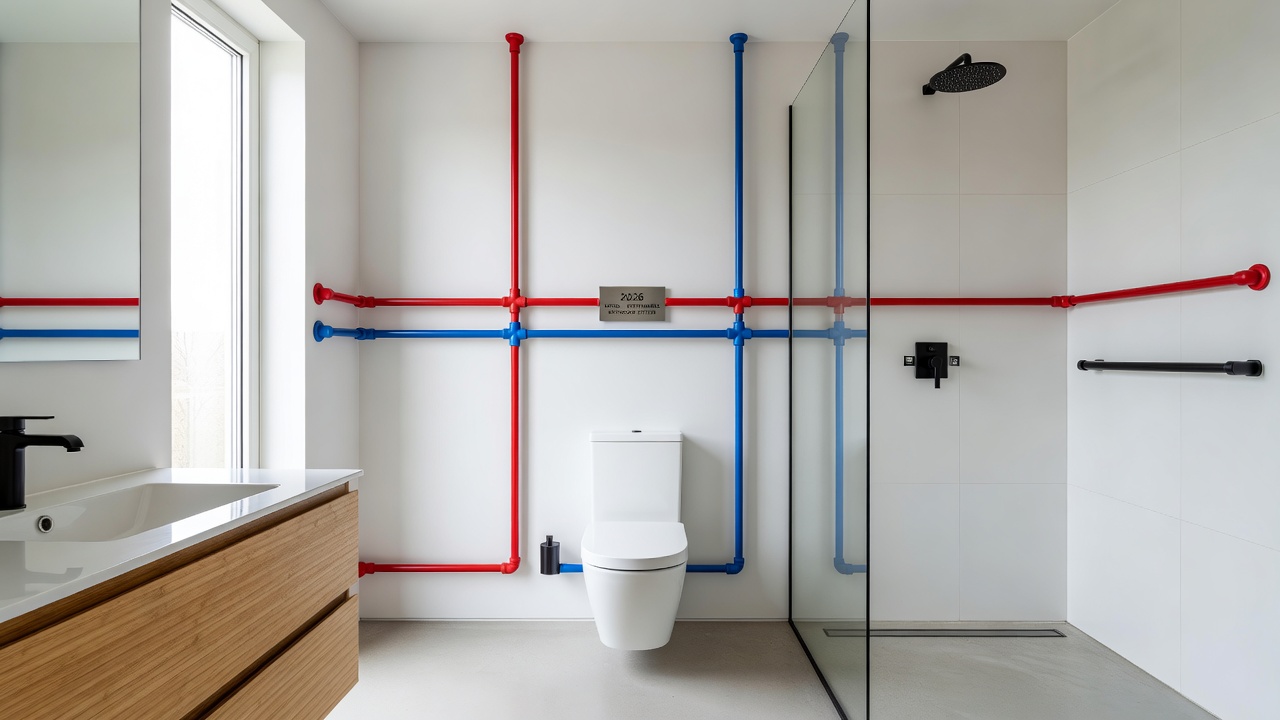
Homeowners planning a bathroom remodel in 2026 face unique opportunities to modernize plumbing systems for better efficiency and longevity. Upgrading plumbing during remodeling prevents future leaks, reduces water waste, and supports sustainable living while enhancing overall home value. This guide covers practical steps for assessing current setups, choosing advanced materials, and integrating fixtures that complement interior design trends. Effective plumbing upgrades require coordination between contractors, designers, and homeowners to ensure seamless results. Whether refreshing a dated space or overhauling an entire bathroom, focusing on plumbing early avoids costly disruptions later. In 2026, sustainable plumbing solutions emphasize durable materials that minimize environmental impact through reduced resource consumption and longer service life, helping homeowners achieve both functional and aesthetic goals without frequent replacements.
Assessing Your Existing Plumbing System
Before any remodel begins, a thorough inspection of existing pipes, drains, and fixtures is essential. Start by hiring a licensed plumber to evaluate age, material condition, and water pressure. Older homes often feature galvanized steel or cast-iron pipes prone to corrosion, leading to reduced flow and potential bursts. Document issues such as slow drains, visible rust, or inconsistent pressure. Use this assessment to decide between partial repairs and full replacements. Real-world examples from recent renovations show that proactive evaluations cut unexpected costs by identifying hidden problems like tree root intrusions in sewer lines. Additionally, check for outdated venting systems that may not meet current standards, as poor venting can cause gurgling noises and sewer gas odors. Measure pipe diameters and note fixture locations to plan efficient rerouting if needed. This detailed evaluation forms the foundation for all subsequent decisions in the remodel process.
Step-by-Step Planning Process for Plumbing Upgrades
- Define project scope based on inspection findings and budget priorities.
- Research local building codes and schedule permit applications early.
- Collaborate with interior designers to align plumbing layouts with fixture placements and decor themes.
- Select materials and fixtures that meet 2026 sustainability standards.
- Coordinate installation timelines with other remodel phases like tiling and cabinetry.
- Conduct final testing and walkthroughs to verify performance.
This structured approach ensures plumbing work integrates smoothly with broader renovation goals. Homeowners should also create a timeline that accounts for potential delays, such as material sourcing or inspections. Involving all stakeholders from the start helps prevent conflicts between plumbing routes and electrical or HVAC elements. Document every decision with photos and notes for future reference during the project.
Comparing Traditional and Modern Pipe Materials
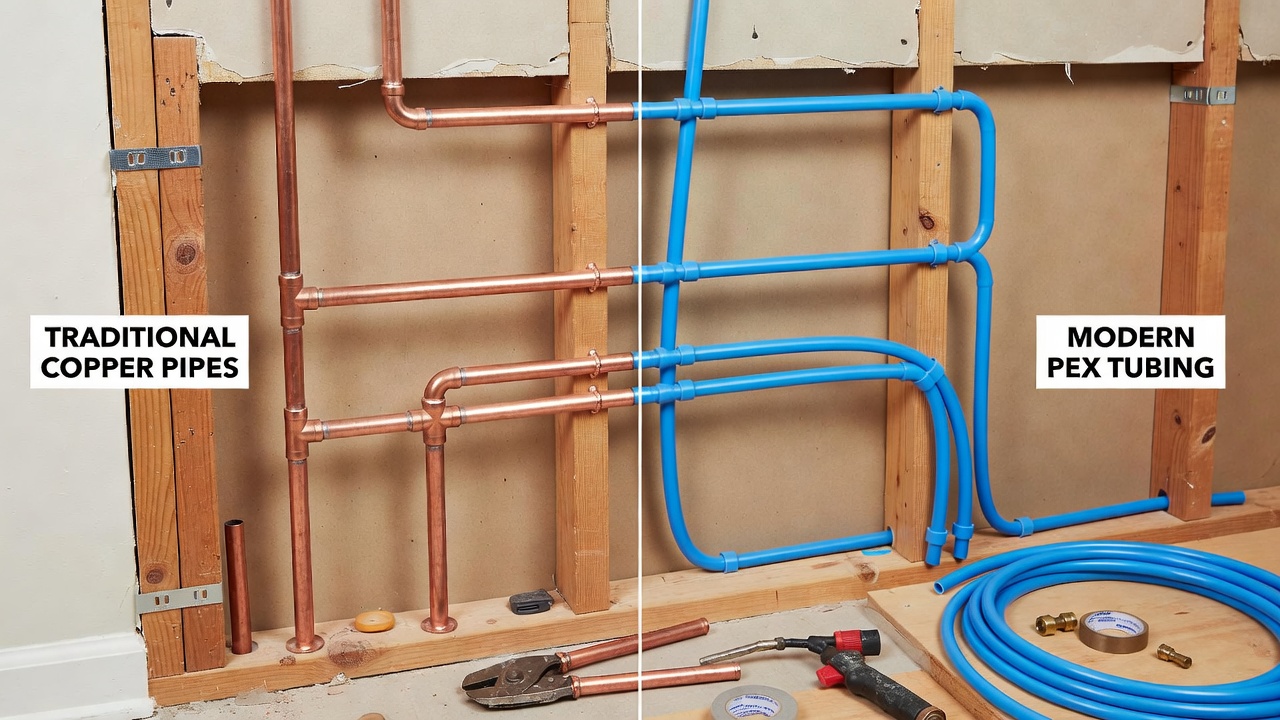
Traditional options like copper and PVC remain reliable, but 2026 trends favor advanced alternatives such as PEX and CPVC for flexibility and corrosion resistance. PEX tubing installs faster in tight spaces and withstands freezing temperatures better than rigid pipes. In contrast, traditional copper offers excellent durability yet requires soldering skills that increase labor time. Modern cross-linked polyethylene systems also reduce noise transmission compared to older materials. Homeowners should weigh factors like lifespan, ease of future repairs, and compatibility with water-efficient fixtures when making selections. For instance, PEX excels in retrofits because it bends around obstacles without joints, lowering leak risks. Copper, while more expensive initially, provides natural antimicrobial properties that some prefer for drinking water lines. CPVC serves as a middle ground with good heat resistance for hot water supplies. Always consult local codes, as certain areas restrict specific materials. A side-by-side comparison reveals that modern options often deliver superior long-term value through easier maintenance and adaptability to sustainable water systems.
Integrating Water-Efficient Fixtures
Water-efficient toilets, faucets, and showerheads form the core of sustainable bathroom upgrades. Look for models certified for low flow without sacrificing performance. These fixtures pair well with updated piping to maintain optimal pressure throughout the system. Coordination with decor involves selecting finishes that match vanity hardware and lighting choices for a cohesive look. Recent renovations demonstrate how low-flow options enhance both functionality and aesthetic appeal in contemporary designs. Consider aerators on faucets that maintain strong streams while conserving water, and dual-flush toilets that offer flexibility for different waste types. When integrating these, ensure supply lines are properly sized to avoid pressure drops. Professional installation guarantees proper sealing and alignment with existing or new plumbing infrastructure.
Aligning Plumbing with Interior Design and 2026 Trends
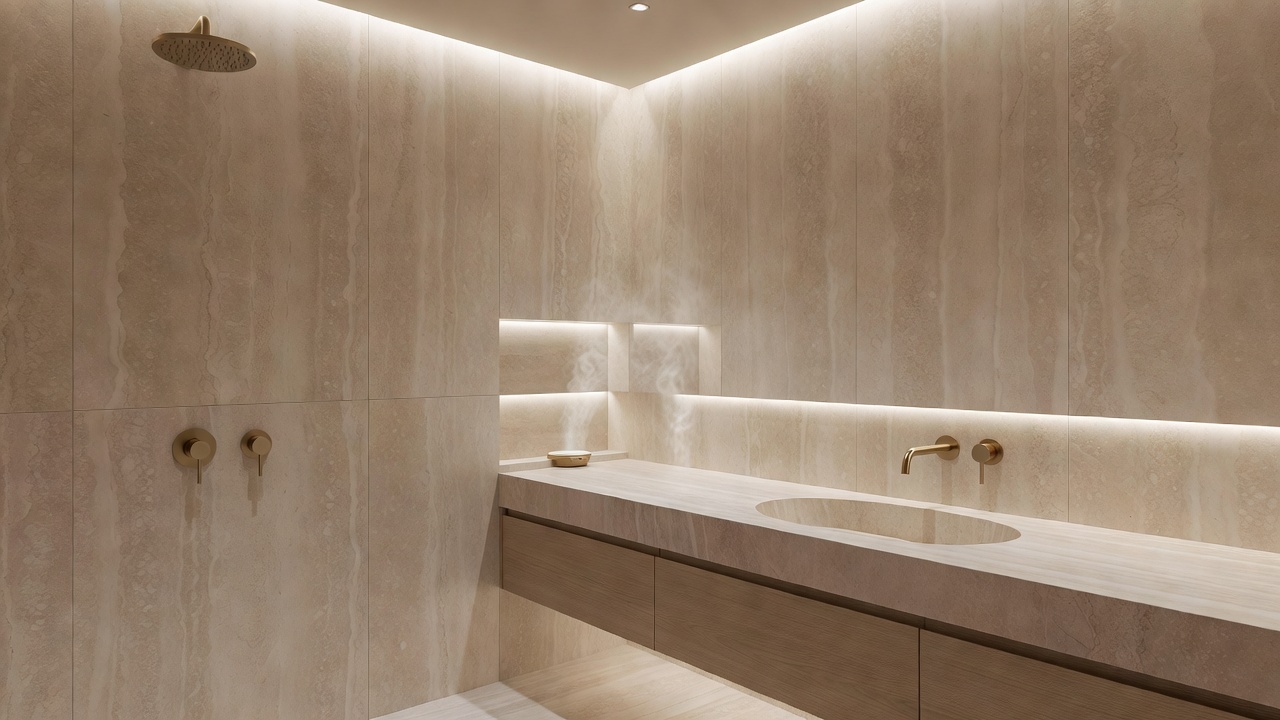
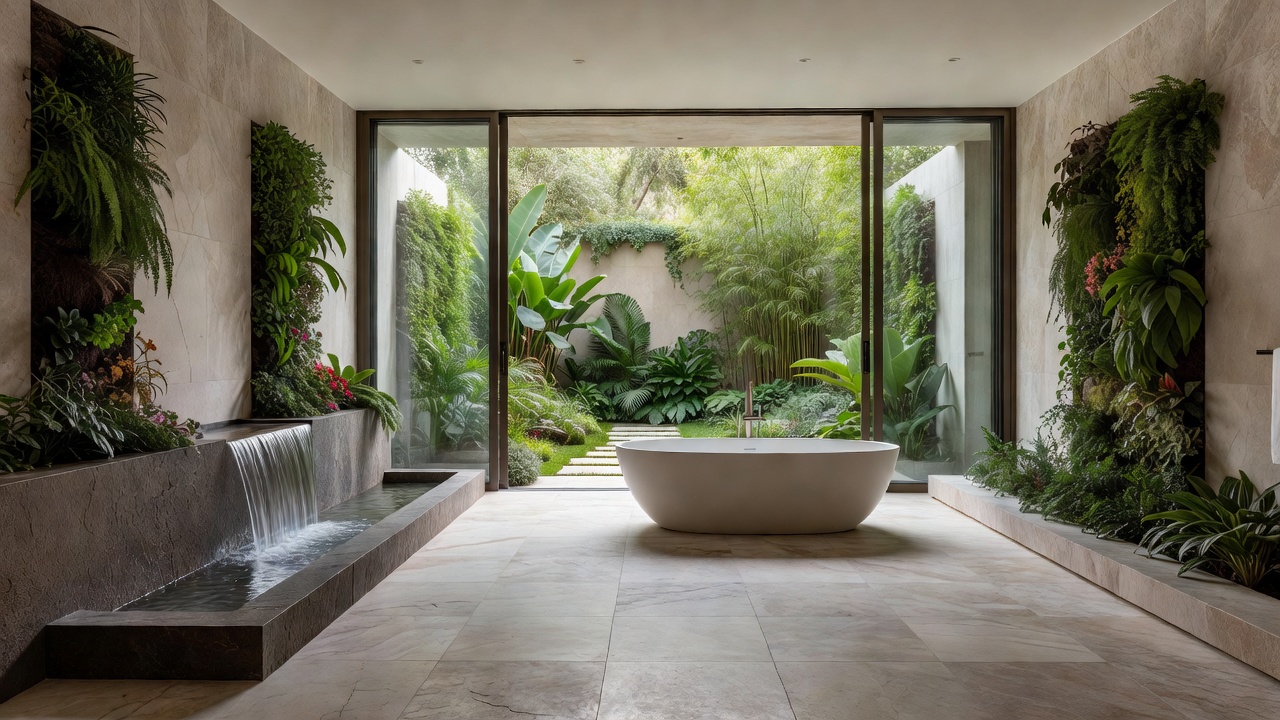
Sustainable plumbing solutions in 2026 emphasize durable, low-maintenance materials that support minimalist and eco-conscious decor styles. Hidden pipe routing behind walls preserves clean lines, while accessible shut-off valves add practical convenience near vanities. Examples from completed projects highlight how plumbing upgrades enable features like rainfall showers and freestanding tubs without compromising structural integrity. Always verify that new layouts respect existing electrical and HVAC elements for a unified result. In 2026, trends include using recycled-content piping where available and planning for future expansions like additional water filtration points. This alignment creates bathrooms that feel spacious and modern while supporting long-term sustainability goals.
Real-World Renovation Examples
In one suburban home update, replacing outdated galvanized lines with PEX allowed installation of a high-efficiency shower system that improved daily routines and reduced water usage noticeably. Another urban condo project integrated efficient fixtures alongside traditional piping upgrades, preventing minor issues from escalating during heavy seasonal use. A third example involved a historic property where careful assessment preserved original aesthetics while modernizing drains for better performance. These cases illustrate how thoughtful planning yields both immediate comfort and long-term savings across diverse home styles.
Common Mistakes to Avoid During Plumbing Upgrades
Many remodels encounter setbacks from overlooking key details. One frequent error is underestimating the need for professional venting calculations, which can lead to slow drainage. Another involves selecting materials without verifying compatibility with local water chemistry, causing premature corrosion. Homeowners sometimes rush fixture choices without testing pressure compatibility, resulting in weak performance. Always obtain multiple quotes from licensed plumbers and review references thoroughly. Failing to secure permits early can halt projects and incur fines. By addressing these pitfalls proactively, projects stay on schedule and within expectations.
FAQ: Permits, Pitfalls, and Best Practices
Do I need permits for plumbing work in a bathroom remodel?
Most jurisdictions require permits for pipe replacements or fixture relocations. Check with your local building department before starting to avoid fines and ensure compliance. Resources from the EPA can provide additional guidance on water-related regulations.
What common pitfalls should I avoid?
Skipping professional inspections, choosing incompatible materials, and neglecting water pressure testing often lead to problems. Always prioritize licensed professionals over DIY attempts for major changes.
How can I prevent future leaks after the remodel?
Install accessible shut-offs, use quality materials, and schedule annual inspections. Proper venting and slope on drains also reduce risks significantly.
Are there specific 2026 trends in sustainable plumbing I should consider?
Focus on long-lasting materials with minimal environmental footprints and designs that support water conservation through efficient routing and fixture integration. Local codes increasingly favor these approaches.
Conclusion
Upgrading plumbing during your 2026 bathroom remodel delivers efficiency, reliability, and design harmony. By following the assessment, planning, and selection steps outlined here, homeowners achieve results that stand the test of time. Consult experts early to tailor solutions to your specific space and goals, ensuring a successful and sustainable outcome.
No comments yet. Be the first!