 Fixated on Home
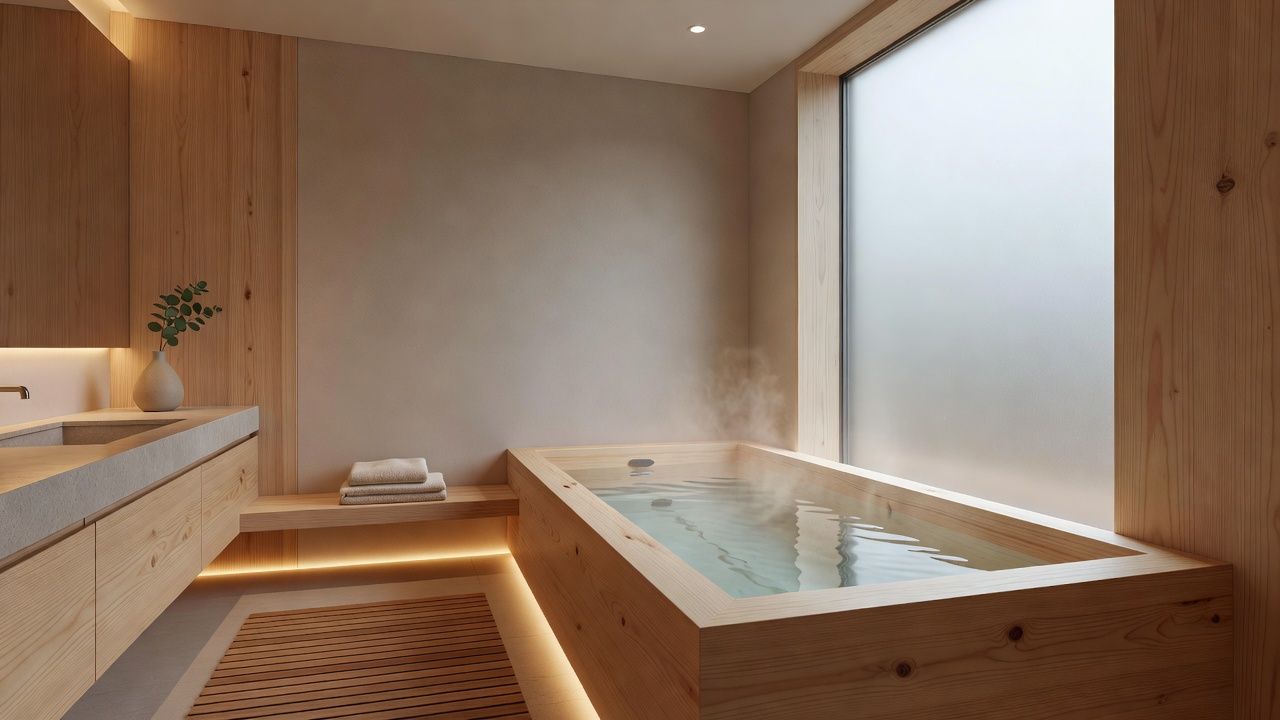
Introduction to Japanese Soaking Tubs in Modern Remodels
Japanese soaking tubs, known as ofuro, are transforming 2026 bathroom remodels by blending ancient wellness traditions with contemporary design. Homeowners seeking a serene retreat are incorporating these deep, compact tubs to create spa-like environments that promote relaxation and health benefits such as improved circulation and stress reduction. This trend aligns perfectly with the growing emphasis on home wellness spaces that prioritize mental and physical rejuvenation amid busy modern lifestyles.
Unlike standard bathtubs, Japanese soaking tubs encourage upright seating with water covering the shoulders, fostering mindfulness and recovery. As bathroom remodeling projects evolve, these tubs offer a unique upgrade that combines functionality with cultural elegance. In 2026, the focus on biophilic design and holistic health makes these fixtures especially appealing for those looking to turn their bathrooms into personal sanctuaries rather than purely utilitarian spaces.
Material Options for Durability and Aesthetics
Choosing the right material is essential for longevity and visual appeal. Hinoki wood, a traditional Japanese cypress, provides natural antimicrobial properties and a warm, aromatic experience ideal for authentic wellness setups. However, it requires careful sealing and is best suited for homes with proper ventilation to prevent moisture damage over time. Many homeowners appreciate the subtle cedar-like scent that hinoki releases when wet, enhancing the sensory aspect of each soak.
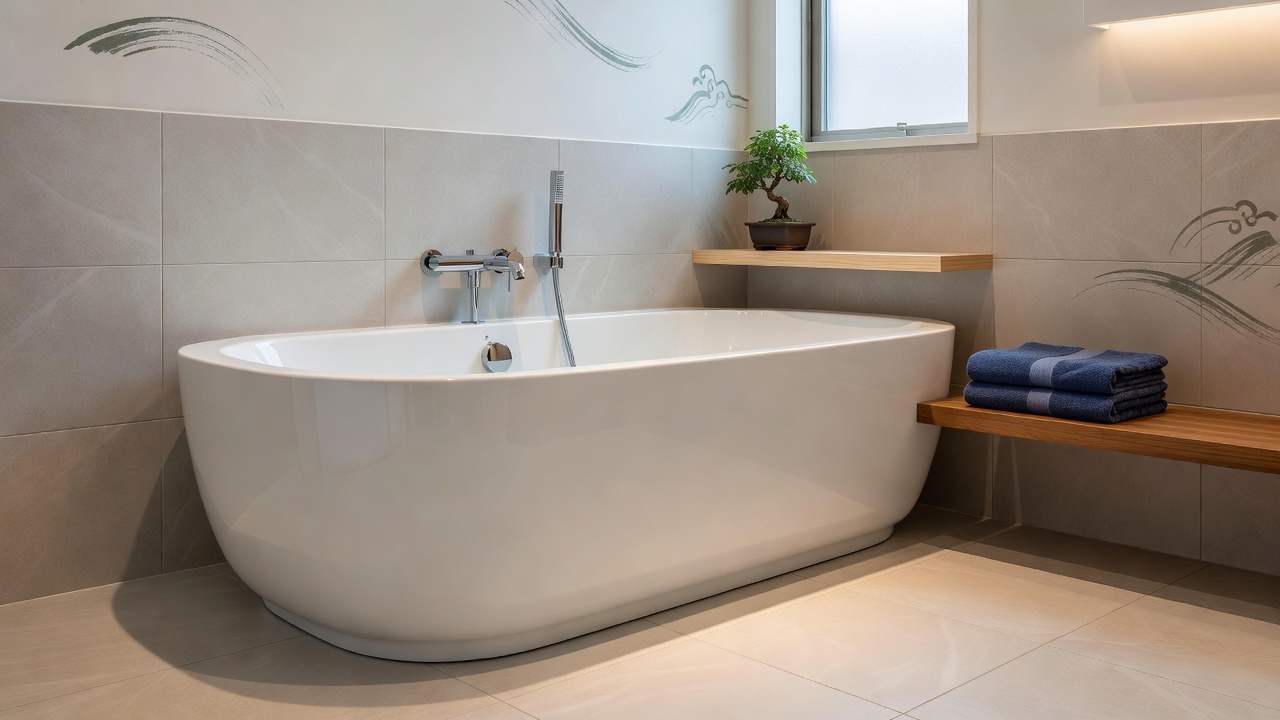
Acrylic alternatives offer modern practicality with easy maintenance, lightweight construction, and resistance to cracking. Composite materials blend wood-like textures with synthetic durability for a balanced option. For 2026 projects, acrylic remains popular for its compatibility with smart home features like temperature controls and LED lighting integrations. Stone or resin options provide a luxurious, spa-inspired feel but may require professional handling due to weight considerations during installation.
Sizing Considerations for Small and Large Bathrooms
Space dictates tub selection. In compact bathrooms under 50 square feet, opt for 40- to 48-inch models that fit tight corners without overwhelming the layout. Larger master baths accommodate 60-inch or oversized versions, allowing room for paired seating or integrated benches that encourage shared relaxation experiences.
Measure floor space and ceiling height first. Always leave clearance for entry and exit to ensure safety and comfort. Consider how the tub will interact with other elements like vanities, showers, and storage. In small spaces, wall-mounted fixtures and floating shelves can maximize usability while keeping the focus on the tub as the centerpiece.
Installation Steps and Plumbing Considerations
Professional installation begins with assessing floor support, as these tubs hold significant water weight. Steps include framing a dedicated platform, connecting to existing drain lines, and ensuring waterproofing around walls and floors. Homeowners should also evaluate electrical needs if adding features like built-in heaters or jets.
Plumbing upgrades may involve rerouting pipes for the deep basin design and adding overflow mechanisms. Consult licensed plumbers early to avoid costly revisions. Integration with EPA water efficiency guidelines helps maintain sustainability, while checking local building codes ensures compliance. A typical process involves demolition of old fixtures, subfloor reinforcement, rough-in plumbing, tub placement, tiling or finishing surrounds, and final testing for leaks.
Practical Comparisons to Standard Tubs
Japanese soaking tubs differ markedly from conventional models. They use less water per session due to their depth and upright posture, promoting eco-friendly use. Standard tubs emphasize reclining and full-body submersion, while soaking tubs prioritize shoulder-deep immersion for targeted muscle relief. This makes them particularly effective for post-workout recovery or evening wind-down routines.
- Footprint: Soaking tubs occupy less floor area but require greater depth, making them suitable for urban apartments.
- Water volume: Typically lower, supporting conservation efforts aligned with 2026 environmental standards.
- Maintenance: Hinoki needs periodic oiling; acrylic wipes clean easily with non-abrasive cleaners.
- Therapeutic benefits: The upright position promotes better posture and targeted hydrotherapy compared to reclining designs.
- Design versatility: Easier to pair with minimalist or Zen-inspired decor themes.
Real-Home Examples and Design Inspiration
In a Seattle townhouse remodel, a hinoki soaking tub paired with heated floors created a Japanese-inspired oasis complete with shoji screens and natural stone accents. Another project in Austin featured an acrylic model in a minimalist white bathroom, enhanced by natural stone accents and integrated storage for bath salts and towels. These examples demonstrate versatility across styles, from rustic to ultra-modern. A third case in Chicago incorporated the tub into a larger spa suite with a steam shower, showing how it scales for luxury homes seeking comprehensive wellness upgrades.
Benefits for Wellness and Daily Living
Beyond aesthetics, these tubs support improved sleep, reduced inflammation, and mental clarity through regular use. The ritual of soaking aligns with mindfulness practices gaining traction in 2026 home design. Pairing with aromatherapy diffusers or sound systems further elevates the experience, turning a simple bath into a full wellness routine.
Cost Estimates and Budget Planning
While specific pricing varies by region and materials, expect premium investments for quality installations. Focus on long-term value through durability and wellness benefits rather than initial outlay. Reference recent market insights as of 2026-09-05 for current trends when consulting contractors.
FAQ: Maintenance, Compatibility, and 2026 Trends
How do I maintain a Japanese soaking tub?
Regular cleaning with mild solutions preserves surfaces. For hinoki, apply natural oils monthly. Drain and dry after each use to prevent mildew. Avoid harsh chemicals that could damage natural finishes or acrylic coatings.
Are they compatible with heated floors?
Yes, pairing with radiant heating enhances comfort and aligns with 2026 smart home upgrades. Ensure proper insulation beneath the tub to optimize energy efficiency and prevent heat loss.
Do they work in homes with standard plumbing?
Most installations adapt existing systems, though upgrades improve performance. Professional assessment is recommended to handle any necessary modifications smoothly.
How do Japanese soaking tubs fit with other 2026 trends like smart lighting?
They integrate seamlessly with app-controlled lighting and temperature systems, allowing users to create personalized ambiance for each soak session.
Conclusion
Incorporating Japanese soaking tubs into 2026 bathroom remodels delivers unmatched wellness and style. With thoughtful material selection, precise sizing, and expert installation, homeowners achieve a personal sanctuary. Explore resources from the World Health Organization on holistic health practices and Energy Star for efficiency tips to deepen your approach to sustainable living.
No comments yet. Be the first!