 Fixated on Home
Introduction to 3D-Printed Fixtures in Modern Bathrooms
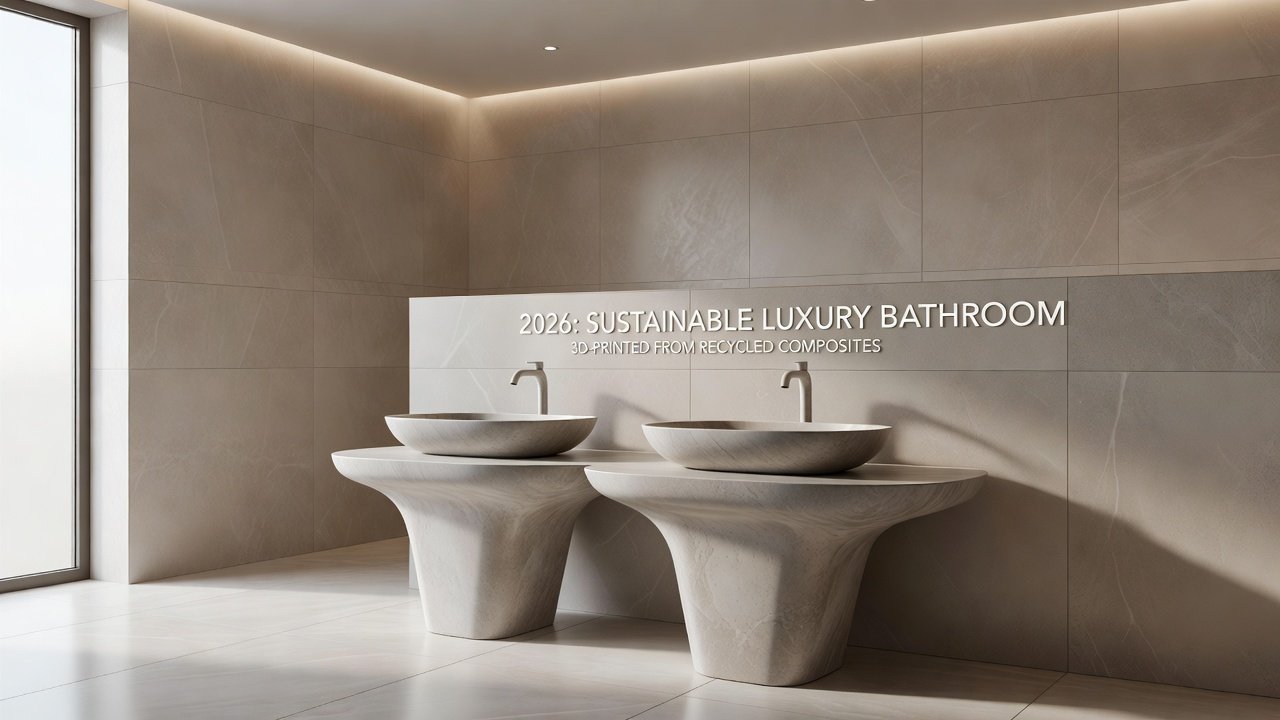
As homeowners look for innovative ways to upgrade their spaces in 2026, 3D-printed bathroom fixtures are emerging as a game-changer. These custom sinks, faucets, and accessories combine advanced manufacturing with stylish interior design, offering unique solutions that traditional options cannot match. This approach blends technology with home decor trends, allowing for personalized renovations that prioritize both aesthetics and functionality. The growing interest stems from advances in additive manufacturing that make it possible to create durable, water-resistant components tailored exactly to individual bathroom layouts.
The shift toward 3D printing in remodeling reflects broader advancements in additive manufacturing. Homeowners can now incorporate elements made from recycled composites, reducing waste while achieving high-end looks. Whether updating a master bath or a guest powder room, these fixtures provide practical renovation ideas tailored to contemporary needs. Many projects now integrate smart home elements, such as touchless controls, directly into the printed designs for enhanced convenience.
Material Options for 3D-Printed Bathroom Fixtures
Material choices play a key role in the success of any 3D-printed remodel. Recycled composites, such as those derived from post-consumer plastics and wood fibers, are popular for their eco-friendly properties. These materials offer durability while supporting sustainable practices. Other options include specialized polymers and metal-infused filaments that resist moisture and provide a premium finish. Advanced filaments now incorporate antimicrobial additives to help maintain hygiene in wet environments.
When selecting materials, consider factors like water resistance and thermal stability. Recycled composites often excel in humid environments, making them ideal for bathrooms. Learn more about sustainable material guidelines from the EPA. Additional considerations include UV resistance for fixtures near windows and compatibility with common sealants. Homeowners should also evaluate the print resolution and layer adhesion to ensure long-term structural integrity under daily use.
Customization Benefits and Design Flexibility
One of the standout advantages of 3D printing is unparalleled customization. Homeowners can design fixtures that perfectly match their bathroom's layout, color scheme, and personal style. From ergonomic faucet handles to uniquely shaped sinks, the possibilities are endless. This level of personalization helps create cohesive spaces that feel truly bespoke. Design software allows precise scaling so fixtures fit awkward corners or match existing tile patterns exactly.
Customization also extends to functional elements, such as integrated storage or smart features. For families with specific accessibility needs, fixtures can be tailored for ease of use. This flexibility makes 3D-printed options especially appealing for those seeking one-of-a-kind renovations that reflect individual lifestyles and preferences.
Cost Comparisons to Traditional Fixtures
While upfront investments in 3D-printed fixtures may vary, they often deliver long-term value through reduced material waste and customization savings. Compared to mass-produced alternatives, these options can minimize the need for additional modifications during installation. Qualitative assessments show they compete well in durability and style, potentially lowering overall project expenses over time by eliminating the need for custom ordering from overseas suppliers.
Current Trends Shaping 2026 Bathroom Projects
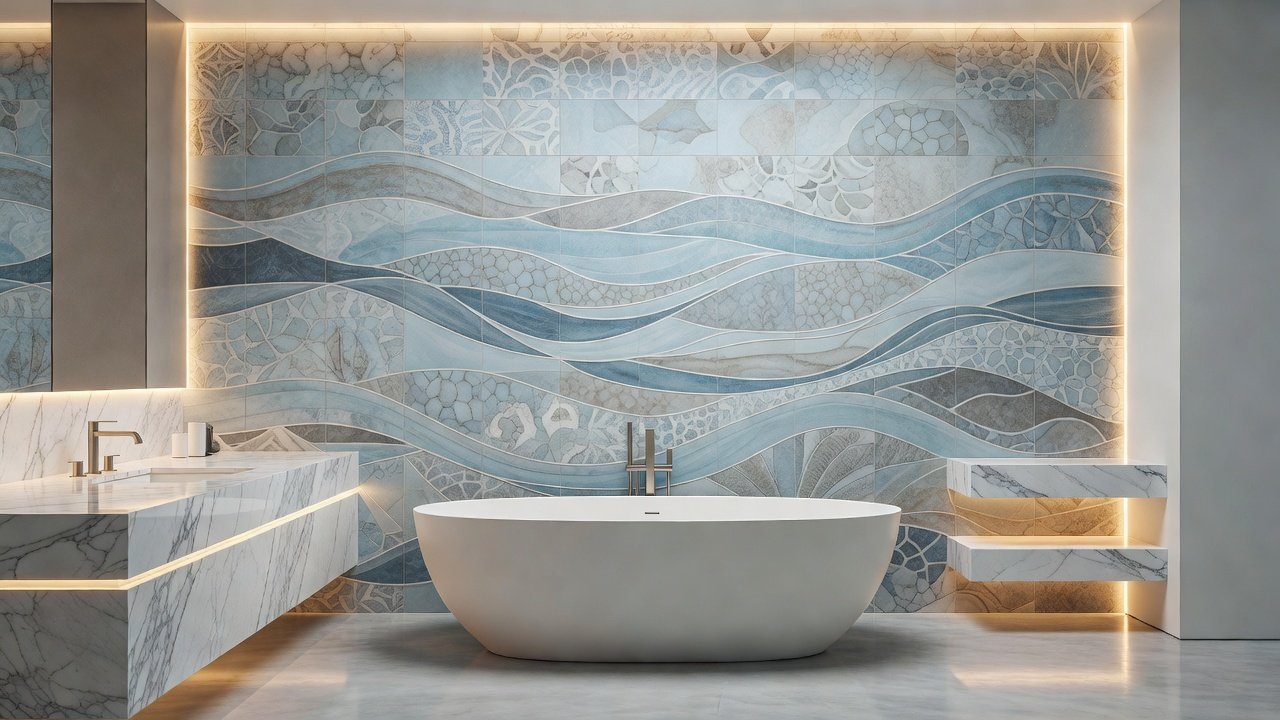
In 2026, trends favor minimalist designs with organic curves and integrated lighting. 3D printing enables these aesthetics at scale, allowing homeowners to print matching sets of sinks, towel bars, and shelving units. Many projects now combine printed fixtures with recycled glass tiles and low-flow mechanisms for a fully sustainable bathroom. The technology also supports rapid prototyping, so designers can test multiple iterations before final production.
Step-by-Step Installation Guide
Installing 3D-printed fixtures requires careful planning but follows straightforward steps suitable for many DIY enthusiasts or professionals.
- Measure your space precisely and finalize digital designs using compatible software, accounting for plumbing angles and clearance requirements.
- Source or print the fixtures using recommended materials and settings for bathroom environments, including post-print curing processes.
- Prepare plumbing connections, ensuring compatibility with existing pipes and adding shut-off valves for future maintenance.
- Secure the fixtures with appropriate adhesives or mounts, following manufacturer guidelines and allowing adequate curing time.
- Test for leaks and functionality before completing the surrounding tile or decor work, then apply protective coatings if specified.
Always consult local building codes and consider professional help for complex plumbing integrations. Additional tips include labeling all printed parts during assembly and using laser levels to guarantee perfect alignment.
Real-World Examples of Successful Renovations
Across the country, homeowners are embracing 3D-printed elements in their bathrooms. One project in a suburban home featured a custom sink printed from recycled composites, transforming a dated space into a modern oasis complete with matching wall-mounted accessories. Another renovation incorporated uniquely shaped faucets that complemented eco-friendly tiles, resulting in a highly personalized retreat with integrated soap dispensers. A third example involved a compact urban apartment where 3D-printed corner sinks maximized limited floor space while maintaining a luxurious appearance. These examples highlight how such fixtures enhance both form and function in real settings.
Durability Considerations for Long-Term Use
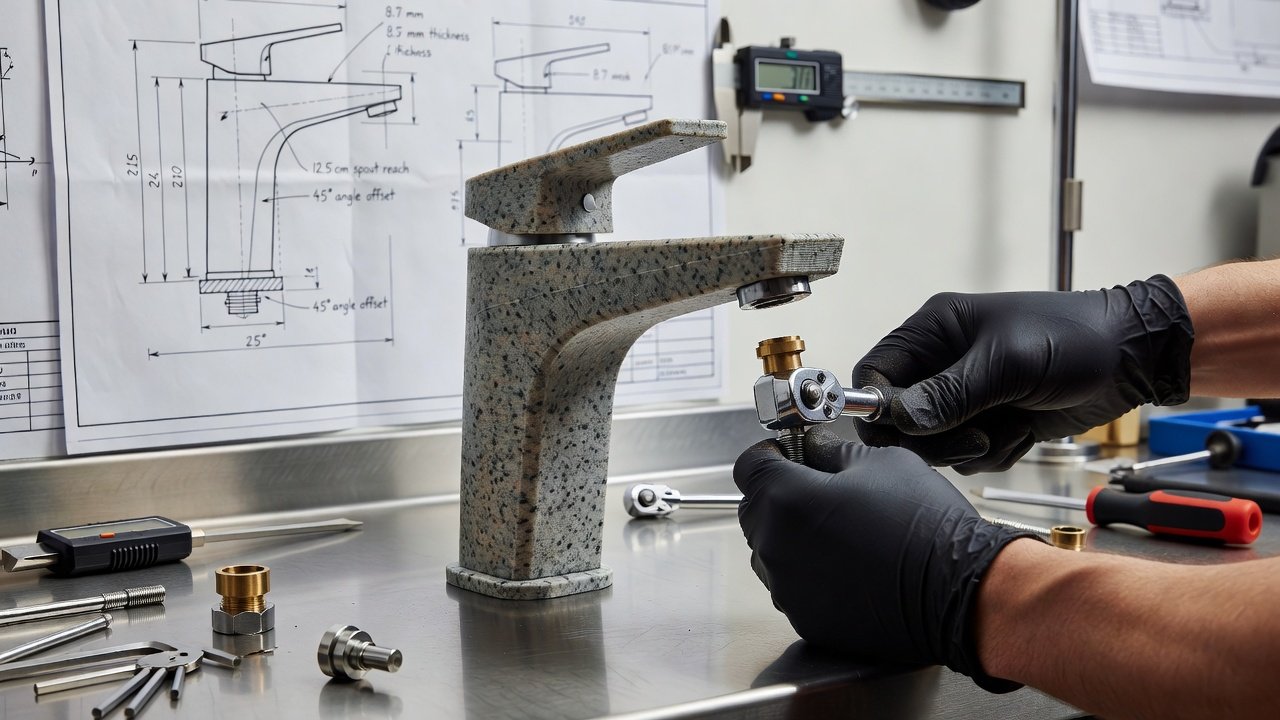
Durability is essential when investing in new fixtures. High-quality 3D-printed materials withstand daily wear, moisture exposure, and temperature fluctuations common in bathrooms. Proper sealing and maintenance further extend their lifespan, ensuring they remain attractive and functional for years. Manufacturers now offer multi-year warranties on structural components when installation follows provided guidelines.
Testing and certifications help verify performance. Review standards from NIST for insights into material testing protocols that apply to home applications. Regular inspections for micro-cracks and reapplication of sealants every 18 months are recommended practices.
Potential Challenges and How to Overcome Them
Some homeowners worry about print quality consistency or finding local service providers. These issues can be addressed by working with certified 3D printing companies that specialize in home goods and by requesting material samples before committing to a full project. Another consideration is initial design time, which can be reduced by using pre-made templates that are then customized.
How to Get Started with Your Project
Begin by consulting a designer experienced in digital fabrication. Next, gather measurements and inspiration photos. Finally, request quotes from multiple providers to compare turnaround times and material options. This structured approach helps ensure a smooth remodeling experience.
FAQ: Sustainability and Maintenance
How sustainable are 3D-printed fixtures?
Many use recycled composites, significantly lowering environmental impact compared to traditional manufacturing. This supports greener remodeling choices. Explore green building resources from USGBC.
What maintenance is required?
Routine cleaning with mild soaps suffices. Avoid abrasive chemicals to preserve finishes. Regular inspections help catch any issues early.
Are they safe for long-term bathroom use?
Yes, when made from suitable materials and properly installed, they offer reliable performance with minimal upkeep.
Can 3D-printed fixtures be repaired if damaged?
Many designs allow for modular replacement of individual sections, making repairs straightforward and cost-effective compared to full fixture replacement.
Do they meet building code requirements?
Fixtures printed to recognized standards typically comply, but always verify with local inspectors before installation.
Conclusion
2026 bathroom remodeling with 3D-printed fixtures represents an exciting evolution in home design. By focusing on sustainable materials, customization, and practical installation, homeowners can achieve innovative upgrades that stand out. Explore these options to create bathrooms that blend technology, style, and durability seamlessly.
No comments yet. Be the first!