 Fixated on Home
Introduction to Custom Tile Murals in 2026 Bathroom Remodeling
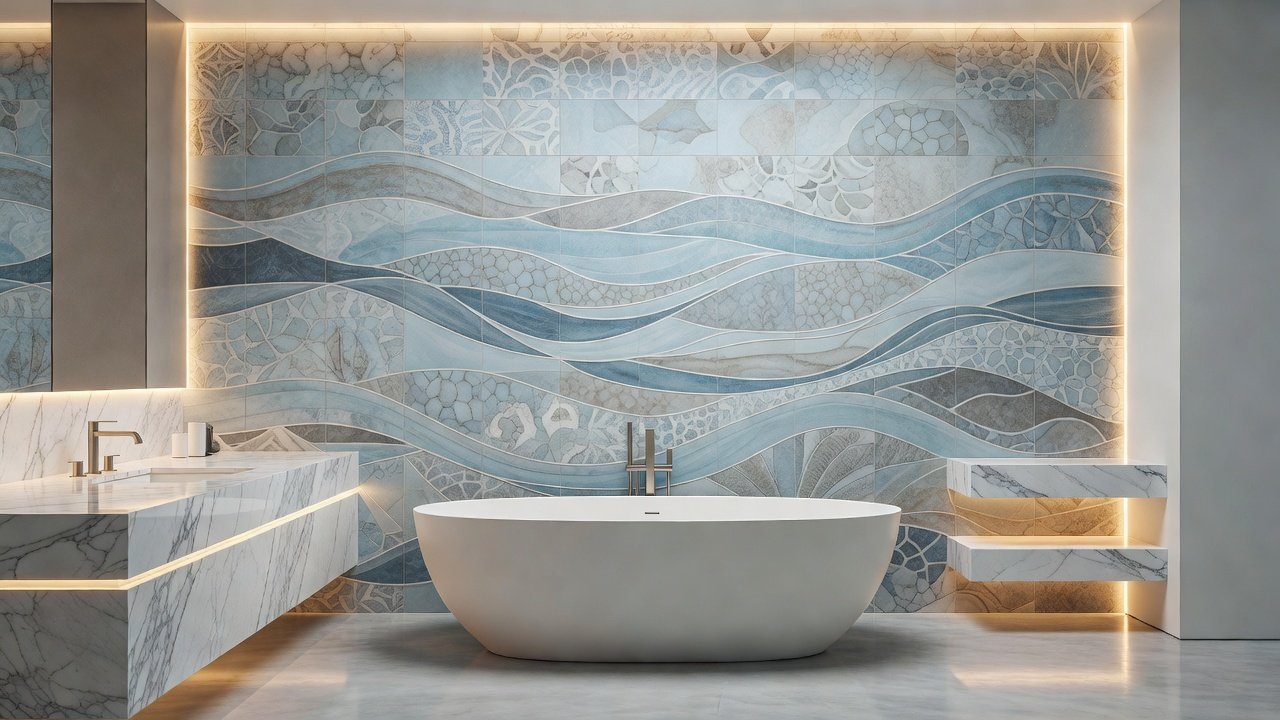
Custom tile murals are emerging as a transformative element in bathroom remodeling projects for 2026, allowing homeowners to infuse personality and artistic flair into functional spaces. Unlike standard tile patterns, these murals turn walls into focal points that blend creativity with everyday usability. This approach enhances home decor by creating personalized environments that reflect individual tastes while maintaining the practicality required in wet areas. As more people prioritize unique upgrades during renovations, integrating murals with existing ideas like smart fixtures, sustainable materials, and efficient layouts becomes essential for achieving both style and longevity. This guide covers everything from inspiration to execution, ensuring a comprehensive path to a standout bathroom that feels custom-tailored rather than generic.
Design Inspiration for 2026 Projects
Current trends favor murals that harmonize with minimalist or biophilic design principles. Abstract geometric shapes in muted tones suit modern bathrooms, while nature themes featuring subtle landscapes bring calm to spa-like retreats. Consider how the mural interacts with lighting, mirrors, and fixtures to avoid overwhelming the space. Real projects often draw from personal stories, such as incorporating travel motifs or family heritage elements into the tile design. Pairing murals with neutral vanities and floating shelves amplifies their impact without clutter. For 2026, expect increased interest in muted earth tones combined with metallic accents for added depth and visual interest.
Material Selection and Durability
Choosing the right materials ensures longevity in humid environments. Porcelain and ceramic tiles remain top choices for their water resistance and ease of customization. Glass tiles add luminosity, ideal for smaller bathrooms needing an airy feel. Stone options like marble or slate provide luxury but require more sealing. Always verify slip resistance ratings and seek tiles rated for bathroom use. Consult manufacturers for UV-stable inks that prevent fading over time. Homeowners should also evaluate grout options, as epoxy grout offers superior stain resistance compared to traditional cement-based varieties in high-moisture zones.
This Old House provides additional guidance on tile applications in wet spaces.
Step-by-Step Planning Process
Effective planning starts with assessing your current layout. Follow these steps for success:
- Measure the designated wall area and note plumbing or electrical obstacles to prevent future issues during installation.
- Collaborate with a designer to refine the mural concept based on room dimensions and natural light patterns.
- Select tiles and finalize the digital rendering for approval, including color matching to existing fixtures.
- Schedule installation after other demolition and rough-in work to protect the artwork from dust and damage.
- Apply sealants and test for moisture issues post-installation, ensuring proper ventilation systems are in place.
- Review final walkthroughs with contractors to confirm alignment and grout consistency across the entire mural.
This methodical approach minimizes disruptions and aligns the mural with broader remodeling timelines, often saving time and reducing costly revisions later.
Cost Considerations in Modern Remodels
Budgeting for custom murals involves weighing artistic complexity against material quality. While specific figures fluctuate, expect premiums for bespoke designs compared to off-the-shelf options. Factor in professional installation to ensure proper adhesion and grouting in moisture-prone zones. Exploring phased renovations can help distribute expenses across multiple stages, allowing focus on high-impact areas first. Homeowners should also account for potential add-ons like custom edging or integrated lighting that enhance the mural's overall effect.
Comparing Abstract and Nature-Themed Murals
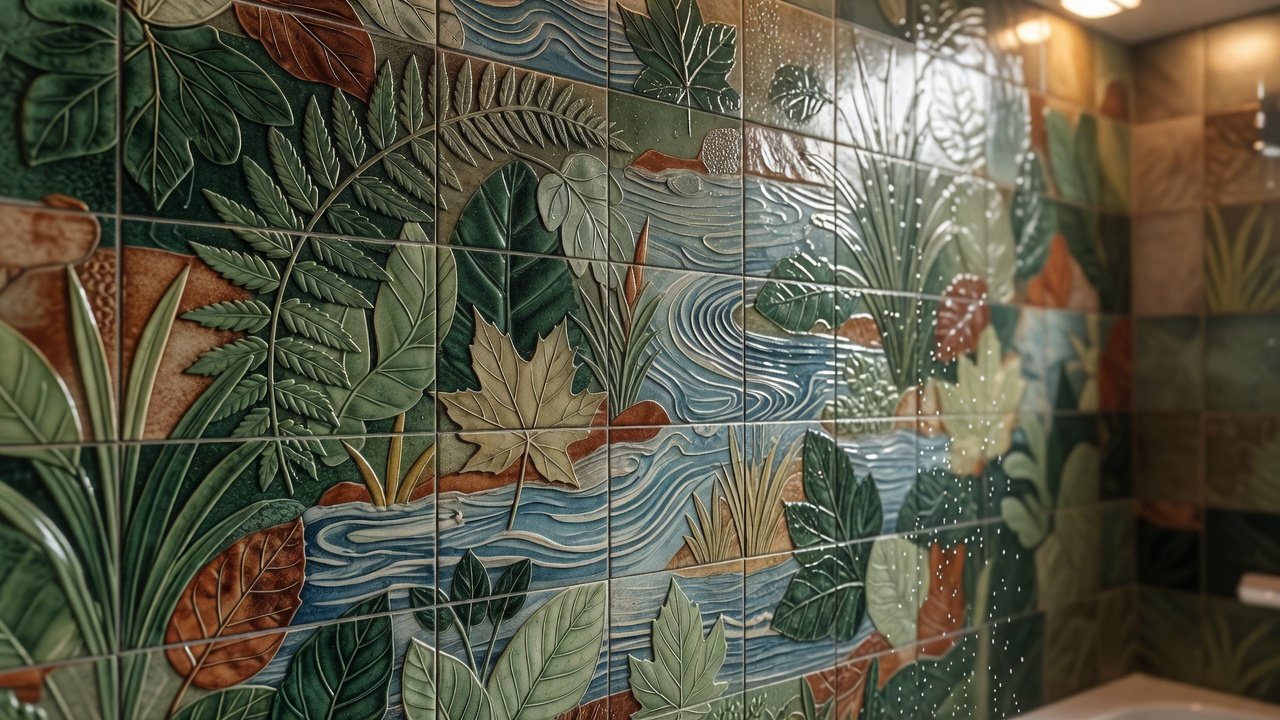
Abstract styles offer bold, interpretive visuals that energize contemporary bathrooms, making them suitable for urban homes. Nature themes, conversely, promote relaxation through organic forms like foliage or water elements, fitting wellness-focused designs. Abstract options may require more precise alignment during installation, while nature motifs can incorporate flowing patterns that hide minor imperfections. Homeowners should evaluate their decor style and desired ambiance before deciding. In practice, abstract works well in powder rooms with limited square footage, whereas nature themes excel in master baths with larger shower enclosures.
Practical Examples from Real Projects
One suburban renovation featured an abstract mural in a guest bath, using interlocking shapes in soft grays to complement matte black hardware. The result elevated the space into a conversation piece without sacrificing functionality. Another urban loft project incorporated a nature scene with cascading leaves across the shower wall, paired with rainfall showerheads for immersive appeal. A third example involved a family home where a subtle mountain landscape mural was installed behind a freestanding tub, creating a serene escape that tied into the home's overall organic aesthetic. These cases demonstrate how murals integrate seamlessly with smart lighting upgrades and energy-efficient windows for year-round comfort.
Common Mistakes to Avoid
Many homeowners rush into mural selection without considering scale, leading to designs that feel either too sparse or overpowering. Another frequent error is neglecting moisture testing before installation, which can cause tiles to loosen over time. Failing to coordinate with other trades like electricians may result in outlets or vents disrupting the artwork. Always prioritize professional rendering reviews and choose experienced installers familiar with custom work to sidestep these pitfalls.
Tips for Working with Designers
Effective collaboration begins with clear communication of your vision through mood boards. Request 3D visualizations early to preview scale and color harmony. Discuss maintenance requirements upfront and involve tile specialists who understand custom printing processes. Regular site visits during fabrication help catch adjustments before final production. Bringing reference photos from magazines or online galleries can also streamline decision-making and ensure the final product matches expectations.
Maintenance and Long-Term Care
Proper upkeep preserves the mural's vibrancy for years. Use pH-neutral cleaners weekly and avoid abrasive tools that could scratch surfaces. Reapply sealants every 12-18 months depending on usage. For nature-themed designs with intricate details, periodic professional cleaning prevents buildup in grout lines. Integrating a dehumidifier in the bathroom further protects against mold while enhancing overall indoor air quality.
Frequently Asked Questions
How long does a custom tile mural installation take?
Typically 1-3 days for the mural itself, depending on size and complexity, after the design phase.
Are custom murals suitable for high-moisture areas?
Yes, when using appropriate sealed tiles and professional grouting techniques.
Can murals be updated later without full remodel?
Sections can be replaced if the underlying structure remains intact, though matching colors may pose challenges.
What maintenance do they require?
Regular cleaning with non-abrasive solutions and periodic resealing keeps them vibrant.
Do custom murals affect resale value?
Well-executed murals often increase appeal to buyers seeking unique features, though neutral designs tend to have broader marketability.
Can I combine murals with other tile styles?
Absolutely, many projects blend mural sections with subway or mosaic tiles for balanced visual interest.
Conclusion
Custom tile murals represent a powerful way to achieve unique home decor in 2026 bathroom remodeling. By focusing on thoughtful design, quality materials, and structured planning, homeowners can create spaces that are both beautiful and enduring. HGTV and Architectural Digest offer further inspiration for similar creative upgrades.
No comments yet. Be the first!