 Fixated on Home
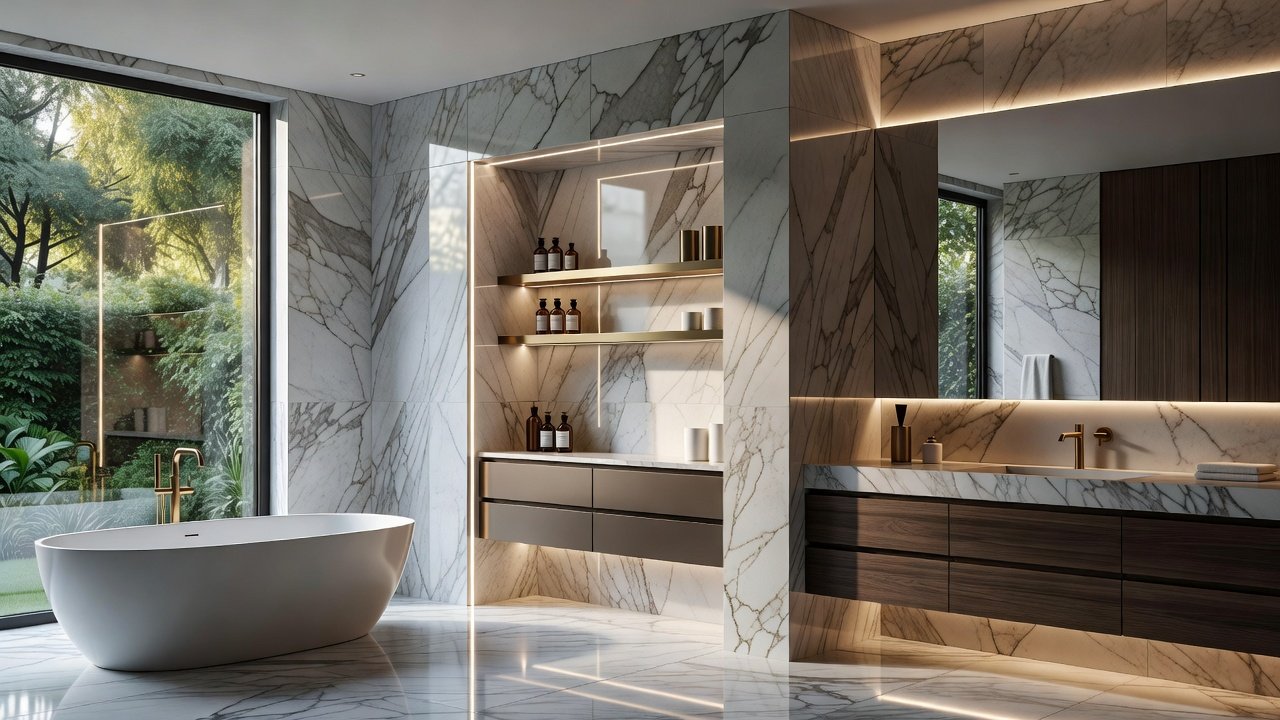
Why Wall Niches Are a Must-Have in 2026 Bathroom Remodels
Bathroom remodeling trends for 2026 emphasize smart, space-saving features that blend aesthetics with practicality. Wall niches deliver recessed storage and visual interest without requiring major structural alterations, making them ideal for homeowners seeking refined upgrades. These designs enhance both modern and traditional bathrooms by integrating seamlessly into shower walls, above vanities, or along tub surrounds. In an era where open-concept living meets functional minimalism, niches provide hidden organization that reduces visual clutter while adding architectural depth to plain walls.
By focusing on thoughtful placement and durable finishes, wall niches transform ordinary bathrooms into spa-like retreats. They also support better organization, reducing clutter on countertops and ledges. Homeowners report improved daily routines when essentials are stored at arm's reach within recessed spaces rather than scattered across surfaces.
Strategic Placement Ideas for Maximum Impact
Effective niche placement begins with assessing your bathroom layout. Position niches at eye level in showers to hold toiletries conveniently. Above vanities, they create display space for decorative items while maintaining a clean surface. In smaller bathrooms, vertical niches along tall walls draw the eye upward, creating an illusion of height and making compact rooms feel more expansive.
Consider traffic flow and water exposure when planning locations. Avoid placing niches directly opposite high-traffic doors to prevent accidental bumps. For multi-person households, staggered heights accommodate different users. Corner placements in walk-in showers maximize unused angles, while horizontal niches behind toilets offer discreet storage for reading materials or extra rolls. Always measure twice to ensure the niche depth matches standard tile thicknesses for flush installation.
Material Selections: Tile, Stone, and Beyond
Choosing the right materials ensures longevity and visual appeal. Ceramic and porcelain tiles offer waterproof durability and endless color options that match existing bathroom surfaces. Natural stone like marble or travertine adds luxury but requires sealing for moisture resistance. Engineered quartz provides a non-porous alternative that's easy to clean and resistant to stains from soaps and shampoos.
For a contemporary edge, incorporate glass tiles or metal accents. Always select materials rated for wet environments to prevent mold and degradation over time. Consider eco-friendly options such as recycled glass tiles for sustainability-conscious remodels. A practical list of popular choices includes:
- Porcelain tile: Affordable, versatile patterns, highly water-resistant.
- Marble: Timeless elegance, needs annual sealing.
- Quartz composite: Low maintenance, consistent veining.
- Glass mosaic: Reflective qualities that brighten small spaces.
Learn more about sustainable building materials from the EPA.
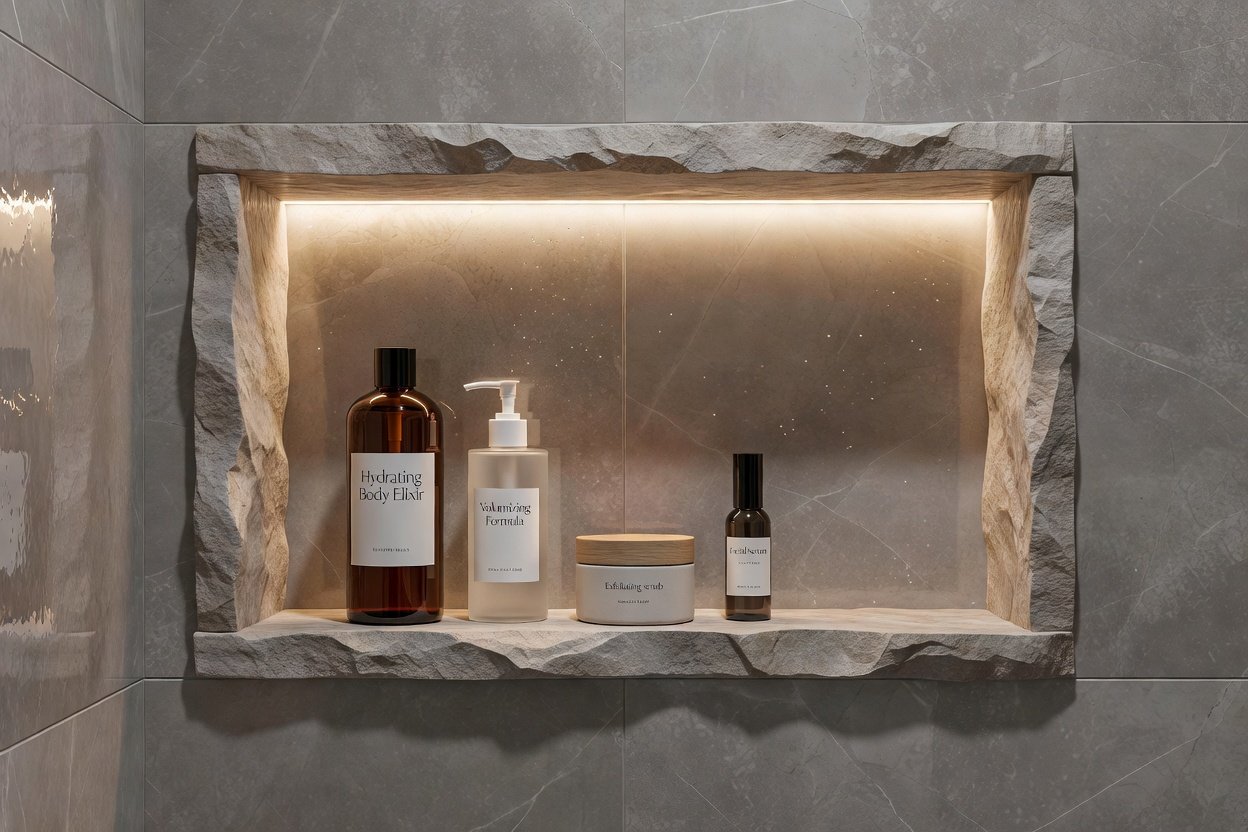
Integrating Lighting for Dramatic Effect
Lighting transforms niches from simple shelves into focal points. LED strip lights recessed along the top edge provide soft illumination without visible fixtures. Motion-sensor options add convenience and energy efficiency in low-light conditions. Backlit designs using translucent stone or frosted glass create a glowing effect that elevates the entire room's ambiance.
Pair backlit niches with dimmable systems to adjust ambiance. This approach highlights textures in stone or tile while creating a relaxing evening atmosphere. Professional electricians can integrate these with existing bathroom circuits safely. Consider color-changing LEDs for seasonal customization or smart home compatibility that syncs with voice assistants. Proper lighting also improves safety by highlighting potential slip hazards in wet zones.
Explore energy-efficient lighting guidelines from the U.S. Department of Energy.
Storage Benefits and Organizational Tips
Wall niches maximize vertical space, offering hidden storage that keeps essentials within reach. Use them for shampoo bottles, candles, or folded towels. Add removable dividers or small baskets for customizable organization. In larger bathrooms, multiple niches can form a gallery-style display for plants or art pieces protected from direct spray.
In family bathrooms, multiple niches at varying heights promote individual storage zones. This reduces countertop clutter and simplifies daily routines. Practical examples include dedicating one niche per family member in a shared shower or using a deep niche near the tub for bath accessories. Over time, this organization reduces cleaning time and maintains a serene environment.
Step-by-Step Installation Guidance
Installing a wall niche involves careful planning and execution. First, mark the desired location and cut into the drywall using a stud finder to avoid structural elements. Frame the opening with lumber for support, then install waterproof backing board in wet zones. Next, apply a waterproof membrane to all interior surfaces before tiling begins.
Apply tile or stone to the interior surfaces, ensuring grout lines align with surrounding walls. Seal all edges thoroughly with silicone caulk. For lighting integration, run wiring before closing the wall. Always follow local building codes and wear protective gear during cutting. Allow adequate drying time between steps to prevent future leaks. Test the niche for level and plumb before final finishes.
Before-and-After Examples
A dated 1990s bathroom with flat walls can gain modern elegance through a tiled niche above the tub, turning unused space into a statement feature that complements new fixtures. Another transformation involves adding two vertical niches in a shower, replacing bulky caddies with sleek recessed storage that elevates the entire aesthetic and frees up floor space for a more open feel.
Common Mistakes to Avoid
Many DIY attempts fail due to inadequate waterproofing or poor material choices. Skipping the membrane layer often leads to water damage behind walls within months. Another frequent error is placing niches too close to electrical outlets without proper insulation, creating safety risks. Overly deep niches can interfere with plumbing lines, so always verify wall cavities first.
DIY Versus Professional Approaches
DIY enthusiasts with basic carpentry skills can handle simple niches in dry areas, saving on labor. However, complex installations involving plumbing proximity, electrical work, or load-bearing walls benefit from professional remodelers. Pros ensure waterproofing integrity and code compliance, often completing projects faster with fewer errors. Compare timelines: a DIY niche might take a weekend plus curing time, while professionals deliver polished results in one day with warranties on workmanship.
FAQ: Common Concerns About Wall Niches
- How do I ensure waterproofing? Use cement board, waterproof membranes, and high-quality sealants around all edges and grout lines for long-term protection.
- What maintenance is required? Regular cleaning with non-abrasive products and periodic resealing of natural stone keeps niches looking fresh and functional.
- Can niches work in small bathrooms? Yes, shallow designs (4-6 inches deep) maximize space without protruding into walkways.
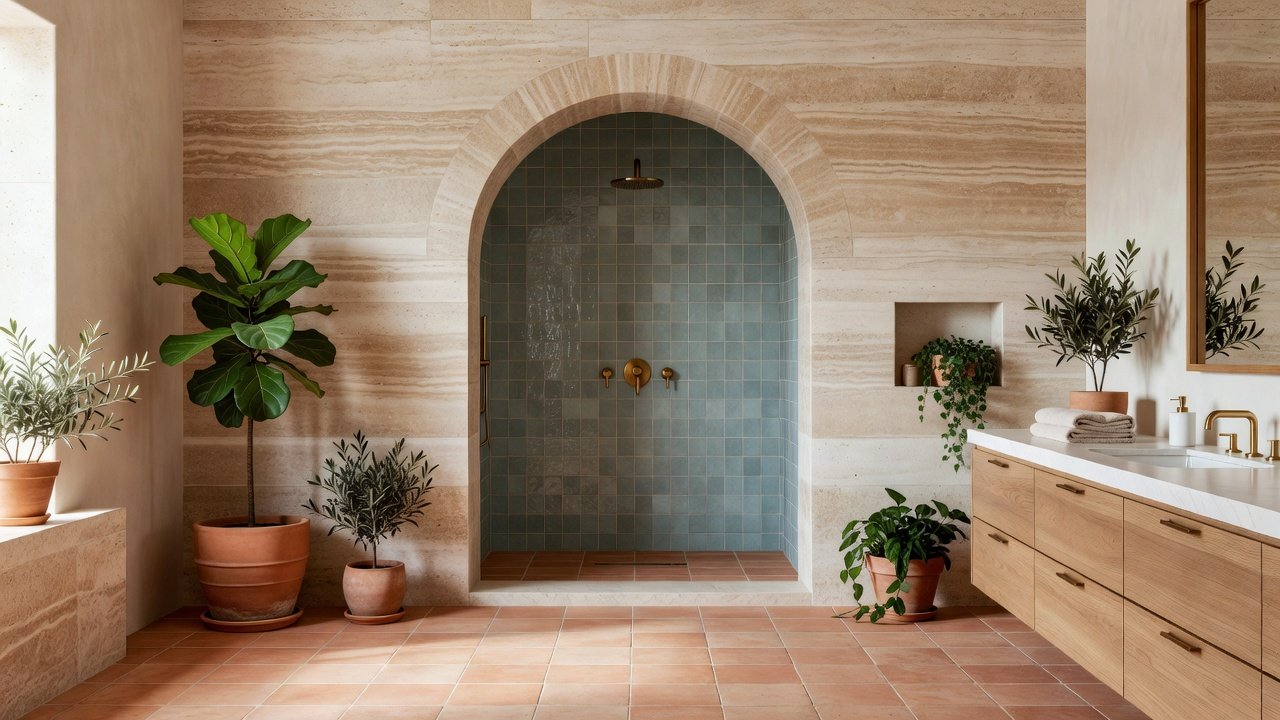
- Are there style options for modern versus classic looks? Geometric shapes suit contemporary spaces, while arched or framed niches complement traditional designs beautifully.
- Do niches affect resale value? Well-executed niches often increase appeal by demonstrating thoughtful customization and efficient use of space.
Consult local experts for tailored advice on your specific remodel.
Conclusion
Incorporating innovative wall niches into your 2026 bathroom remodel offers lasting benefits in style, storage, and functionality. With careful planning around placement, materials, and lighting, these features create personalized spaces that stand the test of time. Whether pursuing DIY or hiring professionals, the result is a more organized and visually appealing bathroom ready for years of enjoyment.
No comments yet. Be the first!