 Fixated on Home
Introduction to Mediterranean Bathroom Design in 2026
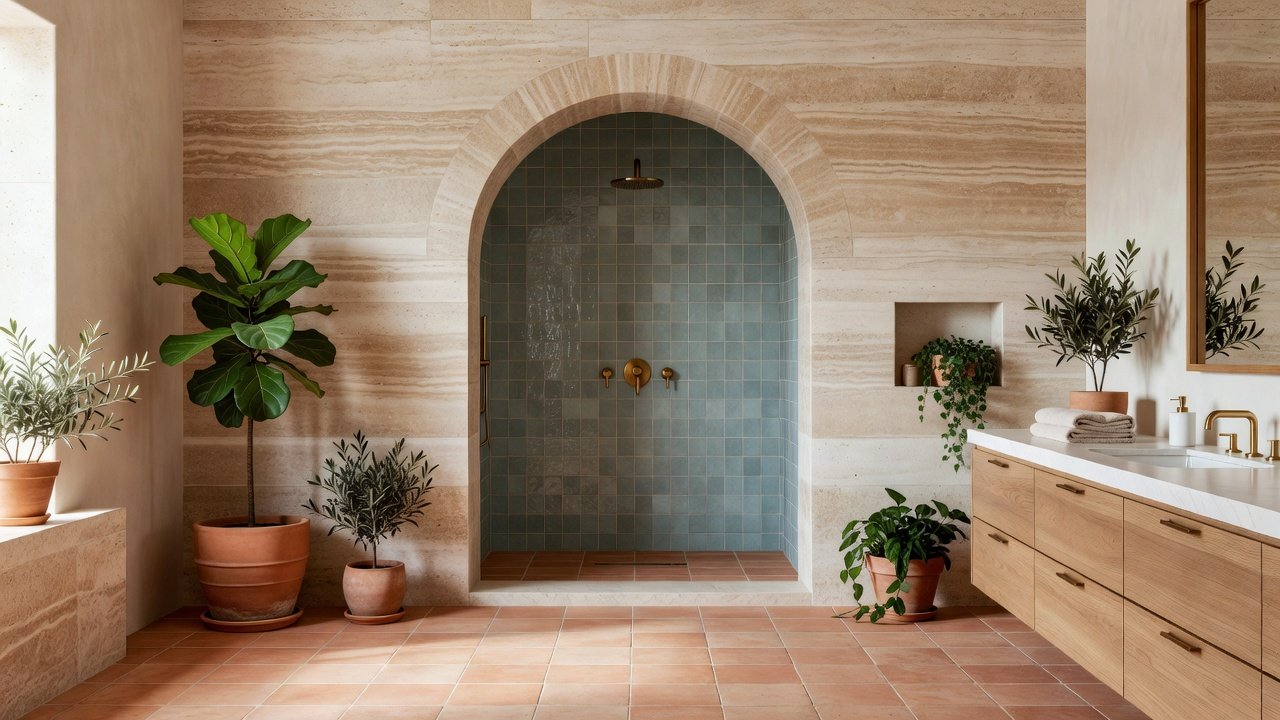
Mediterranean-inspired bathrooms blend cultural heritage with modern functionality, creating warm and inviting spaces that stand out from standard remodels. Homeowners in 2026 are drawn to this style for its emphasis on natural elements like terracotta tiles, arched architectural features, and organic stone surfaces. These designs fuse earthy tones with coastal blues to deliver both visual appeal and lasting value. Whether updating a small powder room or transforming a master bath, the approach maximizes light, texture, and durability while reflecting timeless Mediterranean influences from coastal regions of Italy, Spain, and Greece.
This style differentiates itself through its focus on organic materials and curved lines that soften contemporary interiors. It suits those seeking distinctive upgrades that enhance home resale value without following fleeting trends.
Color Palettes: Warm Neutrals and Coastal Blues
Successful Mediterranean bathrooms rely on layered color schemes. Warm neutrals such as sandy beige, soft taupe, and creamy white form the foundation, evoking sun-drenched walls. These pair beautifully with varying shades of blue—from deep navy to turquoise—to mimic the sea and sky. Accents in terracotta orange or olive green add depth without overwhelming the space.
For 2026 projects, consider matte finishes on walls to enhance the rustic yet refined feel. Test samples in natural light, as Mediterranean designs thrive on how colors shift throughout the day. Pairing these hues with whitewashed cabinetry creates a bright, airy atmosphere ideal for smaller bathrooms.
Key Materials: Terracotta Tiles, Natural Stone, and Mosaic Accents
Terracotta tiles remain a signature element, offering rustic charm and excellent heat retention for underfloor heating systems. Natural stone such as travertine or limestone provides durable countertops and shower surrounds that develop a beautiful patina over time. Mosaic accents in glass or stone add intricate detail around niches or vanity backsplashes.
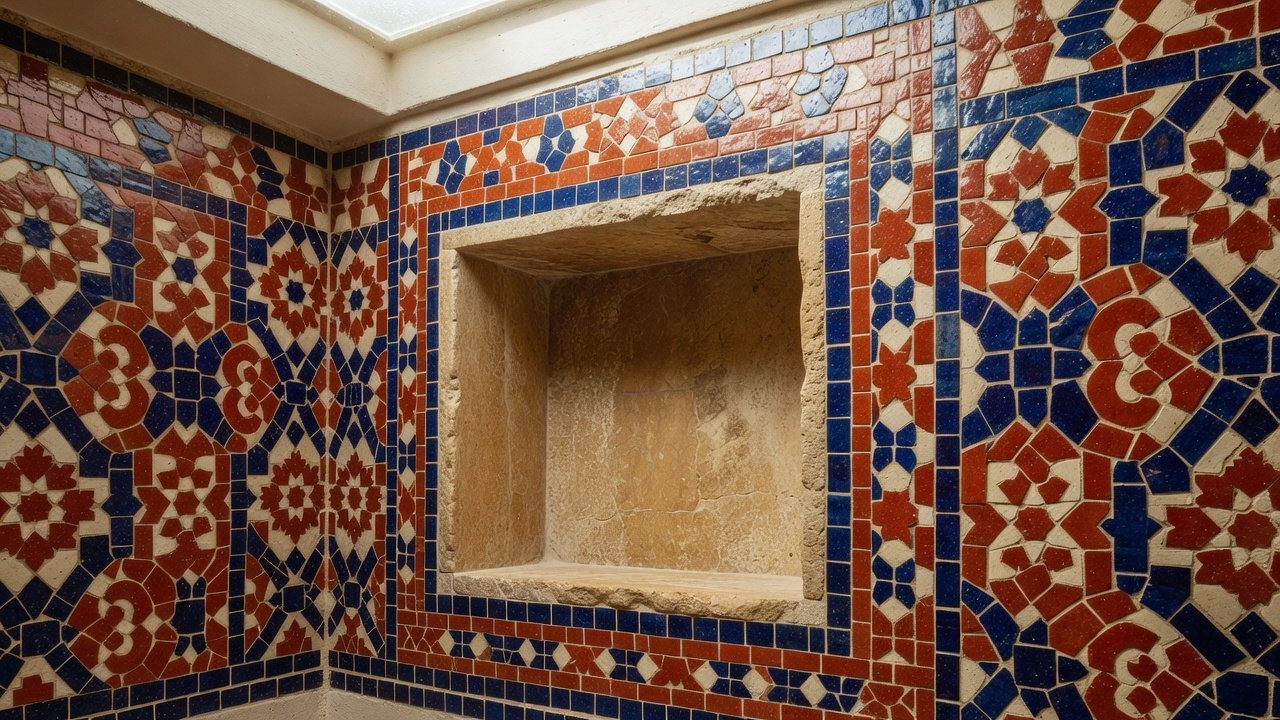
When sourcing these materials, prioritize suppliers who offer reclaimed or ethically quarried options to align with sustainable practices. This combination ensures the bathroom feels grounded and luxurious simultaneously.
Incorporating Arched Features for Architectural Interest
Arches define Mediterranean architecture and translate well into bathroom remodels through shower entries, mirror frames, or recessed shelving. These curved elements soften rectangular layouts and introduce a sense of old-world elegance. In 2026 designs, pair arches with modern LED lighting to highlight their form without compromising energy efficiency.
Examples include transforming a standard shower into an arched alcove using plaster or tile. This feature creates a focal point while improving water flow and storage options.
Sourcing Sustainable Materials for Eco-Friendly Remodels
Modern Mediterranean bathrooms emphasize sustainability. Look for tiles made from recycled content and stones certified by responsible mining standards. Environmental Protection Agency resources highlight low-VOC sealants and finishes that maintain indoor air quality. Reclaimed terracotta from European suppliers adds authentic character while reducing environmental impact.
Compare local versus imported options based on shipping emissions. Many homeowners in 2026 integrate smart water-saving fixtures that complement the natural aesthetic without detracting from it.
Blending Mediterranean Style with Existing Home Decor
Successful integration requires assessing your home's current architecture. Mediterranean elements work well in both traditional and contemporary settings when balanced with neutral backdrops. Introduce the style gradually through tile choices and hardware finishes rather than overhauling everything at once.
For transitional homes, combine arched vanities with sleek modern faucets. This fusion maintains functionality while adding cultural warmth that differentiates the space from generic updates.
Step-by-Step Planning Guidance for Your Remodel
- Assess your current layout and identify pain points such as poor lighting or limited storage.
- Define your budget range and prioritize must-have features like natural stone or arches.
- Research and select a cohesive color palette and material samples.
- Consult professionals for structural considerations, especially when adding arches.
- Plan the timeline around material lead times and seasonal installation windows.
- Incorporate final touches such as textiles and plants after major construction.
Real Project Examples and Style Comparisons
One successful project featured a 2025 remodel in coastal California that used reclaimed terracotta flooring paired with white plaster walls and arched shower niches. The result was a spa-like retreat that increased the home's market appeal. In contrast, a compact urban apartment used mosaic accents and blue tile wainscoting to achieve a similar Mediterranean feel without expansive square footage.
Compared to minimalist Scandinavian styles, Mediterranean designs offer more texture and warmth. Versus industrial looks, they feel softer and more organic. These comparisons help homeowners decide if the style aligns with their lifestyle and existing interiors.
Cost-Saving Tips Without Sacrificing Quality
Focus on statement pieces such as a single arched doorway rather than multiple expensive features. Source tiles in standard sizes to minimize cutting waste. Reuse existing plumbing layouts when possible to avoid major structural changes. Opt for durable natural materials that age gracefully, reducing long-term replacement needs. Many 2026 renovators achieve impressive results by mixing high-end stone with affordable ceramic alternatives that mimic the look.
FAQ: Maintenance and Durability Questions
How do I maintain terracotta tiles?
Seal terracotta annually with a penetrating sealer to protect against moisture. Regular sweeping and pH-neutral cleaning prevent staining while preserving the natural color.
Are natural stone surfaces durable in humid environments?
Yes, when properly sealed. Limestone and travertine hold up well in bathrooms with consistent maintenance and good ventilation.
What is the best way to clean mosaic accents?
Use a soft brush and mild soap solution. Avoid abrasive cleaners that could damage grout lines or delicate tile surfaces.
Conclusion
Mediterranean bathroom remodels for 2026 offer homeowners a distinctive way to blend heritage with modern living. By focusing on terracotta, arches, natural stone, and thoughtful color palettes, these spaces deliver warmth, functionality, and increased home value. With careful planning and sustainable choices, any bathroom can become a serene retreat that feels both timeless and current.
No comments yet. Be the first!