 Fixated on Home
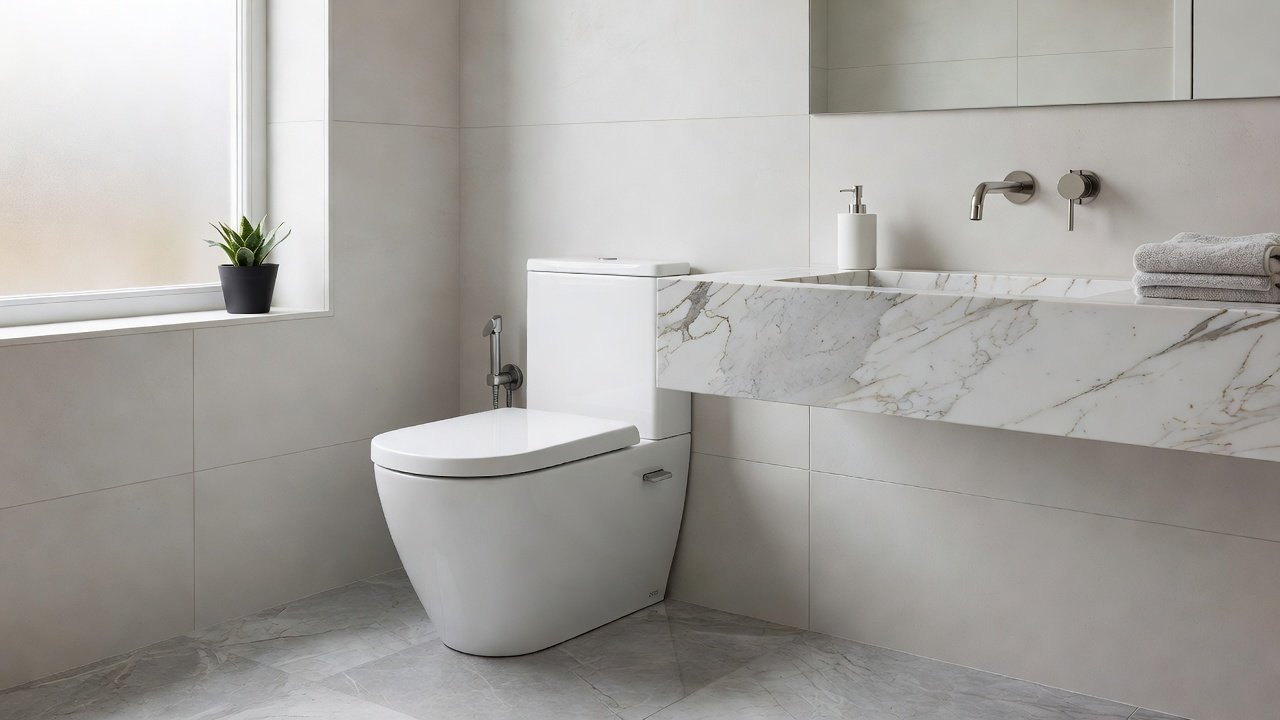
Why Bidet Integration Matters in 2026 Bathroom Remodeling
Bathroom remodeling in 2026 emphasizes wellness, sustainability, and seamless technology integration. Adding a bidet elevates hygiene while aligning with modern decor trends that prioritize comfort and eco-friendly features. Homeowners are increasingly viewing bidets not as luxuries but as essential upgrades that reduce toilet paper use and support better personal care routines. This shift reflects broader renovation ideas where functionality meets aesthetics, creating spaces that promote daily health without compromising on style. As homes evolve to include more thoughtful elements, bidet integration stands out as a practical addition that enhances both the user experience and long-term property appeal.
Research from health authorities highlights the benefits of improved sanitation practices, making bidets a logical choice during remodels. By focusing on these upgrades early in the planning phase, homeowners can avoid costly retrofits later and ensure the entire bathroom layout supports the new fixture seamlessly.
Comparing Bidet Types: Non-Electric vs. Smart Models
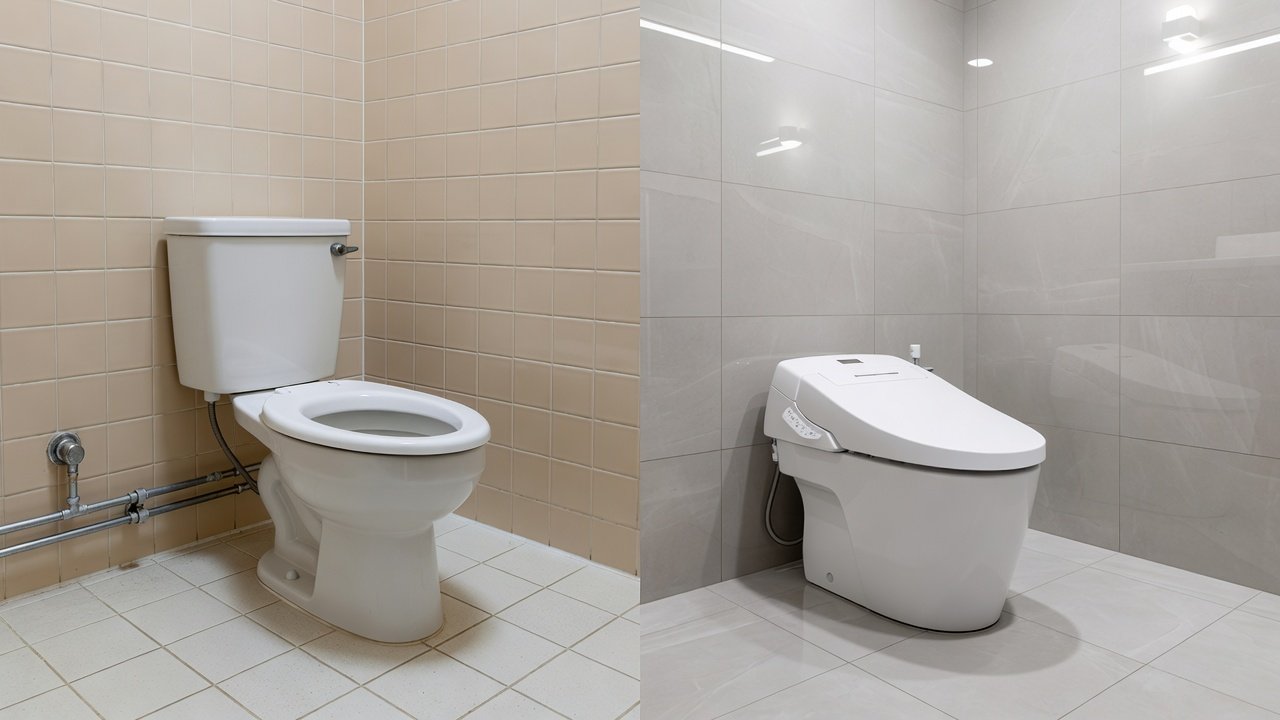
Choosing the right bidet starts with understanding the main categories. Non-electric bidets attach directly to existing toilets and use water pressure for cleaning. They offer simplicity and affordability, making them ideal for budget-conscious remodels. These models typically feature adjustable nozzles and self-cleaning options without needing power sources, which simplifies integration into traditional bathroom designs.
Smart bidets, on the other hand, include heated seats, adjustable water temperatures, air drying, and remote controls. These models integrate well with high-tech bathrooms and appeal to those seeking premium wellness features. They often connect to smartphone apps for personalized settings, aligning with the growing trend of connected home environments in 2026.
| Feature | Non-Electric Bidet | Smart Bidet |
|---|---|---|
| Installation Complexity | Low – basic plumbing | Moderate – requires electrical outlet |
| Key Benefits | Water-only cleaning, easy retrofit | Customizable settings, heated options |
| Best For | Small bathrooms, traditional styles | Modern homes with smart home upgrades |
| Water Efficiency | High, uses minimal water per use | Variable, often includes eco modes |
| Maintenance Needs | Simple nozzle cleaning | Filter replacements and software updates |
When deciding, consider your household's daily habits. Families with young children may prefer the straightforward operation of non-electric versions, while those focused on luxury might lean toward smart options for the added comfort features.
Step-by-Step Installation Considerations with Plumbing Examples
Proper installation ensures longevity and prevents leaks. Begin by assessing your current toilet setup. For non-electric models, connect to the cold water supply line using a T-valve adapter. This process usually takes under an hour for experienced DIYers but requires careful measurement of hose lengths to avoid kinks.
Plumbing examples include rerouting lines in older homes where shut-off valves are distant from the toilet base. In such cases, extend the supply line with flexible braided hoses rated for bathroom use. Always turn off the main water supply first and test connections thoroughly by running water through the system multiple times before sealing everything in place.
Smart models require both plumbing and an electrical outlet nearby. Homeowners should map out GFCI-protected circuits to meet safety codes. If the bathroom lacks nearby power, consider adding a dedicated outlet during the remodel phase to avoid visible wiring later. For complex layouts involving wall-mounted units, professional plumbers can handle the rough-in work, ensuring the bidet fits flush against the wall without gaps.
Additional tips include verifying toilet bowl shape compatibility—round versus elongated—and confirming that the bidet seat will not interfere with existing flush mechanisms. Testing water pressure beforehand helps prevent weak spray performance after installation.
Compatibility Checks for Various Bathroom Layouts
Not every bathroom accommodates bidets equally. In compact spaces, non-electric attachments save room without major changes. Larger master baths can support freestanding bidet toilets or wall-mounted smart units that free up floor space for better traffic flow.
Check floor space, existing plumbing access, and electrical proximity. For accessibility-focused remodels, opt for models with height-adjustable features that comply with universal design principles. Multi-story homes may need separate considerations for each bathroom to maintain consistent functionality across the property.
Wellness Benefits and Emerging 2026 Trends
Bidets contribute to better hygiene by providing thorough cleaning that supports skin health and reduces irritation. According to guidelines from World Health Organization, improved sanitation practices play a key role in overall wellness. In 2026, trends lean toward combining these fixtures with low-flow systems to conserve resources, tying directly into sustainable renovation ideas.
Many modern designs incorporate natural materials like stone and wood accents around bidet areas, creating spa-like atmospheres. Homeowners report higher satisfaction with daily routines after such upgrades, noting reduced reliance on paper products and a fresher feeling throughout the day.
Real-World Cost Breakdowns and Budget Planning
Budget planning for bidet integration varies by type and complexity. Non-electric units typically represent a lower investment, while smart models add value through advanced features. Factor in potential plumbing modifications and professional labor during your 2026 remodel. Qualitative estimates show mid-range options balancing quality and expense effectively when paired with overall renovation ideas. Planning ahead allows for phased spending, such as starting with the fixture and adding electrical work in a later stage if needed.
Maintenance, Accessibility, and Long-Term Care
Regular cleaning keeps bidets hygienic. Use mild, non-abrasive solutions and avoid harsh chemicals that could damage seals. Many models include self-cleaning nozzles for convenience. For accessibility, select units with easy-reach controls and supportive seating. Families with elderly members benefit from these thoughtful additions, which can include side-mounted controls or voice activation in premium smart versions.
Long-term care involves annual inspections of water lines and filters. Keeping spare parts on hand ensures quick fixes without disrupting household routines.
Practical Tips for Successful Integration
- Measure your toilet dimensions twice before purchasing to guarantee fit.
- Consult local building codes early to confirm any permit requirements for electrical additions.
- Test water quality in your area, as hard water may require additional filtration for optimal bidet performance.
- Pair the bidet with complementary fixtures like low-flow toilets to maximize efficiency gains.
- Review warranty details from manufacturers to understand coverage for both parts and labor.
FAQ: Common Questions on Bidet Integration
- How does a bidet improve wellness? Bidets provide thorough cleaning that supports better hygiene compared to traditional methods, as noted in resources from Centers for Disease Control and Prevention.
- Are bidets compatible with septic systems? Yes, most models work well with septic setups when properly installed and maintained.
- What maintenance is required? Monthly nozzle checks and seasonal water line inspections suffice for most units.
- Can bidets be added to existing toilets without full replacement? Absolutely, with attachment models designed for easy retrofits in most standard setups.
- How do bidets align with eco-friendly remodeling? They reduce paper consumption significantly, supporting broader sustainability goals referenced by Environmental Protection Agency initiatives on water conservation.
Conclusion
Integrating a bidet during your 2026 bathroom remodel combines practical wellness benefits with stylish modern design. By comparing options, planning installations carefully, and addressing compatibility, homeowners create functional spaces that stand the test of time. Explore these upgrades to enhance both daily routines and property value while staying aligned with current renovation trends.
No comments yet. Be the first!