 Fixated on Home
Introduction to Digital Shower Systems in 2026 Remodels
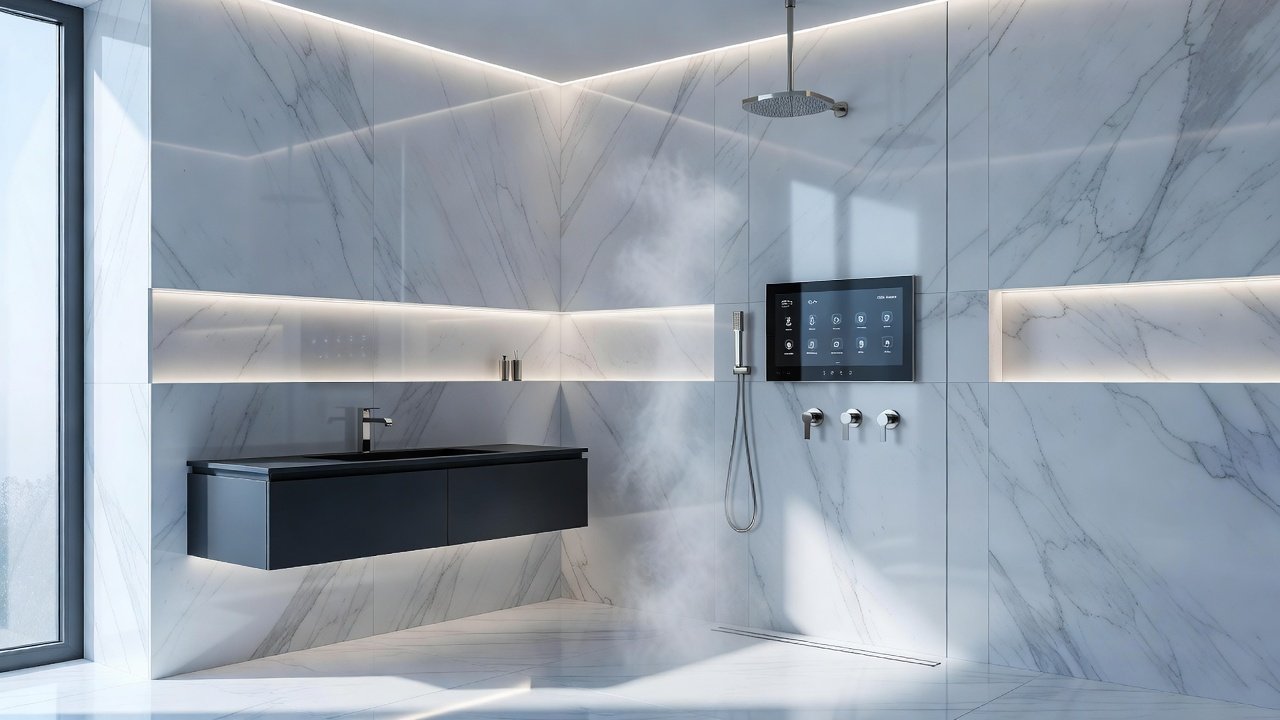
Homeowners planning bathroom updates in 2026 are turning to digital shower systems as a standout interior upgrade. These advanced setups combine touchscreen controls, app integration, and precise temperature management to transform daily routines into personalized experiences. Unlike traditional valves, digital showers deliver consistent performance while aligning with smart home trends that emphasize efficiency and style. This technology allows users to adjust settings from their phones, set schedules that match family routines, and even integrate with voice assistants for hands-free operation. As bathroom remodeling projects grow more sophisticated, digital showers stand out for their ability to blend luxury with practicality, making them a top choice for those seeking both modern aesthetics and functional improvements. This comprehensive guide covers everything from brand comparisons to installation processes, ensuring your remodel meets both aesthetic and functional goals. Whether upgrading an existing space or starting fresh, these systems offer practical advantages that enhance comfort and sustainability across diverse home styles.
Why Choose Digital Showers for Modern Bathroom Projects
Digital shower technology has evolved rapidly, making it ideal for 2026 bathroom remodeling. Homeowners appreciate the ability to preset preferences, control water flow via voice commands, and monitor usage through connected apps. This integration supports broader smart home decor trends, creating cohesive environments where lighting, music, and temperature sync effortlessly. In addition, these systems often include features like leak detection and automatic shutoff, which add layers of safety and convenience not found in older fixtures. Practical benefits include reduced water waste through optimized flow rates and improved accessibility for all family members, including those with mobility challenges who benefit from remote controls. As homes become more connected, these systems position your bathroom as a high-tech sanctuary rather than a basic utility space. They also contribute to long-term home value by incorporating forward-thinking elements that appeal to future buyers interested in energy-efficient upgrades.
Comparing Popular Digital Shower Brands
Several leading manufacturers offer reliable options tailored to different budgets and feature sets. Moen, Kohler, and Grohe stand out for their robust ecosystems and user-friendly interfaces. Moen’s system emphasizes easy app control and multiple outlet support, allowing seamless switching between showerheads and body sprays. Kohler focuses on luxurious steam and lighting integrations that create spa-like atmospheres, while Grohe provides strong customization with its Sense system, allowing precise mixing and remote operation from anywhere in the home. Other notable options include Hansgrohe, known for its intuitive interfaces and durable build quality, and Delta’s smart models that excel in temperature stability and eco-modes. When evaluating choices, consider compatibility with your plumbing layout and desired smart features. Each brand supports multiple users with saved profiles, making them suitable for busy households seeking seamless daily routines. Look for systems that offer firmware updates to keep features current over time and ensure they pair well with existing smart home hubs like Amazon Alexa or Google Home.
Installation Steps for Existing Setups
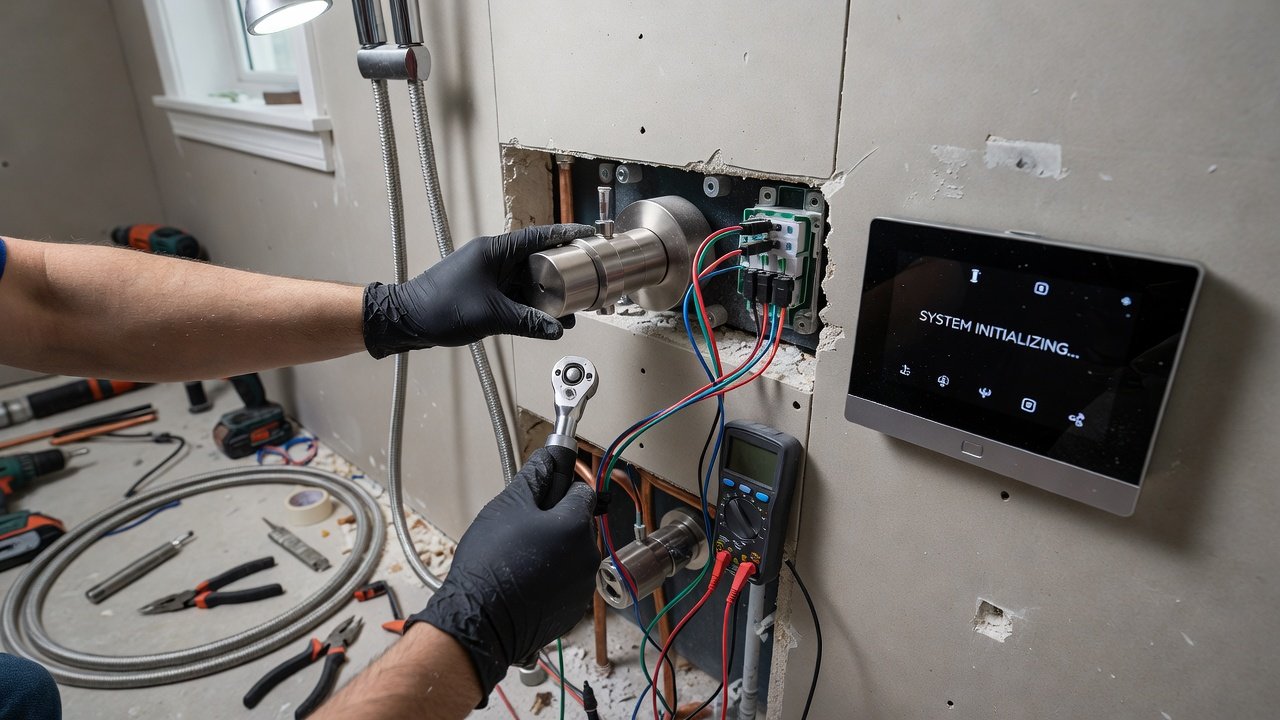
Retrofitting a digital shower into an existing bathroom requires careful planning but remains achievable for many remodels. Begin by assessing your current plumbing to confirm valve access and electrical needs for the control unit. Professional installation is recommended to handle wiring and ensure code compliance, especially in older homes where pipe materials may vary. Key steps include shutting off water supply, removing old fixtures, mounting the digital valve in an accessible location, connecting sensors and controls with proper waterproofing, running low-voltage wiring to the user interface, and testing the system thoroughly for leaks and temperature accuracy. Always verify compatibility with existing pipes and consider adding a dedicated circuit for optimal performance. Homeowners should also prepare the wall space for any new control panels and ensure adequate ventilation to protect electronic components. In cases where the remodel involves tile work, coordinate timing so that the digital system integrates smoothly without disrupting finishes. Following manufacturer guidelines during each phase helps avoid common pitfalls like improper sensor placement that could affect responsiveness.
Key Benefits Including Water Efficiency and Customization
Digital showers excel in delivering measurable advantages during 2026 bathroom remodeling. Water efficiency stands out as a primary draw, with systems designed to maintain ideal temperatures without excess runoff, helping households conserve resources while enjoying consistent comfort. Customization options let users create unique experiences, from sequencing multiple showerheads to integrating aromatherapy or chromotherapy that enhances relaxation. Real-world examples from recent projects show families enjoying reduced morning stress through preset routines that activate automatically upon entry. Additional benefits include precise temperature control that prevents scalding, app-based monitoring for usage insights, and compatibility with other fixtures like rain heads or handheld wands. These features collectively improve the daily shower experience while supporting sustainable living practices. For authoritative guidance on water conservation, consult resources from the Environmental Protection Agency. Smart home integration details are further explored at U.S. Department of Energy.
Real-World Examples from Recent Remodels
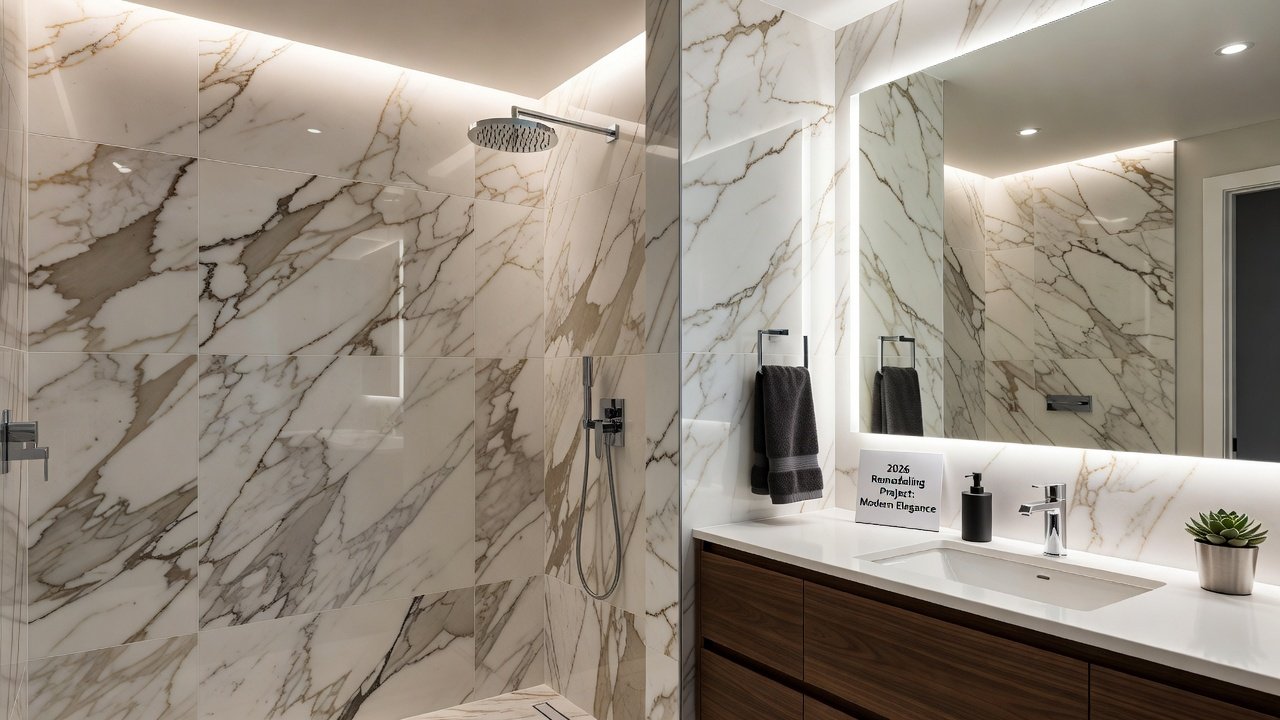
Recent bathroom renovations highlight successful digital shower implementations. One urban loft project replaced a standard setup with a multi-zone digital system, resulting in improved flow control and modern aesthetics that complemented marble finishes. Another suburban home integrated voice-activated controls, creating a hands-free experience ideal for parents managing children’s bath times. A third example involves a coastal residence that paired the digital shower with smart mirrors and heated floors, achieving a fully connected wellness space that reduced overall energy use. These cases demonstrate how the technology blends with various styles, from minimalist to spa-inspired designs, while addressing common pain points like inconsistent temperatures. In each scenario, the remodelers noted improved satisfaction with daily routines and easier maintenance thanks to self-diagnostic features built into the systems.
Aligning with 2026 Smart Home Decor Trends
Digital shower systems fit seamlessly into emerging 2026 trends that prioritize connected living spaces. Expect increased focus on voice-first controls, biometric sensors for personalized settings, and materials that complement neutral palettes popular in contemporary design. Pairing these showers with automated lighting and climate systems creates unified environments that feel both innovative and inviting. Homeowners can further enhance the upgrade by incorporating sustainable elements like low-flow modes that align with green building standards.
Buyer’s Checklist for Digital Shower Systems
- Verify plumbing compatibility and required electrical outlets before purchase.
- Evaluate app features and voice assistant support for your preferred ecosystem.
- Check warranty terms and availability of professional installation services.
- Assess water pressure needs and outlet configurations for your space.
- Review energy ratings to align with efficiency goals.
- Confirm multi-user profile capacity if the bathroom serves multiple people.
- Ensure the system supports future expansions like additional showerheads.
- Investigate software update policies for long-term functionality.
Common Mistakes to Avoid During Installation
Many remodelers overlook proper waterproofing around electronic components, leading to premature failures. Another frequent issue is failing to test water pressure before finalizing the layout, which can result in weak flow. Always map out control panel placement early to avoid awkward reach during use, and consult electricians to confirm circuit capacity.
Maintenance Tips for Long-Term Performance
Regular cleaning of sensors and interfaces prevents buildup that affects accuracy. Schedule annual professional checks to inspect valves and connections, and use manufacturer-recommended descalers in hard water areas. These steps keep the system running smoothly for years.
Addressing Common FAQs on Costs and Compatibility
Many homeowners wonder about integration with existing fixtures. Most digital systems work with standard shower valves after minor adaptations, though consultation with a plumber ensures smooth results. Compatibility with other smart devices like lighting or mirrors is generally high when using popular protocols. Questions around long-term maintenance often arise. These units feature durable components with straightforward troubleshooting via manufacturer apps, minimizing downtime after the initial setup. Another common query involves pairing with non-digital fixtures; hybrid approaches often work well when planning allows for gradual upgrades.
Conclusion
Incorporating digital shower systems into your 2026 bathroom remodeling project delivers lasting value through technology, efficiency, and elevated design. By following the outlined steps and checklist, you can achieve a personalized space that enhances everyday living while staying aligned with current smart home trends.
No comments yet. Be the first!