 Fixated on Home
Introduction to Showerhead Upgrades in 2026 Bathroom Remodeling
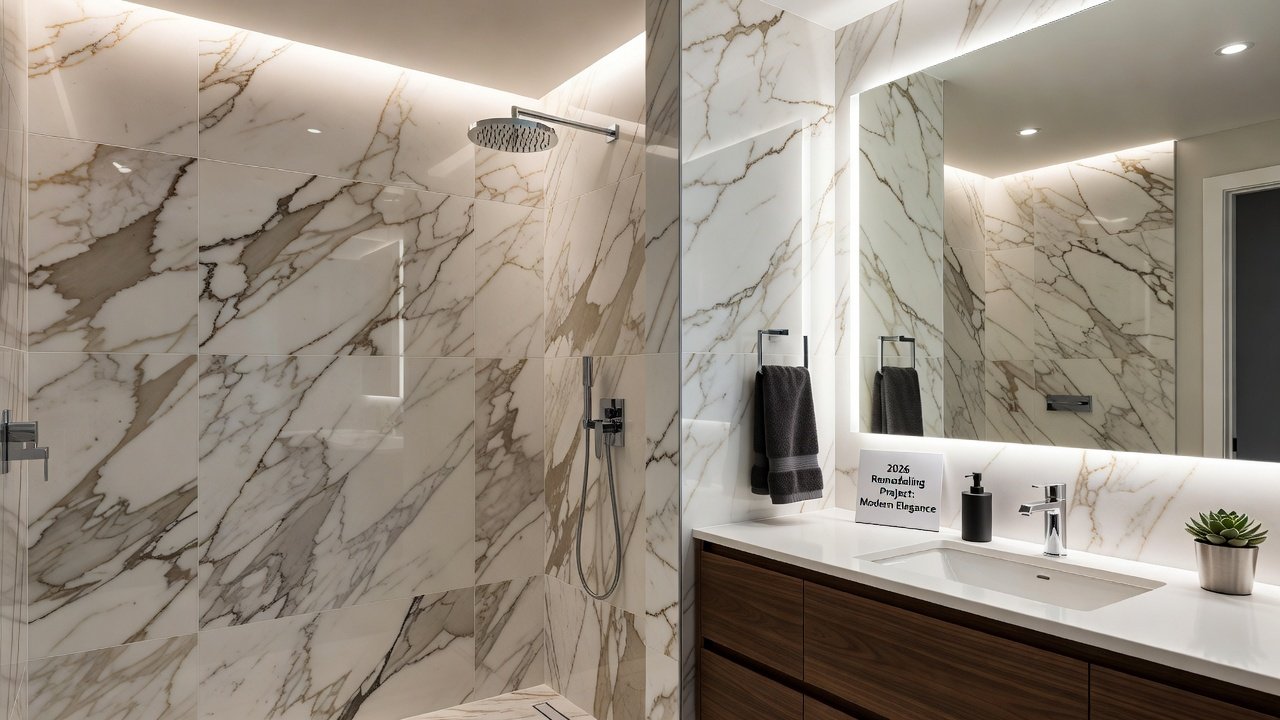
Bathroom remodeling projects in 2026 place strong emphasis on sustainability, smart technology integration, and designs that blend seamlessly with modern home aesthetics. Selecting the ideal showerhead becomes a pivotal decision because it directly influences water efficiency, user comfort, and overall visual harmony in the space. This comprehensive guide delves into the leading showerhead options available, highlighting water-saving innovations that complement interior upgrades and renovation concepts popular this year. Homeowners today seek fixtures certified for reduced consumption while maintaining strong performance, ensuring that daily routines feel luxurious without excessive resource use. These choices support broader goals of creating eco-conscious living environments that align with contemporary design trends such as clean lines, neutral palettes, and functional elegance.
Throughout this article we examine rainfall, handheld, and dual-function models in detail, providing pros, cons, and real-world installation examples drawn from various home styles. Practical advice on plumbing compatibility, step-by-step installation, budget planning, and maintenance helps readers make informed decisions that enhance both functionality and decor. By the end, you will have clear guidance for selecting showerheads that fit 2026 remodeling visions while avoiding common pitfalls.
Key 2026 Trends in Showerhead Technology
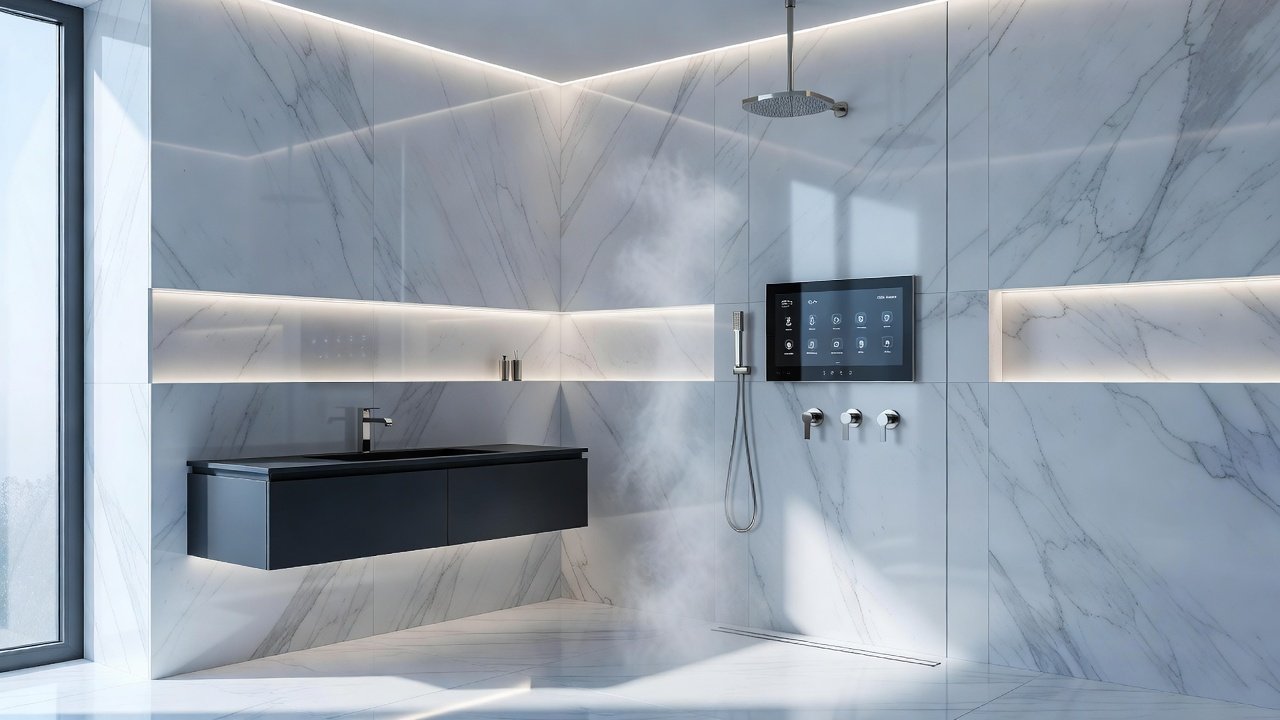
Emerging trends for 2026 focus heavily on smart controls and sustainable materials that reduce environmental impact without compromising style. Smart showerheads now incorporate app-based controls, voice activation, and sensors that monitor usage patterns to optimize flow and temperature automatically. These features promote mindful water consumption and integrate well with broader smart home ecosystems. Eco-materials such as recycled composites, bamboo-infused plastics, and advanced corrosion-resistant metals extend product lifespan in high-moisture settings while lowering carbon footprints associated with manufacturing and replacement cycles.
Design aesthetics have evolved toward minimalist profiles that complement popular bathroom elements like large-format tiles, floating vanities, and integrated LED lighting. Many models feature customizable spray patterns and built-in filtration systems that improve water quality. These advancements reflect growing consumer demand for fixtures that serve multiple purposes, from relaxation to accessibility, all while supporting energy-efficient home upgrades.
Comparing Rainfall, Handheld, and Dual-Function Showerheads
Rainfall showerheads create an immersive overhead experience with wide, gentle sprays that mimic natural rainfall. Key advantages include generous coverage ideal for spacious walk-in showers and a spa-like atmosphere that elevates daily routines. Potential drawbacks center on higher water volume unless low-flow restrictors are included, which may affect pressure in some homes. In practice, many renovated urban apartments pair rainfall heads with oversized enclosures finished in marble-look porcelain to achieve a high-end retreat feel.
Handheld showerheads provide targeted streams perfect for rinsing, cleaning, or assisting users with mobility needs. Benefits encompass adjustable angles, easy reach for children or pets, and simpler maintenance in tight spaces. Drawbacks can include hose durability concerns over extended periods and occasional pressure inconsistencies. Families often choose these for secondary bathrooms where versatility supports varied user requirements, such as bathing young children or spot-cleaning tiled surfaces.
Dual-function models combine a fixed rainfall component with a detachable handheld wand, offering the best of both worlds for multi-person households. They deliver flexibility for different showering preferences but demand sufficient pipe diameter and water pressure to operate effectively. Real-home applications frequently appear in master suite remodels where the combination enhances both luxury and practicality alongside updated vanity lighting and storage solutions.
Learn more about water-efficient fixtures from the EPA. Additional guidance on sustainable building practices appears at authoritative government resources.
Step-by-Step Installation Guide
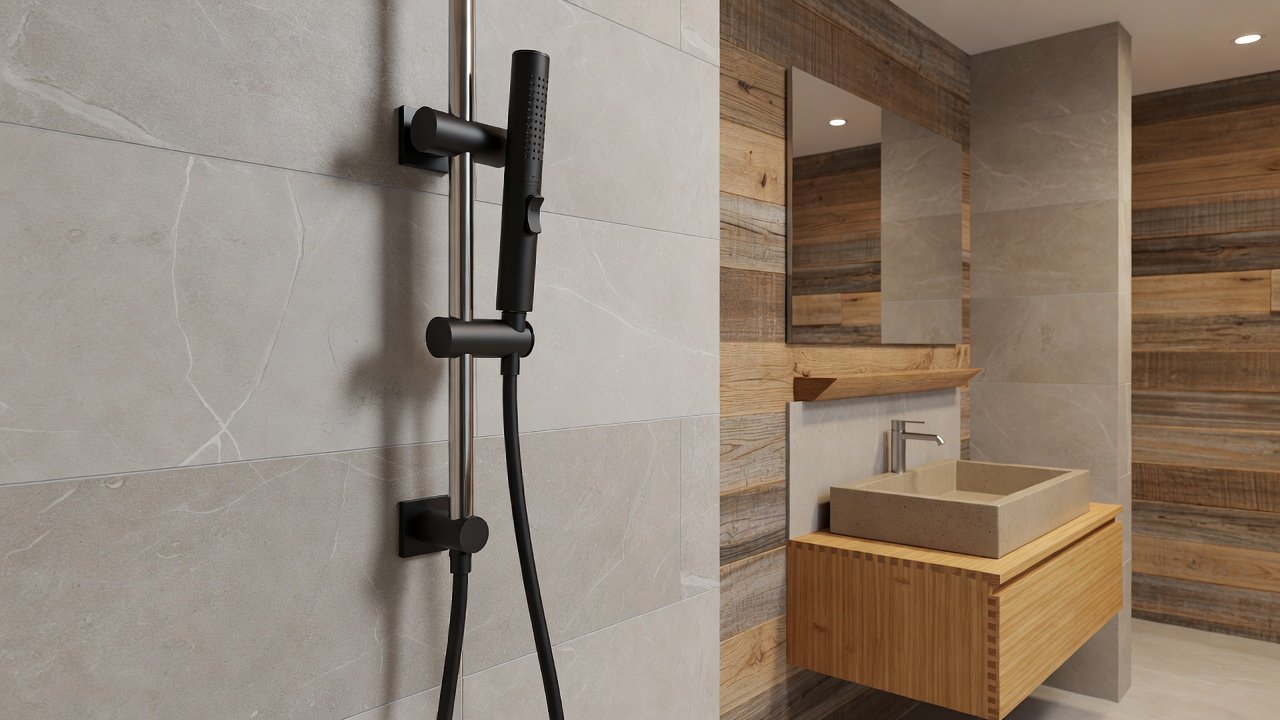
Proper installation ensures optimal performance and longevity. Begin by shutting off the main water supply and removing the existing showerhead with an adjustable wrench, taking care not to damage the pipe threads. Clean the arm thoroughly and wrap plumber's tape clockwise around the new unit's connection point for a watertight seal. Attach the showerhead by hand first, then tighten gently with the wrench while avoiding over-torquing that could crack fittings. Test the connection at low pressure initially to identify any leaks before restoring full flow.
Next, verify alignment with your shower enclosure dimensions and adjust the arm extension if needed for proper height. For models with handheld components, secure mounting brackets to wall studs or appropriate anchors to support weight during use. Finally, confirm compatibility with any existing flow restrictors or pressure-balancing valves required by local codes. Troubleshooting common issues such as low pressure often involves checking for debris in aerators or confirming adequate pipe sizing throughout the system.
Budget Considerations and Plumbing Compatibility
Evaluating plumbing compatibility early prevents expensive modifications during remodeling. Measure existing pipe diameters, thread types, and available water pressure to select models that integrate without adapters or major rerouting. Universal 1/2-inch connections remain standard across most modern fixtures, simplifying swaps in older homes undergoing updates. Focus qualitative budget decisions on durable finishes and reputable brands that resist tarnish and mineral buildup, reducing long-term replacement frequency.
Review local regulations for minimum flow standards to maintain compliance and avoid performance complaints. Pairing new showerheads with low-flow toilets or faucets during the same project maximizes overall efficiency gains in the remodeled bathroom.
Practical Selection Tips for Home Decor Harmony
- Coordinate metallic finishes such as brushed nickel, matte black, or polished chrome with existing faucets, towel bars, and lighting fixtures for cohesive visual flow.
- Assess ceiling height and enclosure size to ensure rainfall models provide even coverage without excessive wall splash that could damage surrounding surfaces.
- Prioritize WaterSense-certified products verified for reduced consumption while preserving strong spray intensity.
- Evaluate spray pattern variety in person at showrooms or through detailed product videos to match household preferences.
- Consider adding inline filters if local water quality contains high mineral content that affects fixture longevity.
Explore energy-saving home upgrades at Energy.gov. Further resources on residential efficiency standards are available through established federal portals.
Real-Home Examples and Common Pitfalls to Avoid
One suburban renovation successfully replaced an outdated fixed head with a dual-function smart model, resulting in improved water distribution across a newly tiled wet-room floor and better harmony with surrounding neutral-toned cabinetry. Another project in a coastal condo installed a handheld unit with eco-materials to address accessibility needs while complementing ocean-inspired decor elements. A third example involved upgrading a compact guest bath with a rainfall head featuring integrated LED temperature indicators, creating a modern focal point that aligned with minimalist wall treatments.
Common pitfalls include neglecting to test water pressure before final selection, which leads to disappointing spray strength, or failing to account for future maintenance access when positioning brackets. Overlooking thread sealant application often causes slow leaks that damage subflooring over time. Addressing these issues during planning stages ensures smoother project completion and lasting satisfaction.
FAQ
How often should showerheads be maintained?
Perform monthly cleaning using a vinegar soak to dissolve mineral deposits that restrict flow and promote bacterial growth. Quarterly inspections of hoses and seals help identify wear before leaks develop, while annual deep cleaning of internal components extends overall lifespan in hard-water regions.
What flow rates are recommended for 2026 models?
Optimal selections typically range between 1.5 and 2.0 gallons per minute to achieve balanced efficiency and satisfying pressure. Models exceeding these thresholds may require additional restrictors to meet updated conservation guidelines common in many municipalities.
What common remodel mistakes affect showerhead performance?
Skipping pre-installation pressure testing or selecting incompatible thread sizes frequently results in uneven spray and connection failures. Another frequent error involves ignoring building code requirements for anti-scald valves, which compromises both safety and long-term fixture reliability.
Conclusion
Strategic showerhead selection elevates 2026 bathroom remodeling outcomes by merging advanced water-saving capabilities with refined design integration. Careful evaluation of model types, adherence to installation best practices, and alignment with existing plumbing infrastructure enable homeowners to create spaces that improve daily experiences while supporting sustainable living goals. With attention to trends, practical examples, and maintenance routines outlined here, your next renovation can achieve professional-level results that endure for years.
No comments yet. Be the first!