 Fixated on Home
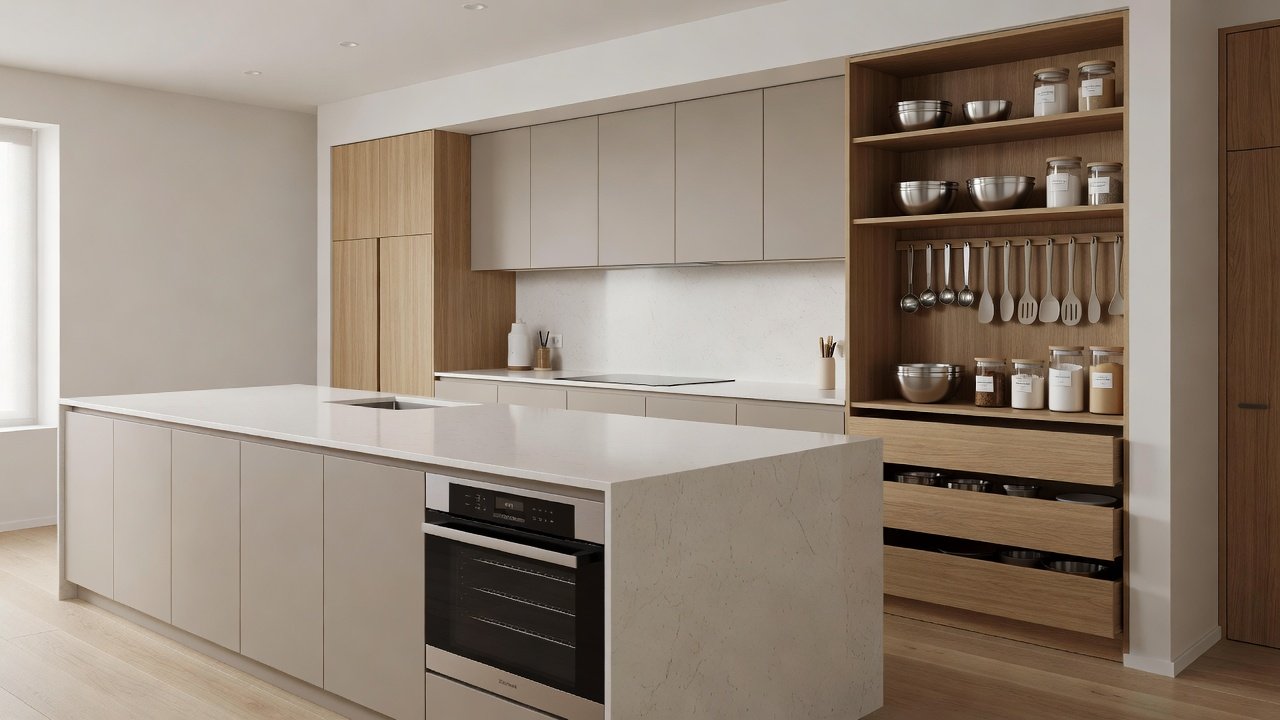
Introduction to 2026 Kitchen Renovations for Home Bakers
Home baking has become a central part of many households, transforming kitchens into specialized creative spaces. In 2026, renovations emphasize designs that support serious bakers through optimized functionality and contemporary aesthetics. This comprehensive guide examines workspace layouts, material selections, appliance integrations, storage systems, and ventilation improvements suited for environments handling flour, heat, and moisture. Bakers seeking to remodel can achieve professional-grade results while maintaining a welcoming home atmosphere.
Optimal Workspace Layouts for Efficient Baking
Successful baking kitchens revolve around efficient workflow triangles connecting the sink, primary mixing area, and oven. Current 2026 designs often feature a dedicated baking zone offering at least five feet of continuous counter space for rolling, cutting, and assembling. Positioning this zone near natural light sources improves visibility during detailed tasks like decorating cakes or piping. L-shaped configurations separate dry ingredient preparation from wet cleanup zones, minimizing cross-contamination risks from flour dust settling on dishes.
Many updated layouts incorporate a slightly lower counter height of 34 to 36 inches specifically for dough work, reducing back strain during extended sessions. Island placements allow multiple users to collaborate without crowding, while peninsula designs suit smaller homes by maintaining open sightlines. Consider traffic patterns carefully to ensure children or guests can pass safely even when baking projects occupy the main surfaces.
Durable, Easy-Clean Materials Resistant to Flour and Heat
Selecting surfaces that withstand daily baking demands is essential. Quartz countertops provide non-porous finishes resistant to stains from oils, sugars, and food coloring while tolerating brief contact with hot pans. Stainless steel alternatives deliver industrial durability and can be custom-fitted around sinks or appliances. Flooring choices such as large-format porcelain tiles with textured matte surfaces offer slip resistance and simple sweeping of spilled flour.
Cabinet finishes should include sealed edges and soft-close mechanisms to contain crumbs and prevent warping from humidity. 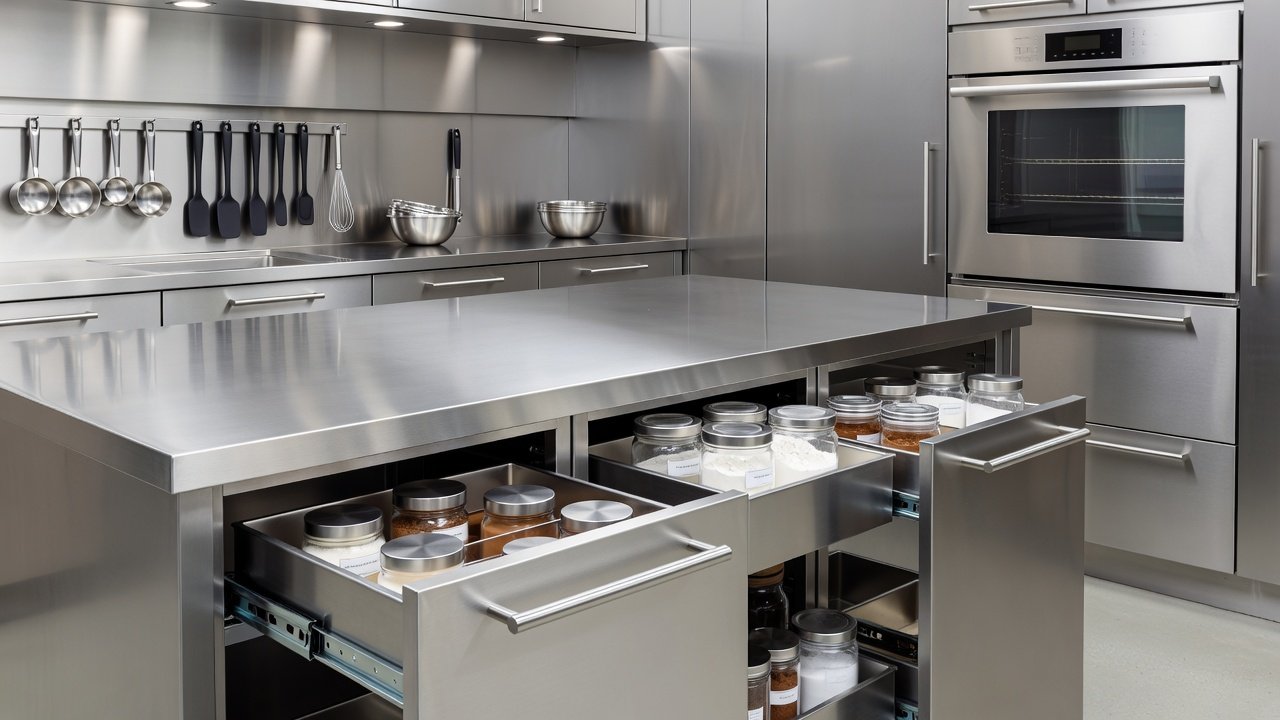
Appliance Selections Like Convection Ovens and Beyond
Convection ovens with integrated steam functions represent a key upgrade for consistent results in breads, pastries, and cookies. Models offering precise digital controls and rapid preheat cycles save time during multi-batch days. Side-by-side comparisons show convection systems often produce more even browning than traditional radiant ovens while shortening cook times. Additional appliances include induction cooktops for controlled melting or tempering and built-in proofing drawers that maintain ideal temperatures for yeast doughs.
Refrigeration units with adjustable humidity compartments keep butter, eggs, and fresh produce at optimal conditions. Homeowners frequently integrate stand mixer docking stations within islands to keep heavy equipment accessible yet stored when not in use. These choices enhance both performance and workflow efficiency.
Integrated Storage for Tools and Ingredients
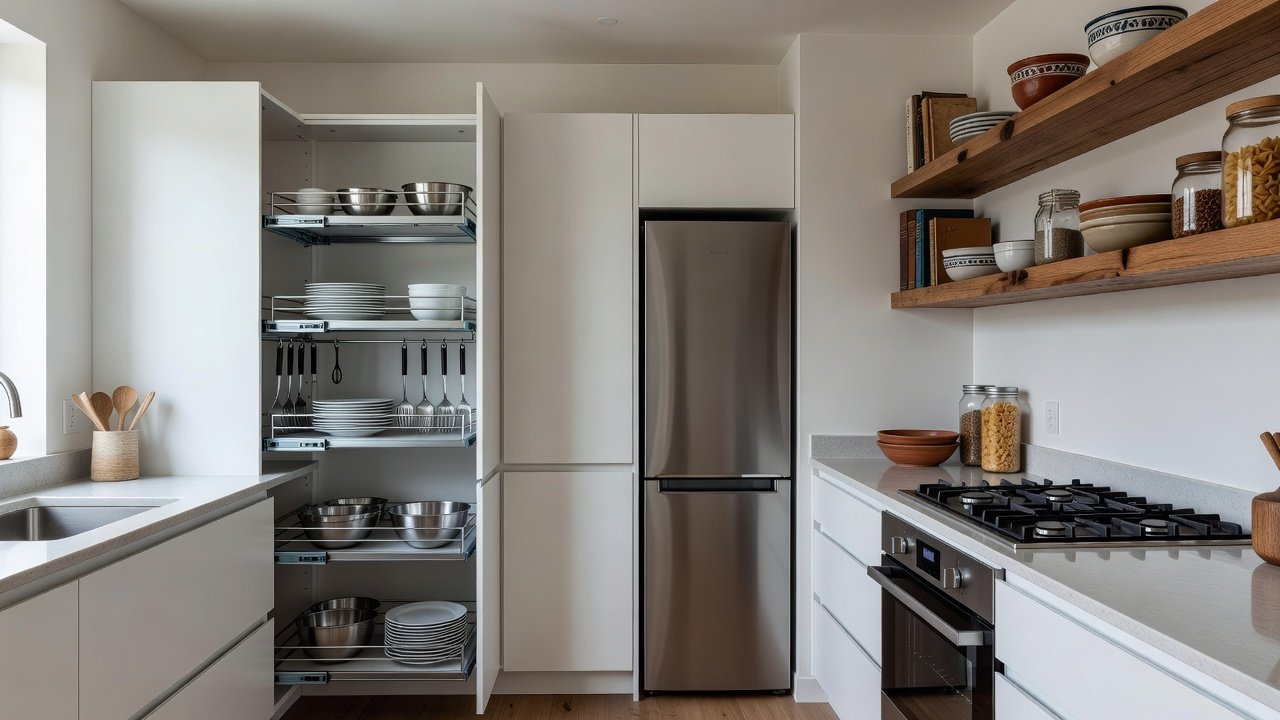
Thoughtful storage prevents clutter and protects supplies. Pull-out pantry shelves with divided compartments organize flours by type, while labeled airtight containers preserve freshness. Deep drawers fitted with vertical slots store baking sheets and cooling racks upright for quick retrieval. Wall-mounted racks and magnetic strips keep frequently used tools within arm's reach without occupying counter space.
Climate-controlled cabinets near the baking zone maintain stable temperatures for chocolate and delicate ingredients. Corner solutions such as rotating carousels maximize otherwise wasted areas. These systems support large inventories without visual chaos.
Ventilation Upgrades for Cleaner Air
Effective ventilation removes airborne flour particles and baking odors that can affect indoor air quality. High-capacity range hoods equipped with multi-stage filtration capture fine dust effectively. Guidance on improving indoor air quality is available from the EPA. Downdraft ventilation integrated into islands provides targeted extraction without blocking sightlines. Proper ducting and CFM ratings ensure systems handle steam from proofing and boiling sugar syrups.
Practical Implementation Steps and Planning
Begin by documenting current usage patterns and measuring all dimensions accurately. Engage a designer familiar with baking-specific requirements early in the process. Prioritize electrical capacity assessments for new high-draw appliances. Create material and appliance shortlists based on frequency of use rather than trends alone. Develop a phased timeline that allows continued basic kitchen access during construction. Final walkthroughs should verify all storage and workflow elements function as intended.
Real Project Examples and Setup Comparisons
A family home in a suburban setting added a central island with recessed scale platforms and dedicated mixing zones, resulting in smoother weekend baking marathons. An apartment renovation utilized vertical wall storage and a compact convection unit to maximize limited square footage. Open-concept designs encourage family participation during projects, whereas enclosed pantry areas better preserve ingredient stability in humid climates. Each approach demonstrates how tailored choices deliver lasting satisfaction.
Mistakes to Avoid During Renovation
- Underestimating the need for extra electrical outlets near workstations.
- Selecting porous materials that absorb stains from colored frostings.
- Ignoring ventilation capacity, leading to persistent odors and dust buildup.
- Placing ovens too close to refrigerators, which affects appliance efficiency.
- Overlooking lower counter heights for ergonomic dough handling.
Lighting and Sustainability Considerations
Layered lighting with under-cabinet LEDs and adjustable overhead fixtures ensures clear visibility for precise tasks. Energy-efficient options reduce long-term operating costs while supporting eco-friendly goals. Resources on energy-efficient home upgrades are provided by the U.S. Department of Energy. Incorporating sustainable cabinet materials and low-VOC finishes further aligns renovations with modern environmental standards.
FAQ
What is the best countertop for frequent baking?
Quartz or stainless steel surfaces provide superior durability and cleaning ease compared to other options.
How important is ventilation for home bakers?
Strong ventilation is critical for removing flour dust and maintaining healthy indoor air during intensive sessions.
Can I add baking features to an existing kitchen?
Targeted additions such as custom islands, appliance replacements, and storage inserts often achieve results without complete demolition.
Which flooring works best around baking areas?
Textured porcelain tiles offer slip resistance and straightforward maintenance when flour or liquids are spilled.
Conclusion
Comprehensive 2026 kitchen renovations tailored for home bakers deliver spaces that support creativity, efficiency, and style. By addressing layouts, materials, appliances, storage, and air quality with detailed planning, homeowners create environments that elevate both baking results and daily living.
No comments yet. Be the first!