 Fixated on Home
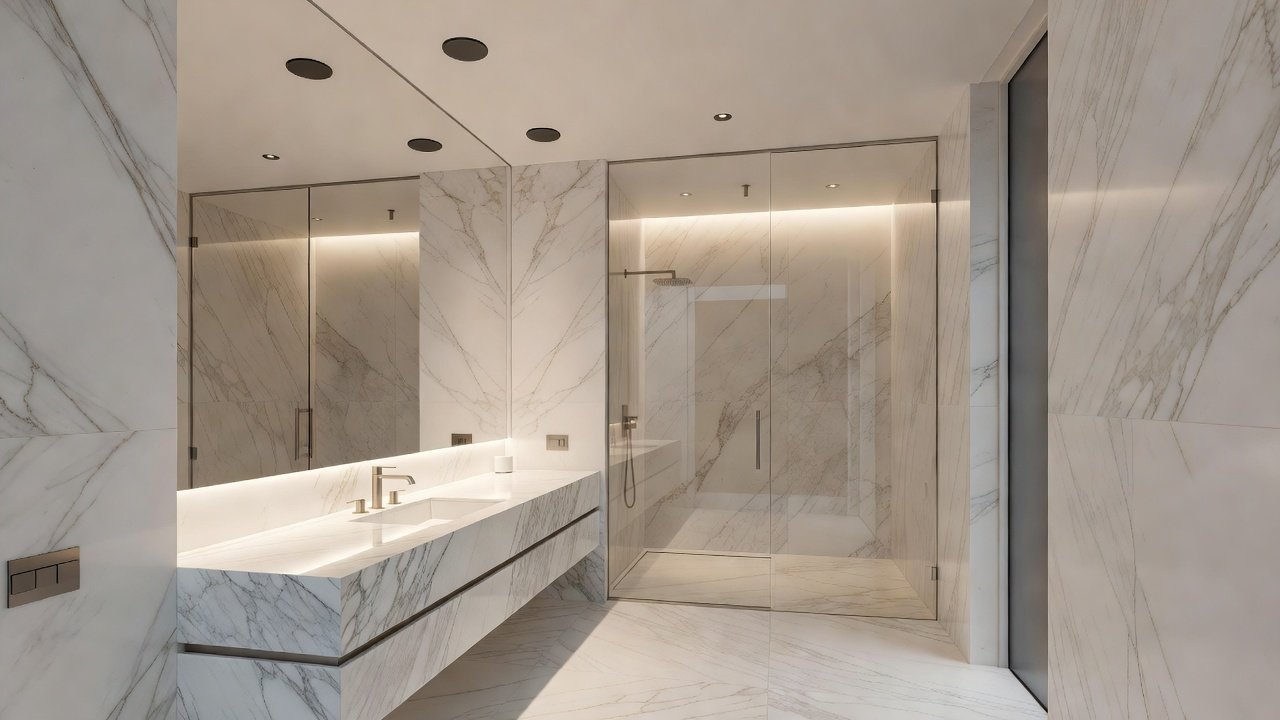
Introduction to Built-In Audio in Modern Bathroom Remodels
Creating a serene bathroom environment is a top priority for homeowners focused on wellness in 2026. Integrating built-in audio systems allows for immersive sound that complements the space without cluttering surfaces. This approach enhances the relaxing ambiance through subtle music or nature sounds while aligning with contemporary renovation trends. Many homeowners seek these upgrades to turn daily routines into restorative experiences, supporting mental well-being through carefully curated audio environments. Search intent around these upgrades often centers on practical integration during remodeling. Homeowners want solutions that withstand humidity, connect seamlessly to smart homes, and pair with existing fixtures like lighting or ventilation fans. By addressing these elements early, renovations can deliver both aesthetic appeal and functional performance that lasts for years.
Evaluating Speaker Placement Options
Strategic speaker placement ensures even sound distribution without compromising bathroom functionality. Ceiling-mounted speakers work well for overhead audio coverage in larger spaces, while wall-mounted options near the vanity provide directed sound for morning routines. In smaller bathrooms, recessed units in the shower ceiling deliver focused audio while maintaining a clean aesthetic. Additional considerations include positioning near soaking tubs for immersive listening during baths or integrating units into mirror frames for discreet vanity-area playback. Homeowners should evaluate room acoustics, as tiled surfaces can create echoes that require careful speaker angling or acoustic treatments. Avoid placing speakers directly above water sources to minimize moisture exposure. Professional installers often recommend testing layouts with temporary prototypes before final remodeling decisions. This step helps identify optimal angles that deliver balanced sound across the entire room footprint.
Waterproofing and Durability Considerations
Bathroom environments demand robust waterproofing for any audio components. Look for speakers rated IP65 or higher to resist steam and splashes. During remodeling, integrate vapor barriers and proper sealing around speaker housings to prevent long-term damage from condensation buildup. Materials such as stainless steel grilles and silicone gaskets further enhance resistance in high-humidity zones. Installers frequently apply additional coatings to wiring connections to guard against corrosion over time. Real-world projects from recent renovations highlight the importance of these steps. For instance, a 2025 coastal home update used marine-grade enclosures that maintained performance after two years of daily use. Another project in a humid subtropical climate incorporated drainage channels behind wall units to redirect any incidental moisture away from electronics.
Comparing Wired and Wireless Audio Systems
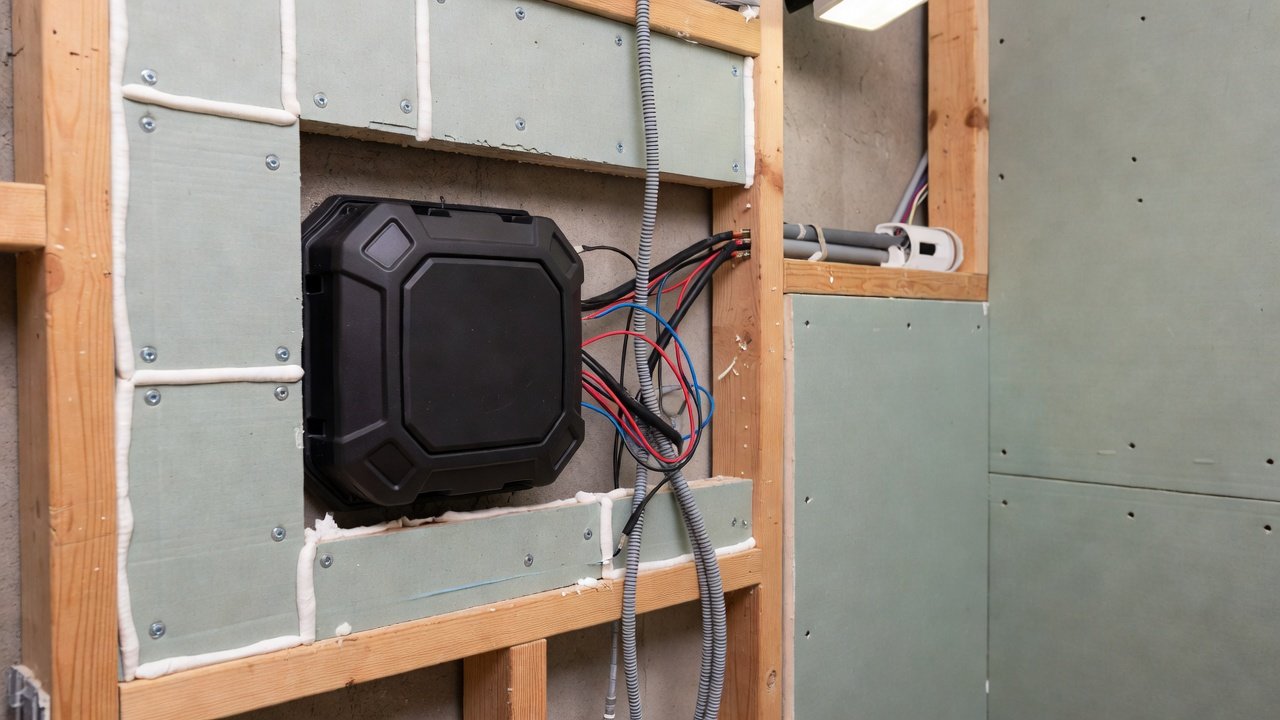
Wired systems offer reliable connectivity with minimal latency, ideal for whole-home integration. They require professional routing during rough-in phases of remodeling but deliver consistent quality even in areas with thick walls or interference. Wireless options provide flexibility for retrofits, using Bluetooth or Wi-Fi protocols that connect to existing networks. Key differences include installation complexity and scalability. Wired setups suit new builds where cabling can be hidden in walls, while wireless excels in phased upgrades or rental properties. Both can achieve high-fidelity output when paired with quality amplifiers. Homeowners weighing options should also consider future expandability, as wired systems often support easier addition of zones later. Wireless variants may need periodic firmware updates to maintain optimal performance with evolving smart home platforms.
Pairing Audio with Lighting and Ventilation
Syncing built-in audio with smart lighting creates layered ambiance. Use apps to dim lights while fading in soft playlists. Ventilation fans with integrated audio modules further streamline the setup, reducing separate device needs. This combination supports wellness goals by allowing voice-controlled adjustments. Homeowners report improved relaxation when systems respond to routines automatically, such as activating calming tracks during evening wind-down periods. Advanced pairings can link audio volume to fan speed for balanced background noise levels. In larger master bathrooms, coordinating these elements across multiple zones ensures consistent experiences whether using the shower, tub, or vanity areas.
Practical Installation Steps
- Assess room dimensions and electrical plans during initial remodeling consultation, including measurements for speaker cutouts and power access points.
- Select components compatible with your smart home ecosystem, such as those supporting multi-room audio protocols and voice assistants.
- Route wiring or prepare wireless hubs before drywall installation, ensuring all connections meet local building codes.
- Seal all penetrations and test waterproof integrity using moisture meters before proceeding to finishing stages.
- Calibrate sound levels and integrate controls with existing switches or apps, followed by user training on system features.
- Schedule a follow-up inspection after one month to verify performance under real usage conditions.
These steps ensure a seamless result when executed by certified technicians experienced in wet-area installations.
Real-World Examples from Recent Projects
A suburban family home in 2025 incorporated ceiling speakers tied to a central hub, transforming their ensuite into a daily retreat with personalized morning soundscapes. Another urban condo project used wireless in-wall units that connected effortlessly to existing ventilation controls, enhancing the overall experience without major rewiring. A third example involved a historic home renovation where custom enclosures preserved architectural details while adding modern audio capabilities. These cases demonstrate how tailored approaches adapt to varying home styles and sizes.
Mistakes to Avoid During Integration
Common pitfalls include underestimating humidity exposure by choosing non-rated components or skipping vapor barrier installation. Another frequent error is poor cable management that leads to interference or difficult future maintenance. Homeowners should also avoid over-amplifying systems in small spaces, which can create distortion. Consulting professionals early prevents these issues and ensures compliance with safety standards.
FAQs on Built-In Bathroom Audio
How do systems handle humidity?
Quality units feature sealed designs and corrosion-resistant materials tested for high-moisture areas, often exceeding standard residential ratings.
What about sound quality in small spaces?
Proper placement and calibration deliver clear audio even in compact bathrooms, avoiding echo through acoustic tuning and directional speaker technology.
Can I add audio later without full remodel?
Wireless solutions minimize disruption, though full integration benefits from planning during renovation for hidden infrastructure.
Are there maintenance requirements?
Periodic cleaning of grilles and firmware checks help sustain performance, typically requiring minimal effort annually.
How does this impact energy use?
Modern systems incorporate efficient amplifiers that align with broader smart home energy management practices.
For further guidance on custom electronics standards, consult resources from CEDIA. Learn about smart connectivity protocols via Bluetooth SIG. Explore related building practices at IEEE.
Conclusion
Built-in audio elevates bathroom remodeling into a wellness-focused upgrade. By addressing placement, durability, and connectivity thoughtfully, homeowners achieve lasting relaxation benefits. Start planning with professionals to align these systems with your unique space and enjoy enhanced daily living for years ahead.
No comments yet. Be the first!