 Fixated on Home
Introduction to Hypoallergenic Bathroom Remodeling
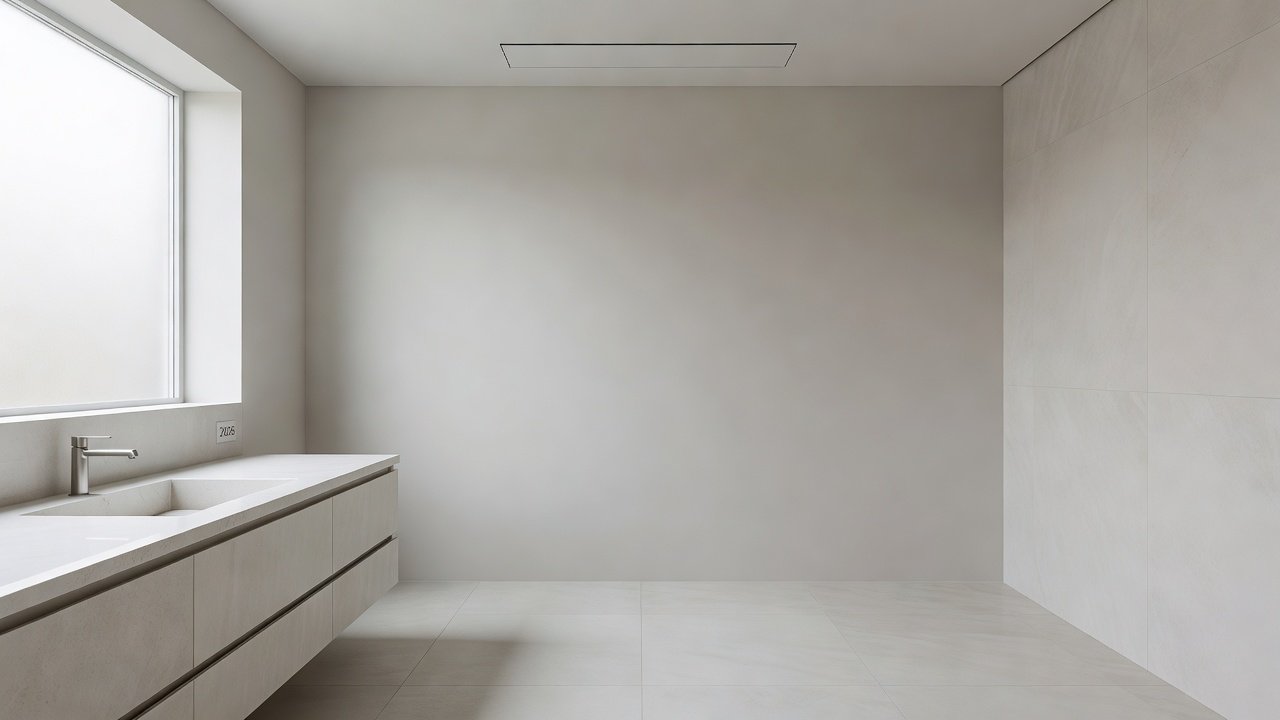
Creating a hypoallergenic bathroom in 2026 means prioritizing materials and systems that minimize allergens, volatile organic compounds (VOCs), mold, and dust. Homeowners focused on wellness can transform their bathrooms into spaces that support better respiratory health and overall comfort. This approach aligns with interior upgrades while emphasizing durable, easy-to-clean surfaces that reduce maintenance needs over time. In today's homes, where people spend significant hours indoors, addressing hidden sources of irritation becomes essential for daily living. Remodeling with these principles in mind allows for seamless integration of modern aesthetics without compromising on health-focused functionality.
Modern remodeling projects increasingly incorporate features like advanced air filtration and non-porous finishes to address common triggers such as pet dander, pollen, and mildew. By selecting the right products and following proven installation practices, you can achieve a space that feels fresh and supports long-term health goals. This guide explores actionable strategies that go beyond surface-level changes, providing homeowners with the knowledge to make informed decisions during planning and execution phases.
Why Hypoallergenic Design Matters for Indoor Air Quality
Bathrooms are high-moisture environments where mold and allergens thrive if not properly managed. Poor ventilation and porous materials can trap particles, leading to reduced air quality that affects the entire household. In 2026, trends favor integrated solutions that combine style with functionality, such as sealed surfaces and smart ventilation that actively filter the air. Understanding the science behind allergen reduction helps explain why these upgrades deliver measurable improvements in comfort and well-being.
Research from authoritative sources highlights the benefits of reducing indoor pollutants. For instance, guidelines from the EPA emphasize controlling moisture and using low-emission materials to prevent health issues. Similarly, the World Health Organization notes the importance of clean indoor environments for reducing respiratory risks. Homeowners who invest in these features often report fewer seasonal discomforts and a more stable indoor climate year-round.
Selecting Low-VOC Materials for Your Remodel
Low-VOC paints, sealants, and adhesives form the foundation of a hypoallergenic bathroom. These products emit fewer harmful chemicals during and after installation, creating a safer environment from day one. Look for certifications like GREENGUARD or similar labels that verify reduced emissions through independent testing. When comparing options, opt for water-based formulas over solvent-based ones, as they cure faster and maintain lower odor levels throughout the project.
For walls and ceilings, choose matte or eggshell finishes that resist moisture while remaining easy to wipe clean. Flooring selections should include sealed concrete or luxury vinyl planks designed specifically for wet areas. This step helps prevent the buildup of allergens that can circulate through the home via HVAC systems. Additional considerations involve matching material textures to existing decor trends, ensuring the bathroom blends harmoniously with adjacent living spaces.
Mold-Resistant Surfaces and Non-Porous Finishes
Non-porous materials such as quartz countertops, porcelain tiles, and fiberglass tubs prevent water absorption that leads to mold growth. These surfaces allow for quick drying and simple cleaning with mild solutions, reducing the need for harsh chemical cleaners. When planning your layout, prioritize large-format tiles that minimize grout lines, as grout can become a breeding ground for mildew if not properly treated.
Practical installation involves applying mold-inhibiting primers before tiling and ensuring proper grouting with antimicrobial additives. Real-home examples show that homes using these finishes report fewer allergy symptoms within the first year post-remodel. Consider pairing these with complementary elements like frameless glass shower enclosures that eliminate hidden corners where moisture accumulates.
Advanced Filtration and Ventilation Systems
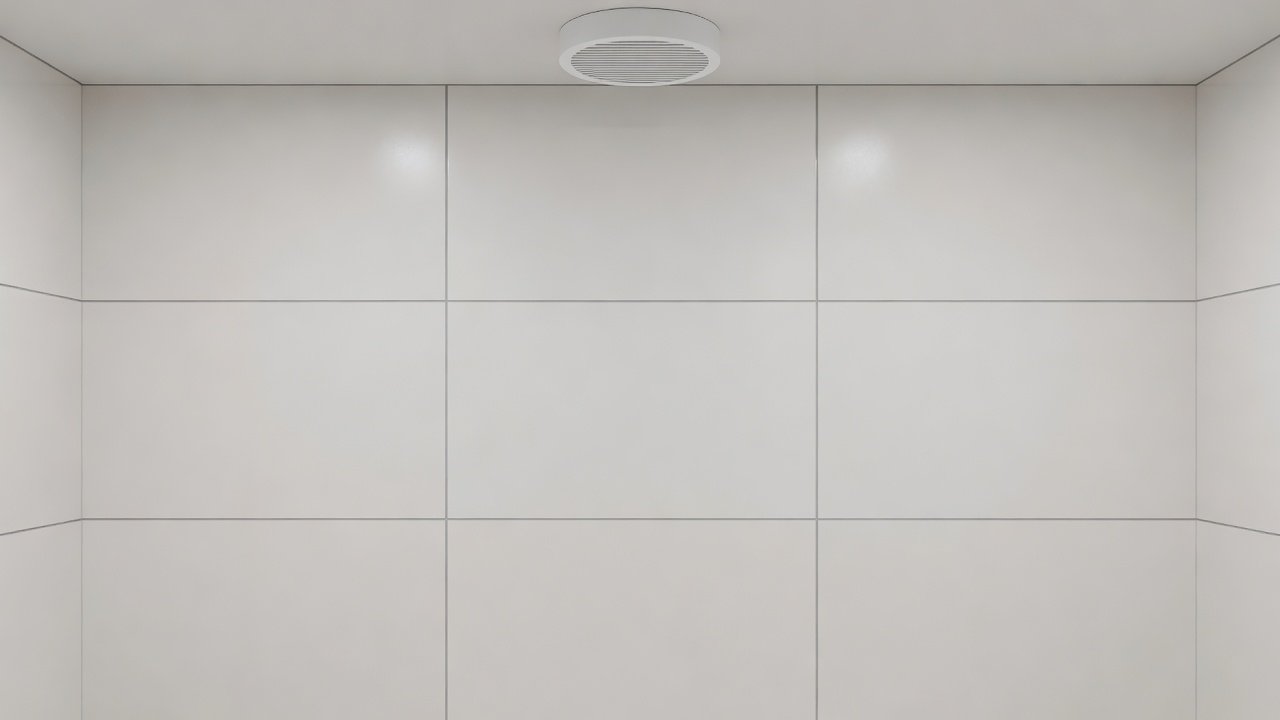
Integrating HEPA filtration units or whole-room air purifiers designed for bathrooms can capture fine particles effectively. Pair these with humidity-sensing exhaust fans that activate automatically to maintain optimal moisture levels below 50 percent. Advanced models in 2026 often include app connectivity for remote monitoring and filter replacement alerts.
Step-by-step installation typically includes assessing existing ductwork for upgrades, positioning the unit near the shower area for maximum coverage, connecting to smart home controls for automated operation, testing airflow to confirm even distribution, and scheduling professional calibration if needed. These systems contribute to healthier homes by continuously improving air circulation and preventing stagnant conditions that promote allergen growth.
Product Comparisons and Decision Factors
When evaluating fixtures, compare durability, ease of cleaning, and allergen resistance across multiple brands. For example, solid-surface vanities outperform traditional wood in moisture-prone areas due to their seamless construction. Consider factors like slip resistance for safety and seamless designs that eliminate crevices where dust collects. Side-by-side evaluations often reveal that ceramic sinks with integrated backsplashes provide superior performance compared to separate components.
Additional decision points include energy efficiency ratings on ventilation equipment and warranty lengths on surface materials. Homeowners should visit showrooms to test tactile qualities and review independent lab results on VOC emissions before finalizing selections.
Real-Home Examples and Installation Steps
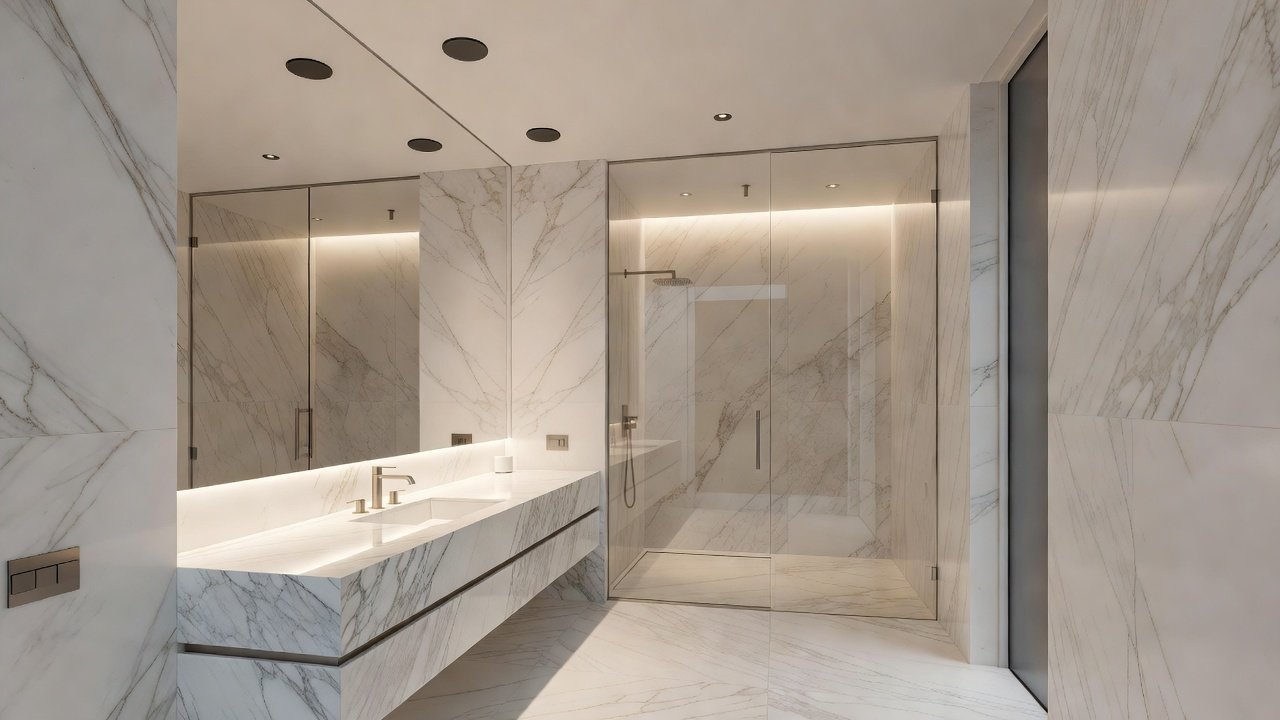
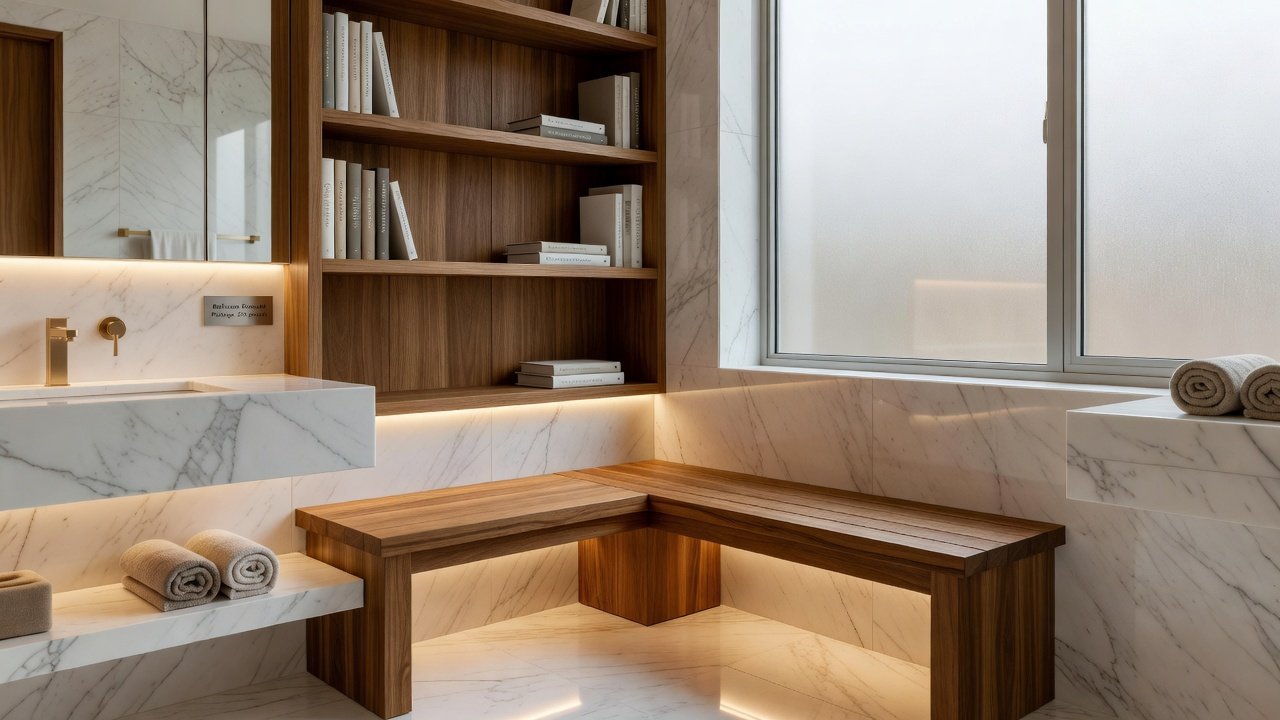
One successful project involved replacing a standard shower with a curbless walk-in featuring large-format porcelain tiles and built-in seating. The process began with moisture barrier installation, followed by precise tiling, integration of a low-profile drain system, and final sealing of all joints. Homeowners noted improved air quality and reduced cleaning time, with the space now serving as a daily retreat that minimizes exposure to irritants.
Another example used recycled glass tiles with low-VOC grout, paired with a wall-mounted filtration system and motion-activated lighting. The result was a spa-like space that minimized allergen accumulation while enhancing visual appeal through coordinated color palettes. Detailed timelines for such projects typically span four to six weeks, allowing time for material curing and system testing to ensure everything functions optimally.
Maintenance Tips and Long-Term Benefits
Regular upkeep includes weekly wiping of surfaces with vinegar-based cleaners and monthly checks on ventilation filters. These habits extend the life of your remodel and sustain air quality improvements. Seasonal deep cleans involving professional duct inspection further protect against hidden buildup.
Long-term benefits encompass fewer allergy flare-ups, lower energy costs from efficient systems, and increased home value through modern, health-focused upgrades. Families with children or elderly members particularly appreciate the reduced risk of respiratory triggers in shared spaces.
FAQ
How often should filters be replaced?
Most systems recommend replacement every three to six months, depending on usage and local air conditions, with some models featuring indicator lights for convenience.
Are hypoallergenic remodels more expensive?
While initial costs vary, the durability of materials often leads to savings on repairs and replacements over time, along with potential reductions in medical expenses related to allergies.
Can existing bathrooms be retrofitted?
Yes, targeted updates like new sealants, ventilation add-ons, and surface coatings can achieve significant improvements without full demolition, making the process accessible for most homeowners.
What role does lighting play in allergen control?
Proper LED lighting reduces shadows that hide dust and mold, while also supporting better visibility during cleaning routines to maintain hygiene standards.
How do these changes impact resale value?
Health-oriented features appeal to a growing segment of buyers seeking wellness-focused properties, often resulting in faster sales and stronger offers in competitive markets.
Conclusion
Embracing hypoallergenic strategies in your 2026 bathroom remodel creates a healthier living environment. By focusing on low-VOC options, mold-resistant surfaces, and effective filtration, you invest in both comfort and wellness. Start planning with these ideas to enjoy lasting benefits in your home while aligning with broader trends in thoughtful interior design.
No comments yet. Be the first!