 Fixated on Home
Introduction to Custom Glass in 2026 Bathroom Remodeling
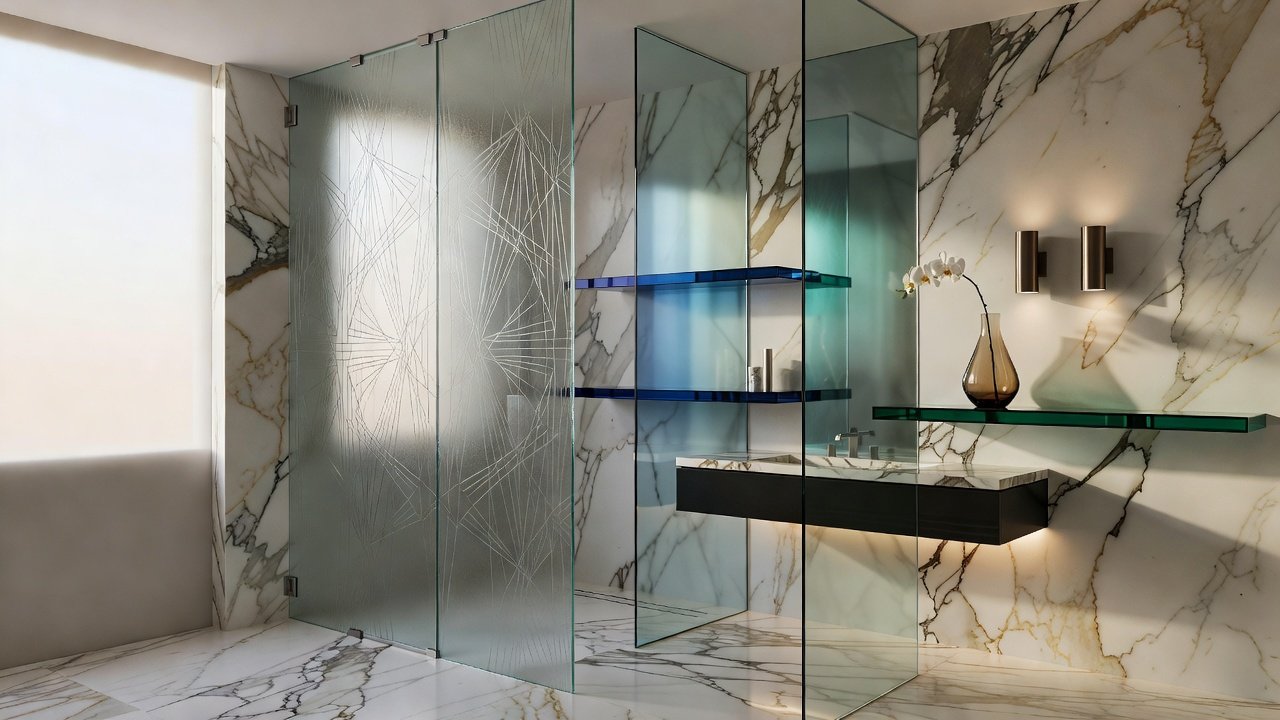
Bathroom remodeling in 2026 emphasizes personalized, light-enhancing elements that combine durability with aesthetic appeal. Custom glass accents such as etched panels, colored glass shelves, and frameless partitions allow homeowners to achieve modern luxury while improving functionality in wet environments. These features maximize natural light, create visual separation, and elevate everyday spaces into spa-like retreats. As open-concept living continues to influence home design, glass elements help maintain an airy feel without compromising privacy or moisture control. Integrating glass requires careful selection of materials suited to humidity and moisture. This comprehensive guide covers suitable glass types, design integration steps, emerging 2026 trends, real-world renovation examples, cost comparisons, common mistakes to avoid, maintenance practices, and answers common questions about safety and longevity.
Glass Types Suitable for Wet Bathroom Environments
Not all glass performs equally in humid conditions. Tempered glass offers superior strength and shatters into small, safe pieces if broken, making it ideal for shower enclosures and partitions. Laminated glass provides added safety with an interlayer that holds fragments together even under impact. For decorative accents, low-iron glass delivers crystal clarity without the green tint common in standard float glass. Etched or frosted finishes reduce visibility while maintaining light transmission, perfect for privacy panels around tubs or toilets. Colored glass, created through specialized coatings or interlayers, resists fading from moisture exposure when properly sealed. Additional options include textured glass for subtle patterns and anti-slip treated surfaces for shower floors. Always verify that chosen glass meets safety standards for structural applications in bathrooms, including impact resistance ratings.
Step-by-Step Design Integration Process
Successful integration begins with thorough planning. First, assess the existing layout and identify focal points such as showers, vanities, or tub surrounds where glass can enhance light flow. Next, consult with a designer to select glass thicknesses and edge finishes that complement the overall style, considering factors like load-bearing requirements for shelves. Measure precisely and account for expansion joints to prevent cracking from temperature fluctuations common in bathrooms. Choose hardware like stainless steel or aluminum frames that resist corrosion in humid conditions. Install with professional sealing to ensure watertight performance, and coordinate with electricians for any integrated lighting behind glass panels. These steps ensure seamless blending of custom glass with tiles, fixtures, and lighting schemes while meeting building codes.
Emerging 2026 Trends in Glass Bathroom Accents
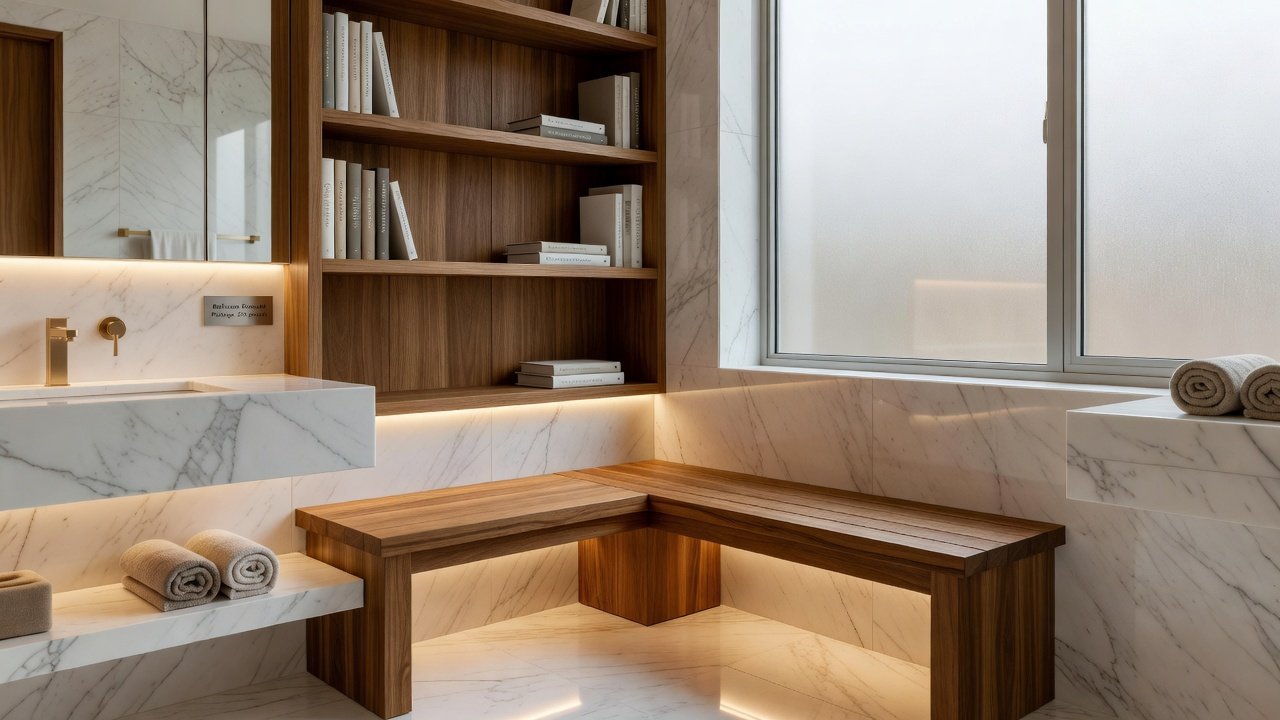
Designers are incorporating smart glass that can switch from clear to opaque with the touch of a button, adding privacy on demand. Sustainable options using recycled content in tempered panels are gaining popularity for eco-conscious homeowners. Mixed-material combinations, such as glass paired with reclaimed wood or stone, create layered textures. Larger format glass panels with minimal framing continue to dominate, emphasizing clean lines and uninterrupted views. Colored glass in muted earth tones or jewel hues adds personality without overwhelming small spaces.
Real-World Renovation Examples
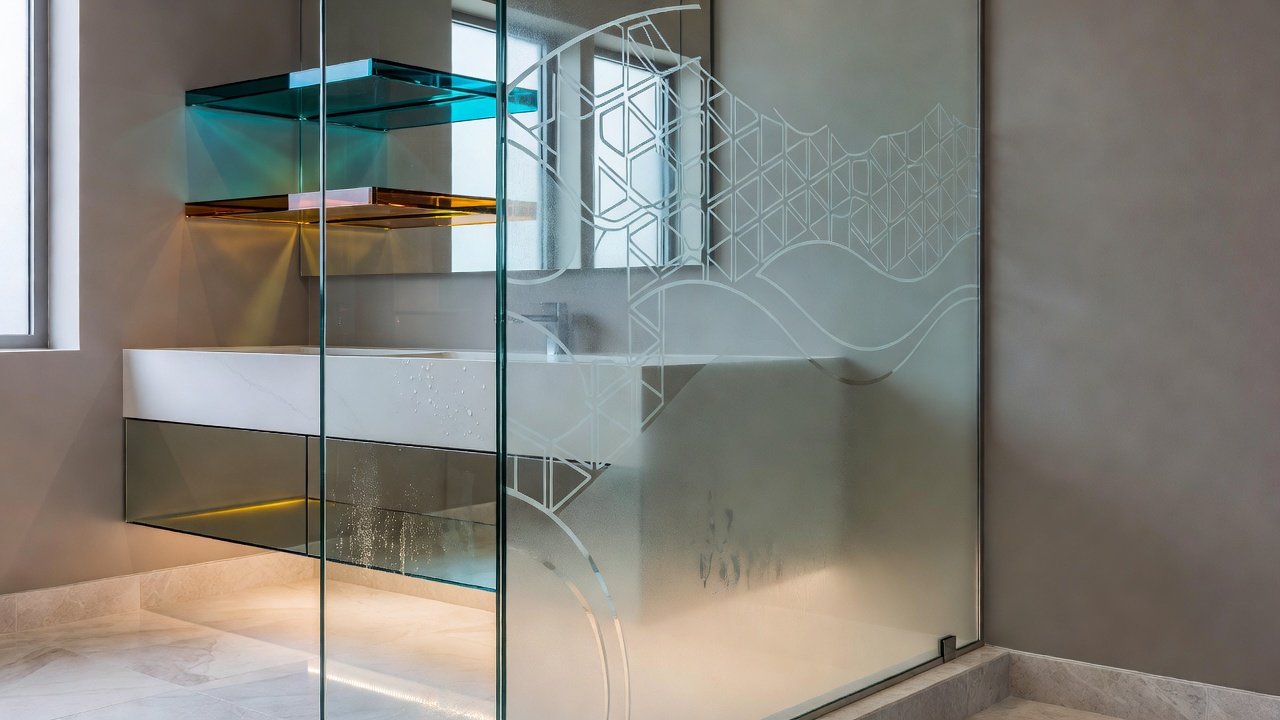
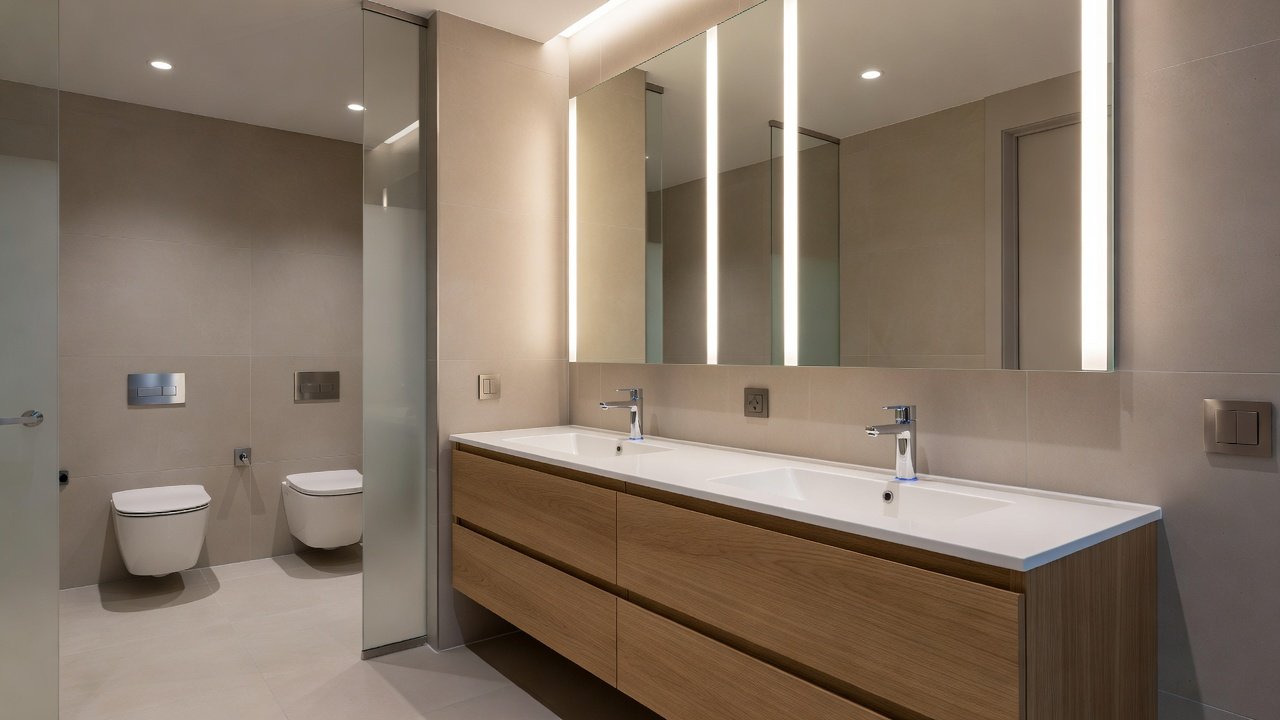
In one urban loft conversion, etched glass panels replaced a solid wall between the shower and vanity area, instantly brightening the space and adding an artistic motif of geometric patterns inspired by local architecture. Another suburban home featured floating colored glass shelves above the sink, providing storage without visual clutter while echoing the room's soft blue palette and reflecting morning light beautifully. Frameless glass partitions have become popular for dividing wet and dry zones in open-plan bathrooms, creating defined areas without sacrificing the illusion of spaciousness. A coastal residence used textured glass accents around a freestanding tub to evoke ocean waves while protecting surrounding flooring from splashes. This Old House highlights similar transformations that prioritize both form and function. Bob Vila also showcases practical glass applications in moisture-prone areas.
Cost Comparisons Versus Traditional Materials
Custom glass accents typically represent a premium investment compared to standard ceramic tiles or solid wood shelving. However, the long-term value comes from enhanced light distribution that can reduce reliance on artificial lighting and the timeless appeal that maintains resale value. Homeowners often find glass installations more cost-effective over time than frequent replacements of moisture-damaged traditional materials. Glass also requires less frequent updating, offering better durability in high-humidity zones where wood may warp or tile grout may discolor.
Mistakes to Avoid During Installation
One common error is selecting non-tempered glass for high-impact areas, which poses safety risks. Another is inadequate sealing around edges, leading to water intrusion and mold growth behind panels. Failing to account for proper ventilation can cause condensation issues on glass surfaces. Homeowners should also avoid DIY installation of structural glass elements without professional engineering input, as improper mounting can result in sagging shelves or unstable partitions.
Maintenance Best Practices
- Clean weekly with a non-abrasive glass cleaner to prevent mineral buildup from hard water.
- Inspect seals and hardware annually for signs of wear or mold.
- Avoid ammonia-based products on coated or colored glass surfaces to preserve finishes.
- Use squeegees after showers to minimize water spots and extend clarity.
- Apply a protective sealant every 12-18 months on etched areas for added resistance.
- Check for hairline cracks during routine cleaning and address them promptly with a professional.
Proper care ensures custom glass elements retain their clarity and structural integrity for decades, preserving both beauty and safety.
Planning Guide for Your Project
Begin with a detailed budget and timeline, then source materials from reputable fabricators experienced in wet-area applications. Review local building codes regarding glass in bathrooms before finalizing designs. Collaborate early with contractors to coordinate plumbing, electrical, and tiling phases around glass installation. Consider hiring a certified glass specialist for custom etching or coloring to achieve precise results. Finally, plan for future modifications by choosing modular hardware systems that allow easy updates.
Frequently Asked Questions
How durable is custom glass in bathrooms?
When properly tempered or laminated, custom glass withstands daily humidity and temperature changes for 20+ years with routine maintenance.
Are frameless partitions safe for families with children?
Yes, tempered safety glass combined with secure mounting hardware meets modern building standards, minimizing injury risk compared to traditional framed options. Consumer Product Safety Commission guidelines emphasize proper installation for household safety.
Can colored glass fade over time?
High-quality UV-resistant coatings prevent fading, preserving vibrancy even in sunlit bathrooms.
What thickness is recommended for glass shelves?
Most applications use 3/8-inch to 1/2-inch tempered glass, depending on span length and expected load.
Conclusion
Custom glass accents offer a sophisticated way to transform bathrooms in 2026. By focusing on appropriate materials, thoughtful integration, and consistent care, homeowners achieve spaces that feel both contemporary and enduringly functional. Whether adding subtle etched details or bold colored elements, these upgrades deliver lasting visual and practical benefits.
No comments yet. Be the first!