 Fixated on Home
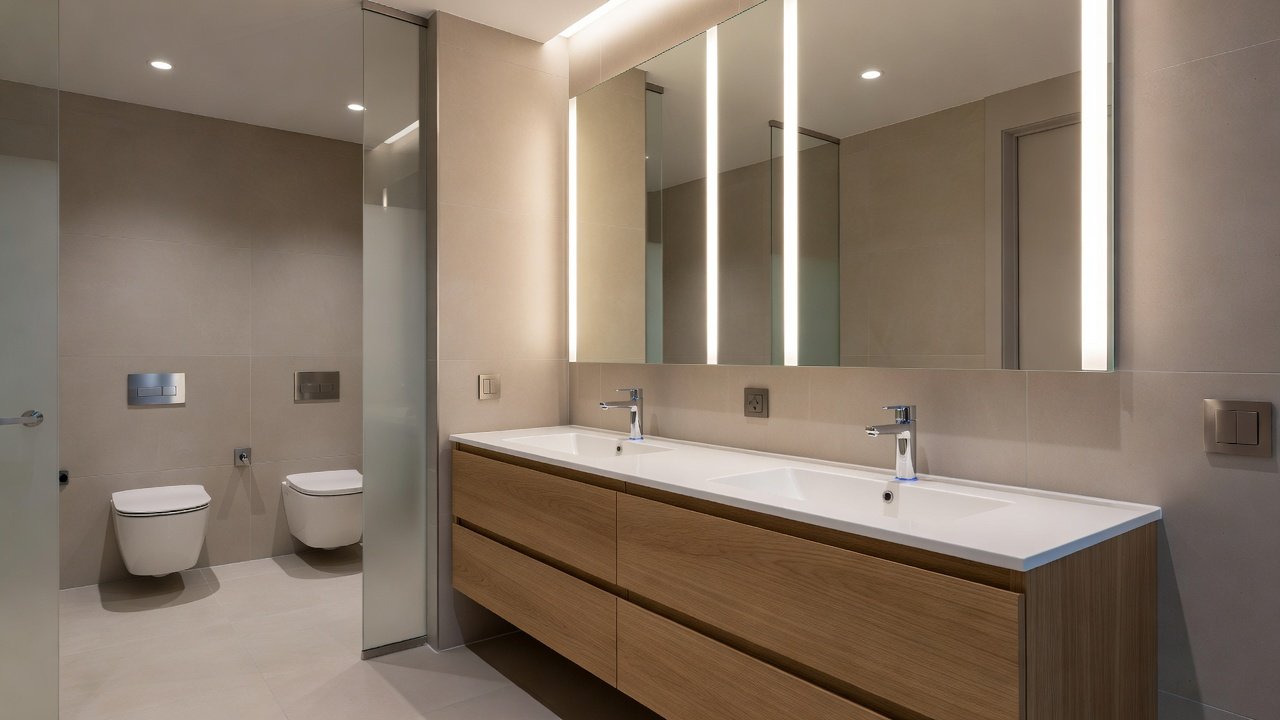
Introduction to Touchless Bathroom Technology in 2026 Remodels
Bathroom remodeling is evolving rapidly, with touchless technology emerging as a top trend for homeowners prioritizing hygiene and convenience. In 2026, smart fixtures like sensor faucets, automatic toilets, and motion-activated lighting are transforming traditional spaces into modern, hands-free environments. This comprehensive guide provides actionable advice for integrating these upgrades, whether you're a beginner tackling a DIY project or a professional designer seeking to elevate renovation ideas.
Touchless fixtures reduce germ spread by eliminating physical contact, aligning perfectly with current renovation ideas focused on health and sustainability. Homeowners can enhance their bathroom remodeling efforts by choosing compatible systems that work with existing plumbing. These innovations not only improve daily routines but also contribute to water conservation and energy efficiency, making them a smart choice for long-term home value.
Why Choose Touchless Fixtures for Your Bathroom Remodel?
The primary appeal lies in improved hygiene. According to health authorities, minimizing touch points helps prevent the spread of bacteria. Learn more from the CDC on hand hygiene practices. Additionally, these fixtures offer modern appeal that boosts home value and aligns with 2026 home decor trends emphasizing smart home upgrades.
Compared to traditional options, touchless models provide water efficiency and ease of use, making them ideal for families, accessibility needs, or high-traffic bathrooms. They support broader renovation ideas by integrating seamlessly with smart home ecosystems, allowing voice or app control in many cases. Homeowners report reduced cleaning time and lower utility bills over time due to automatic shutoff features that prevent waste.
Selecting the Right Sensor Faucets
When selecting sensor faucets, consider factors like power source (battery or hardwired), finish options, and flow rate. Look for models with adjustable sensors to prevent false activations. Popular choices include infrared technology that detects hands within a set range, often featuring temperature memory settings for consistent comfort.
Real-world example: A suburban family in a 2025 remodel project replaced their manual faucets with touchless versions, reporting fewer water spots and easier cleaning routines. Consider finishes such as brushed nickel or matte black to match existing decor. For optimal performance, choose faucets with built-in aerators that maintain steady pressure even in homes with variable water supply.
Automatic Toilets and Bidet Features
Automatic toilets use motion sensors for flushing, often including self-cleaning functions and bidet attachments for enhanced comfort. Ensure compatibility with your toilet's rough-in dimensions during bathroom remodeling. Many 2026 models offer dual-flush options that conserve water while providing powerful performance.
Installation tip: Always shut off the water supply first and test sensors after setup. Pairing these with bidet seats adds a layer of luxury and hygiene that appeals to modern renovation ideas.
Motion-Activated Lighting Integration
Motion-activated lights enhance safety and energy savings in bathrooms. Install LED strips under cabinets or overhead fixtures that activate on entry. Combine with smart hubs for app control, creating layered lighting that adapts to different times of day. This integration supports hands-free living and reduces the risk of slips in low-light conditions.
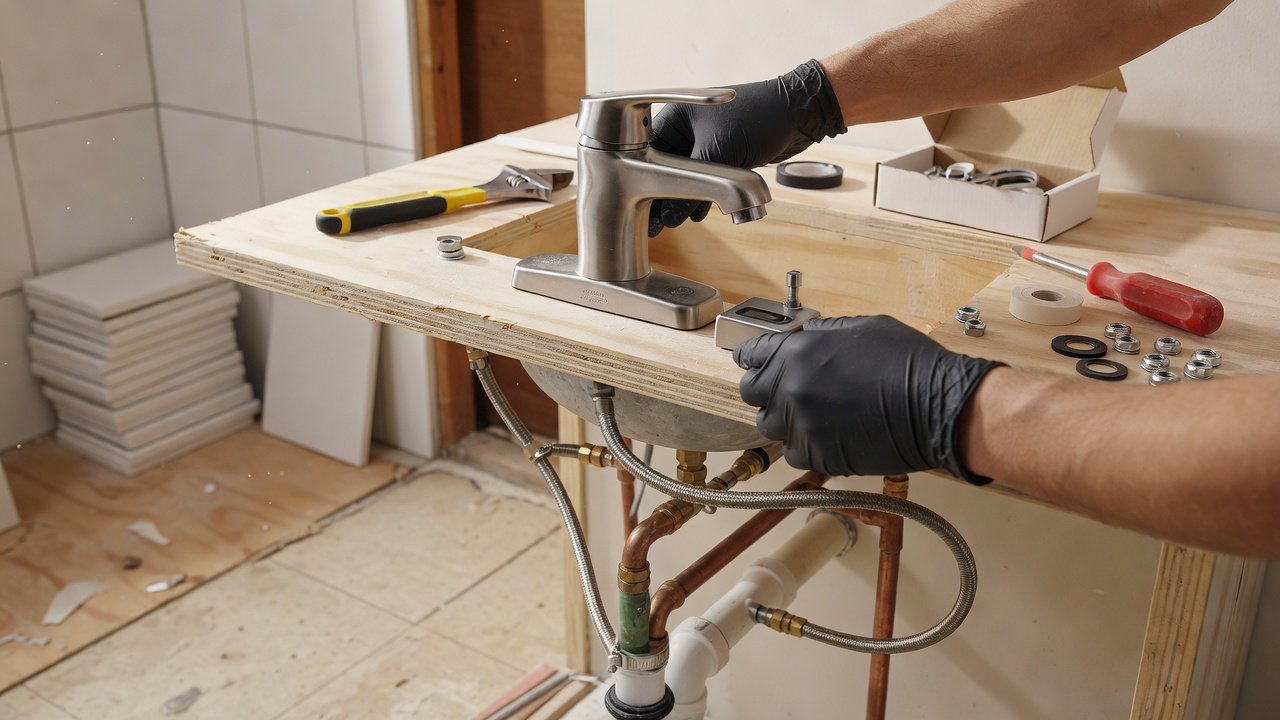
Step-by-Step Installation Tips for Beginners
- Assess your current plumbing layout and shut off main water valves to avoid leaks during the process.
- Choose fixtures with standard connections for easy swaps, ensuring they match your existing pipe sizes.
- Install sensors according to manufacturer guidelines, typically 4-8 inches from the activation point, and calibrate them for accurate detection.
- Connect power sources, preferring hardwired for reliability in permanent remodels or battery backups for flexibility.
- Test all functions thoroughly before sealing any access panels, including multiple activation cycles to confirm responsiveness.
- Consult a plumber if dealing with older pipes to avoid leaks and ensure proper venting.
- Document the installation with photos for future maintenance references or warranty claims.
Professionals recommend starting with one fixture to build confidence before full integration. Always wear protective gear and work in a well-ventilated area when handling plumbing components.
Real-World Examples and Cost Comparisons
Many homeowners report successful upgrades in compact urban apartments where space is limited. One case involved retrofitting a 1970s bathroom with touchless elements, resulting in a sleek, contemporary look that matched broader renovation ideas. Another example comes from a multi-generational household that installed automatic toilets and motion lighting, noting improved accessibility for elderly family members.
While touchless fixtures often carry a higher upfront investment than traditional ones, they deliver long-term savings through reduced water usage and lower maintenance. Qualitative comparisons show touchless options excel in hygiene-focused households, with fewer replacements needed due to durable sensor technology. In contrast, traditional fixtures may require more frequent part replacements but offer simpler initial setups for budget-conscious remodels.
Mistakes to Avoid During Installation
- Skipping compatibility checks with existing plumbing, which can lead to leaks or improper function.
- Overlooking sensor calibration, resulting in constant on-off cycling or missed activations.
- Ignoring local building codes for electrical components in wet areas.
- Choosing low-quality sensors that fail prematurely in humid bathroom environments.
FAQ: Compatibility with Existing Plumbing
Will touchless fixtures work with old plumbing?
Yes, most modern sensor faucets and toilets are designed with adapters for standard 1/2-inch or 3/8-inch connections common in older homes. Always verify thread sizes before purchase and consider professional assessment for very aged systems.
Do I need electrical wiring for these upgrades?
Battery-powered options eliminate the need for wiring, making them suitable for quick bathroom remodeling projects. Hardwired versions provide consistent performance but may require an electrician for safe integration.
How do I handle water pressure issues?
Install pressure regulators if your home's supply varies. Touchless sensors are generally robust but benefit from steady flow rates that prevent erratic performance.
Are these systems easy to maintain?
Yes, with periodic sensor cleaning and battery checks. Many models include self-diagnostic features that alert users to potential issues early.
What about warranty and support?
Reputable brands offer multi-year warranties covering both parts and labor. Register products promptly after installation to ensure coverage.
Maintenance and Longevity Considerations
Regular maintenance extends the life of touchless fixtures significantly. Clean sensors monthly with a soft cloth and mild solution to remove buildup. For toilets, schedule annual inspections of flush mechanisms. These practices align with sustainable renovation ideas by minimizing waste and replacement frequency. Over time, homeowners find that the initial learning curve pays off through consistent reliability and modern convenience.
Conclusion
Integrating touchless bathroom tech elevates any remodeling project with practical hygiene benefits and contemporary style. By following the selection and installation guidance above, homeowners can achieve seamless results that stand the test of time. For further authoritative insights on water-efficient fixtures, explore resources from the EPA and the WHO.
No comments yet. Be the first!