 Fixated on Home
Introduction to Feng Shui in Modern Bathroom Remodeling
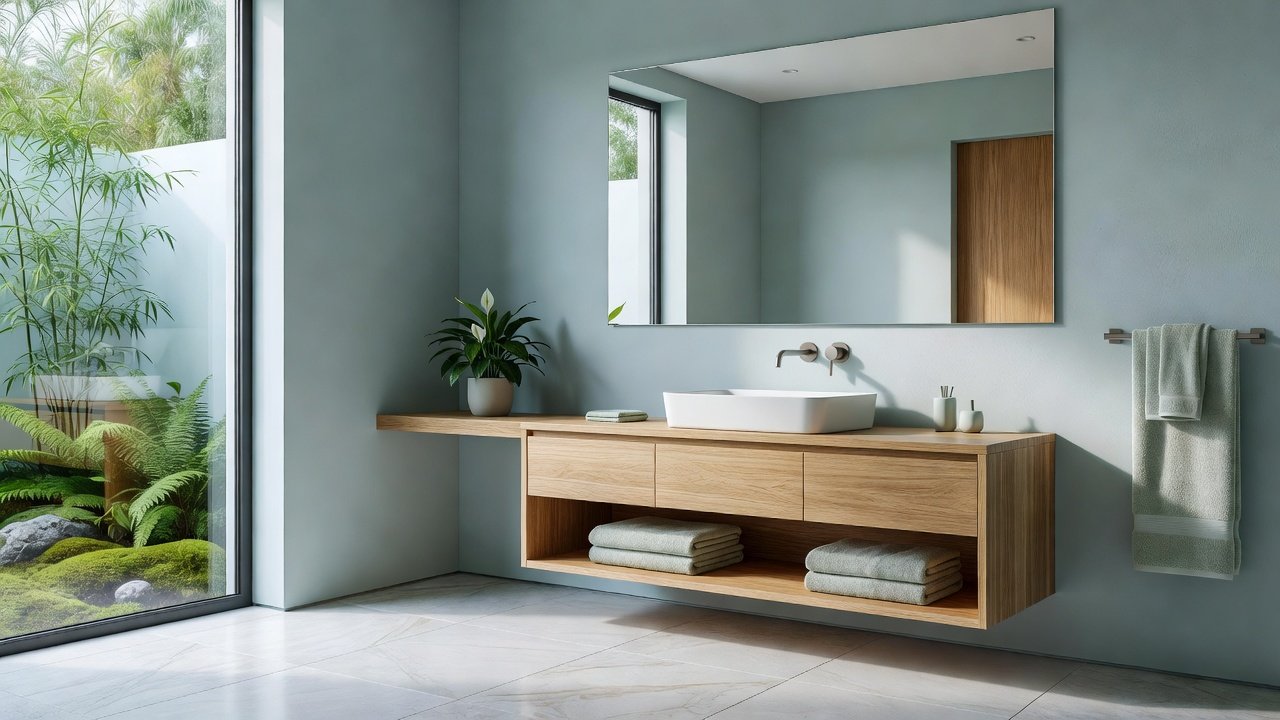
Applying Feng Shui to bathroom remodeling projects in 2026 helps homeowners create spaces that support positive energy flow while blending traditional wisdom with contemporary design trends. This ancient Chinese practice emphasizes harmony between the five elements—wood, fire, earth, metal, and water—to promote overall wellness. Bathrooms present unique challenges because they are associated with water, which can either enhance or drain chi if not managed properly. Homeowners seeking balanced home decor will find that strategic updates improve both aesthetics and the energetic quality of their living spaces. In today's fast-paced world, integrating these principles transforms a functional room into a sanctuary that supports mental clarity and physical health.
Understanding Chi Flow and Bathroom Challenges
Chi, or life force energy, moves through homes in specific patterns influenced by layout, light, and materials. In bathrooms, water features can strengthen chi when positioned thoughtfully but may lead to energy drain if the layout allows it to escape quickly through open doors or poor ventilation. In 2026 remodels, focus on preventing stagnation by ensuring good ventilation and avoiding direct alignment of the toilet with the door. This setup maintains a steady flow that supports physical and emotional health throughout the household. Additional factors include mirror placement to avoid reflecting negative energy outward and the importance of keeping drains covered when not in use to retain vital energy.
Optimal Fixture Placement to Preserve Energy
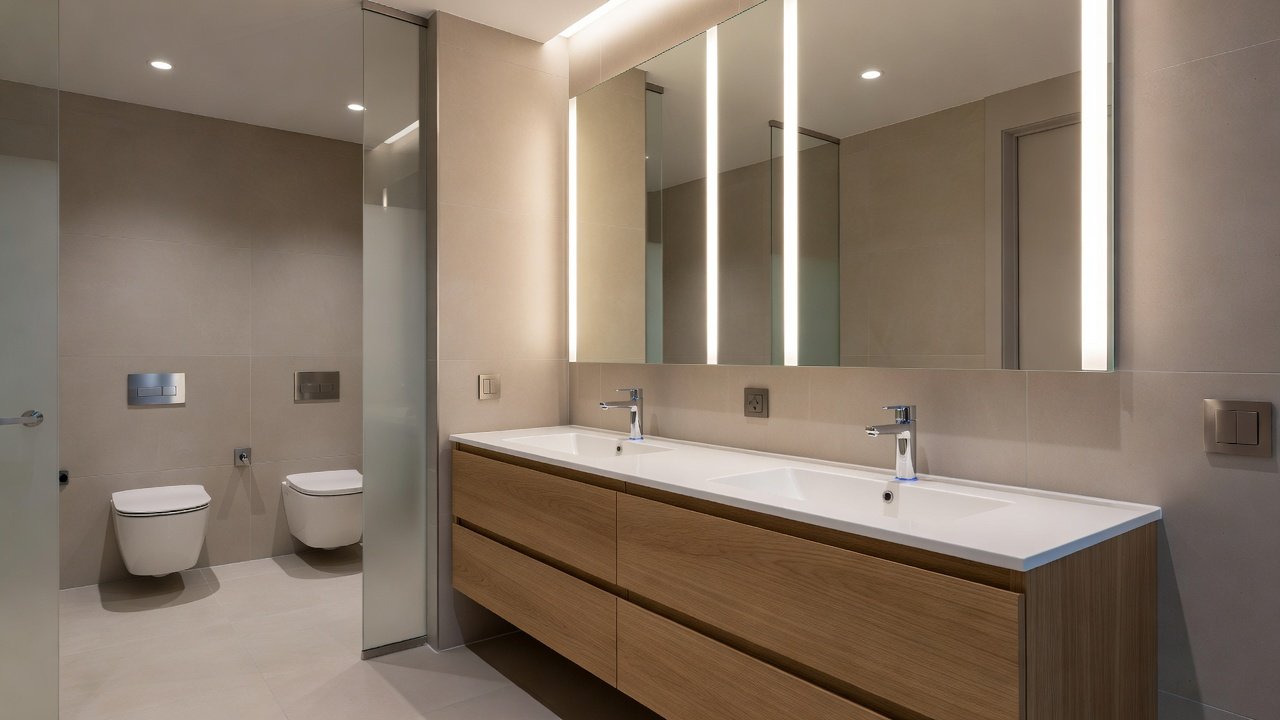
Thoughtful placement of sinks, toilets, and showers forms the foundation of a Feng Shui bathroom. Position the toilet away from the main entrance to minimize energy loss, and place the sink so users face a pleasant view rather than a blank wall. Showers benefit from enclosed designs that contain water energy. These adjustments create a more supportive environment compared to standard layouts that prioritize only plumbing convenience. For example, in a typical 2026 project, moving the vanity opposite the window allows natural light to activate chi while maintaining privacy through strategic frosted glass panels.
Incorporating Natural Elements for Balance
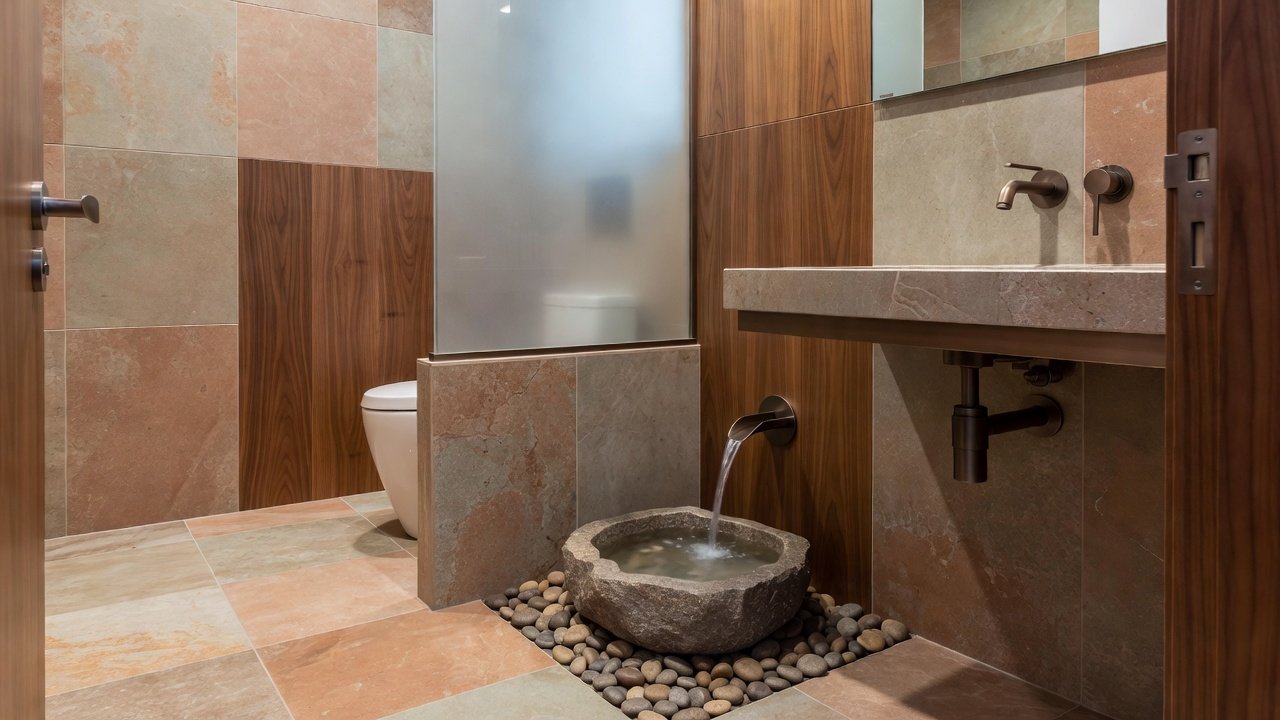
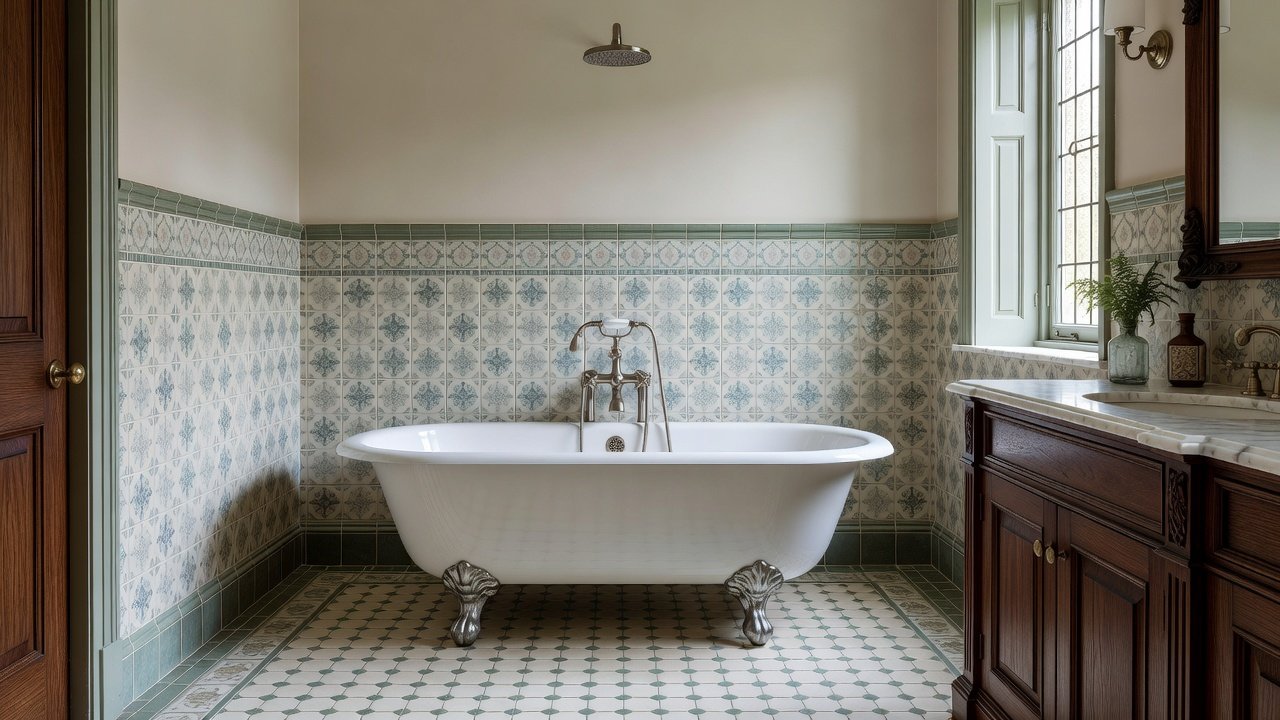
Balancing the five elements brings depth to any remodel. Wood accents like bamboo shelving or teak vanities ground the dominant water element, while metal fixtures add clarity. Earth tones in tiles provide stability, and subtle fire representations through warm lighting prevent excess coolness. Water features remain central but should include natural stone surrounds for harmony. Practical applications include selecting reclaimed wood for cabinetry to introduce organic textures and using ceramic planters with live greenery to enhance the wood element without overwhelming the space.
Color Schemes That Enhance Positive Chi
Soft blues and greens promote calm and renewal in line with water energy. Accents of warm neutrals and metallics introduce earth and metal qualities for balance. Avoid overly dark palettes that can trap negative energy. These choices align with current trends favoring serene, nature-inspired interiors in 2026. Consider layering colors through accessories such as towels and rugs to allow easy updates as personal energy needs evolve over time.
Step-by-Step Layout Examples
- Assess the existing floor plan and note door and window positions to identify potential chi blockages.
- Map the five elements to each zone using a Bagua diagram adapted for the bathroom, assigning water to the north sector and wood to the east.
- Relocate fixtures if possible to optimize flow, starting with the toilet and ensuring it does not face the door directly.
- Introduce natural materials through cabinetry and countertops while incorporating at least one living plant for ongoing energy activation.
- Test the final arrangement for comfort and visual appeal before final installation, making adjustments based on how the space feels during daily use.
Comparing Feng Shui Remodels to Standard Approaches
Standard bathroom renovations often focus solely on functionality and trends, while Feng Shui versions integrate energy principles from the start. The result is a space that feels more restorative and supports long-term wellness rather than just meeting immediate practical needs. Homeowners report greater satisfaction with daily routines when element balance is prioritized, leading to reduced stress and improved overall home harmony.
Real-World Case Studies
One homeowner in a suburban setting transformed a cramped bathroom by adding a wood vanity and repositioning the shower opposite the door. The updated space now feels expansive and calming, with family members noting better morning energy levels. Another project incorporated a small indoor water element with proper drainage and stone accents, resulting in improved daily routines and a noticeable sense of balance. A third example involved a city apartment where mirror adjustments and soft lighting corrected energy reflection issues, creating a spa-like retreat that enhanced the entire living area's atmosphere.
Common Mistakes to Avoid in Feng Shui Bathroom Remodels
- Placing the toilet directly in line with the entrance, which allows chi to flow out too rapidly.
- Overusing dark colors without balancing earth or wood tones, leading to stagnant energy.
- Ignoring ventilation needs, which can cause moisture buildup and energetic heaviness.
- Positioning mirrors to reflect the toilet, amplifying negative associations with waste.
Integrating 2026 Design Trends with Feng Shui Principles
Current trends emphasize sustainability and smart technology. Pairing these with Feng Shui means selecting low-flow fixtures that conserve water energy while adding automated lighting that mimics natural cycles. This fusion creates bathrooms that are both eco-conscious and energetically supportive, appealing to modern homeowners focused on holistic living.
Implementation Considerations and Benefits
Successful projects combine professional design input with personal intention. Benefits include better sleep quality for household members, reduced stress, and a home environment that feels more cohesive overall. Explore resources from Houzz for inspiration and ArchDaily for architectural insights into harmonious spaces. Additional guidance is available at This Old House for practical remodeling tips aligned with timeless principles.
Frequently Asked Questions
How long does a Feng Shui bathroom remodel typically take?
Most projects align with standard renovation timelines but may require extra planning for element placement, often extending the design phase by two to four weeks.
What maintenance supports ongoing energy balance?
Regular cleaning, fresh plants, and periodic decluttering help sustain positive chi while preventing buildup of stagnant energy.
Can existing bathrooms be adapted without full demolition?
Yes, many principles apply through accessory changes, mirror repositioning, and minor fixture adjustments that require minimal construction.
Are there specific plants recommended for bathroom Feng Shui?
Peace lilies, bamboo, and pothos thrive in humid environments and actively support the wood element for enhanced vitality.
Conclusion
Integrating Feng Shui into 2026 bathroom remodeling creates lasting value by fostering balance and wellness. By focusing on energy flow, elements, and thoughtful design, homeowners achieve interiors that nurture both body and spirit while reflecting modern aesthetics and supporting a harmonious lifestyle for years to come.
No comments yet. Be the first!