 Fixated on Home
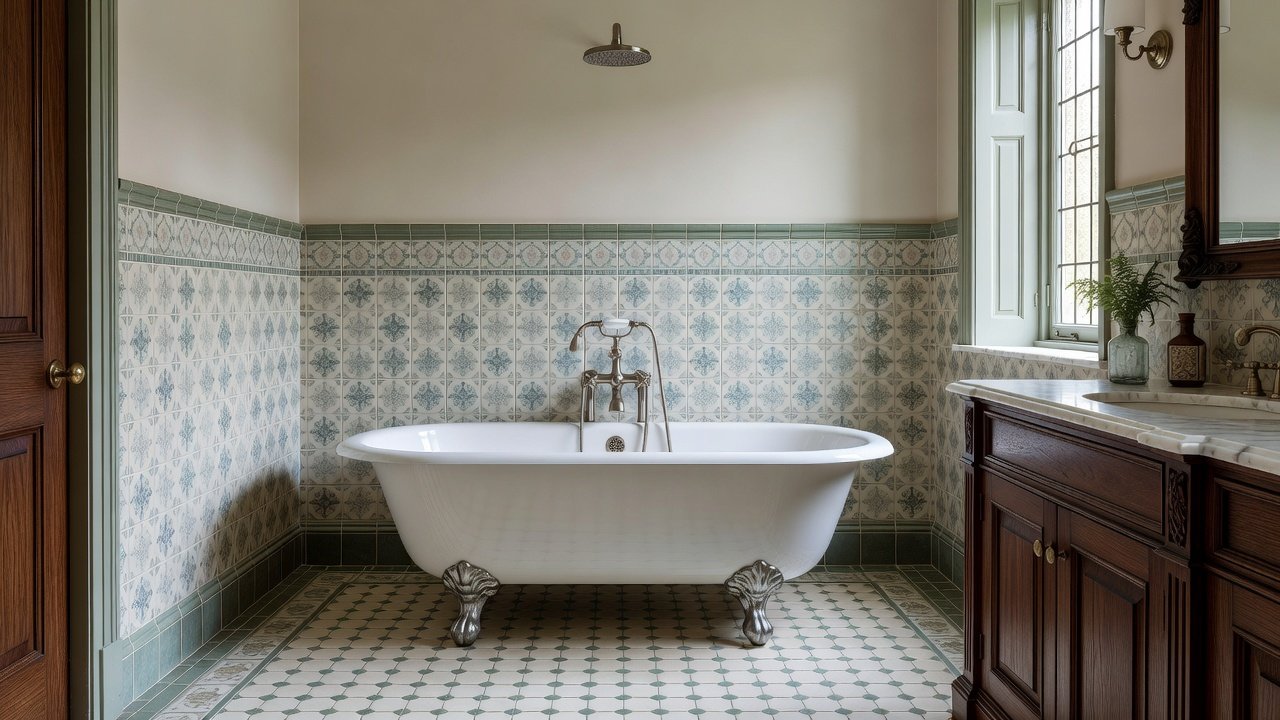
Preserving Heritage While Embracing 2026 Trends in Historic Bathrooms
Historic homes often feature bathrooms with unique character, from intricate tilework to vintage fixtures. In 2026, successful remodeling blends these elements with contemporary upgrades for comfort and efficiency. Homeowners can maintain the soul of their property while meeting modern needs like water conservation and smart controls. This approach requires careful planning to avoid common pitfalls that strip away architectural value. Understanding the home's construction era helps guide every decision from fixture selection to layout adjustments. Many owners discover that thoughtful updates actually increase property value by highlighting original craftsmanship rather than hiding it behind generic modern finishes.
Start by evaluating your home's age and style. Victorian, Craftsman, or mid-century properties each demand tailored approaches. Assessing original features ensures renovations respect the architecture rather than erase it. Professional consultations early in the process often reveal hidden details worth preserving, such as original plasterwork or leaded glass accents that might otherwise be overlooked during rushed renovations.
Assessing Original Features: Tilework, Fixtures, and More
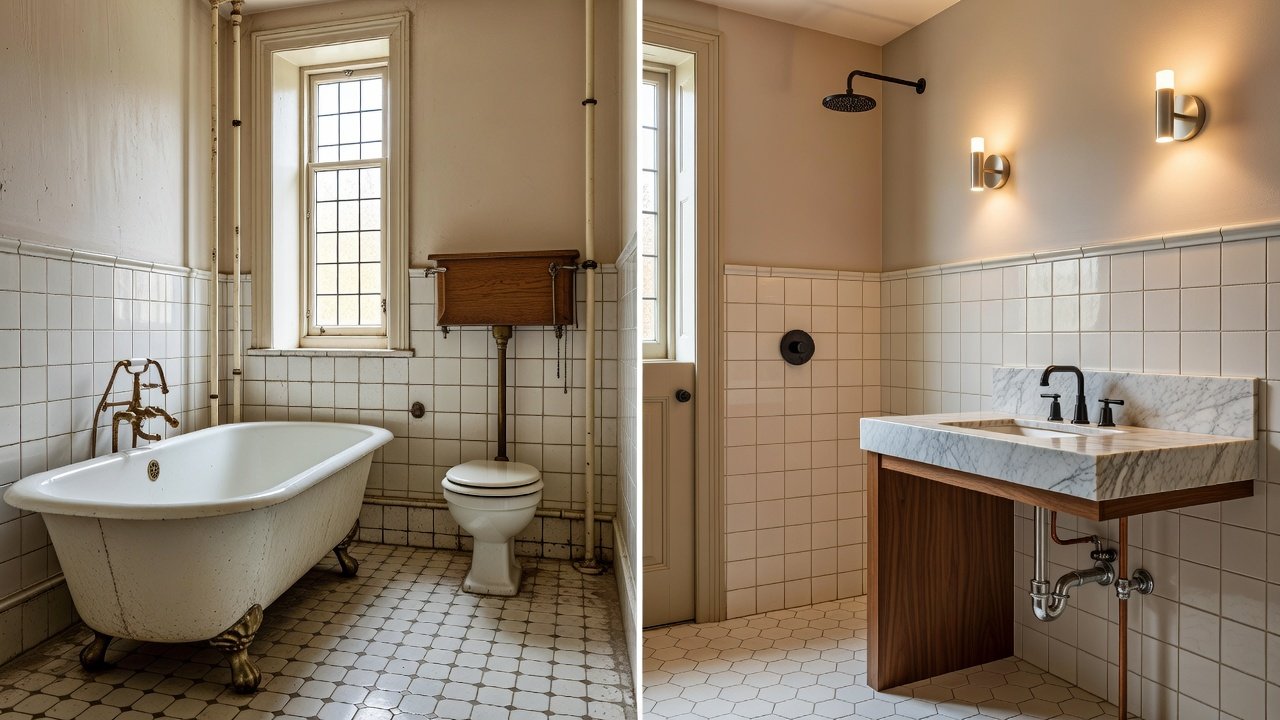
Begin every project with a thorough inspection. Document clawfoot tubs, pedestal sinks, subway tiles, and ornate hardware. Note wear patterns and structural integrity. Professional restorers can often repair rather than replace, saving both history and expense. Use a systematic checklist that includes measuring dimensions, testing plumbing functionality, and photographing every angle under consistent lighting. This documentation proves invaluable when matching replacement parts or submitting plans to review boards. Pay special attention to subfloor conditions beneath old tiles, as moisture damage frequently hides in these areas and requires remediation before new surfaces are installed.
Photograph every detail before demolition. This record helps match new materials to old ones and supports permit applications. Many historic districts require such documentation to approve changes. Consider creating a digital archive with timestamps and annotations that can be shared with contractors and preservation specialists. Involving an architect experienced in historic properties during this phase prevents irreversible mistakes and ensures compliance with local guidelines from the outset.
Selecting Compatible Materials for Authentic Renovations
Choose materials that echo the original era yet perform to 2026 standards. For floors, consider reclaimed hex tiles or porcelain replicas that withstand moisture. Walls benefit from period-appropriate wainscoting paired with modern moisture-resistant drywall. When sourcing tile, examine color variations and grout lines to achieve an authentic aged appearance rather than a uniform new look. Hardware finishes such as brushed nickel or oil-rubbed bronze often complement older brass elements when chosen with care.
Fixtures should combine vintage aesthetics with low-flow technology. Look for reproduction faucets certified for efficiency. Lighting upgrades include LED versions styled like Edison bulbs for warm, energy-saving illumination. Explore salvage yards for original pieces that can be refurbished, or invest in high-quality replicas designed specifically for historic applications. Always test material samples in the actual space under different lighting conditions before committing to large purchases.
National Park Service guidelines emphasize reversible changes that protect historic integrity.
Integrating Modern Functionality Without Losing Character
Modern upgrades focus on comfort and sustainability. Install underfloor heating beneath historic tile to eliminate cold mornings. Add concealed storage solutions that hide behind original cabinetry fronts. Ventilation systems can be upgraded with quiet, high-efficiency fans that operate automatically based on humidity levels. These improvements enhance livability while remaining visually discreet.
Smart features like app-controlled showers and humidity sensors fit seamlessly when hidden in period-appropriate enclosures. These additions enhance daily life while remaining invisible to the casual observer. Water recycling systems and instant hot water recirculation lines represent 2026 innovations that reduce waste without altering the room's aesthetic. Always route new wiring and piping through existing chases whenever possible to minimize wall openings.
Case Study Examples of Successful Vintage-Modern Blends
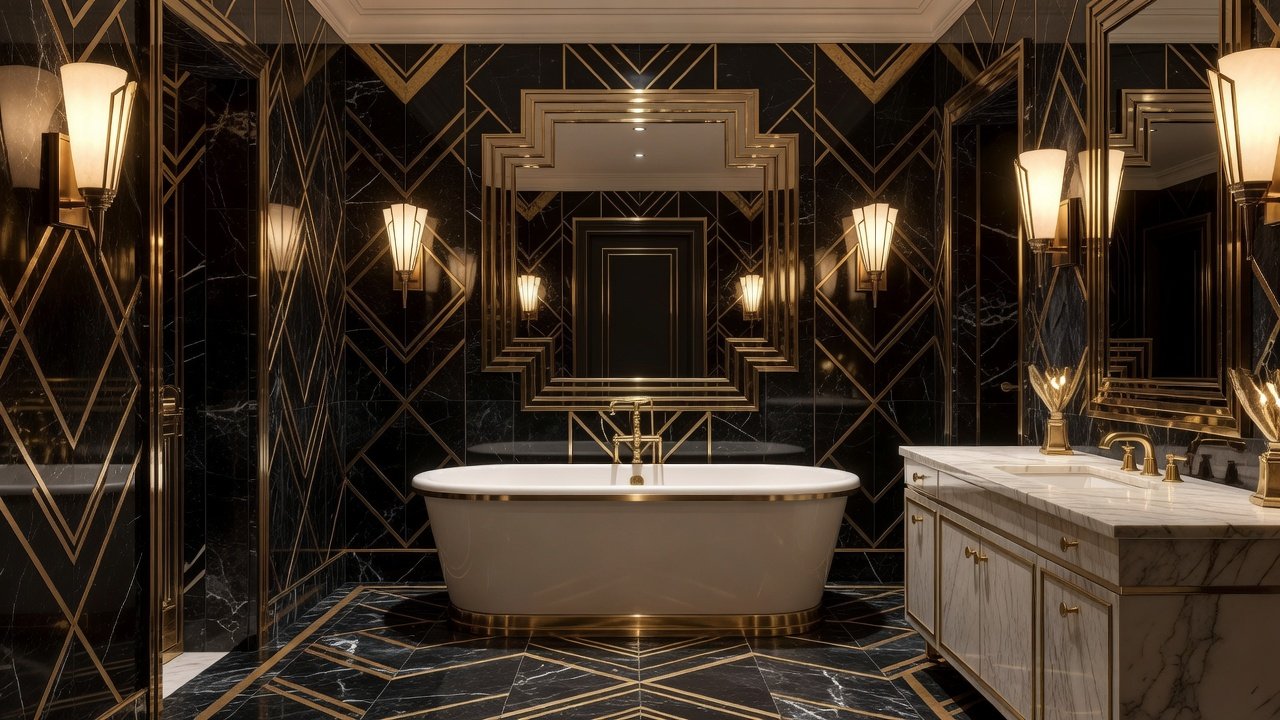
One 1920s bungalow renovation retained original black-and-white tile floors and a clawfoot tub while adding a rainfall showerhead and heated towel racks. The result earned local historic society recognition. Another project in a 1905 Queen Anne home paired restored pedestal sinks with a floating vanity featuring hidden charging ports. Period lighting was rewired for LED bulbs, cutting energy use dramatically. A third example involved a 1930s Art Deco bathroom where geometric tiles were preserved and supplemented with a concealed smart mirror that displays weather and calendar information.
USA.gov resources provide overviews of federal and state preservation incentives that may offset costs.
Period-Appropriate Options vs. Innovative 2026 Alternatives
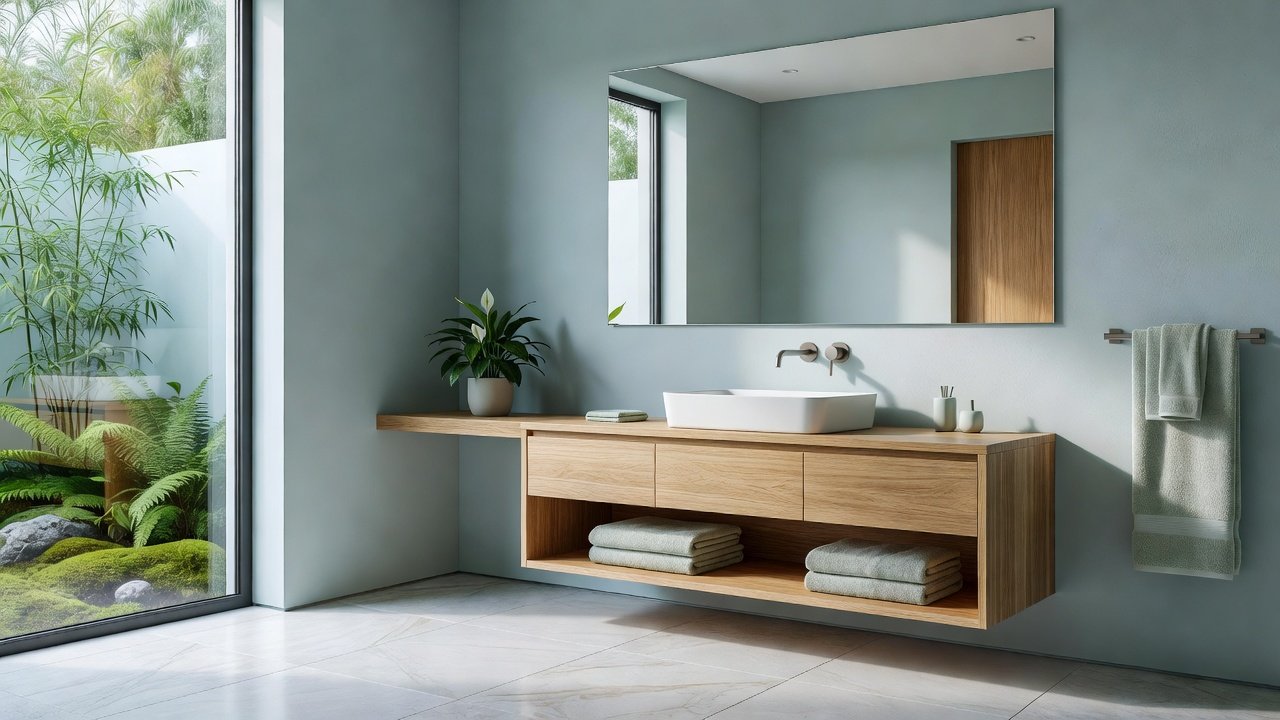
- Traditional: Marble vanities with integrated sinks versus floating quartz with vessel bowls that offer easier cleaning.
- Traditional: Cast-iron tubs versus lightweight acrylic soaking tubs with modern jets and better insulation.
- Traditional: Pull-chain toilets versus dual-flush high-efficiency models in vintage housings that conserve water.
Compare durability, maintenance, and visual impact before deciding. Many innovative options now mimic historic looks closely enough to satisfy preservation boards. Test both approaches in person at showrooms to understand tactile differences and long-term performance expectations.
Navigating Permits and Historic District Requirements
Most historic neighborhoods mandate review boards. Submit detailed plans showing existing conditions and proposed changes. Include material samples and elevations. Early consultation prevents costly revisions. Local codes may require licensed contractors for plumbing and electrical work. Factor in review timelines, which can stretch several weeks. Prepare alternative proposals in case initial designs face objections, and maintain open communication with board members throughout the approval process.
Practical Steps for Your 2026 Historic Bathroom Project
- Consult a historic preservation specialist for an initial assessment and written report.
- Create a mood board mixing original photos with 2026 trend images from reputable design publications.
- Source reclaimed materials from architectural salvage yards and verify their provenance.
- Plan phased work to minimize disruption to daily routines and allow for unexpected discoveries.
- Schedule final inspections and obtain certificates of appropriateness before finalizing payments.
Common Mistakes to Avoid
Over-modernizing by installing stark contemporary elements that clash with the home's era. Ignoring ventilation needs, which leads to mold behind new finishes. Skipping moisture barriers under period-style flooring. Failing to match grout colors precisely or using modern caulk in visible historic joints can ruin the overall effect. Always work with tradespeople who have prior experience in historic properties to avoid these issues.
Frequently Asked Questions
How do I balance budget considerations with historic accuracy?
Prioritize visible historic elements and use modern alternatives in less prominent areas. Many owners allocate more to key fixtures while economizing on hidden infrastructure. Phased implementation over multiple years allows spreading expenses while maintaining quality.
What 2026 trends work best in vintage bathrooms?
Matte black hardware, warm neutrals, and sustainable materials like recycled glass tiles pair well with older architecture. Incorporating natural stone accents and textured wallpapers in period patterns adds depth without overwhelming original features.
Can I add smart home features?
Yes, when discreetly integrated. Voice-controlled lighting and leak-detection systems enhance functionality without visual disruption. Wireless sensors that blend into existing decor prove especially useful in sensitive historic settings.
How long does a typical project take?
Most historic bathroom remodels require 6–12 weeks, depending on permit reviews and material lead times. Complex restorations involving custom millwork may extend to 16 weeks or more.
Maintenance and Long-Term Care for Lasting Results
Once complete, establish a regular maintenance routine that protects both original and new elements. Use gentle, non-abrasive cleaners on historic tile and fixtures. Schedule annual inspections of plumbing connections and sealant integrity. Proper care ensures the bathroom continues to showcase its heritage while functioning reliably for decades to come.
No comments yet. Be the first!