 Fixated on Home
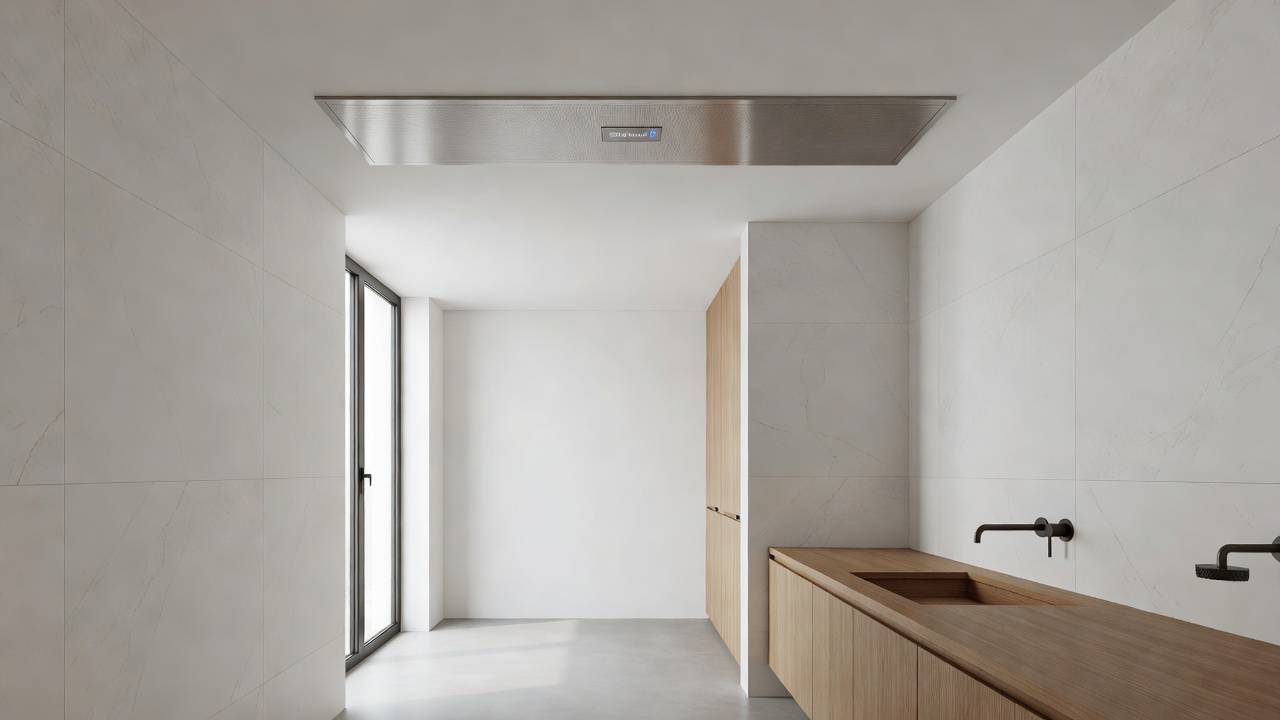
Why Ventilation Upgrades Matter in 2026 Bathroom Remodels
Bathroom remodeling projects in 2026 increasingly prioritize ventilation as a core interior upgrade. Proper airflow improves air quality, reduces moisture buildup, and supports long-term home decor longevity by preventing damage to walls, ceilings, and fixtures. Homeowners searching for practical, non-obvious improvements during renovations often overlook ventilation until persistent mold or lingering odors force attention. Modern systems extend far beyond basic fans by incorporating energy-efficient motors and intelligent controls that sync with broader renovation ideas focused on sustainability and comfort.
Upgrading ventilation now positions bathrooms to meet evolving expectations for health and efficiency. Excess humidity accelerates wear on paint, grout, and cabinetry, while poor airflow allows volatile organic compounds from cleaning products to linger. Thoughtful upgrades address these issues at the source, creating spaces that feel fresher and require less frequent cosmetic refreshes over the coming decade.
Types of Exhaust Systems for Modern Bathrooms
Selecting an exhaust system requires matching performance characteristics to bathroom layout and usage. Inline fans deliver powerful, quiet extraction through remote duct runs, making them ideal for multi-room setups or larger master baths. Ceiling-mounted units provide straightforward installation in standard single-story homes and integrate cleanly with most ceiling finishes. Wall-mounted options suit compact powder rooms where ceiling access proves difficult.
Energy-efficient models equipped with brushless DC motors maintain high cubic-feet-per-minute ratings while drawing significantly less electricity than older AC units. Homeowners can choose between intermittent-use fans for quick steam removal and continuous-run models that provide steady background ventilation in high-traffic households. Each configuration influences both immediate comfort and long-term operating expenses, so matching fan capacity to room volume remains essential.
Smart Humidity Sensors and Automation Features
Smart humidity sensors have become standard in 2026 bathroom upgrades because they eliminate guesswork around fan operation. These sensors continuously monitor moisture levels and trigger the exhaust system only when thresholds are exceeded, preventing unnecessary runtime. Integration with major smart-home ecosystems enables scheduling, voice commands, and notifications when humidity remains elevated beyond normal ranges.
Additional features such as occupancy detection, adjustable timers, and integrated air-quality monitors further refine performance. In practice, these systems respond within seconds of a shower starting, rapidly clearing steam before it condenses on mirrors or tile. Real-home installations demonstrate fewer instances of peeling paint and reduced need for dehumidifiers during humid seasons.
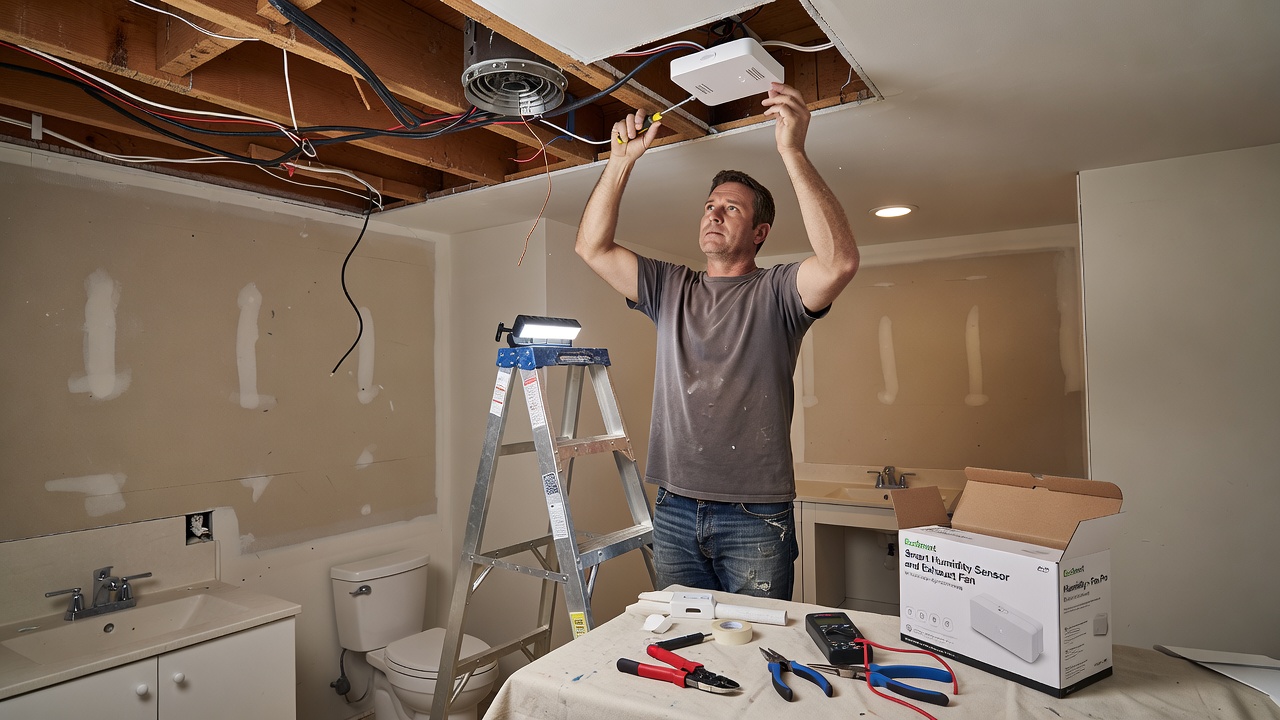
Step-by-Step Installation Guide
Proper installation maximizes the effectiveness of any ventilation upgrade. Begin with a thorough assessment of existing ductwork, electrical service, and roof or wall penetration points. Measure the bathroom volume to determine the required airflow rate, targeting eight to ten complete air changes per hour for optimal moisture control.
- Turn off power at the breaker and verify zero voltage at the existing fixture.
- Remove the old fan housing and inspect the duct run for obstructions or inadequate sealing.
- Upgrade ducting if necessary, using smooth, insulated rigid duct that terminates outdoors with a proper backdraft damper.
- Position the new fan housing between joists, ensuring adequate clearance for the motor and electronics.
- Make electrical connections following local codes, incorporating the smart sensor wiring where applicable.
- Seal all joints with mastic or approved tape to eliminate air leaks that reduce efficiency.
- Reinstall insulation around the unit to prevent condensation within the attic space.
- Attach the grille and decorative trim, then restore power and test both manual and automatic modes.
- Verify outdoor termination remains unobstructed and confirm airflow with a handheld anemometer if available.
While experienced DIYers can handle straightforward replacements, projects involving new roof penetrations or complex electrical work benefit from licensed professionals to maintain warranty coverage and code compliance.
Cost-Benefit Analysis and Long-Term Value
Investing in upgraded ventilation produces returns through lower energy consumption, fewer moisture-related repairs, and enhanced property appeal. Energy-efficient motors reduce continuous draw compared with legacy units, while smart controls limit runtime to actual demand. These savings accumulate steadily, offsetting the initial outlay within several years of typical household use.
Additional value arises from mold prevention and preserved finishes. By keeping relative humidity below critical thresholds, upgraded systems protect tile, drywall, and woodwork that would otherwise require premature replacement. The overall effect supports higher resale value because buyers increasingly seek homes with documented indoor-air-quality improvements.
Mold Prevention and Air Quality Benefits
Moisture control directly combats mold growth, a leading cause of bathroom deterioration. The Environmental Protection Agency identifies proper mechanical ventilation as one of the most reliable residential strategies for limiting mold. Rapid removal of humid air keeps surfaces dry, interrupting the biological conditions mold requires to colonize.
Beyond mold, effective ventilation reduces concentrations of airborne irritants and odors. The Centers for Disease Control and Prevention notes that improved indoor air quality correlates with fewer respiratory complaints in homes. Families with allergies or asthma often notice measurable comfort gains after completing a targeted ventilation upgrade.
Real-Home Examples and Design Integration
One suburban renovation incorporated a smart inline fan with dual humidity and VOC sensors into a spa-inspired master bath. The unit operated silently behind a custom grille that matched the new marble tile, preserving the clean aesthetic while maintaining humidity below 50 percent during extended showers. Another project in an older urban home replaced a noisy ceiling fan with a high-capacity energy-recovery ventilator that also preconditioned incoming air, improving winter comfort without additional heating costs.
Successful design integration involves selecting finishes and grille styles that complement surrounding materials. Neutral metal or matte-white options blend with both contemporary and transitional palettes, ensuring the ventilation system supports rather than competes with evolving decor choices over time.
Common Mistakes to Avoid
Many homeowners underestimate required airflow or reuse undersized ductwork, resulting in inadequate moisture removal. Others neglect to seal joints properly, allowing conditioned air to leak into attics. Skipping the backdraft damper permits cold air infiltration during winter, while ignoring manufacturer clearance requirements can void warranties. Planning for future maintenance access during initial layout prevents costly disassembly later.
Maintenance Tips for Lasting Performance
Routine care preserves system efficiency. Wipe grille surfaces monthly to remove dust buildup that restricts airflow. Inspect duct terminations seasonally for debris or nesting animals. Replace or clean filters in smart units according to the schedule provided by the manufacturer. Annual professional inspection of motor bearings and electrical connections helps identify wear before performance declines noticeably.
Frequently Asked Questions
How do I determine the correct fan capacity for my bathroom?
Calculate room volume in cubic feet and multiply by eight to ten to find the target airflow rate in cubic feet per minute. Larger or heavily used bathrooms may require higher ratings or multiple units.
Do smart sensors justify the added expense?
Most households experience noticeable reductions in energy use and maintenance issues, making the convenience and efficiency gains worthwhile for long-term ownership.
Can ventilation upgrades be completed without major construction?
Simple fan swaps often require only basic tools, but new duct runs or roof penetrations usually involve professional coordination to maintain structural integrity and code compliance.
What maintenance schedule keeps systems operating optimally?
Monthly grille cleaning, quarterly filter checks, and an annual professional review of ductwork and motor condition represent a practical routine for most installations.
How does ventilation affect overall home energy performance?
Properly sized and sealed systems remove moisture without exhausting excessive conditioned air, supporting rather than undermining whole-house efficiency goals promoted by the U.S. Department of Energy.

No comments yet. Be the first!