 Fixated on Home
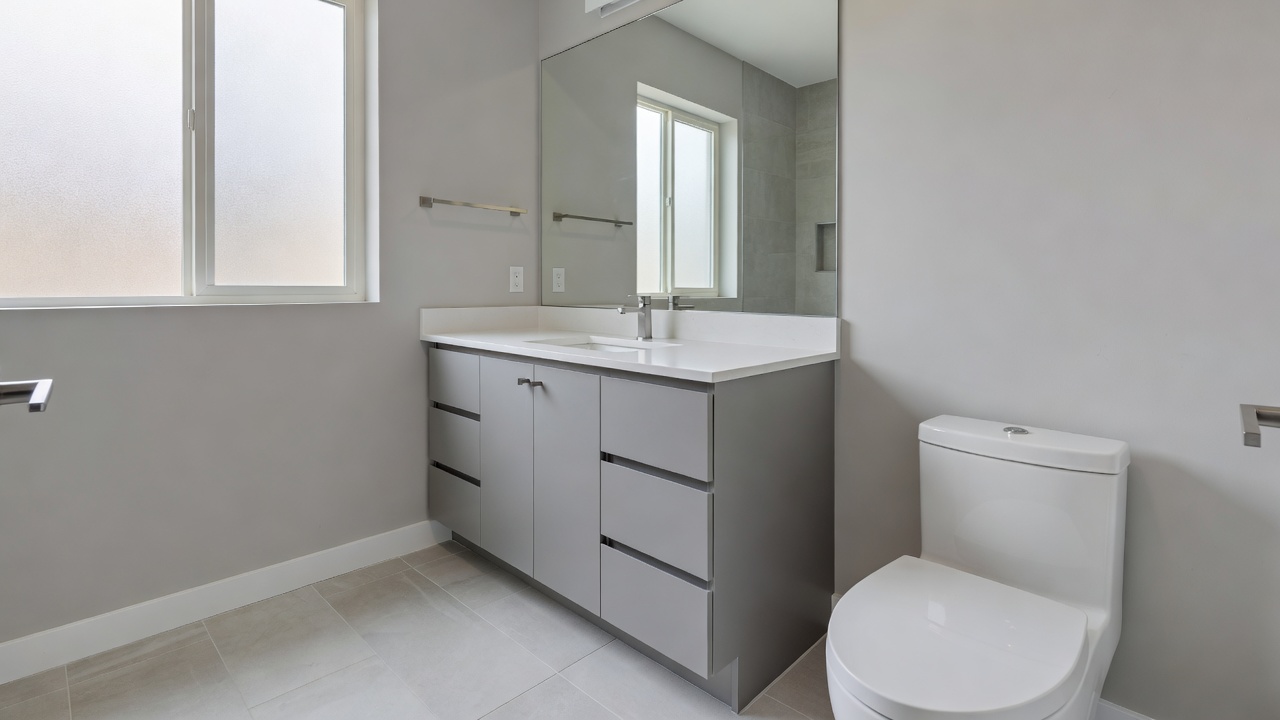
Introduction to 2026 Bathroom Remodeling for Rentals
Landlords and property investors in 2026 face increasing competition in the rental market, making strategic bathroom upgrades essential for attracting quality tenants and maintaining property value. This guide focuses on cost-effective renovations that prioritize durability, tenant satisfaction, and long-term returns without overspending. By balancing modern functionality with timeless design, property owners can enhance appeal while keeping projects manageable. Bathrooms represent high-traffic areas that directly influence tenant decisions, so upgrades here deliver outsized benefits when executed thoughtfully.
Bathroom remodels remain one of the highest-ROI home improvements for rentals, especially when focusing on elements that reduce maintenance calls and appeal to a broad audience. Neutral palettes, efficient fixtures, and easy-clean surfaces help minimize turnover time and repair costs over the years. Investors who approach these projects with a clear strategy often see improved occupancy rates and stronger long-term property performance across their portfolios.
Why Prioritize Bathroom Upgrades in Rental Properties
Tenants often rank bathrooms as a top decision factor when choosing rentals. In 2026, expectations include water-efficient options and low-maintenance designs that withstand heavy use. Upgrades in this area can differentiate your property from competitors still relying on outdated setups. Properties with refreshed bathrooms tend to lease faster because they convey cleanliness, modernity, and reliability from the first showing.
Investing here also supports broader property goals, such as increasing occupancy rates and supporting higher rents through perceived value. Focus on improvements that serve everyday needs while standing up to diverse tenant lifestyles, from families with children to young professionals. Real-world case studies from multi-unit owners demonstrate that targeted bathroom work frequently pays for itself through reduced vacancy periods and fewer emergency repairs.
Selecting Durable, Low-Maintenance Materials
Choosing materials that balance cost and longevity is key. Porcelain tiles for floors and walls resist moisture and stains better than traditional options. Quartz or solid-surface countertops offer resilience without the upkeep of natural stone. For vanities, opt for moisture-resistant MDF or plywood bases paired with laminate finishes. These choices stand up well to daily use in high-turnover rentals where tenants may not treat surfaces gently.
Additional considerations include selecting grout that is epoxy-based for easier cleaning and mold resistance. Floor underlayment with built-in moisture barriers adds another layer of protection against leaks. Property managers who have implemented these material strategies report fewer callbacks for issues like cracked tiles or warped cabinets, preserving both time and resources over multiple lease cycles.
Choosing Low-Maintenance Fixtures
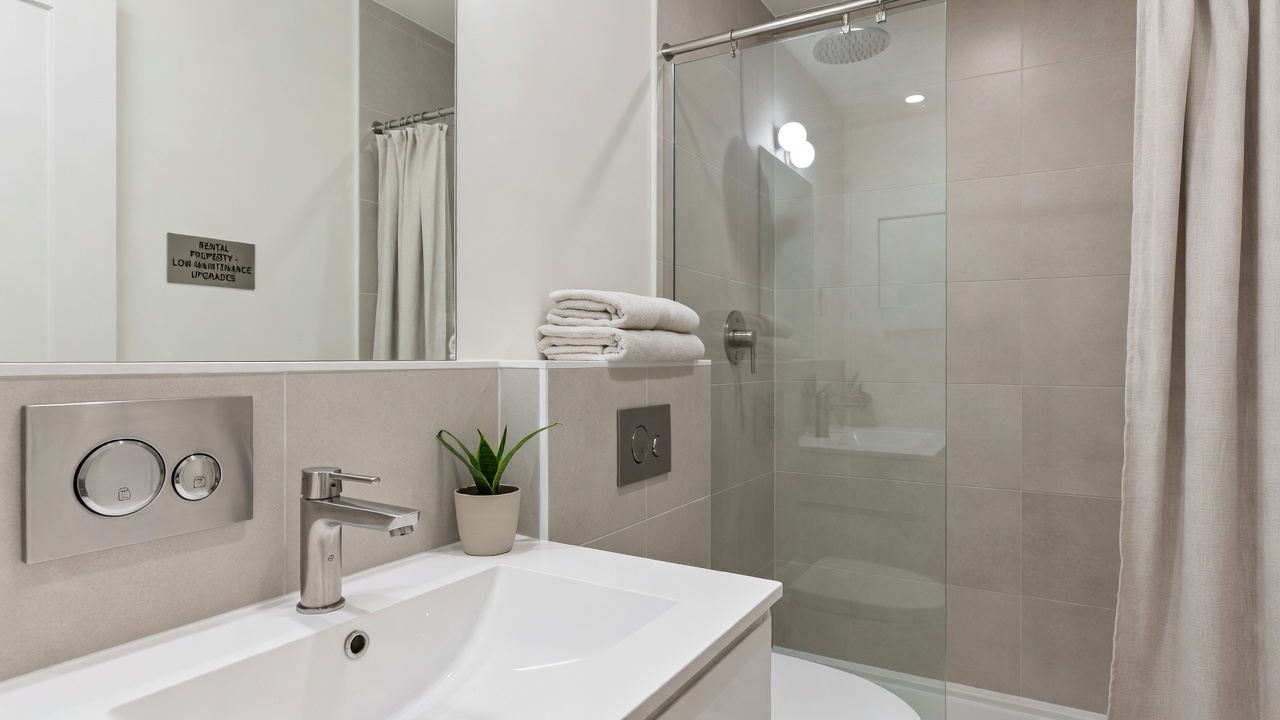
Fixtures should emphasize efficiency and ease of cleaning. Touchless faucets and dual-flush toilets cut down on water usage while simplifying hygiene. Showerheads with removable nozzles prevent buildup, and one-piece toilets minimize grout lines that trap dirt. These selections align with tenant preferences for modern convenience and lower utility costs.
Examples from successful rental portfolios show that swapping to these fixtures often leads to fewer service requests. Pair them with matte black or brushed nickel finishes for a modern yet neutral look that hides fingerprints effectively. When sourcing, prioritize models with accessible replacement parts to streamline future maintenance across multiple properties.
Learn more about water-efficient fixtures from the EPA.
Incorporating Neutral Decor for Broad Tenant Appeal
Neutral home decor elements ensure the space feels welcoming to families, professionals, and couples alike. Soft grays, warm beiges, and crisp whites on walls create a versatile backdrop. Add texture through woven baskets, simple shower curtains, and understated hardware rather than bold patterns. This approach supports quick redecorating between tenants and photographs well for listings.
Avoid trendy colors that may date quickly or require repainting after every lease. Layer in practical storage solutions such as wall-mounted organizers and floating shelves finished in complementary neutrals. Landlords who standardize these decor choices across units find it easier to maintain a consistent brand image that appeals to a wide range of applicants during showings.
Step-by-Step Planning to Minimize Downtime
Effective planning keeps rental income flowing. Start by assessing the current bathroom condition and tenant feedback. Next, create a detailed timeline that sequences demolition, plumbing, tiling, and finishing work. Order materials in advance to avoid delays. Coordinate with suppliers to confirm delivery windows and have contingency plans for minor substitutions.
- Conduct a walkthrough with a contractor or trusted handyman.
- Secure permits if required by local codes.
- Schedule work during low-vacancy periods or coordinate with unit turnover.
- Communicate timelines clearly with current or incoming tenants.
- Inspect work at each phase to catch issues early.
- Prepare temporary facilities or relocation options if the unit remains occupied.
- Document before-and-after conditions for insurance and marketing purposes.
These steps help limit disruptions to one to two weeks in most cases. Thorough documentation also protects against disputes and provides valuable records for future projects.
DIY vs Professional Approaches: Real-World Comparison
DIY suits minor cosmetic updates like painting, replacing fixtures, or installing new hardware when the landlord has basic skills and tools. However, plumbing and electrical work often require licensed professionals to meet code and avoid costly mistakes. Professional hires bring efficiency and warranties, particularly valuable for larger jobs involving tile or vanity installation.
Real-world examples from investor forums highlight that hybrid approaches—handling prep work yourself while outsourcing complex tasks—often yield the best balance of savings and quality. One landlord in a mid-sized market completed three unit refreshes by managing demolition and painting in-house while hiring plumbers for fixture swaps, resulting in faster completion and fewer callbacks than fully DIY attempts.
Explore energy-saving bathroom upgrades via the U.S. Department of Energy.
Common Mistakes to Avoid
Overlooking ventilation leads to persistent moisture problems and tenant complaints. Choosing overly trendy hardware can limit future appeal and increase replacement frequency. Failing to verify material compatibility with existing plumbing creates hidden costs during installation. Always double-check measurements and order extra materials to account for waste or damage during transport.
Calculating ROI for 2026 Projects
Return on investment depends on local market conditions and upgrade quality. Focus on improvements that deliver both immediate tenant satisfaction and lasting durability. Track metrics such as reduced vacancy days and lower maintenance expenses to quantify success. Many landlords report strong payback when upgrades align with current rental trends toward sustainability and convenience. Comparing pre- and post-renovation performance across similar units provides actionable data for scaling successful strategies.
Frequently Asked Questions
How do bathroom upgrades affect tenant retention?
Modern, clean bathrooms encourage longer stays by meeting expectations for comfort and hygiene, reducing turnover costs. Tenants who feel their space is well-maintained are more likely to renew leases.
What common tenant concerns should landlords address?
Tenants often worry about water pressure, mold prevention, and storage. Solutions include upgraded showerheads, proper ventilation, and floating vanities with ample drawer space.
Are there ways to speed up the remodeling process?
Prefabricated shower units and ready-to-assemble vanities can shorten timelines compared to custom builds. Scheduling material deliveries ahead of demolition also prevents idle days.
How should landlords handle tenant complaints during work?
Provide clear written timelines, offer temporary amenities where possible, and maintain open communication channels to address issues promptly and maintain positive relationships.
Conclusion
Thoughtful 2026 bathroom remodeling for rental properties combines durable choices with tenant-focused design. By following the strategies outlined, landlords can create appealing spaces that support strong occupancy and solid returns. Start with a clear plan tailored to your properties for the best outcomes and revisit the approach annually as market conditions evolve.
No comments yet. Be the first!