 Fixated on Home
Introduction to Japandi Bathroom Remodeling
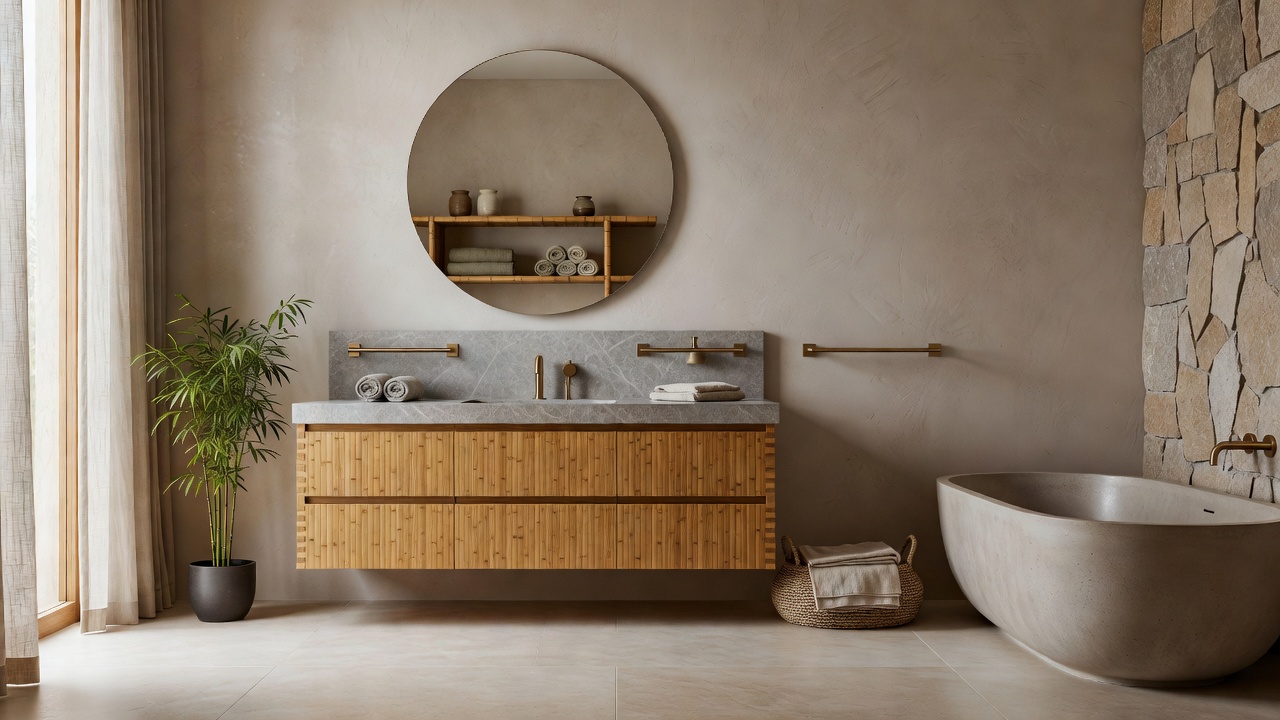
Japandi style merges the clean lines and zen simplicity of Japanese design with the cozy functionality of Scandinavian interiors. For homeowners planning bathroom renovations in 2026, this hybrid approach delivers serene, timeless spaces that prioritize natural elements and practical storage. This guide covers core principles, material choices, layout strategies, and real-world examples to help you achieve a balanced, inviting bathroom remodel. Japandi has gained traction as a leading interior trend because it addresses modern needs for calm amid busy lifestyles while incorporating sustainable practices that align with growing environmental awareness.
Understanding Japandi Core Principles
The foundation of Japandi lies in harmony between minimalism and warmth. Japanese influences emphasize empty space and natural textures, while Scandinavian elements add soft lighting and functional furniture. In a bathroom setting, this means avoiding clutter while ensuring every fixture serves a purpose. Focus on balance: open shelving paired with hidden cabinets creates visual breathing room without sacrificing organization. Additional principles include wabi-sabi acceptance of imperfection in natural materials and hygge comfort through layered textiles like linen towels. These concepts encourage homeowners to select pieces that age beautifully rather than chasing fleeting trends.
Selecting Natural Materials for Authenticity
Choose sustainable options like bamboo, stone, and reclaimed wood to ground the design. Bamboo flooring or vanity accents bring organic texture, while river stone sinks or pebble shower floors add tactile interest. These materials age gracefully and support eco-friendly renovations. For durability in humid environments, opt for treated woods and sealed stones. Compare options such as bamboo versus teak for vanities—bamboo offers faster renewability, while teak provides superior water resistance. Consider cork as an underfloor option for its natural antimicrobial properties and soft underfoot feel. When sourcing, prioritize materials with certifications that verify ethical harvesting to ensure your remodel contributes positively to global sustainability efforts.
Neutral Earth-Tone Palettes
Stick to a restrained color scheme of warm beiges, soft grays, deep taupes, and muted greens. These tones foster calm and make small bathrooms feel larger. Accent with black fixtures or wood tones for subtle contrast. When planning your palette, test samples under bathroom lighting to ensure they maintain serenity throughout the day. Earth tones also pair well with greenery such as potted ferns or hanging plants, enhancing the biophilic connection to nature that defines Japandi aesthetics.
Streamlined Fixtures and Layout Optimization
Install wall-mounted sinks, floating vanities, and rainfall showerheads to maintain clean sightlines. Step-by-step planning starts with measuring your space, then sketching zones for bathing, storage, and drying. Prioritize traffic flow by placing the toilet away from the entry and grouping wet areas together. Real-world transformations often show how removing bulky cabinets opens up floor space dramatically. Begin by assessing existing plumbing locations to minimize costly rerouting. Next, decide on vanity height for ergonomic use, typically 32 to 36 inches. Finally, incorporate niches in shower walls for soap storage to eliminate the need for protruding caddies.
Lighting and Ambiance Considerations
Effective Japandi bathrooms rely on layered lighting that mimics natural conditions. Combine overhead recessed LEDs with wall sconces beside mirrors and a dimmable ambient source. Choose fixtures in matte finishes to reduce glare. Natural light should be maximized through frosted windows or skylights where possible. This approach creates a spa-like atmosphere suitable for relaxation while supporting practical tasks like grooming.
Sourcing Sustainable Elements
Work with suppliers offering FSC-certified woods and low-VOC finishes. Visit IKEA for affordable Japandi-inspired pieces or explore specialty showrooms for custom stonework. Always verify supply chain transparency to align with 2026 sustainability standards. Additional resources include local reclaimed lumber yards and online platforms specializing in ethically sourced stone. Partnering with certified installers ensures proper handling of delicate natural materials during construction.
Before-and-After Transformation Examples
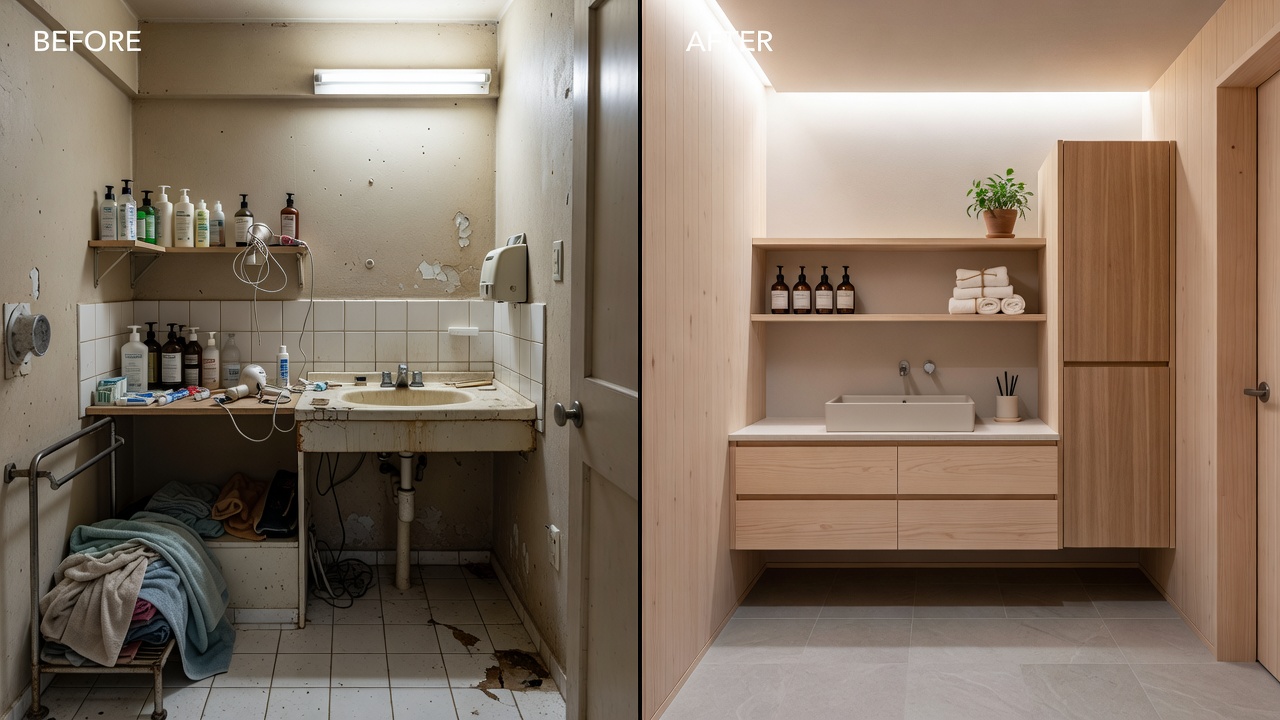
Consider a compact urban bathroom converted from dated tile and dark cabinets to a light-filled Japandi retreat featuring a bamboo vanity and stone basin. The original 50-square-foot space felt cramped due to enclosed storage; the updated design used floating elements and a neutral palette to double perceived volume. Another example transformed a cramped shower into an open wet room with built-in stone seating and integrated drainage. A third case involved a family bathroom where a dividing wall was removed to create a shared open area with separate wet and dry zones, improving daily usability for multiple users. These changes typically improve both aesthetics and resale value by emphasizing natural light and uncluttered surfaces.
Material Comparisons and Practical Tips
- Bamboo vs. Stone: Bamboo is lightweight and renewable; stone offers longevity but requires sealing every two years.
- Matte Black vs. Brushed Brass Fixtures: Matte black enhances minimalism; brass adds subtle warmth and develops a patina over time.
- Open Shelving vs. Closed Cabinets: Open shelves promote airiness; closed options hide clutter effectively while protecting items from humidity.
- Pebbled Floors vs. Smooth Tile: Pebbles provide massage-like texture underfoot but demand more cleaning effort than flat tiles.
Avoid common mistakes like overcrowding with too many accessories or choosing overly glossy surfaces that reflect harsh light. Always measure twice before ordering custom pieces to prevent installation delays.
Maintenance and Longevity
Regular care keeps Japandi bathrooms looking fresh. Wipe stone surfaces weekly with pH-neutral cleaners and reapply sealants as recommended by suppliers. Bamboo elements benefit from occasional oiling to prevent cracking in dry climates. Establish a seasonal deep-clean routine that includes checking grout lines and ventilation fans to control moisture. These practices extend material lifespan and maintain the serene atmosphere central to the style.
FAQ: Common Integration Challenges
How do I balance storage needs? Incorporate recessed niches and slim drawers hidden behind minimalist panels. What if my bathroom lacks natural light? Use layered LED lighting with warm color temperatures around 2700K and mirrors to bounce available light. Can Japandi work in small spaces? Yes—scale down fixtures and emphasize vertical lines with tall narrow cabinets. How do I incorporate color without breaking neutrality? Introduce subtle accents through towels or a single piece of ceramic art in muted tones. Is underfloor heating compatible? Yes, it pairs perfectly with stone or tile floors for added comfort during colder months.
Conclusion
Japandi bathroom remodeling for 2026 offers a sophisticated path to serene, functional spaces. By focusing on natural materials, thoughtful layouts, and sustainable sourcing, you create a bathroom that feels both modern and timeless. Start with a clear vision of your space and consult professionals for complex installations to ensure lasting results. For further inspiration, check ArchDaily and Houzz.
No comments yet. Be the first!