 Fixated on Home
Introduction: Bringing Natural Light into Your Bathroom Remodel
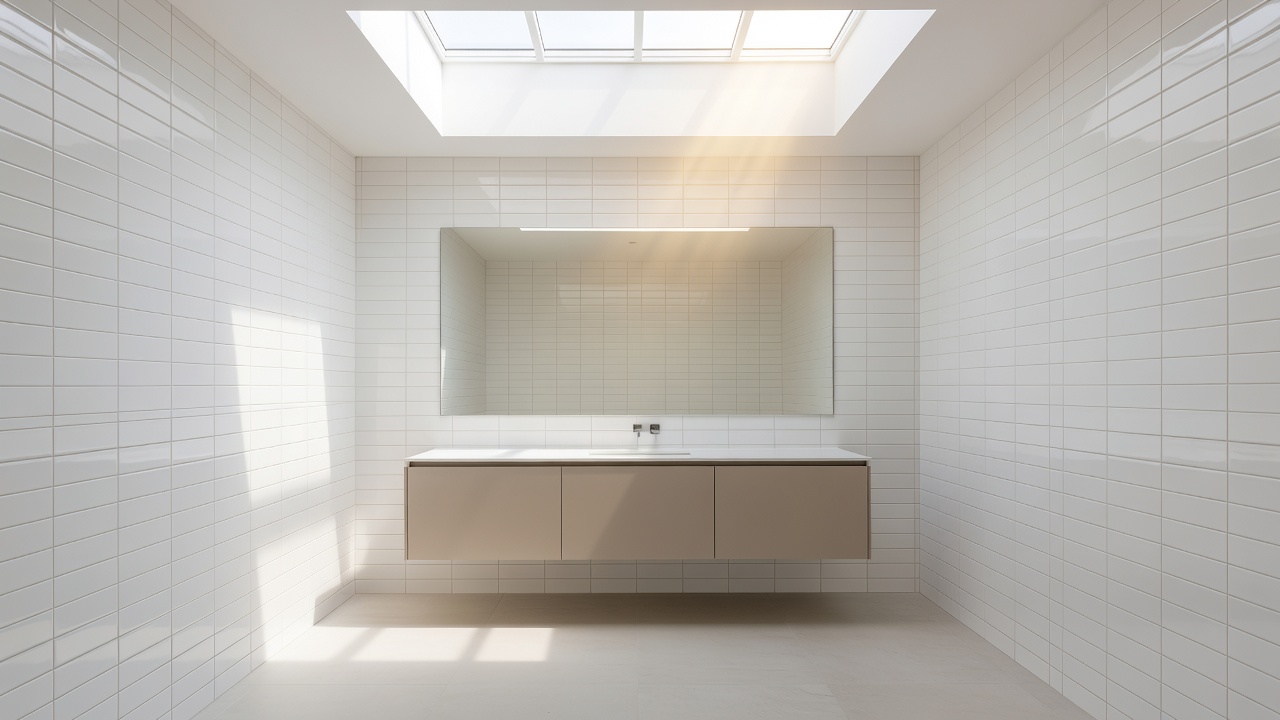
Homeowners remodeling bathrooms often seek ways to increase natural light without major structural changes or reliance on artificial lighting. Skylights offer an effective solution by channeling sunlight directly into the space, creating a brighter, more inviting atmosphere that can transform how the room feels throughout the day. In 2026, with growing emphasis on sustainable living and energy-conscious design, incorporating skylights has become a popular choice for those updating older homes or building new ones. This comprehensive guide explores skylight options tailored for bathrooms, helping you select and implement the right choice for your project while addressing common concerns like moisture management and long-term performance.
Comparing Skylight Types for Bathrooms
Bathrooms require skylights that handle moisture well due to frequent steam and humidity. The main types include tubular, fixed, and venting models. Each has distinct advantages and drawbacks that influence suitability for different layouts and preferences.
- Tubular Skylights: These compact units use reflective tubes to bring light from the roof down into the room. Pros include easy installation in small or awkwardly shaped spaces, minimal disruption to existing roofing, and lower overall complexity. Cons involve limited light output compared to larger options and reduced effectiveness in very wide rooms where even distribution is needed.
- Fixed Skylights: Non-opening units that provide consistent daylight without moving parts. Pros encompass excellent capacity for maximum light intake, low maintenance requirements, and strong built-in seals that resist leaks over time. Cons include the inability to provide ventilation and the possibility of excess heat buildup during warmer months if not paired with shading solutions.
- Venting Skylights: These models open to allow airflow alongside light entry. Pros feature the dual benefit of illumination plus humidity reduction, making them ideal for steamy bathrooms, along with improved indoor air quality. Cons center on higher installation complexity, the need for periodic mechanism checks, and potentially greater exposure to weather elements.
Choose based on your bathroom size, existing ventilation setup, and whether light alone or combined airflow is the priority. Many homeowners find that a hybrid approach using one fixed and one venting unit delivers balanced results.
Step-by-Step Installation Process
Proper installation ensures longevity and performance while minimizing risks like water intrusion. Begin by assessing your roof structure and consulting local building codes to confirm feasibility. Measure the space above the ceiling carefully to determine the optimal location that avoids structural beams. Cut the roof opening with precision tools, then frame it securely using treated lumber for durability. Install high-quality flashing around all edges to direct water away effectively. Secure the skylight unit according to manufacturer specifications and apply multiple layers of sealant at every joint. Finally, finish the interior trim and test the entire assembly under simulated rain conditions before completing drywall work. Always hire licensed professionals for any electrical connections or complex structural modifications to ensure safety and compliance.
Integrating Waterproofing for Long-Term Protection
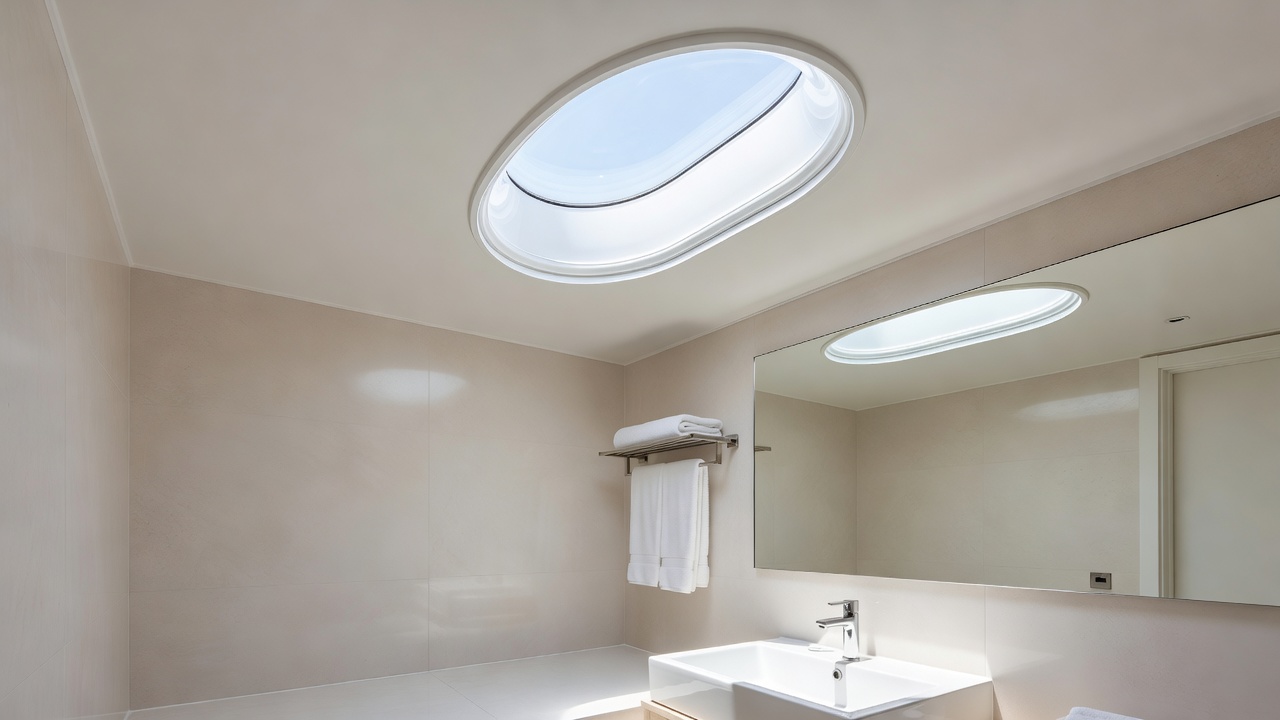
Bathrooms are high-moisture environments, so waterproofing integration is essential from the start. Use self-adhering underlayment that extends well beyond the skylight frame to create a continuous moisture barrier. Apply high-quality, UV-resistant sealants that match your specific roofing material for a seamless bond. Ensure the skylight features built-in curbs with adequate slope for natural drainage. Incorporate additional step flashing along the sides and head flashing at the top to handle heavy rainfall. Test the full installation with a garden hose before interior finishing to identify and correct any vulnerabilities early, preventing costly repairs later.
Energy Efficiency Considerations
Modern skylights can improve overall energy performance when chosen with care. Seek models equipped with low-E coatings and argon-filled glazing that minimize unwanted heat transfer. The U.S. Department of Energy offers detailed guidance on selecting efficient daylighting solutions that reduce reliance on electric lights. Pair skylights with insulated frames and consider adding automated shades for summer heat control. Solar-powered venting options provide sustainability benefits without requiring additional electrical wiring, aligning well with 2026 eco-friendly remodeling trends.
Pairing Skylights with Interior Upgrades
Maximize the impact of your skylight by thoughtfully updating surrounding elements. Install oversized mirrors positioned to reflect and spread light across the entire room. Opt for light-reflective paint colors on walls and ceilings that bounce sunlight effectively. Incorporate glass or metallic tiles, glossy countertops, and chrome fixtures to amplify brightness. These strategic combinations make even compact bathrooms appear more spacious and welcoming while enhancing the overall remodel aesthetic.
Mistakes to Avoid During Skylight Projects
Common pitfalls can undermine even well-planned remodels. Avoid selecting oversized units that overwhelm small bathrooms or fail to account for roof pitch. Do not skip professional waterproofing details, as improper flashing leads to leaks. Resist the temptation to cut corners on insulation around the opening, which can cause energy loss. Always verify local permit requirements upfront rather than assuming they are unnecessary. Finally, steer clear of low-quality materials that may degrade quickly in humid conditions.
Real-Home Examples and Practical Inspiration
In one suburban renovation project, homeowners added a large fixed skylight directly above a freestanding soaking tub, turning a previously dim space into a sunlit sanctuary that receives abundant morning light. Another successful case involved installing multiple tubular skylights in a compact powder room, dramatically improving visibility without altering the roof profile. A third example featured a venting skylight combined with a new mirror wall in a family bathroom, resulting in reduced humidity and a noticeably brighter environment that encouraged more frequent use of natural rather than artificial lighting. These real-world applications demonstrate how skylights adapt to varied home styles and deliver tangible improvements in comfort and efficiency.
Maintenance Tips for Skylights
Consistent care preserves performance and appearance over time. Clean exterior glass surfaces twice annually with a non-abrasive brush and mild solution to remove dirt and pollen. Inspect all seals, flashing, and surrounding roofing each spring and fall for signs of wear or damage. Remove leaves, branches, and other debris from the roof area around the unit regularly. For venting models, lubricate moving parts seasonally and replace weatherstripping as needed. Monitor for condensation inside the unit and address it quickly to prevent mold in the bathroom's humid setting. These steps help maintain both functionality and the aesthetic benefits of the skylight.
2026 Trends in Bathroom Skylight Design
Current remodeling trends emphasize smart integration and sustainability. Many new installations include automated sensors that adjust venting based on humidity levels. Frosted or tinted glazing options are gaining popularity for privacy without sacrificing light. Homeowners are also combining skylights with smart-home systems for remote control, enhancing convenience while supporting energy goals promoted by organizations like ENERGY STAR.
Frequently Asked Questions
Will a skylight cause leaks in my bathroom?
Properly installed skylights with quality flashing and regular inspections rarely develop leaks. Select units specifically rated for high-moisture areas and follow manufacturer guidelines during installation to ensure long-term dryness.
Do I need permits for adding a skylight?
Most jurisdictions require permits for any roof penetration or structural change. Contact your local building department early in the planning phase to understand requirements and avoid delays or penalties.
How does a skylight affect bathroom humidity?
Venting skylights actively reduce humidity by allowing moist air to exit. Pairing them with a quality exhaust fan creates an effective system for moisture control in steamy environments.
Can skylights improve energy efficiency?
Yes, especially when using ENERGY STAR certified models that decrease daytime lighting needs and incorporate advanced glazing. EPA guidance highlights how strategic daylighting supports lower overall energy consumption in homes.
What size skylight works best for typical bathrooms?
Size depends on room dimensions, but starting with a unit covering 5 to 10 percent of the floor area often provides balanced illumination without overwhelming the space or creating glare issues.
Conclusion
Skylights represent a smart, forward-looking investment for brighter and more functional bathrooms in 2026. By carefully evaluating types, following detailed installation and waterproofing practices, integrating complementary interior upgrades, and committing to regular maintenance, you can achieve a remodel that feels open, refreshing, and energy-efficient. Plan thoroughly, prioritize quality components, and enjoy the benefits of abundant natural light for many years ahead.
No comments yet. Be the first!