 Fixated on Home
Biophilic Design Ideas for 2026 Bathroom Remodeling
Biophilic design connects indoor spaces with nature to improve well-being and create calming environments. In bathroom remodeling, this approach uses natural elements to transform utilitarian rooms into serene retreats that support daily wellness. Homeowners planning upgrades in 2026 can integrate organic textures, living plants, maximized daylight, and subtle water elements for lasting livability and visual appeal. This comprehensive guide explores every aspect of applying biophilic principles, from initial planning through long-term maintenance, ensuring your renovated bathroom feels restorative rather than clinical.
Why Biophilic Principles Matter in Modern Bathrooms
Bathrooms experience constant use and high humidity, making them ideal yet challenging spaces for nature-inspired updates. Exposure to natural elements has been shown to reduce stress hormones and improve overall mood. When remodeling, incorporating biophilic elements creates a sanctuary that aligns with long-term health goals. Studies from leading health organizations confirm that access to nature indoors can enhance mental clarity and reduce feelings of confinement in small or windowless rooms. By focusing on materials, light, plants, and water, homeowners achieve both aesthetic upgrades and functional improvements that increase property value over time.
Selecting Organic Materials for Durability and Warmth
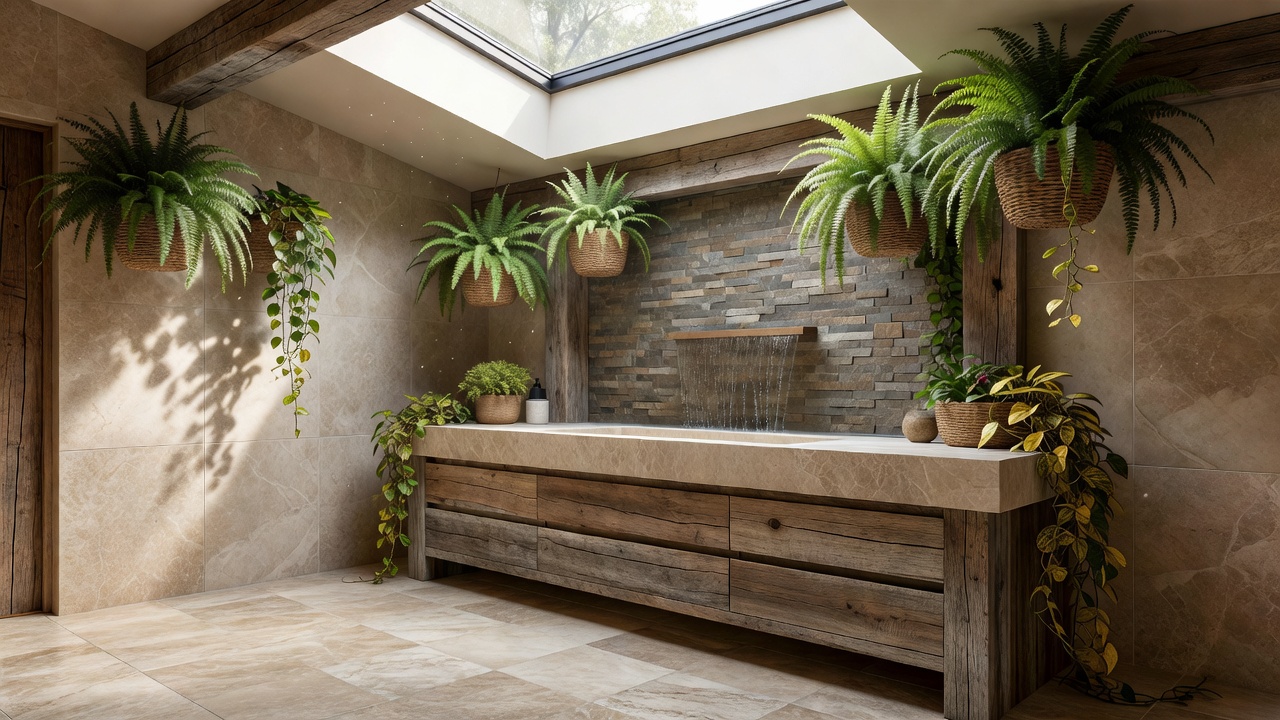
Organic materials bring authenticity and warmth while standing up to moisture when properly selected and sealed. Reclaimed wood vanities offer character and sustainability, while honed stone countertops provide cool, tactile surfaces. Clay or terracotta tiles evoke earthy tones and pair well with wood accents. Comparing bamboo and teak reveals clear differences: bamboo grows quickly and resists warping in humid conditions, whereas teak contains natural oils that repel water without additional treatments. Cork flooring adds cushioning underfoot and absorbs sound, creating a quieter space. Other options include live-edge wood shelves and pebble mosaic accents for shower floors. Practical implementation begins with testing moisture levels in the existing structure and applying multiple coats of low-VOC sealant. Before-and-after examples frequently demonstrate how replacing laminate with walnut cabinetry and limestone walls shifts a cold, dated bathroom into a welcoming retreat that feels connected to the outdoors.
Integrating Indoor Plants for Air Quality and Visual Interest
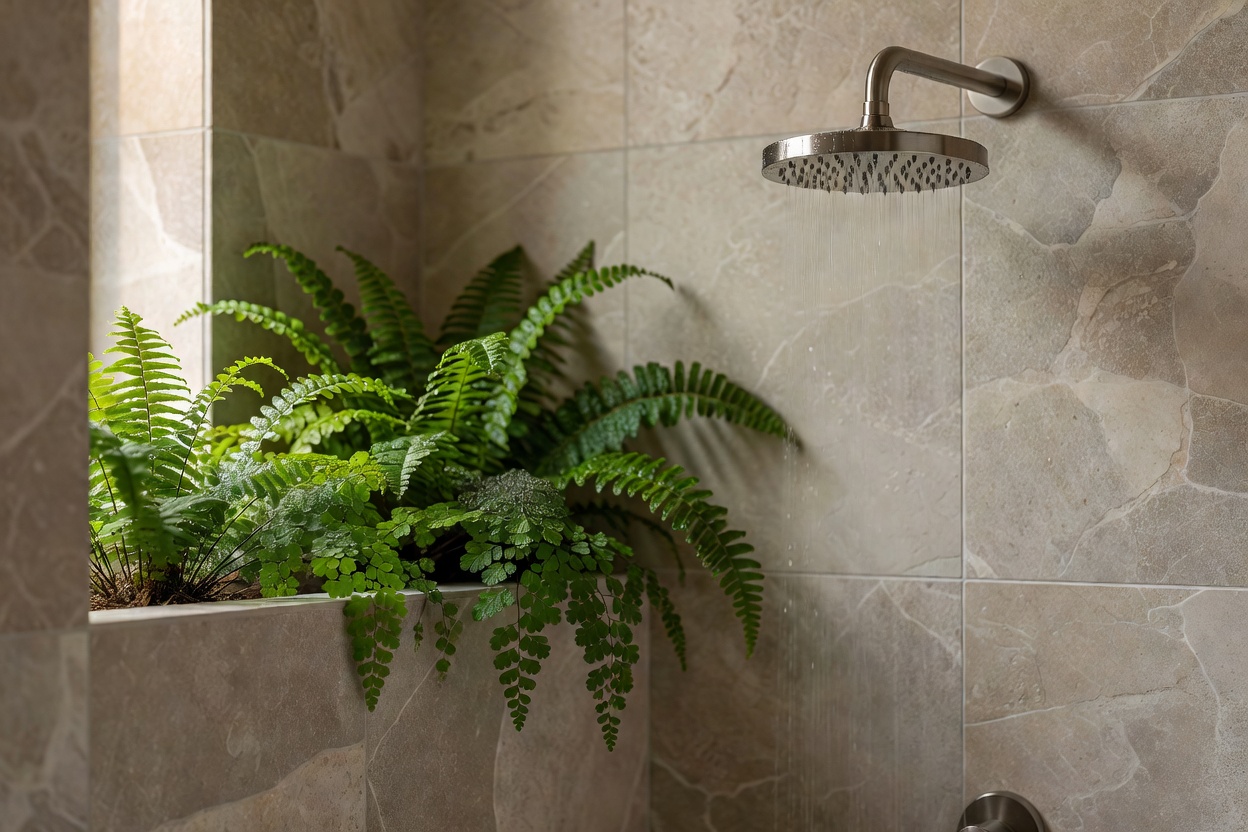
Plants serve as living air purifiers while softening the hard lines of tile and fixtures. Humidity-loving species such as Boston ferns, snake plants, pothos, and peace lilies thrive in bathroom conditions. Strategic placement on floating teak shelves, in recessed wall niches, or suspended from the ceiling maximizes visual impact without obstructing movement. During remodeling, contractors can install built-in planter boxes with drainage systems connected to the main plumbing. Care routines include rotating plants monthly for even growth, using self-watering pots to prevent root rot, and monitoring humidity with a small digital meter. These additions improve indoor air quality by filtering common bathroom pollutants and create a layered, jungle-like atmosphere that enhances the biophilic experience.
Maximizing Natural Light for an Open, Airy Feel
Natural light dramatically expands perceived space and highlights the textures of wood and stone. Larger clerestory windows, tubular daylighting devices, or strategically placed skylights bring in daylight while preserving privacy. Automated sheer shades or frosted glass options allow control over brightness throughout the day. Positioning large mirrors opposite windows doubles the light effect and creates depth. In remodeling projects, structural assessments determine the best locations for new openings, often combined with ventilation upgrades to manage condensation. Homeowners report that increased daylight reduces the need for artificial lighting during daytime hours and makes the bathroom feel more expansive and inviting.
Adding Water Features for a Serene Ambiance
Subtle water elements introduce gentle sounds and visual movement that reinforce the connection to nature. Wall-mounted fountains, adjustable rain-head showers, or compact recirculating basins fit into most layouts. Integration requires careful planning for waterproofing, pumps, and drainage to avoid leaks. Pairing these features with stone basins and surrounding plants creates a cohesive spa-like environment. Maintenance involves monthly cleaning of filters and checking seals, ensuring the feature remains a calming focal point rather than a source of issues.
Detailed Material Comparison
Choosing the right materials involves balancing aesthetics, maintenance, and environmental impact. Bamboo offers rapid renewability and affordability but may require more frequent resealing. Teak delivers superior longevity and a rich patina yet commands a premium. Cork provides excellent thermal insulation and a soft feel but needs protection from standing water. Honed marble or limestone creates timeless elegance with cool surfaces that contrast beautifully against wood, though both require periodic polishing. Recycled glass tiles add sparkle and are fully waterproof, serving as accents in showers or backsplashes. Each option supports biophilic goals when sourced responsibly and finished with natural oils or water-based sealers.
Practical Implementation Steps
- Conduct a thorough site assessment focusing on existing light sources, ventilation, and moisture readings.
- Define a limited material palette of three to four natural tones to maintain visual harmony.
- Designate specific zones for plants, ensuring built-in irrigation or drainage during rough-in.
- Consult with a lighting specialist to optimize window placement and mirror positioning.
- Select water features that match the room scale and integrate seamlessly with plumbing.
- Work exclusively with contractors experienced in moisture management and natural material installation.
- Schedule phased construction to allow for plant acclimation periods after completion.
- Perform a final walkthrough to adjust lighting controls, plant placement, and water feature settings.
Before-and-After Examples
One suburban home converted a cramped 1980s bathroom with fluorescent lighting and vinyl flooring into a biophilic oasis featuring reclaimed oak vanities, two skylights, and integrated fern planters. The result expanded the sense of space and reduced daily stress for the family. Another urban apartment project replaced a stark all-white layout with limestone walls, a cork floor, and a small wall fountain beside a living wall of pothos. Residents noted improved morning routines and better air quality within weeks of completion.
Common Mistakes to Avoid
Overplanting without adequate airflow quickly leads to mildew on leaves and surfaces. Neglecting to upgrade exhaust fans when adding water features causes persistent humidity problems. Skipping proper sealing on wood or stone results in warping and staining within the first year. Failing to plan electrical outlets for pumps or grow lights can limit future flexibility.
Maintenance in Humid Spaces
Successful long-term care starts with choosing the right species and materials. Wipe plant leaves weekly to remove mineral deposits from steam. Use exhaust fans for at least 20 minutes after showers and open windows when weather permits. Reapply sealants to wood and stone every 12 to 18 months. Monitor water features for algae and clean reservoirs regularly. These routines keep the space healthy and beautiful without excessive effort.
FAQ
How do I maintain plants in a humid bathroom?
Select moisture-tolerant varieties and ensure good drainage. Wipe foliage regularly and adjust watering based on seasonal changes in indoor humidity.
Is biophilic remodeling expensive?
Investment levels depend on scope and material choices, but durable natural options often reduce replacement frequency over the years.
Can renters apply these ideas?
Renters can use portable planters, peel-and-stick wood-look panels, and freestanding water bowls that require no permanent changes.
What plants work best in low-light bathrooms?
Snake plants, ZZ plants, and certain ferns adapt well and continue to purify air even with limited daylight.
How often should water features be cleaned?
Monthly filter checks and quarterly deep cleans prevent buildup and maintain clear, pleasant water movement.
For additional wellness guidance, refer to World Health Organization resources. Sustainable material recommendations appear on the U.S. Environmental Protection Agency website. Energy-efficient daylighting strategies are outlined by the U.S. Department of Energy.
No comments yet. Be the first!